|
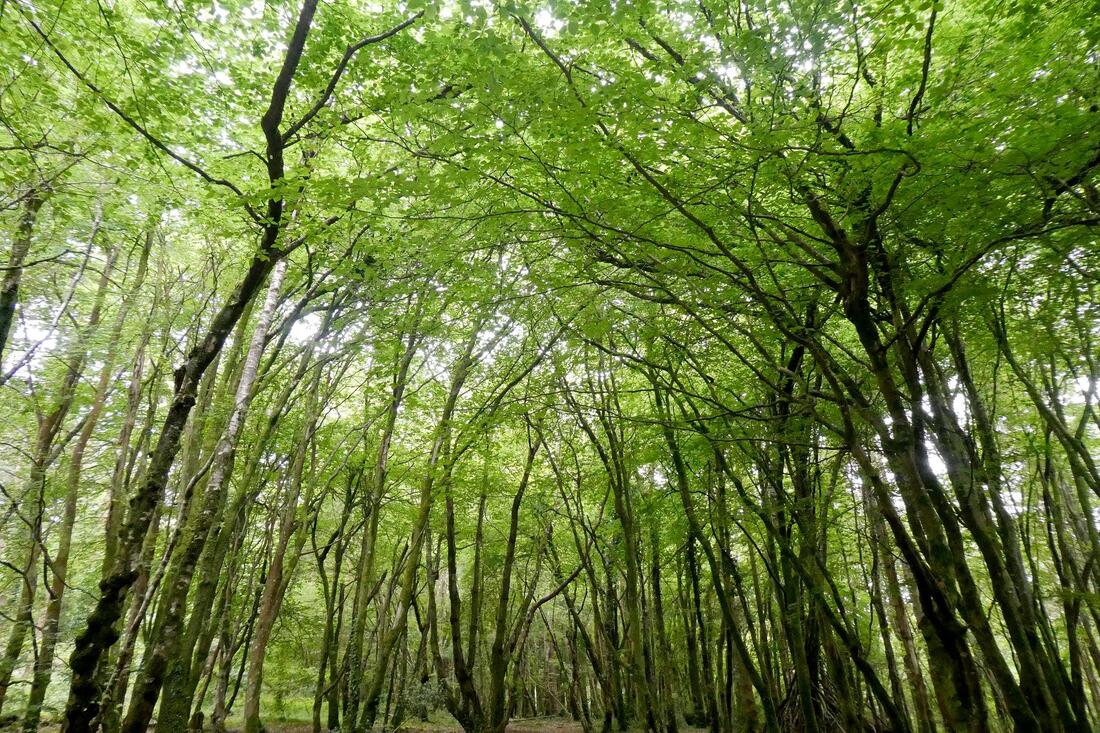
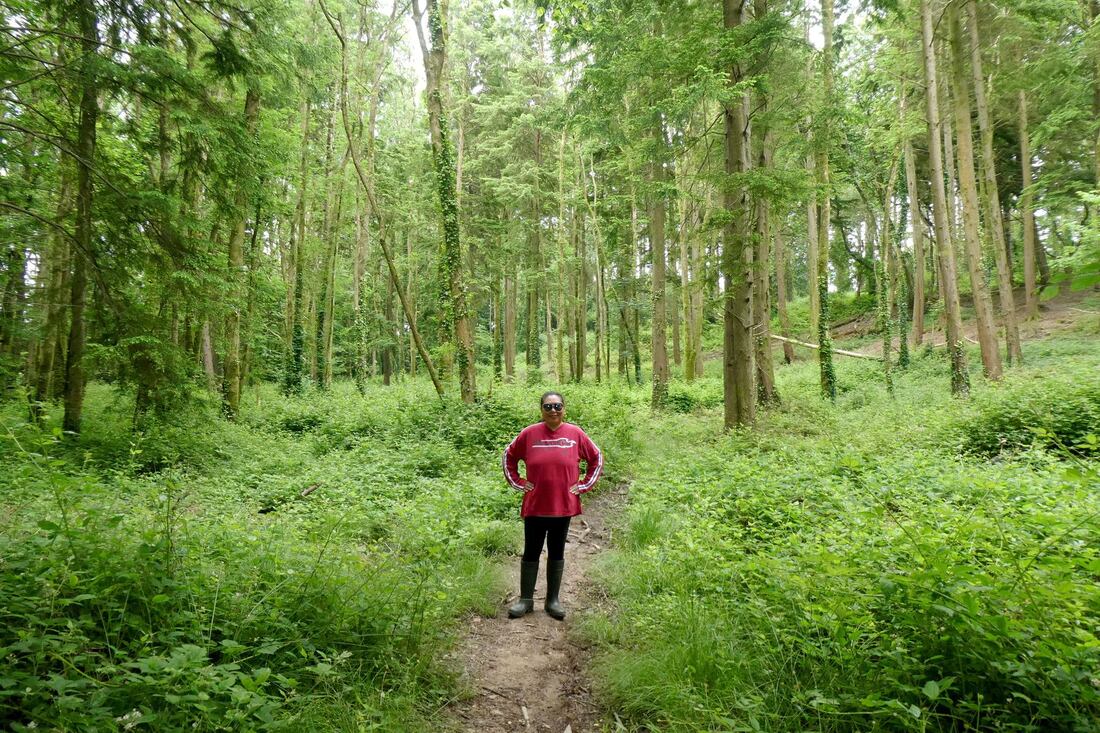
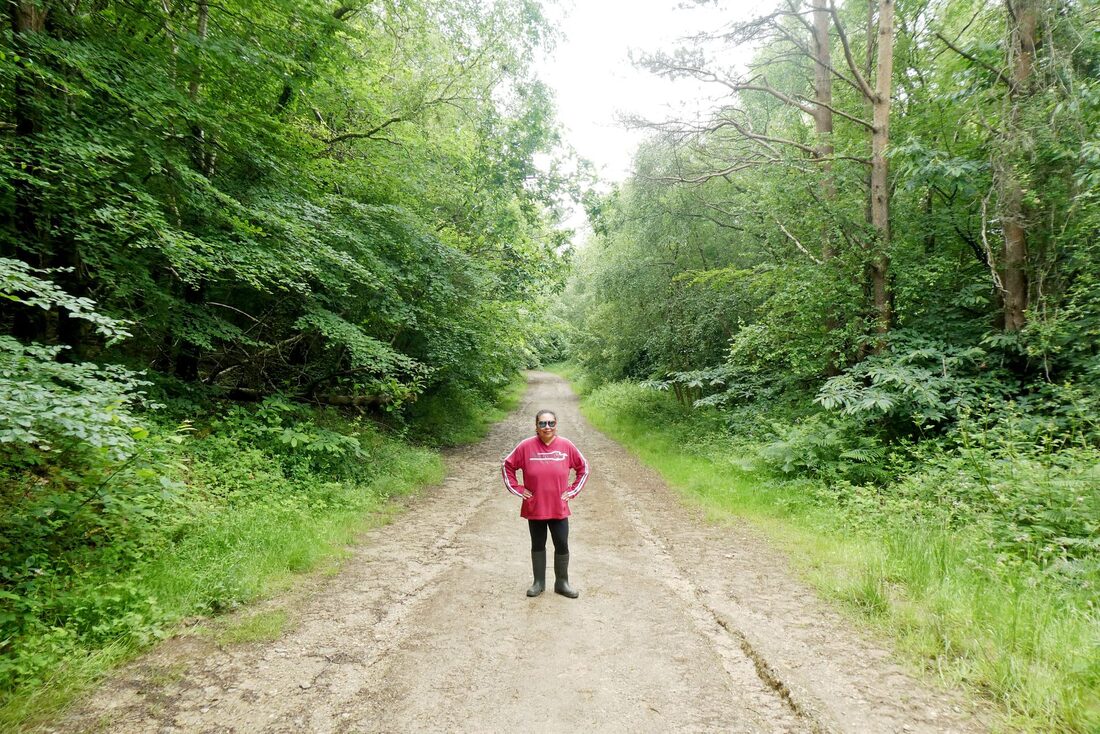
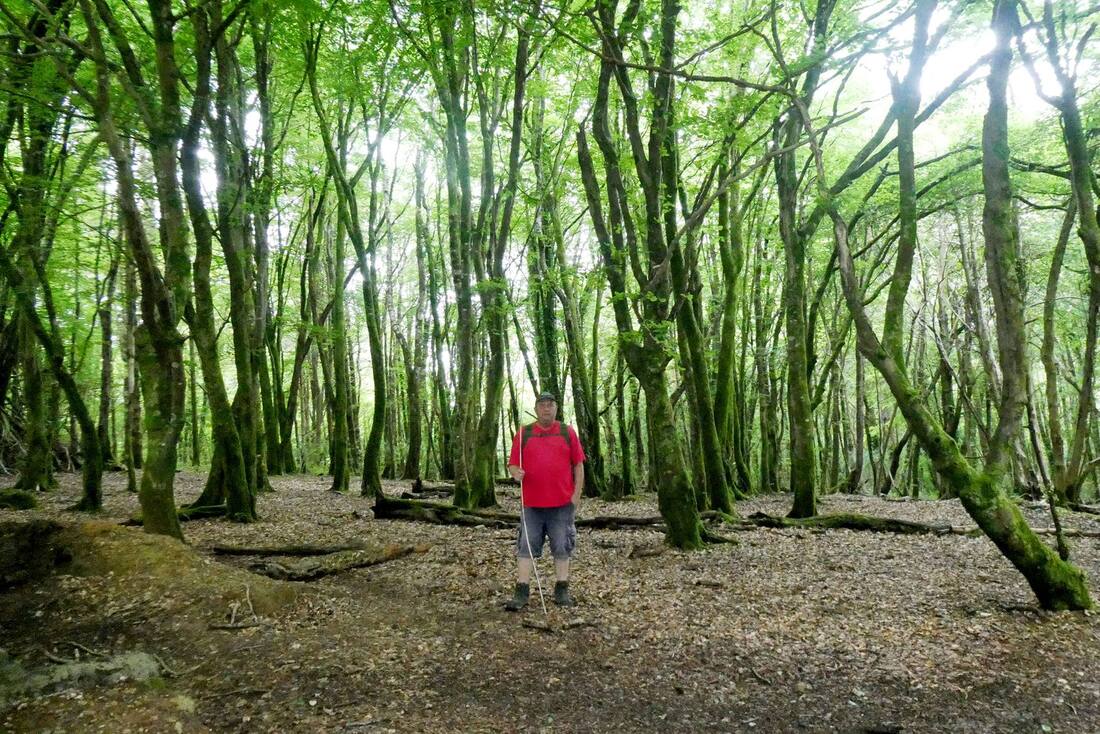
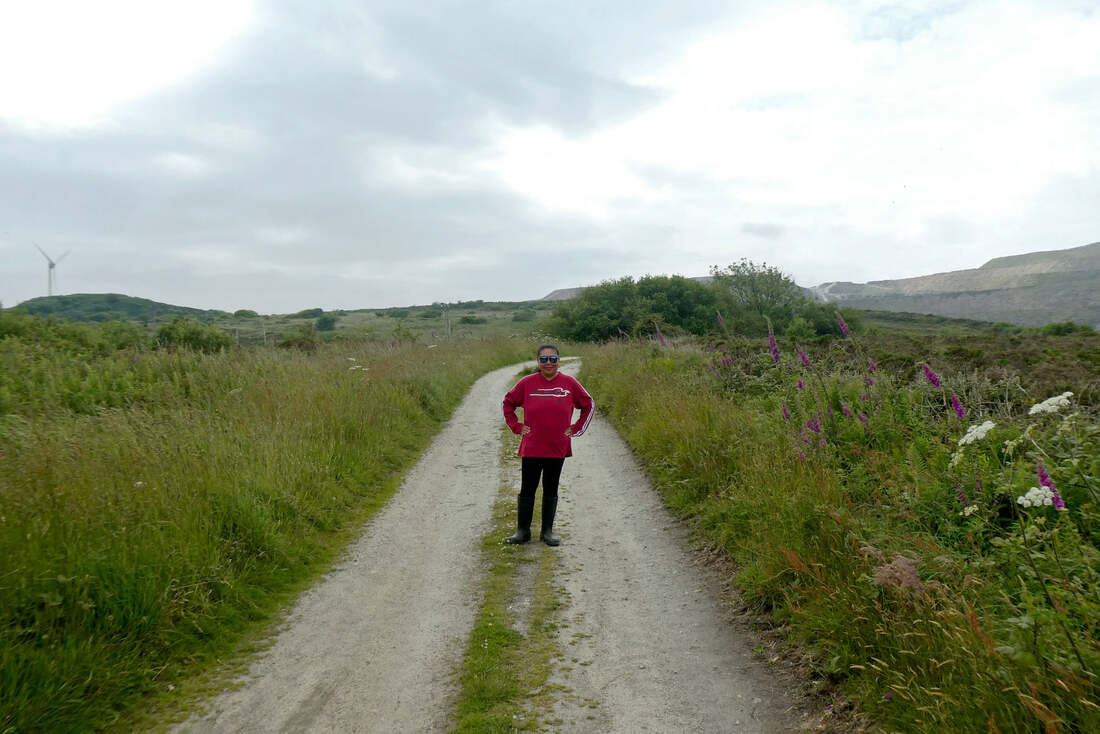
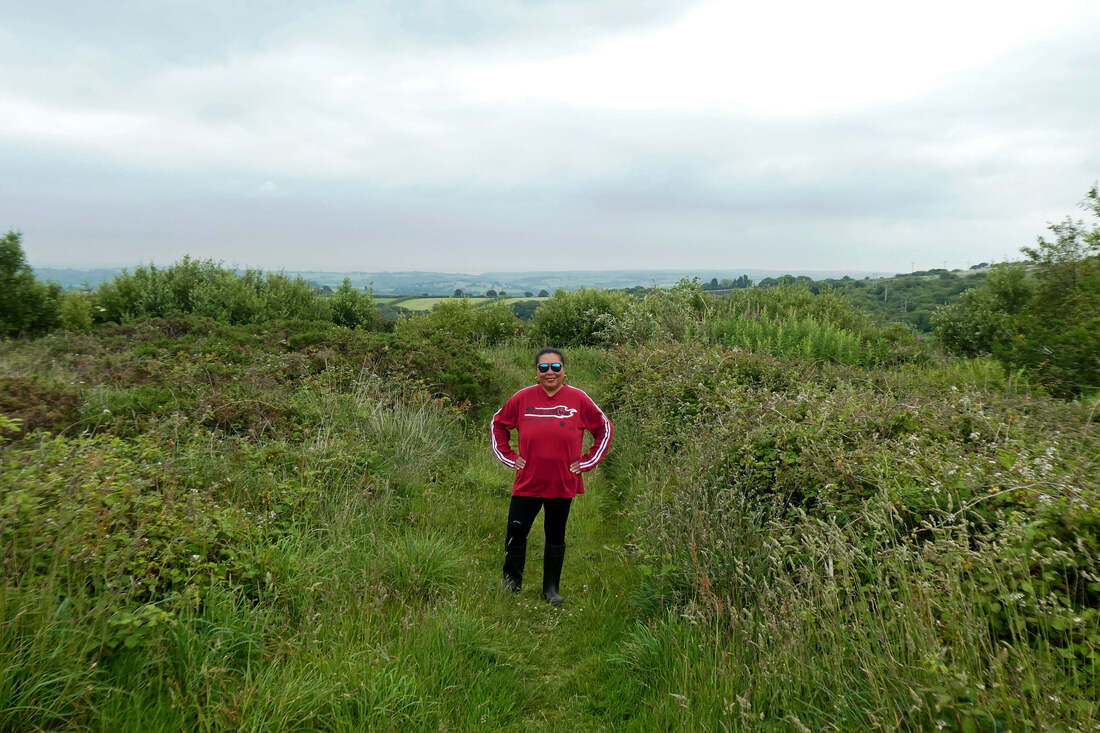
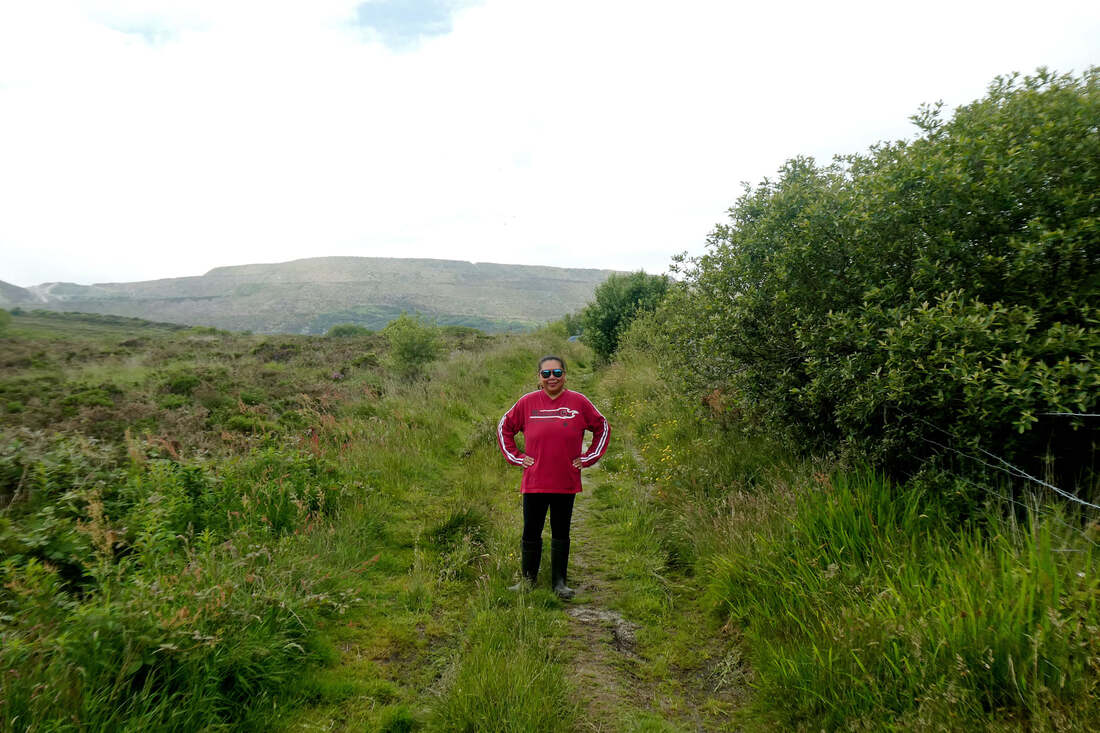
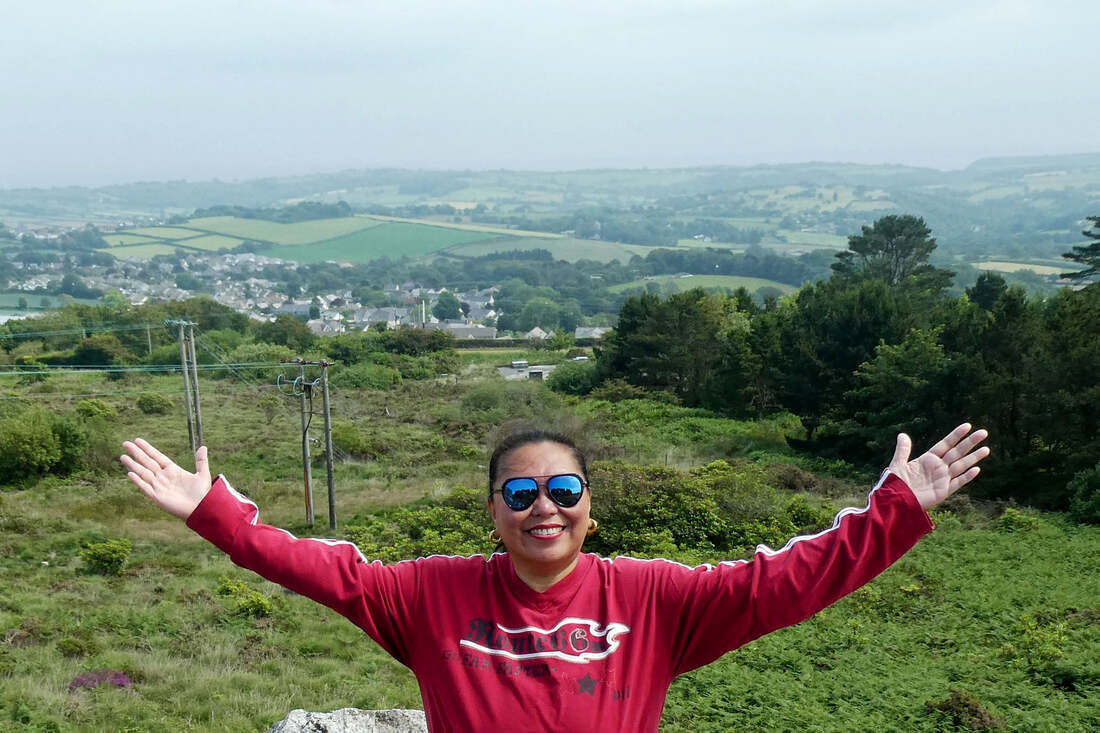
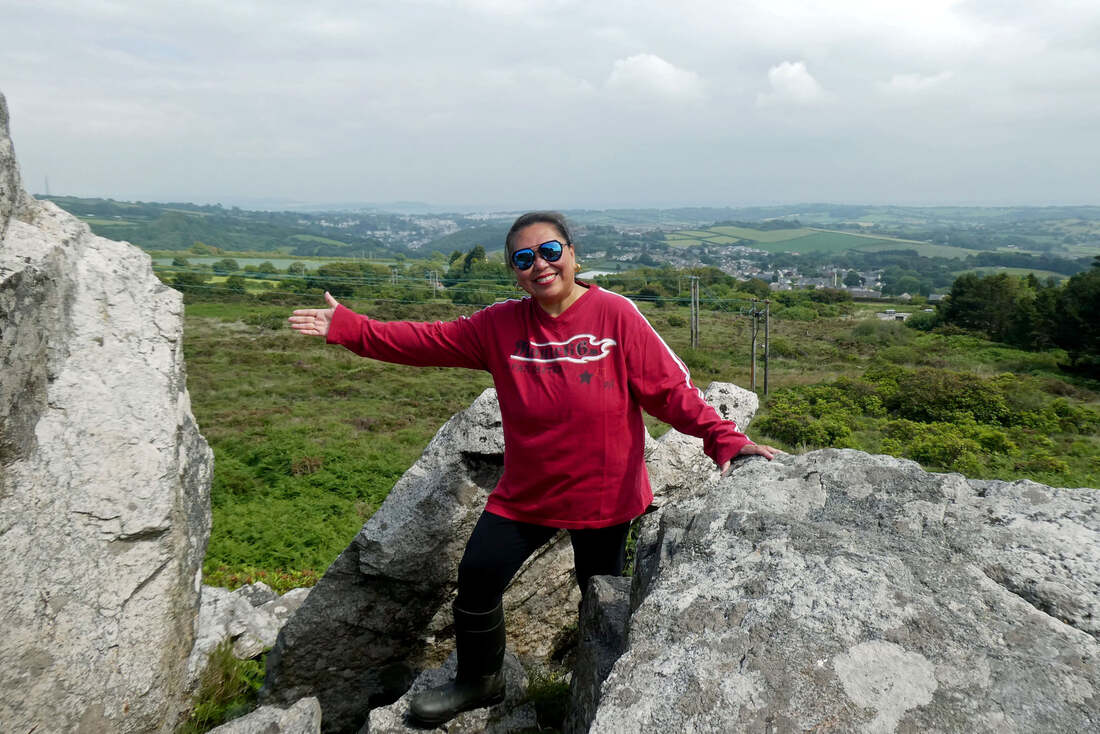
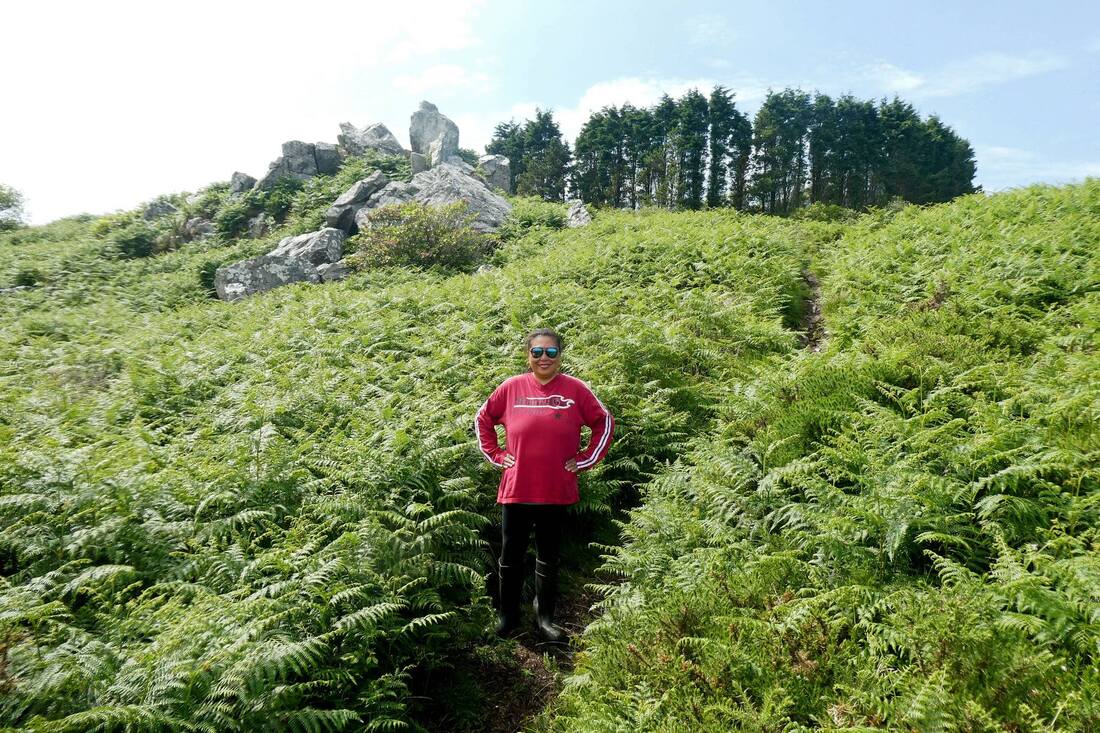
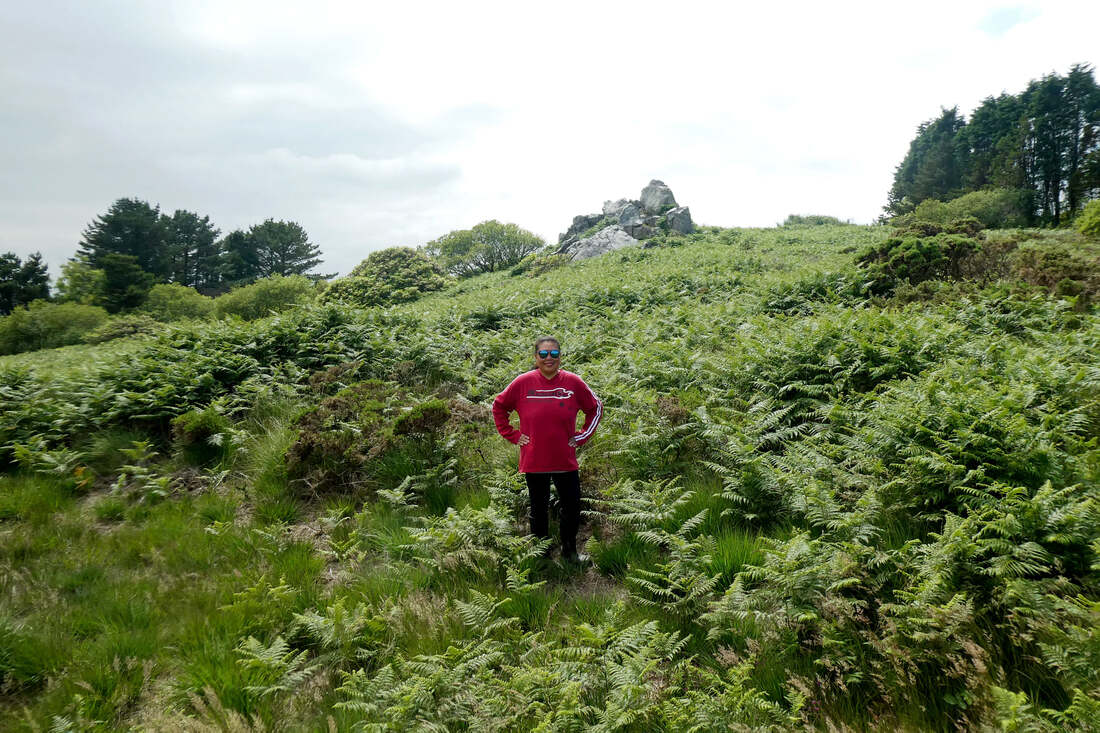
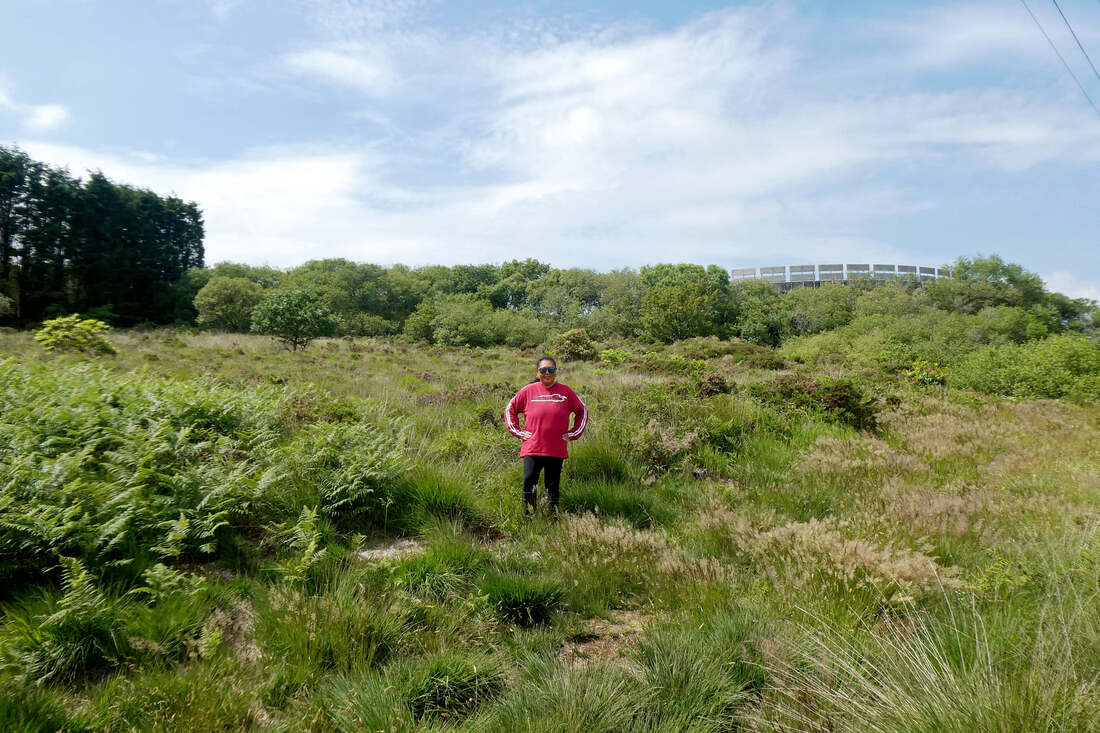
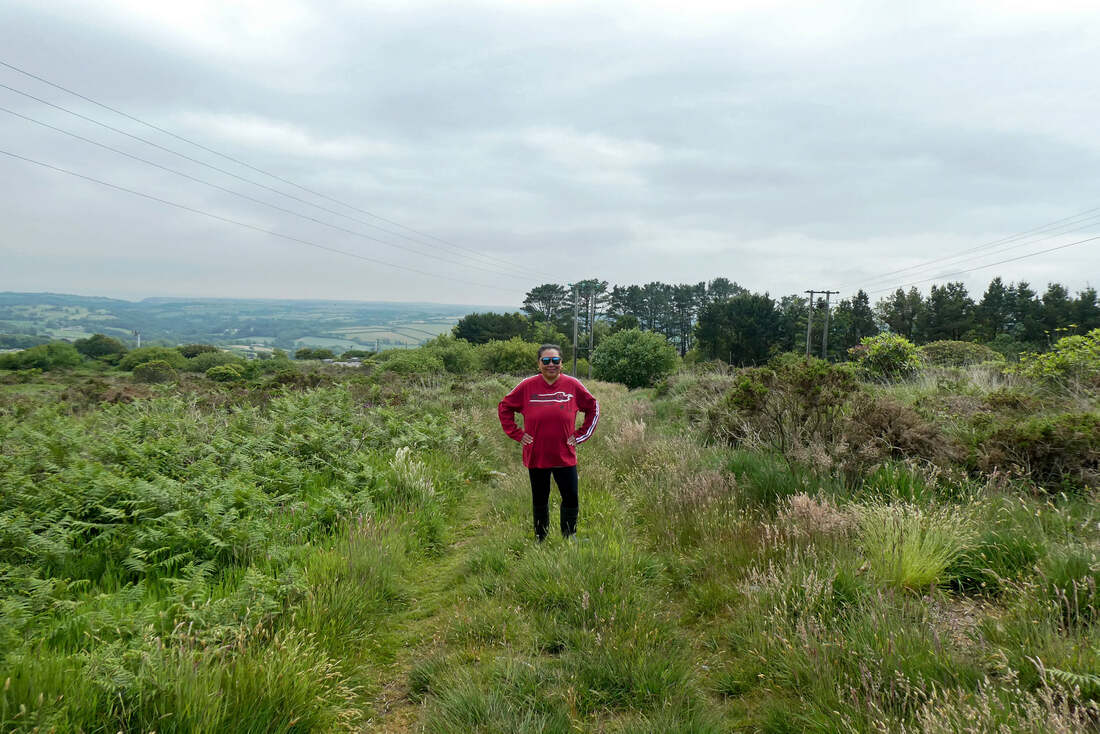
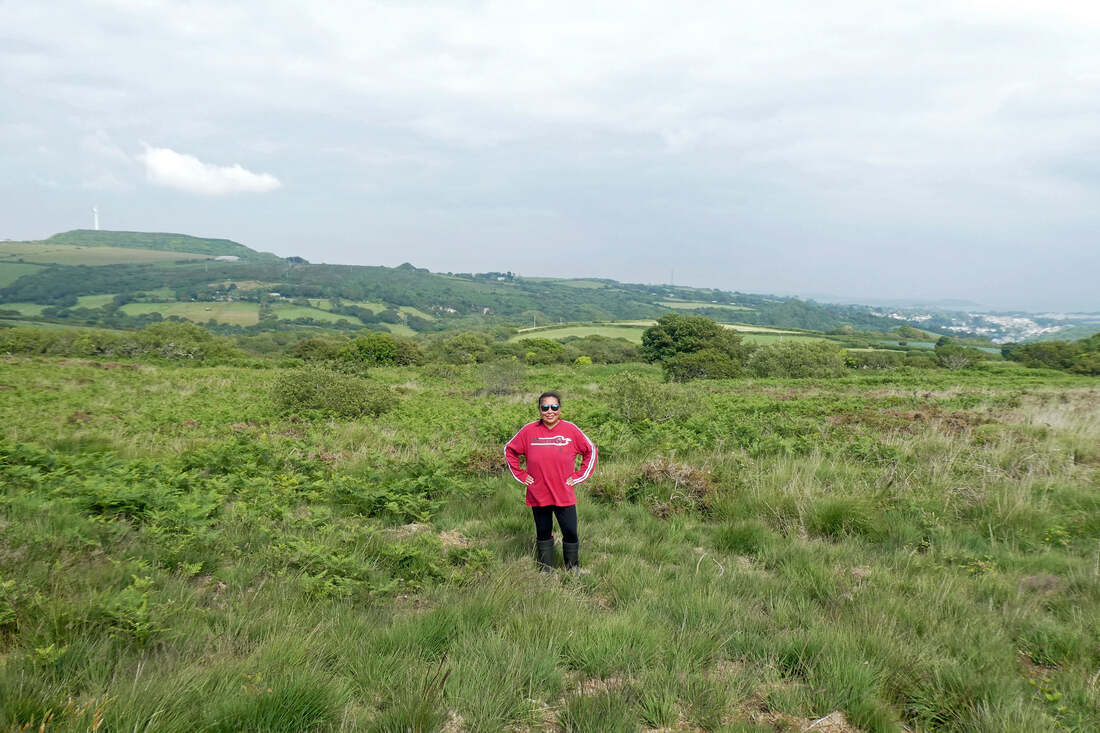
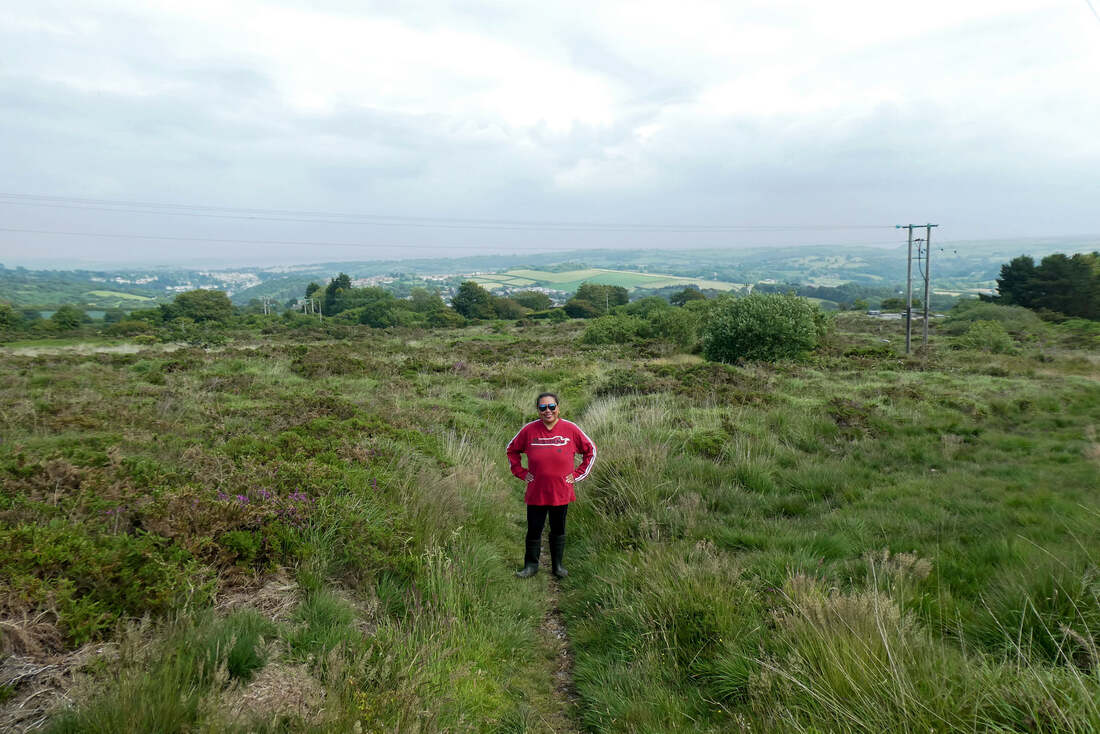
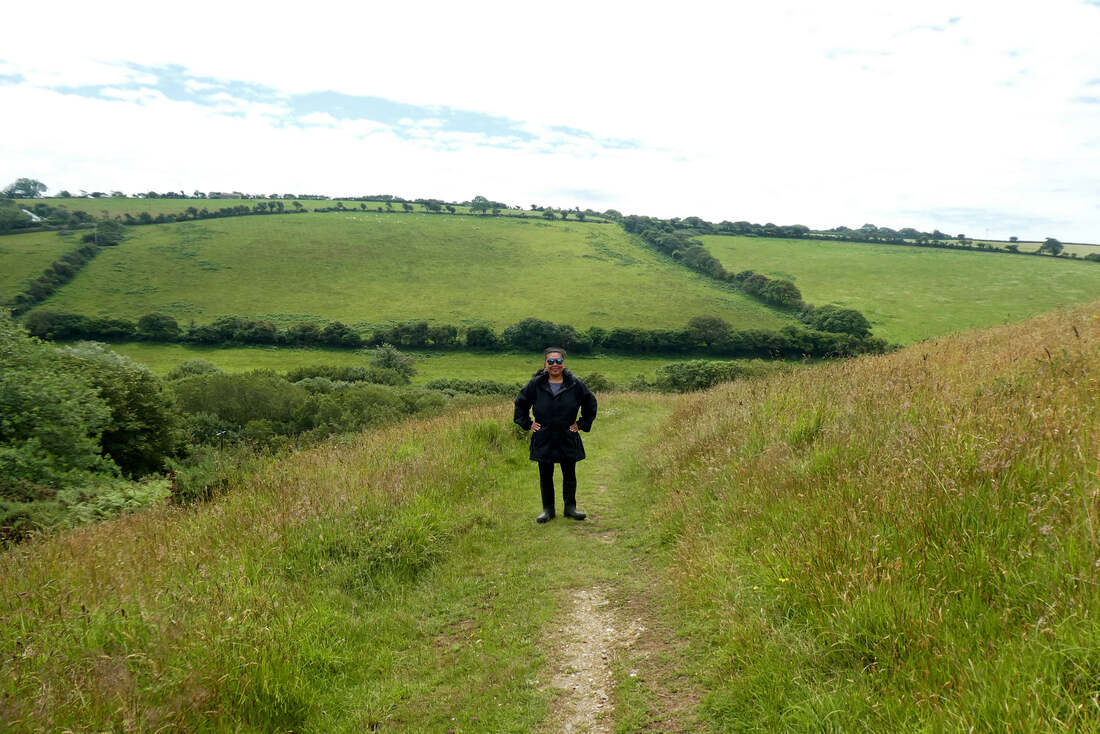
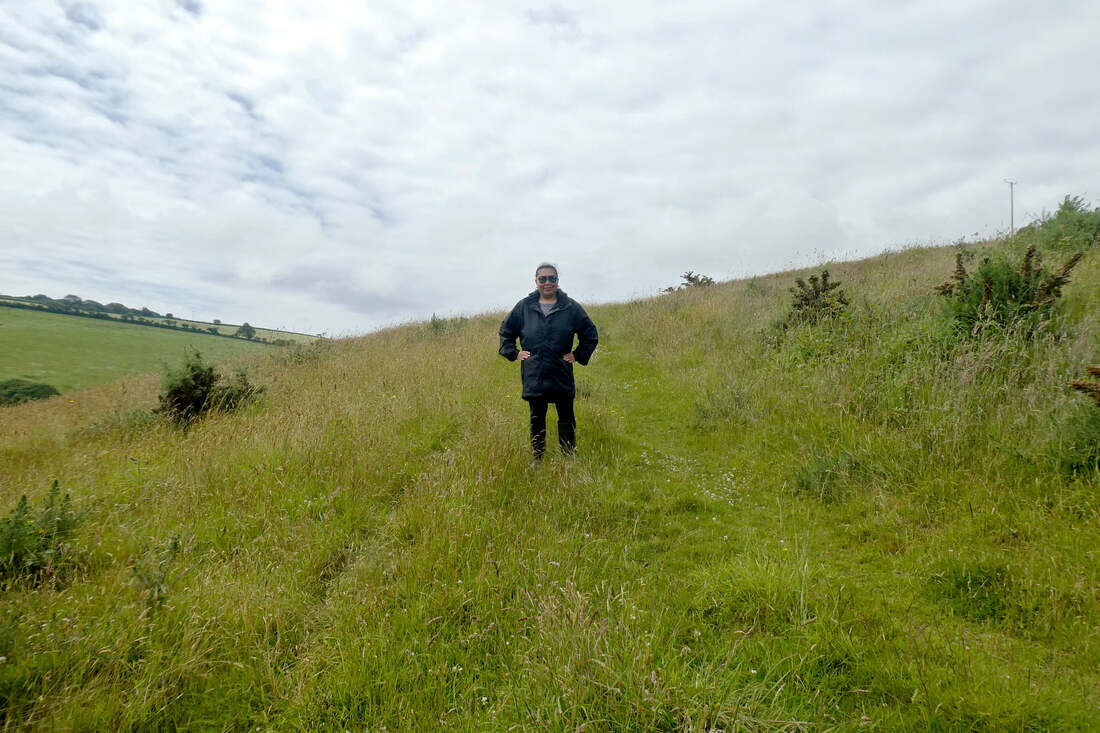
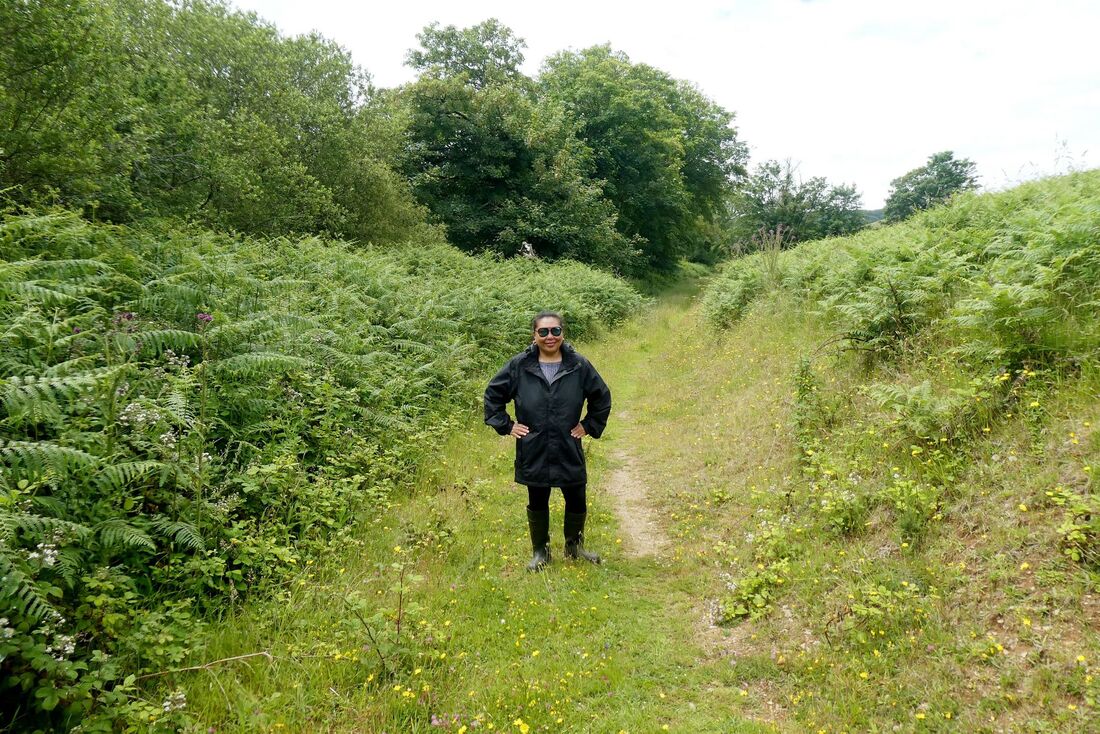
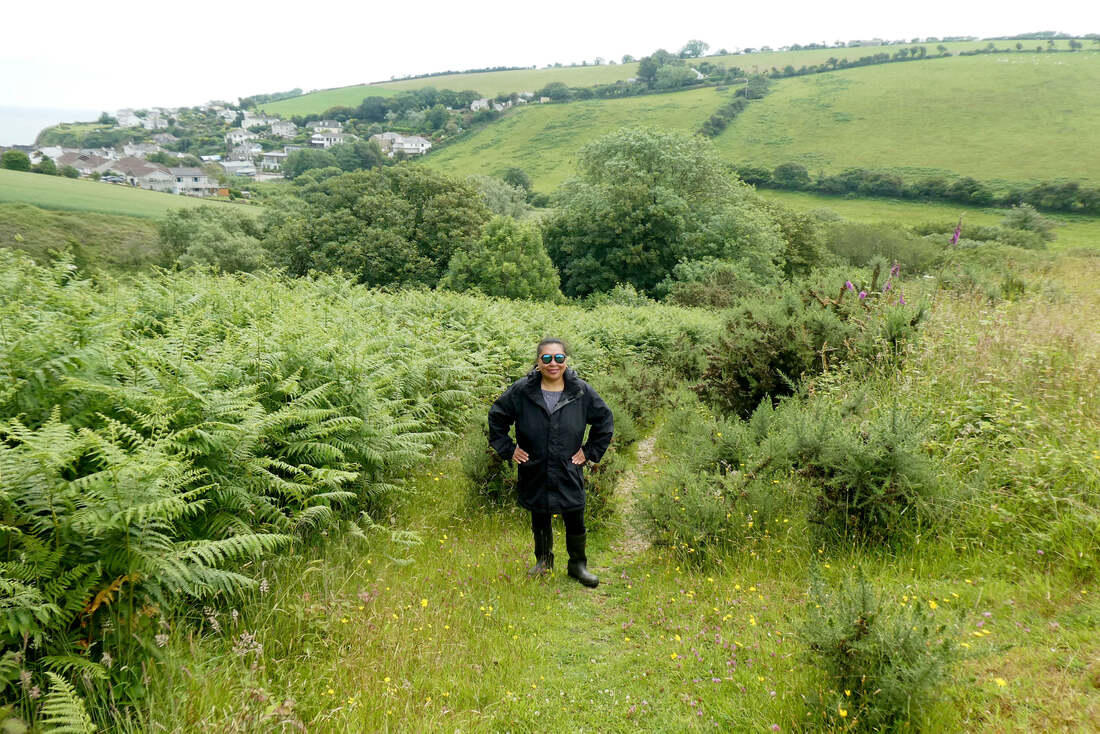
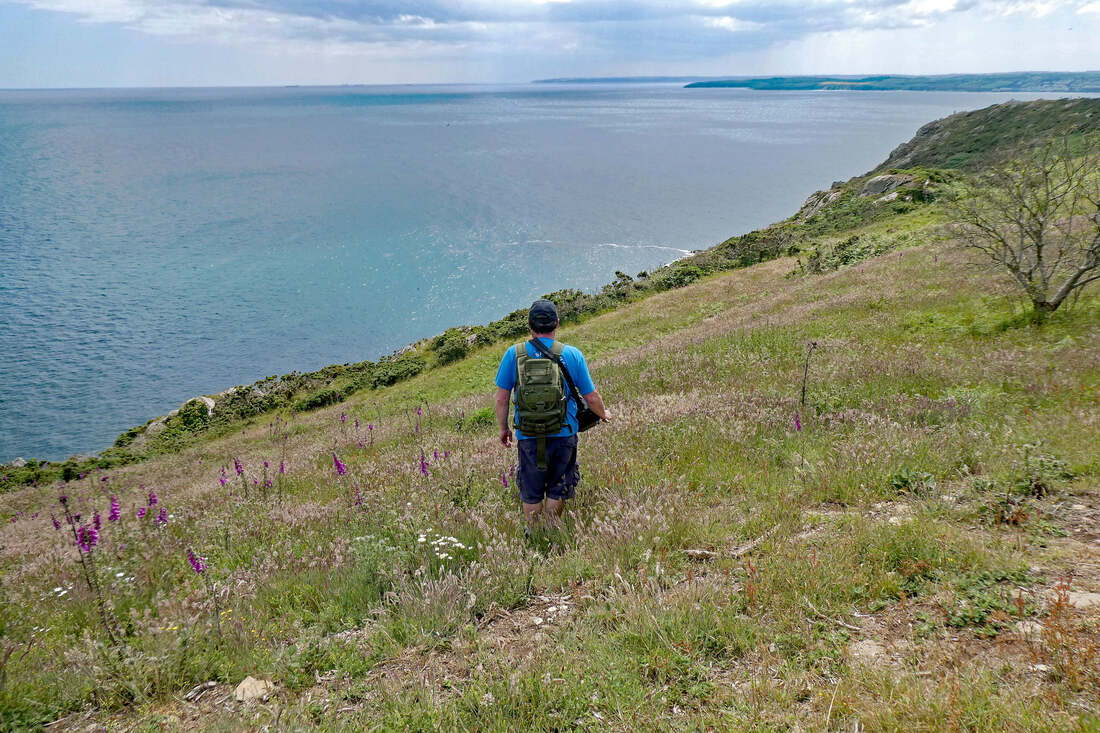
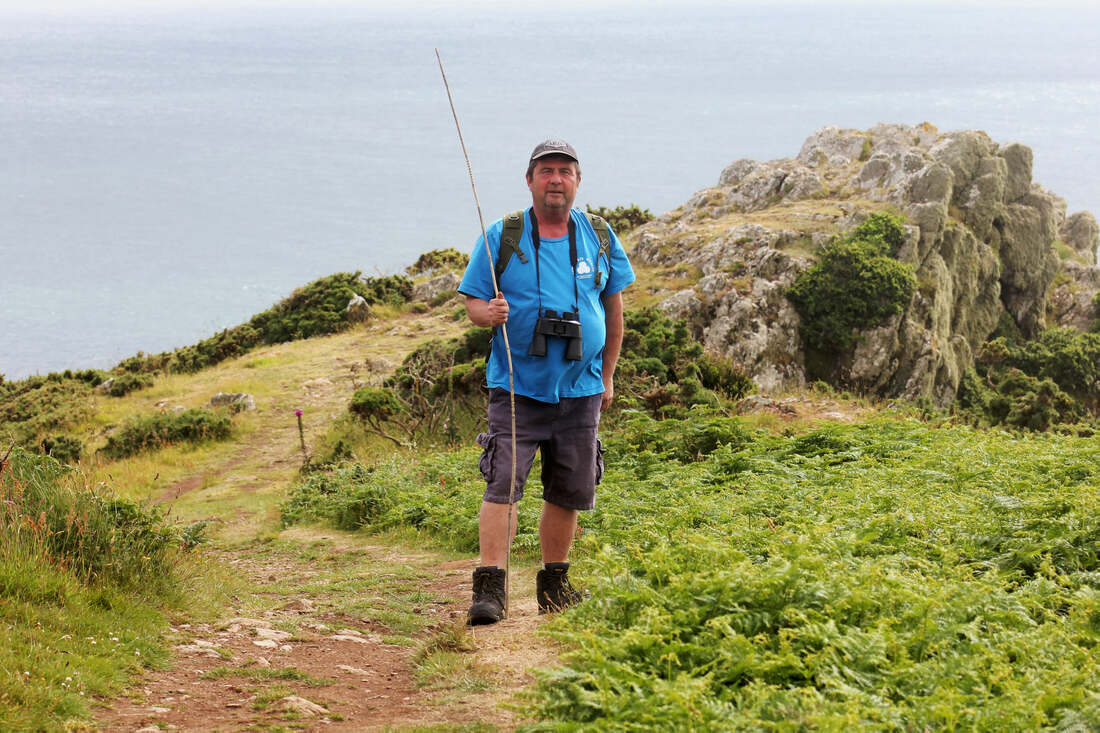
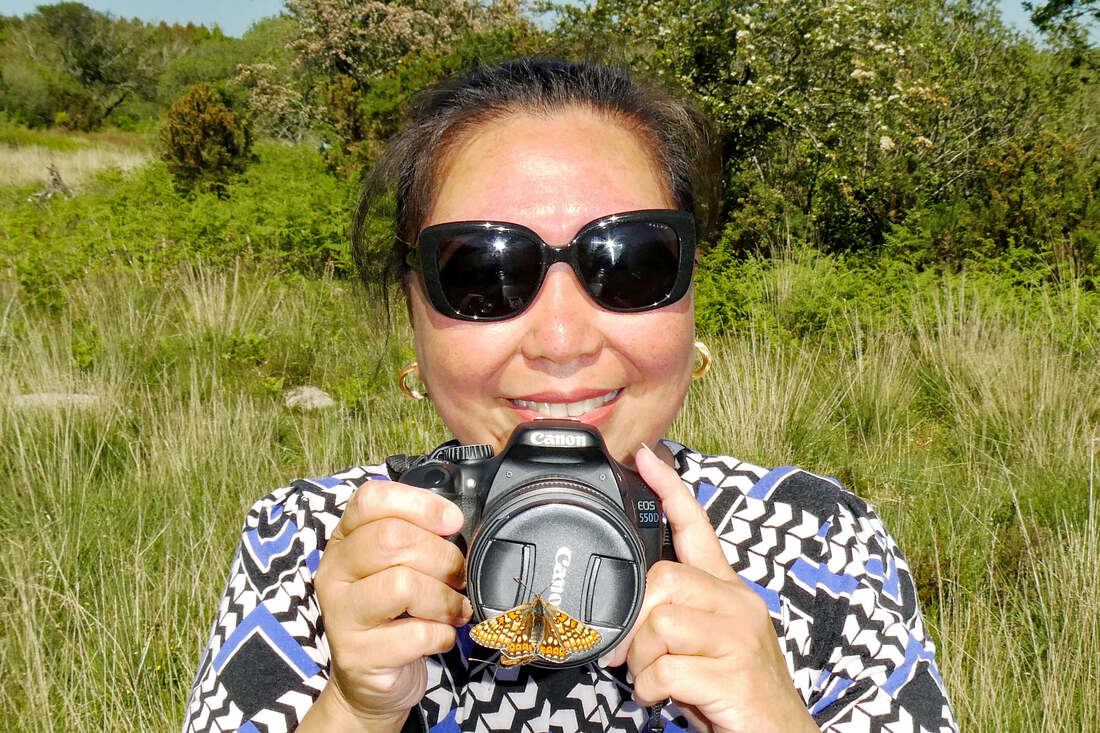
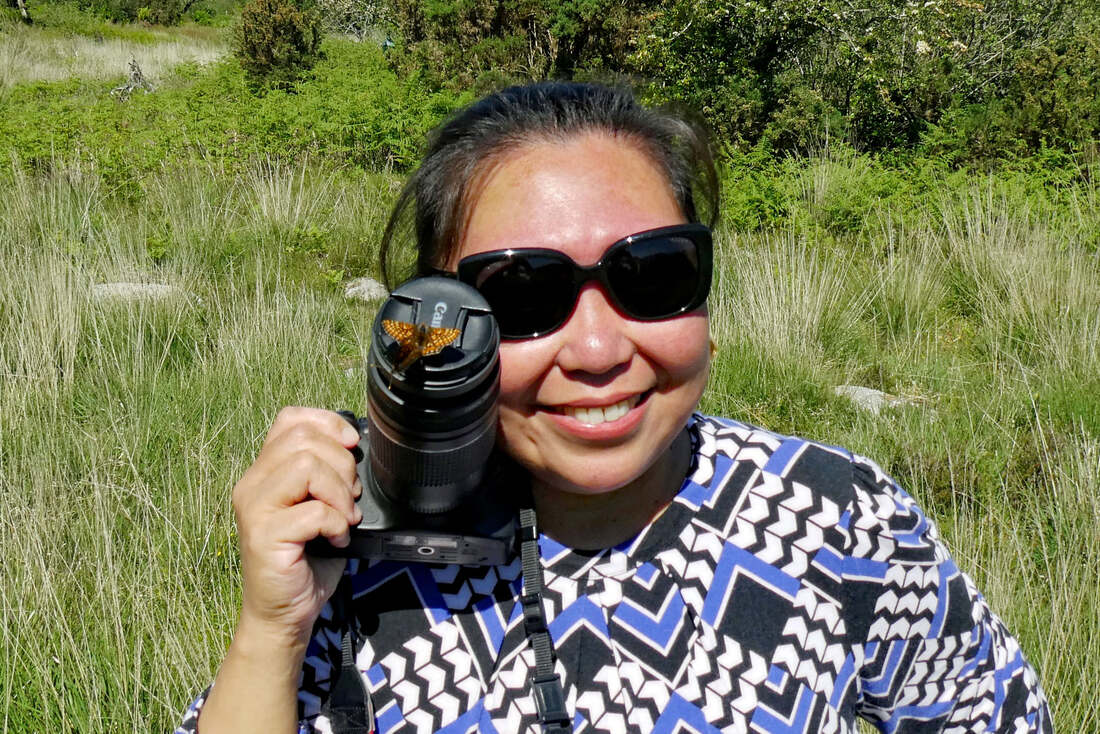
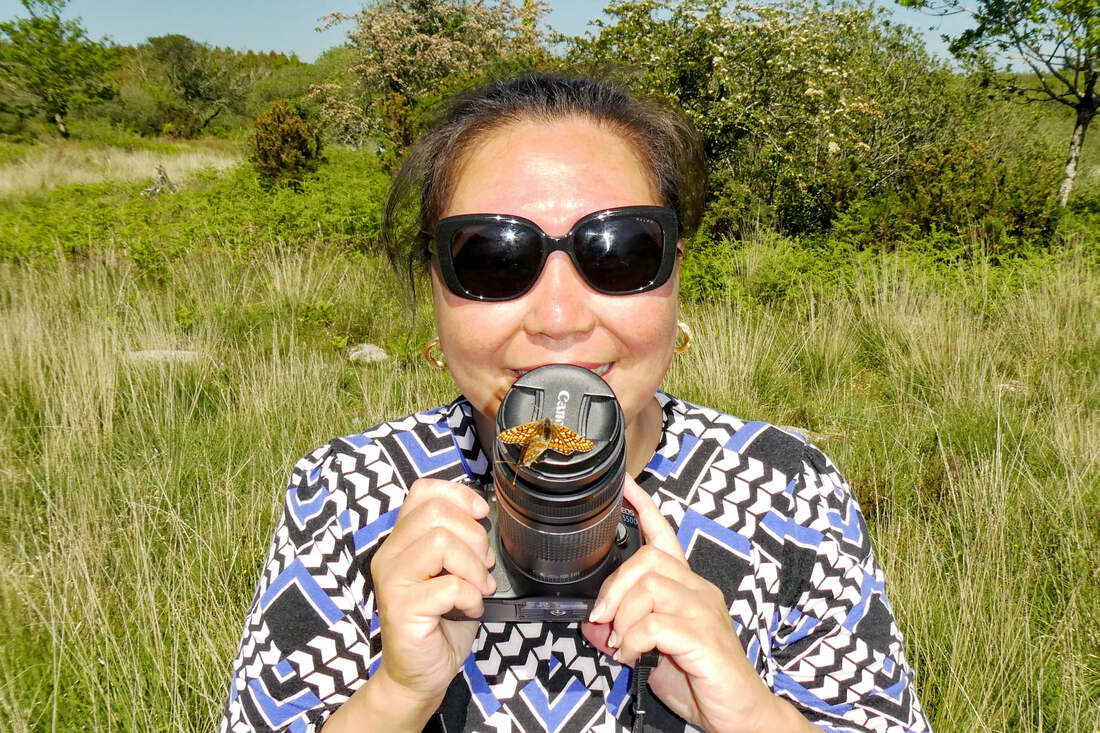
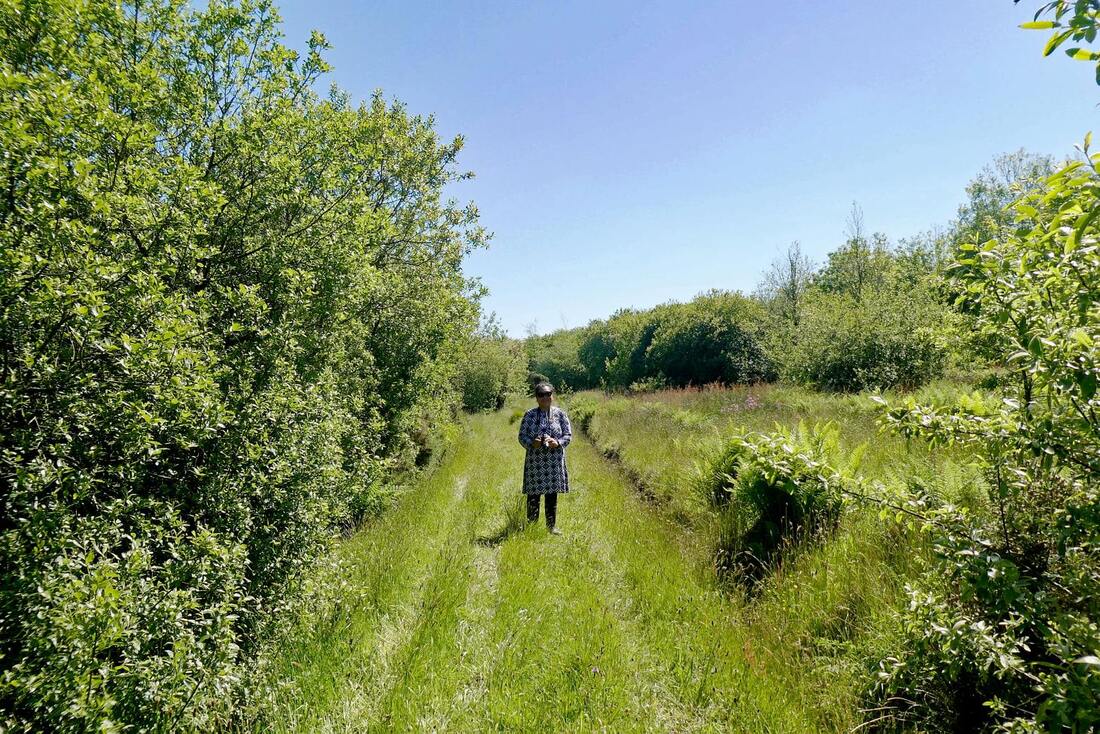
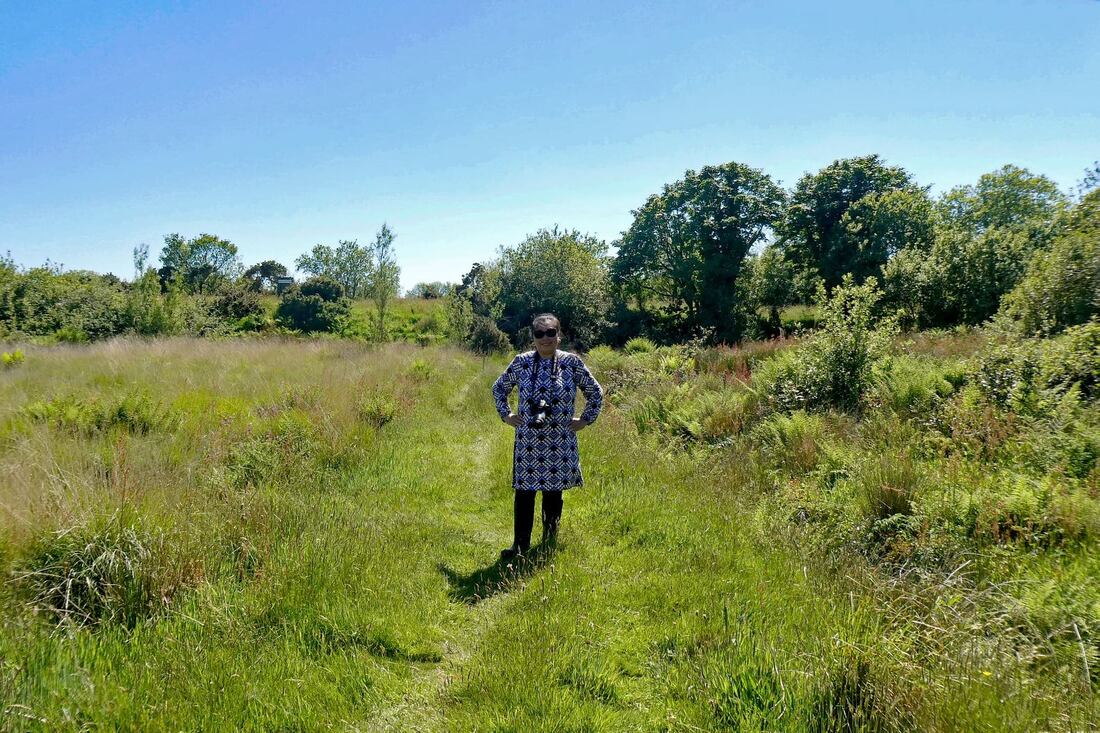
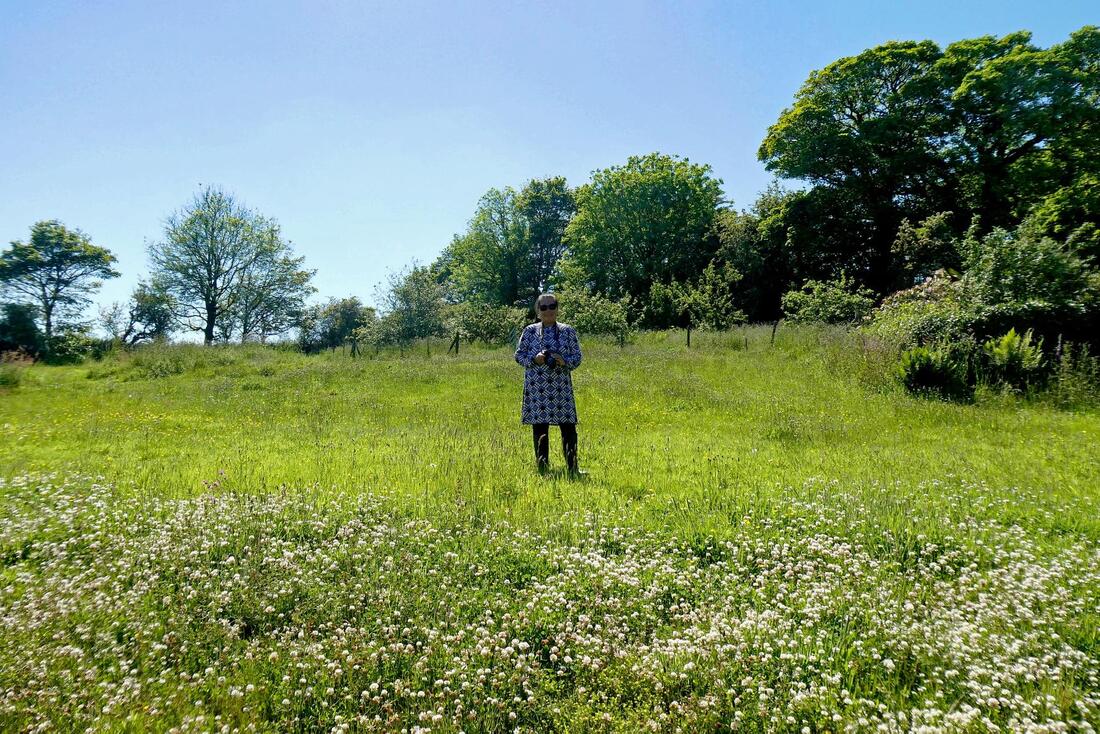
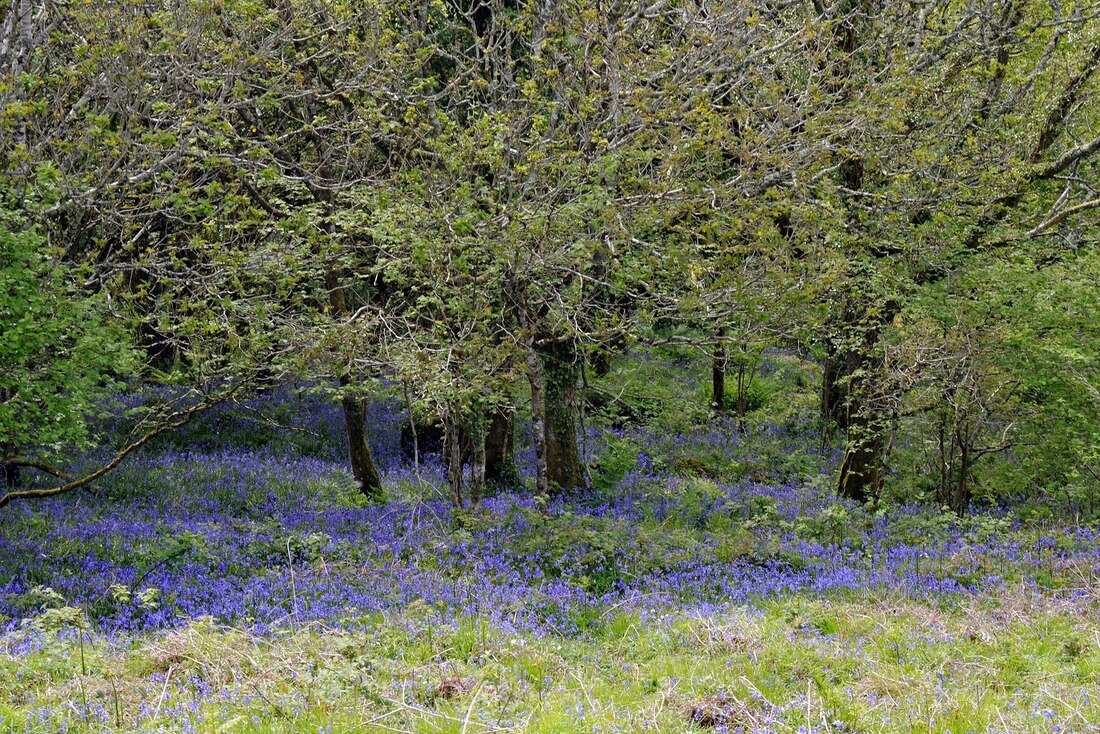
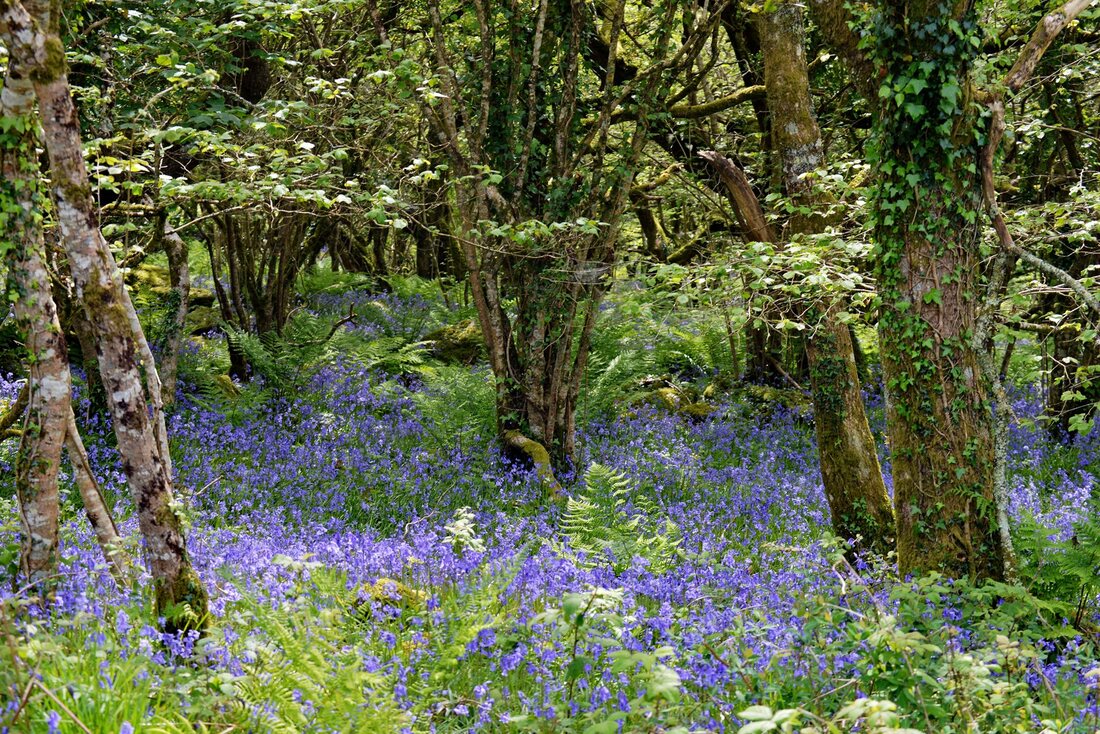
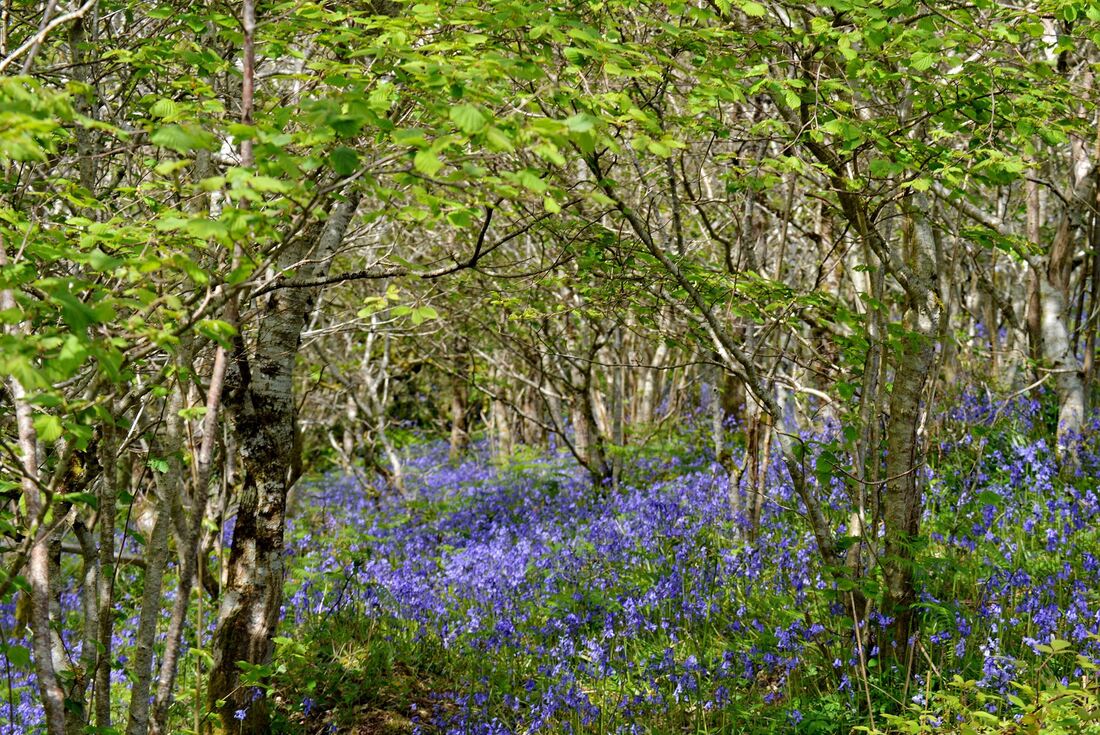
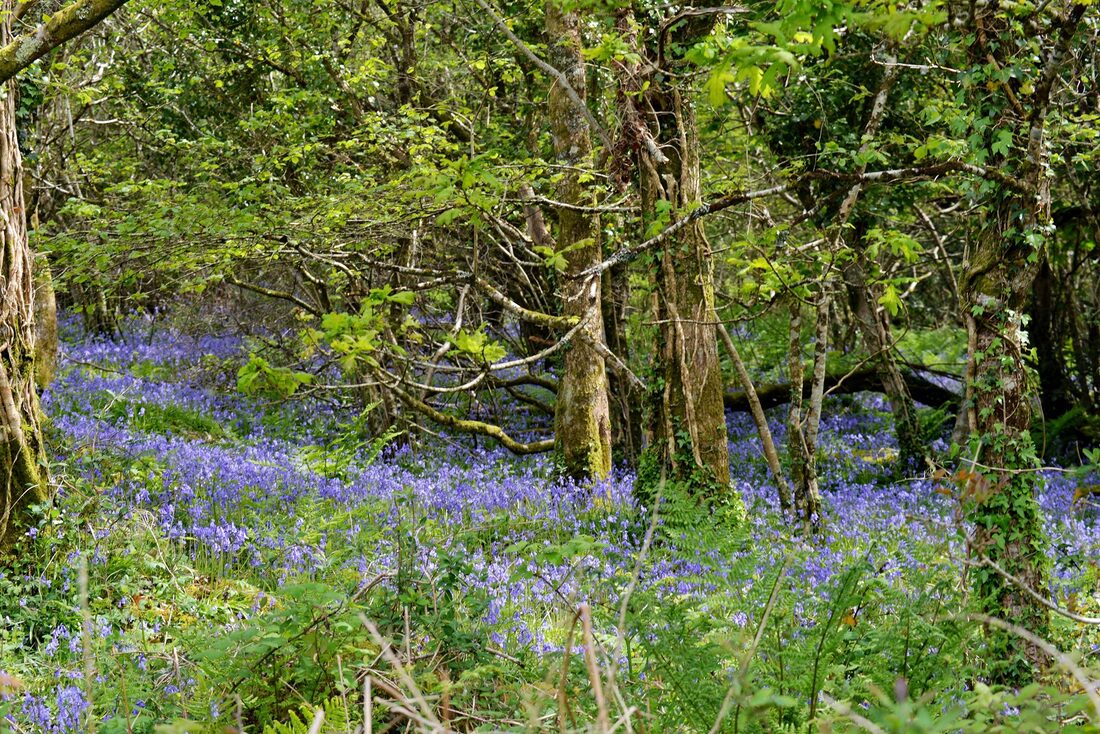
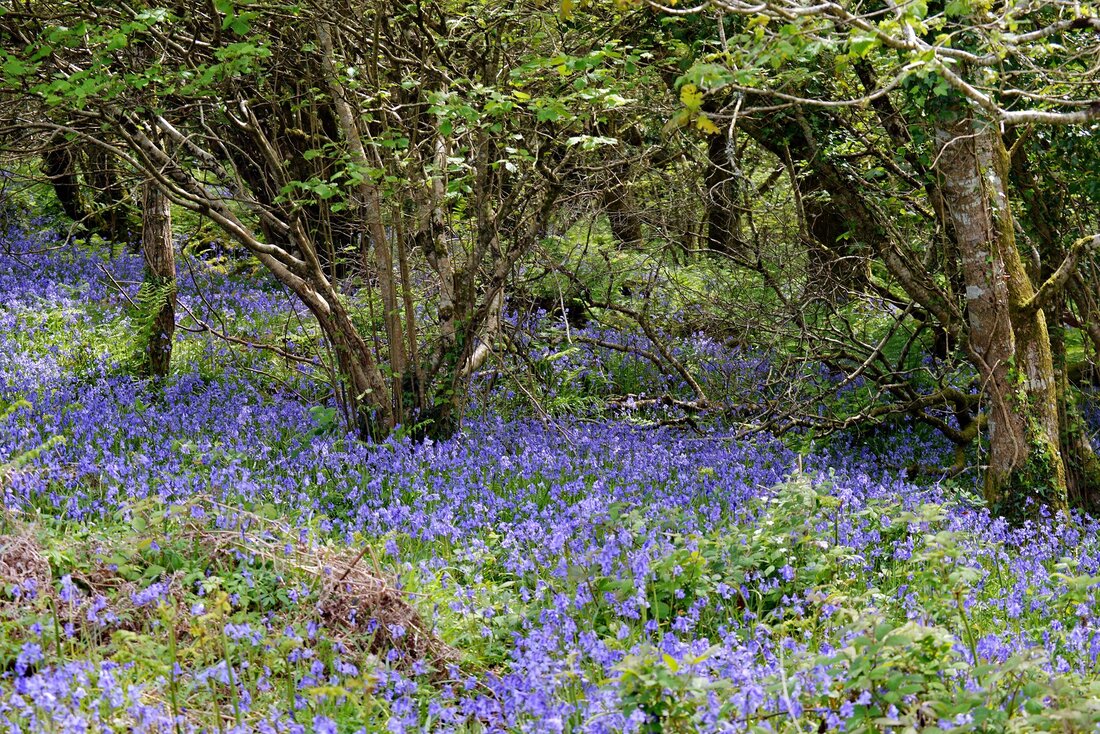
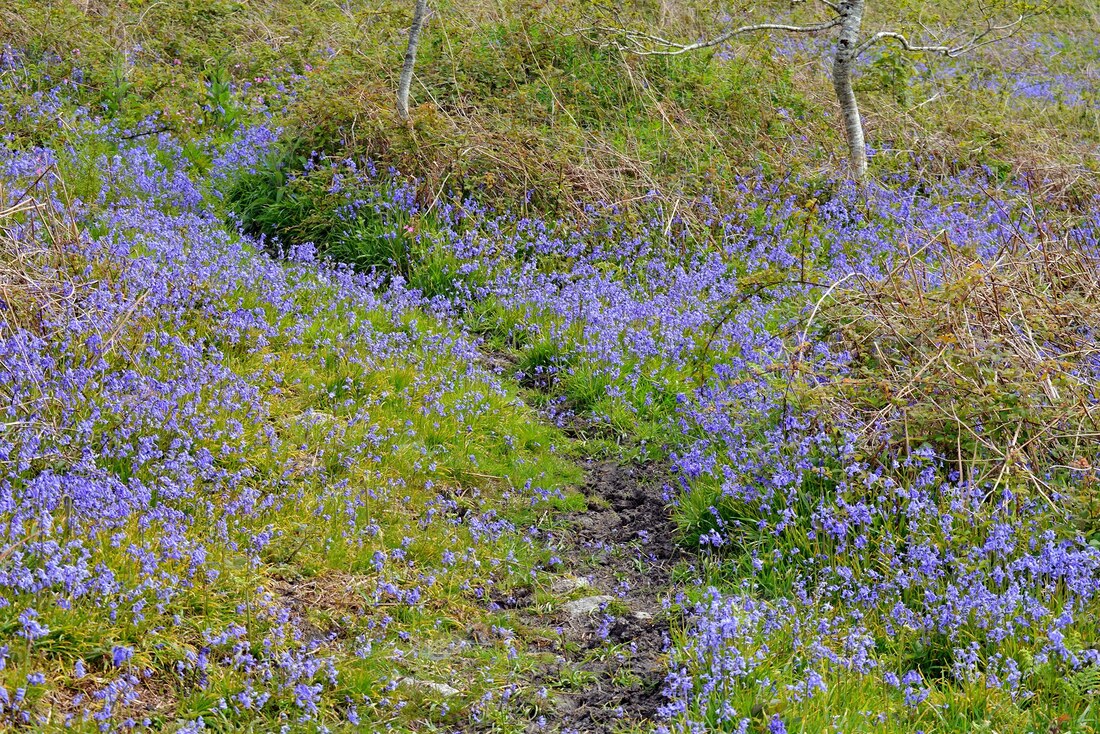
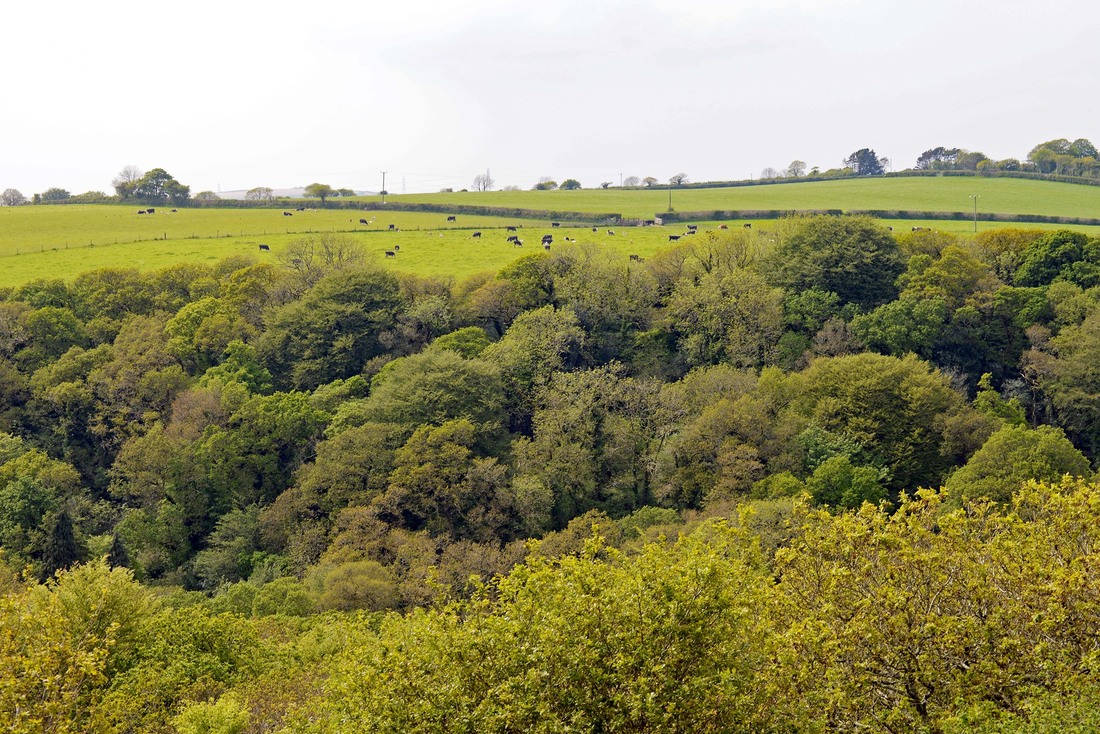
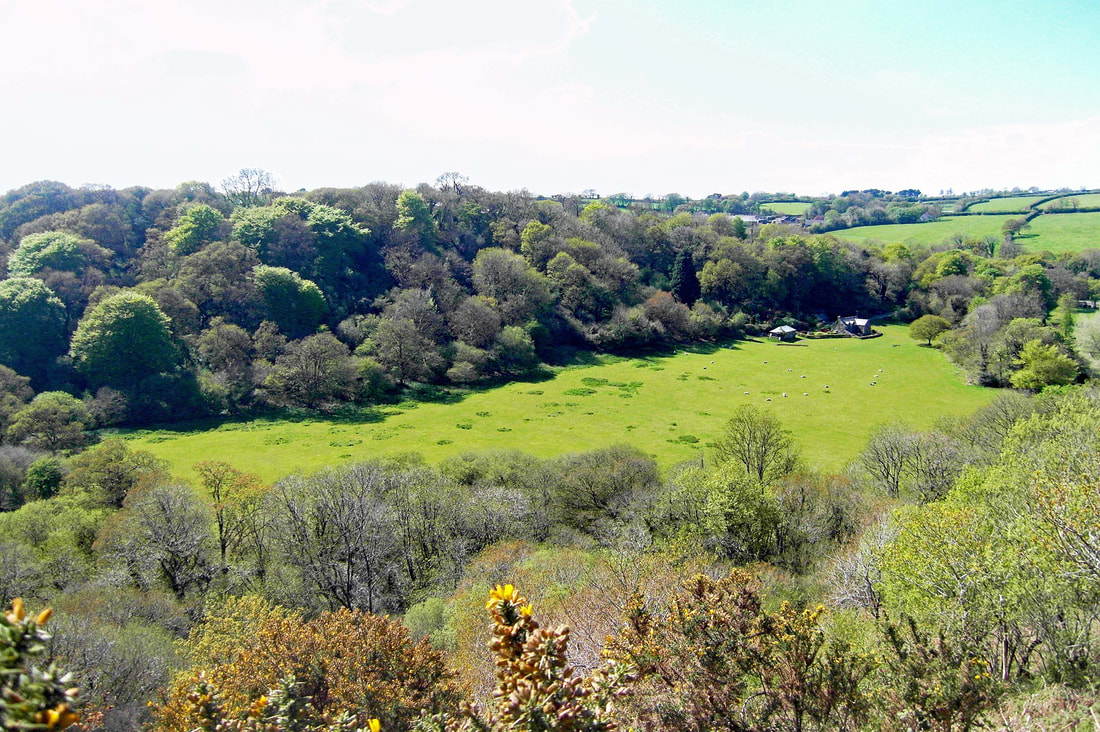
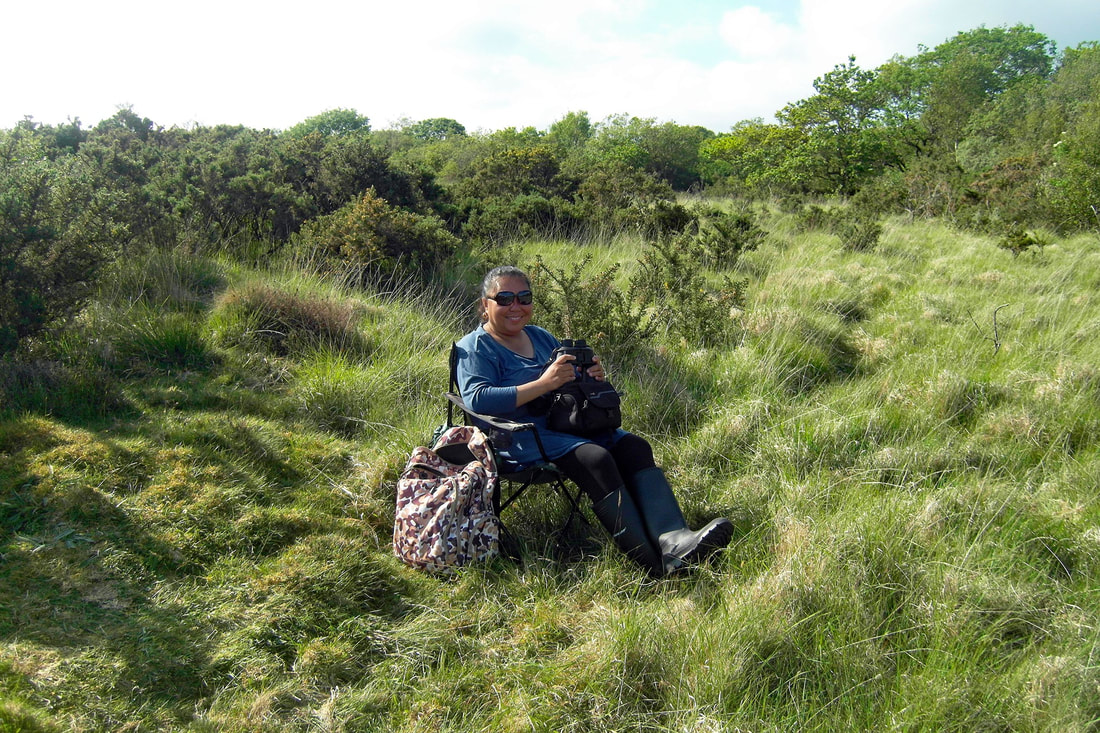
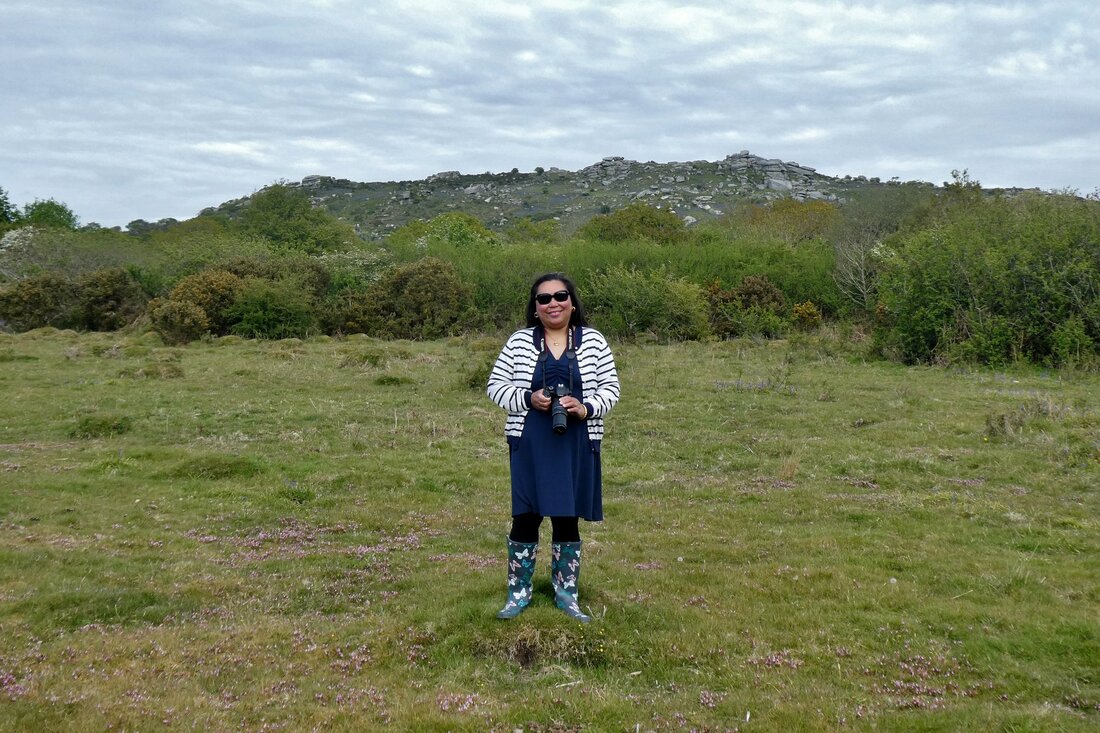
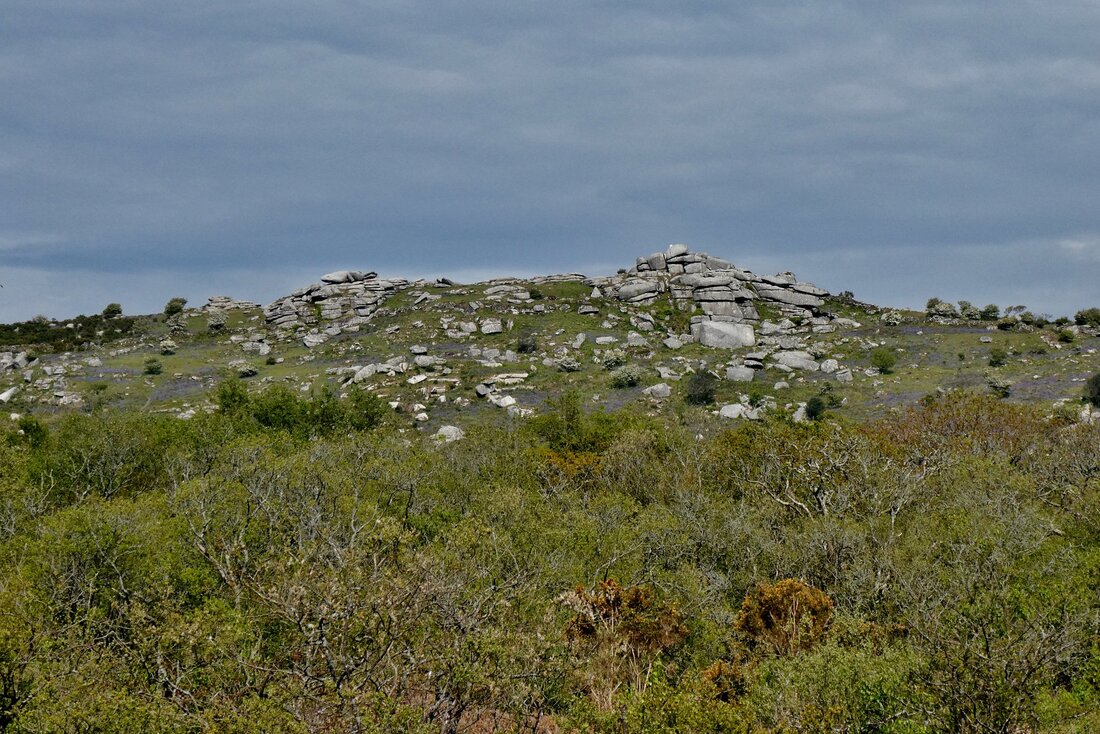
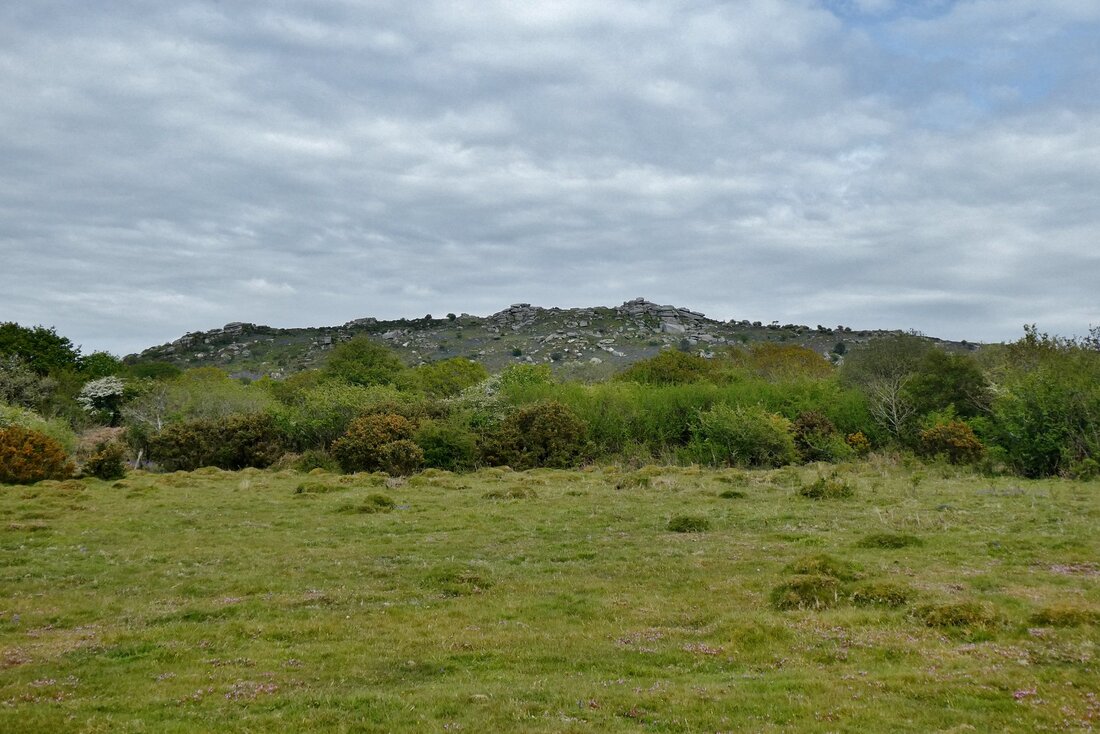
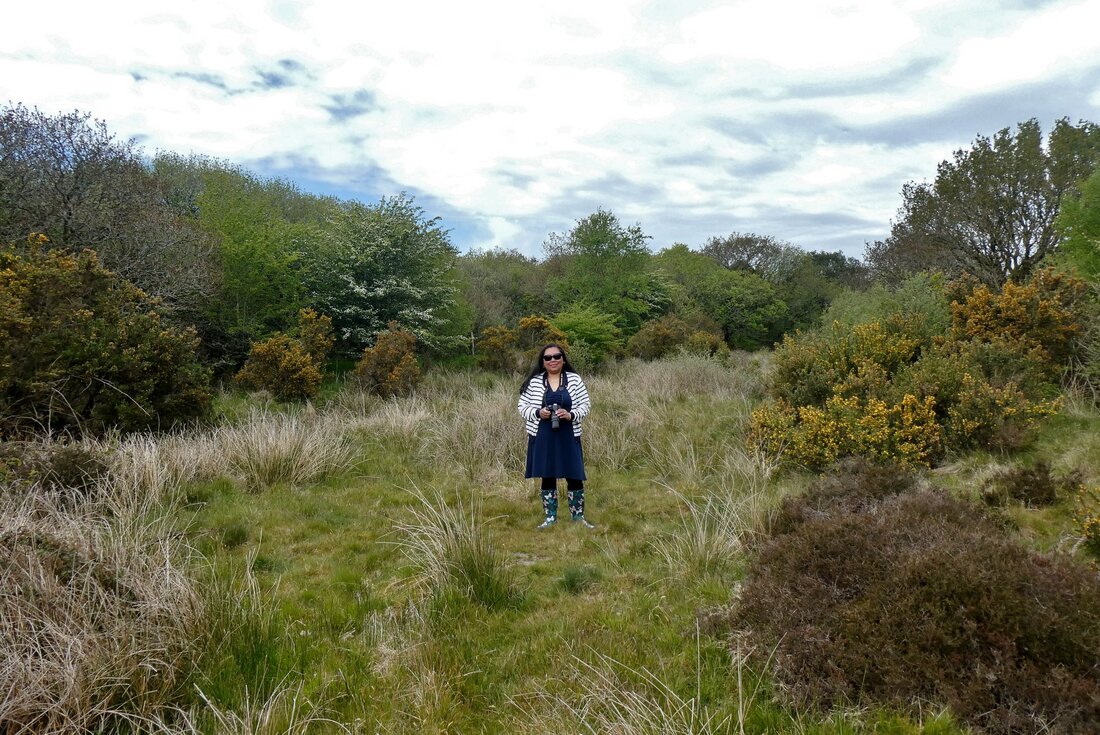
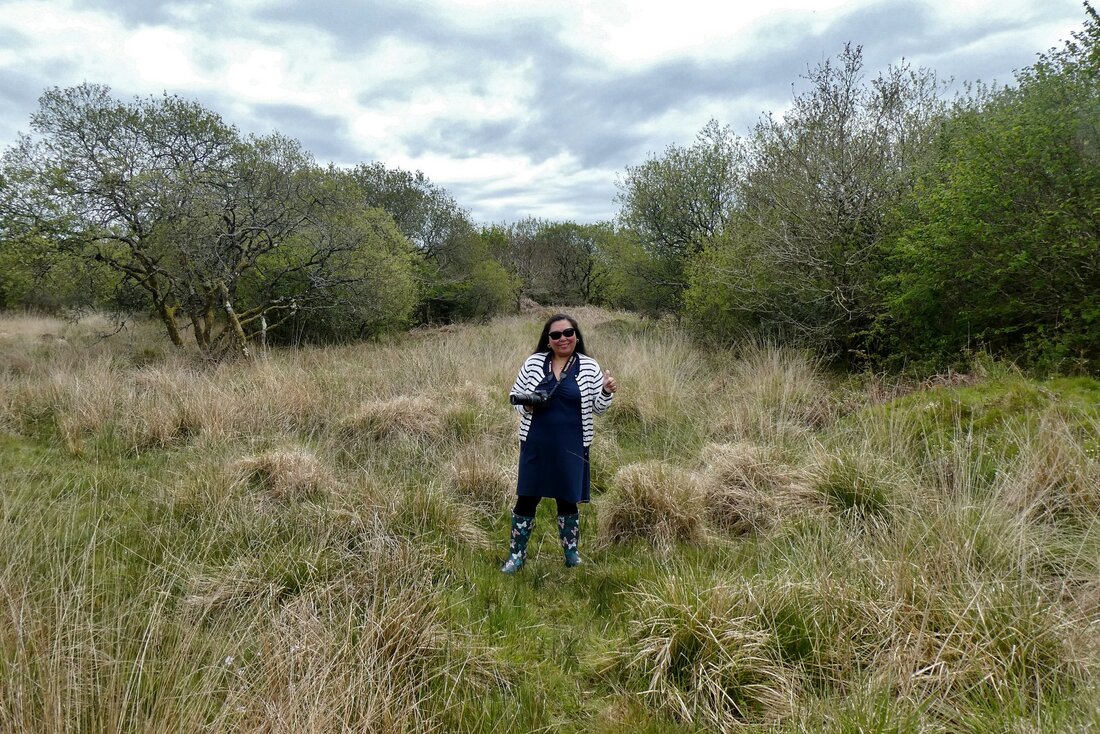
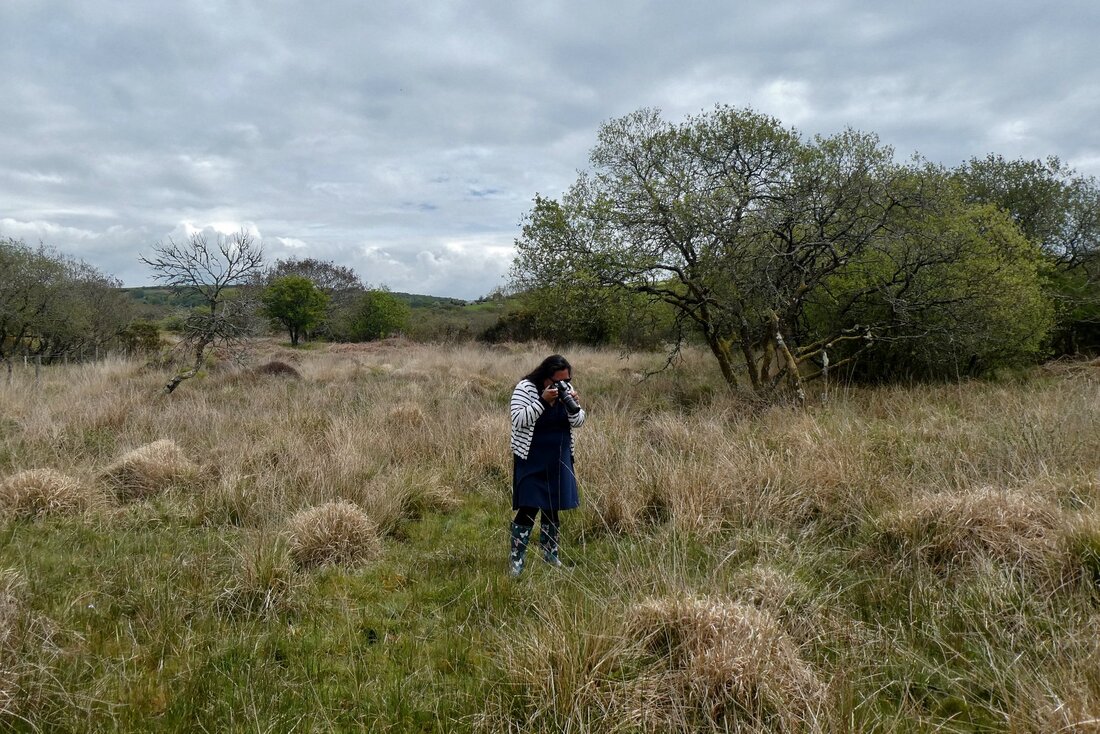
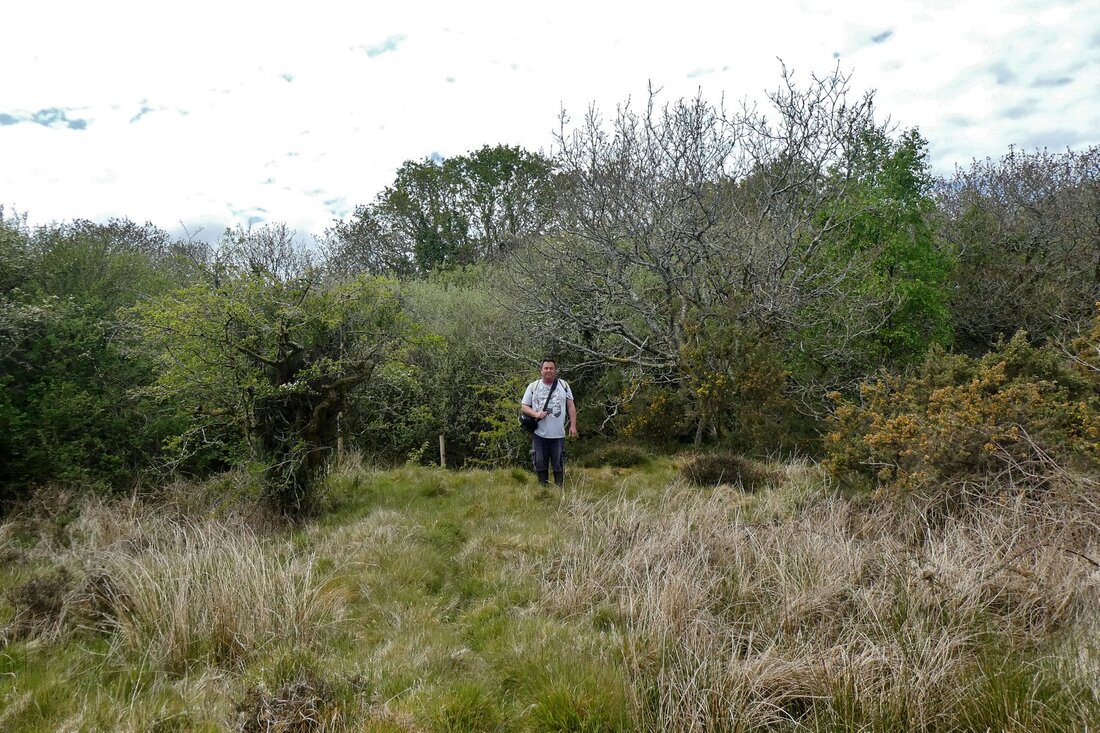
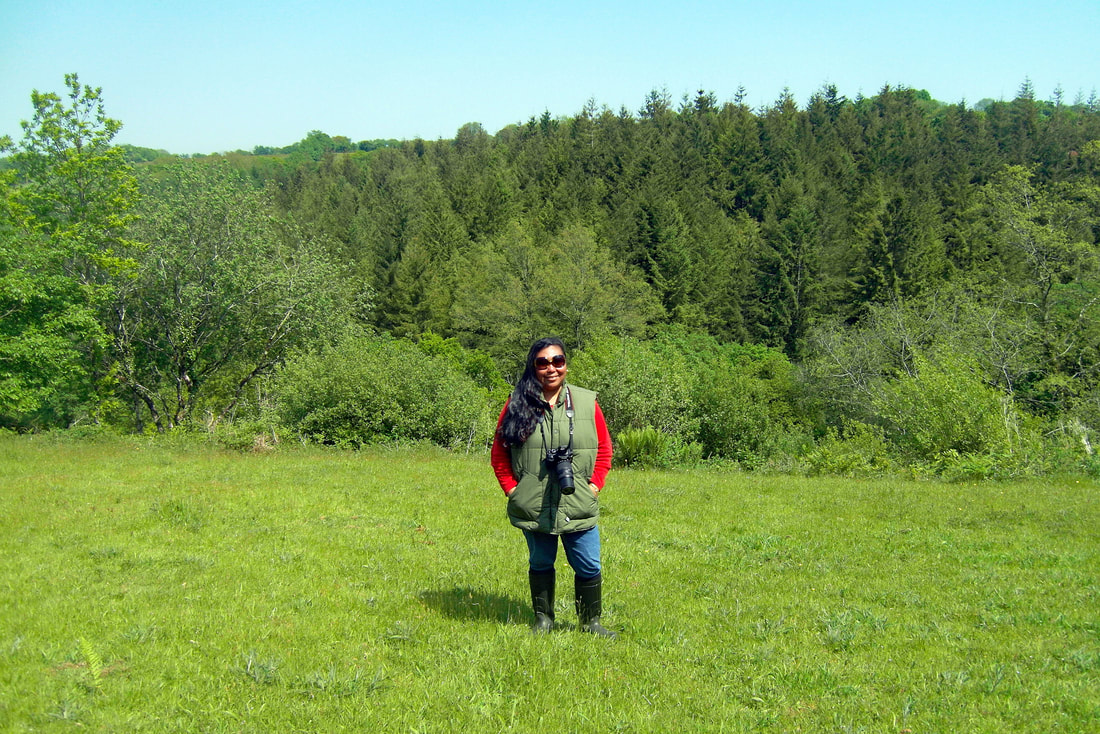
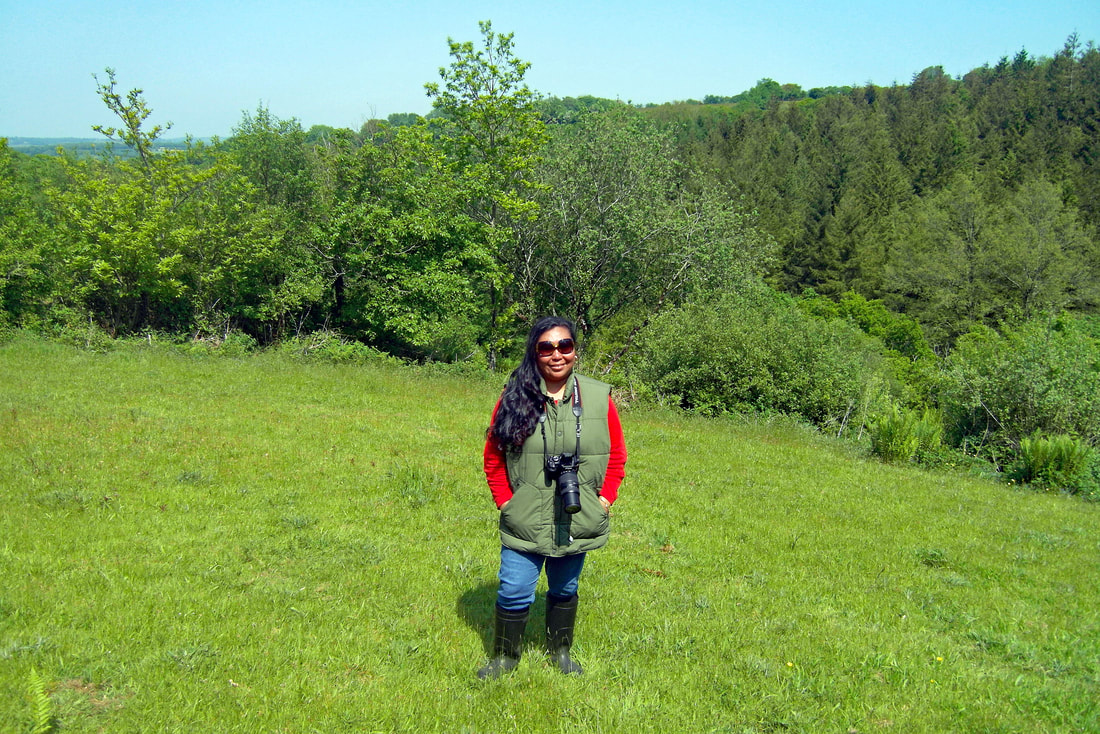
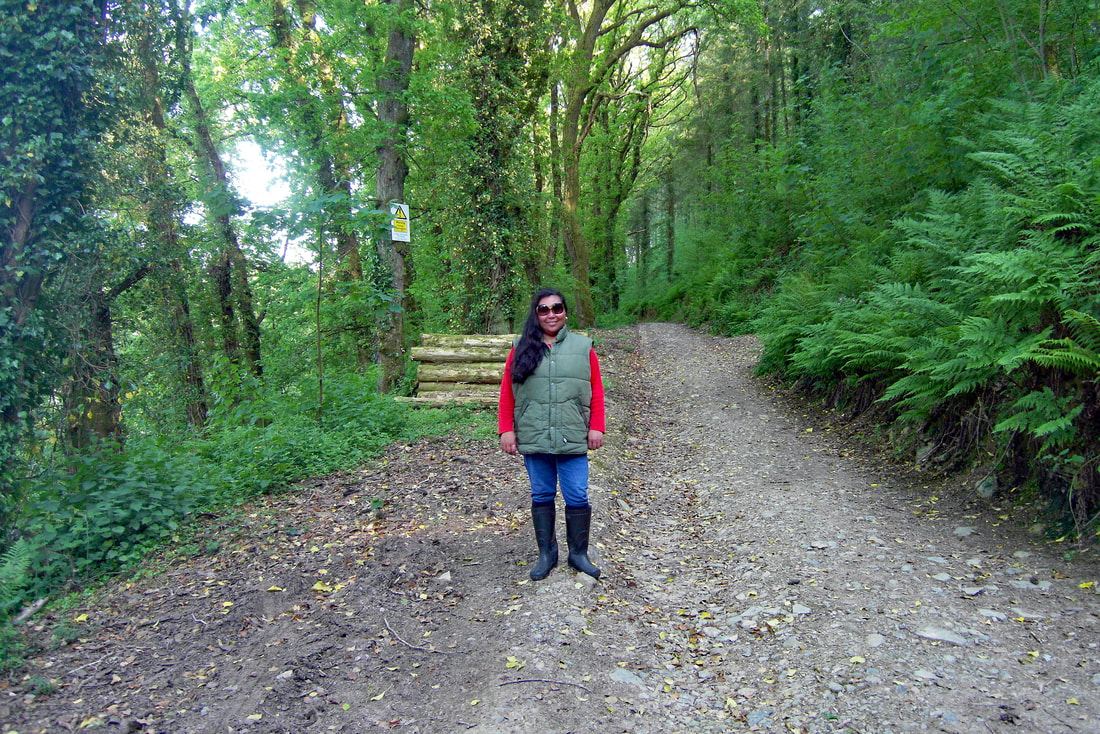
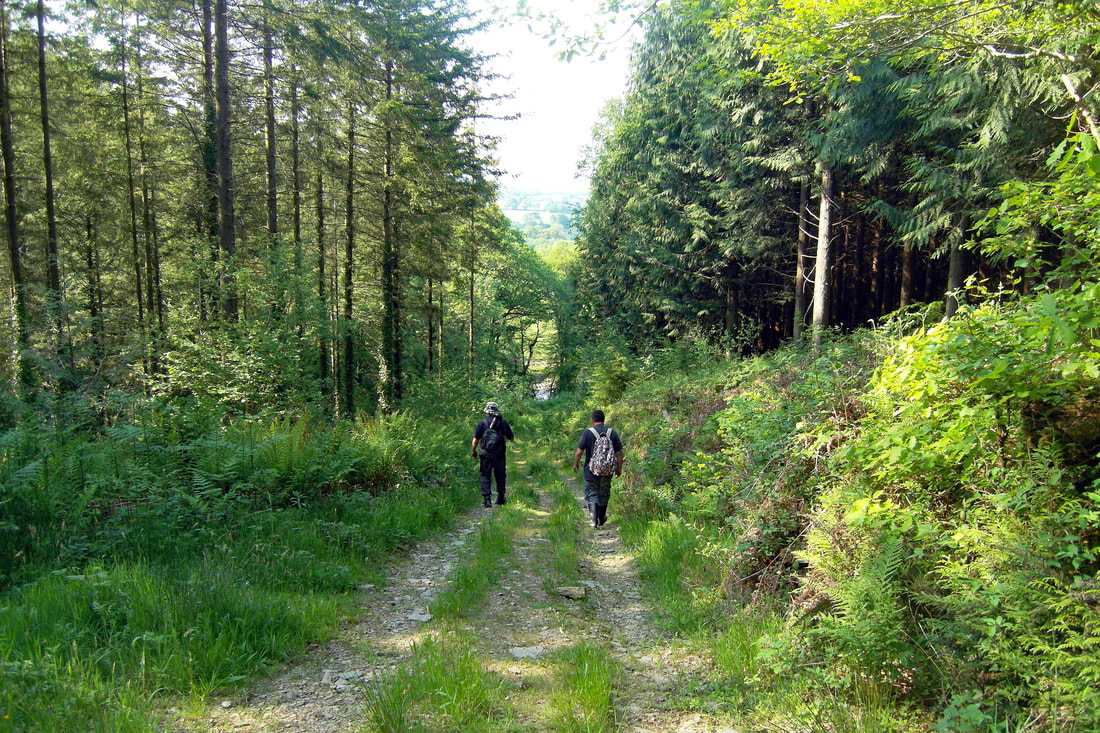
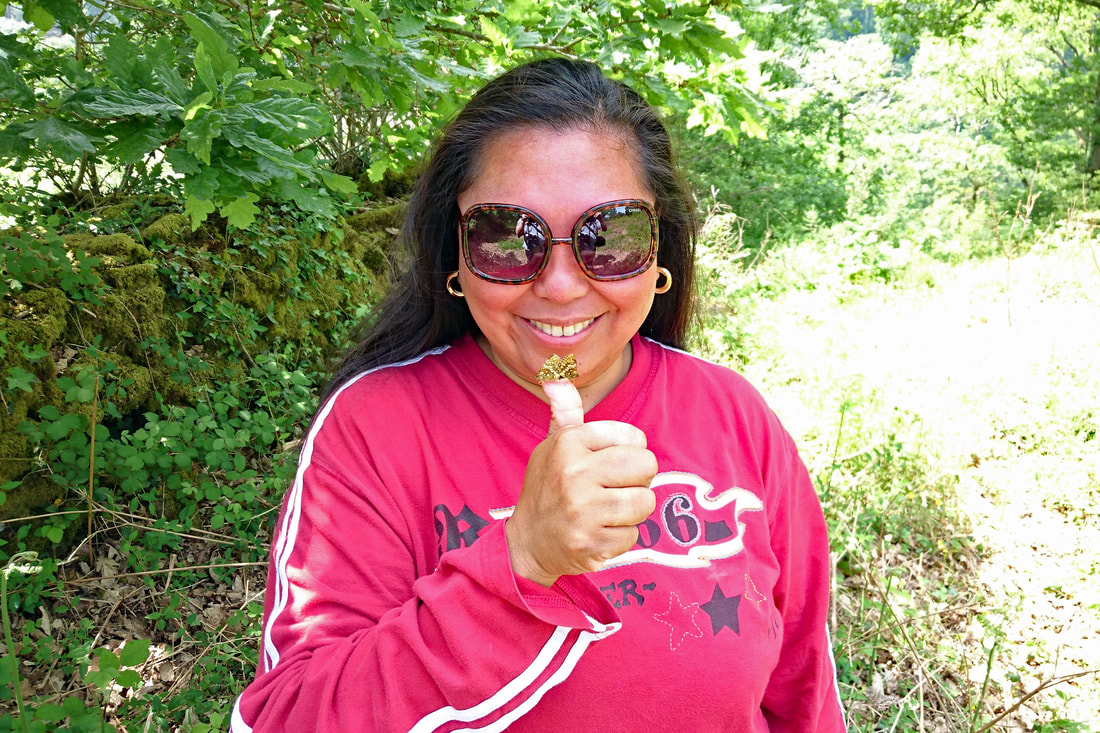
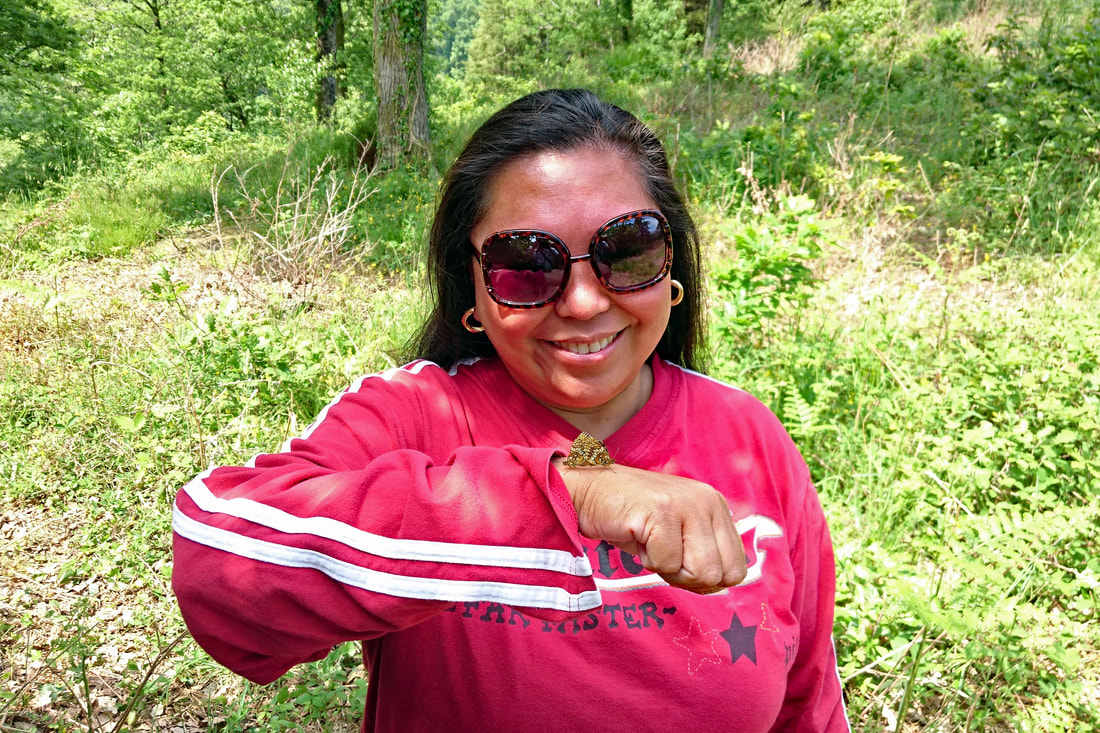
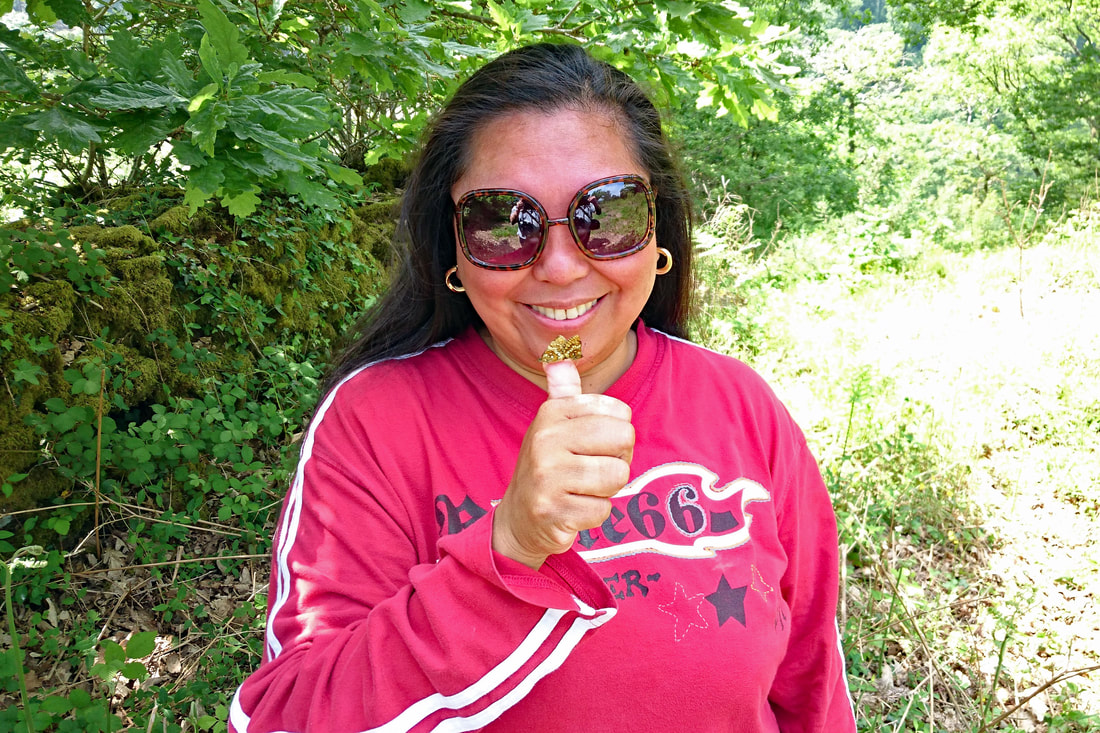
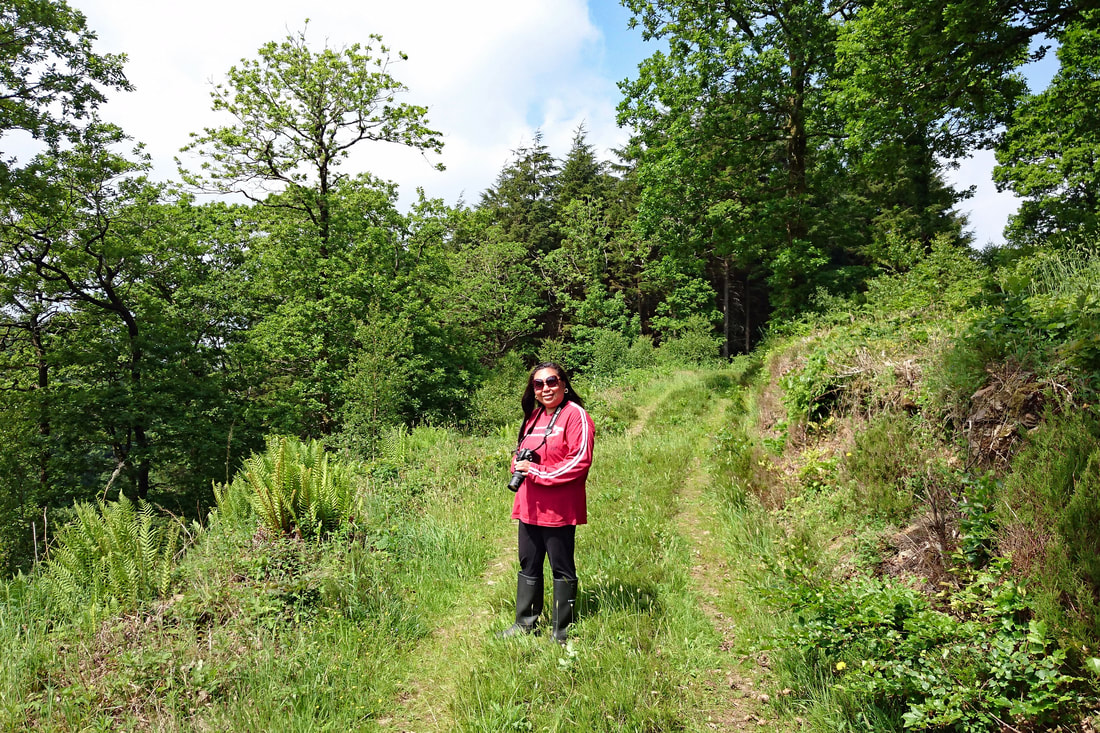
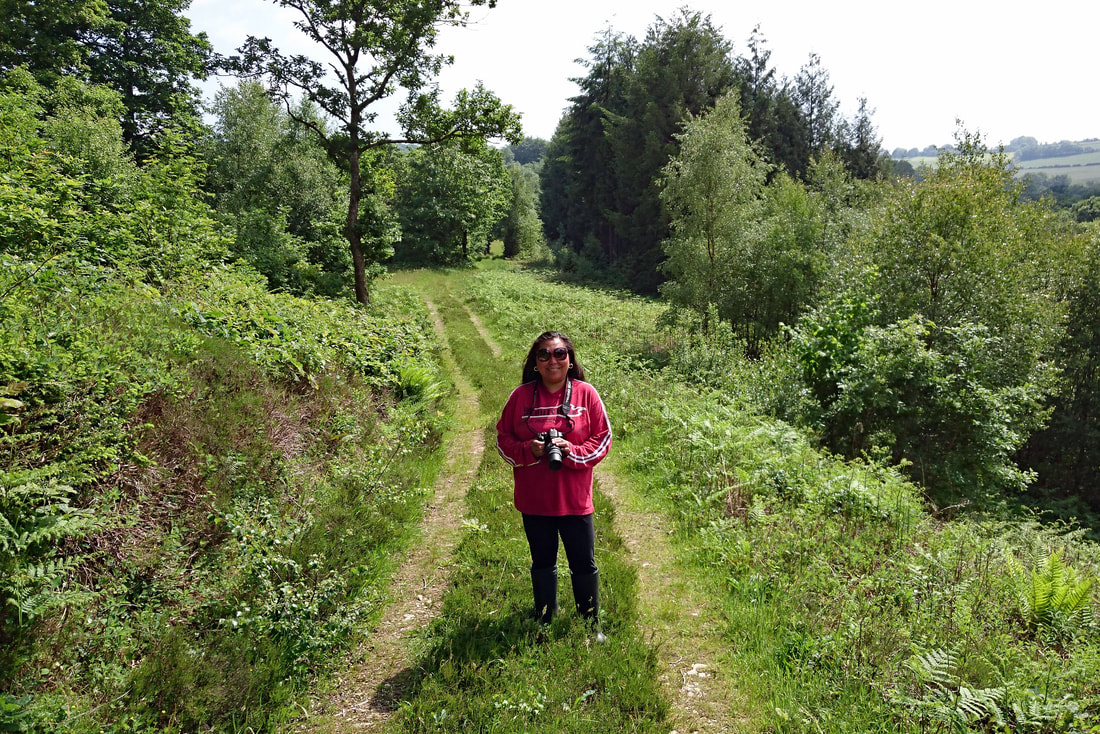
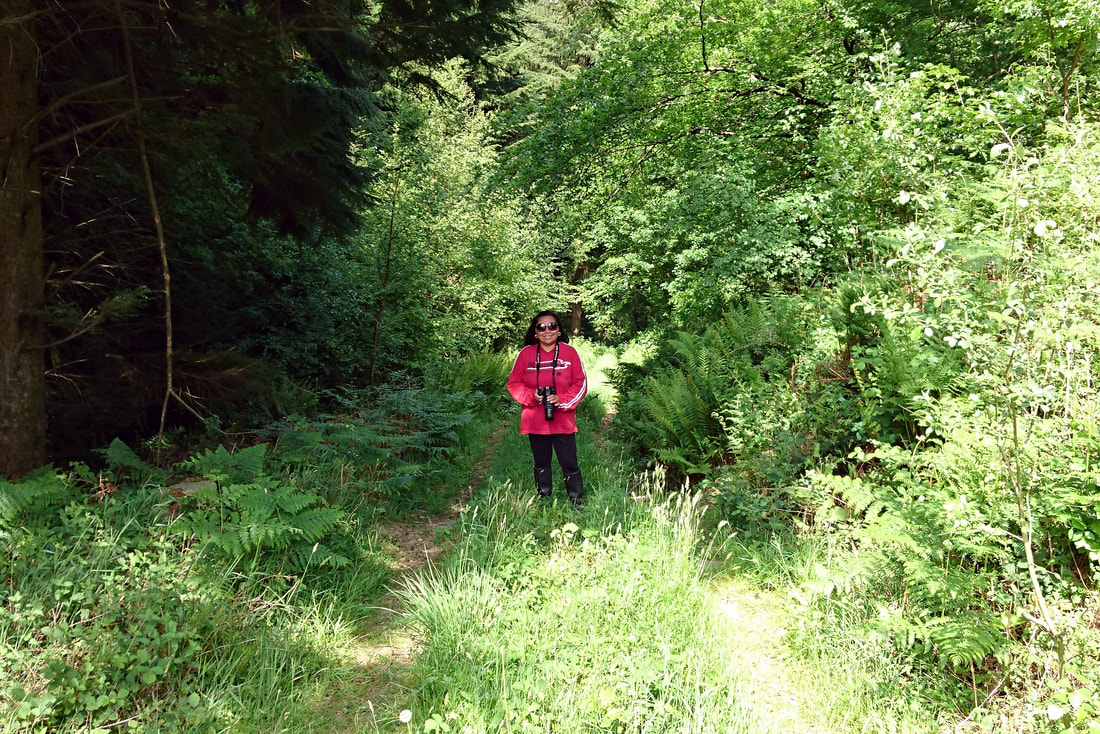
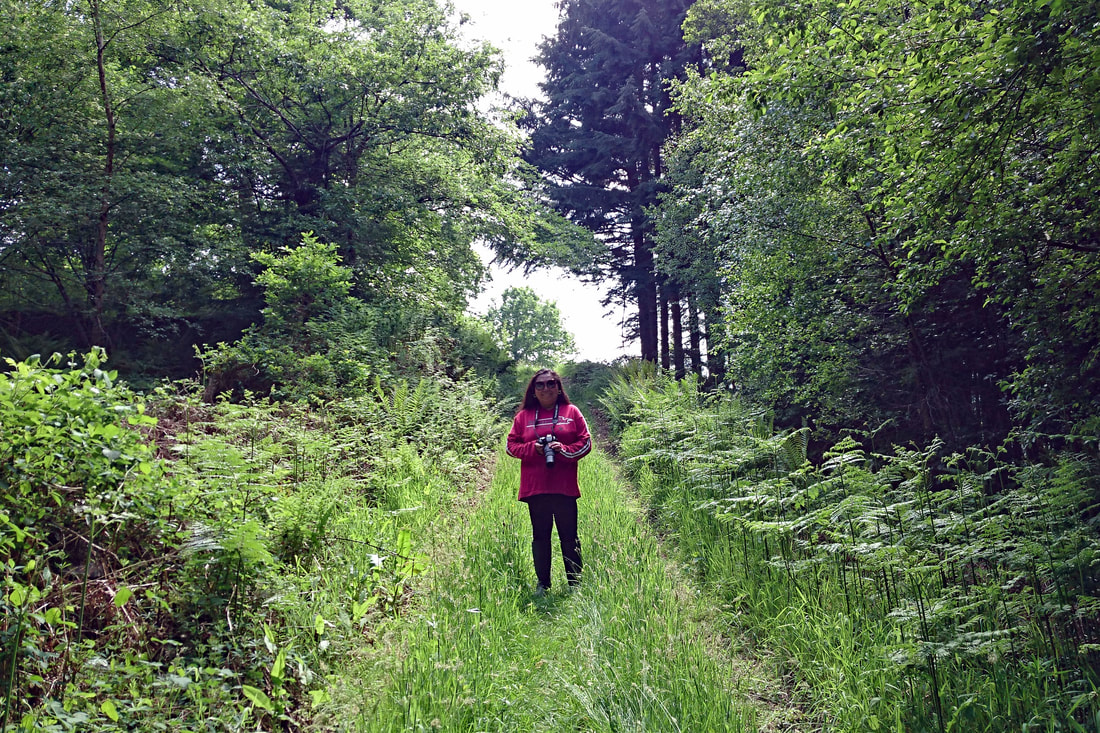
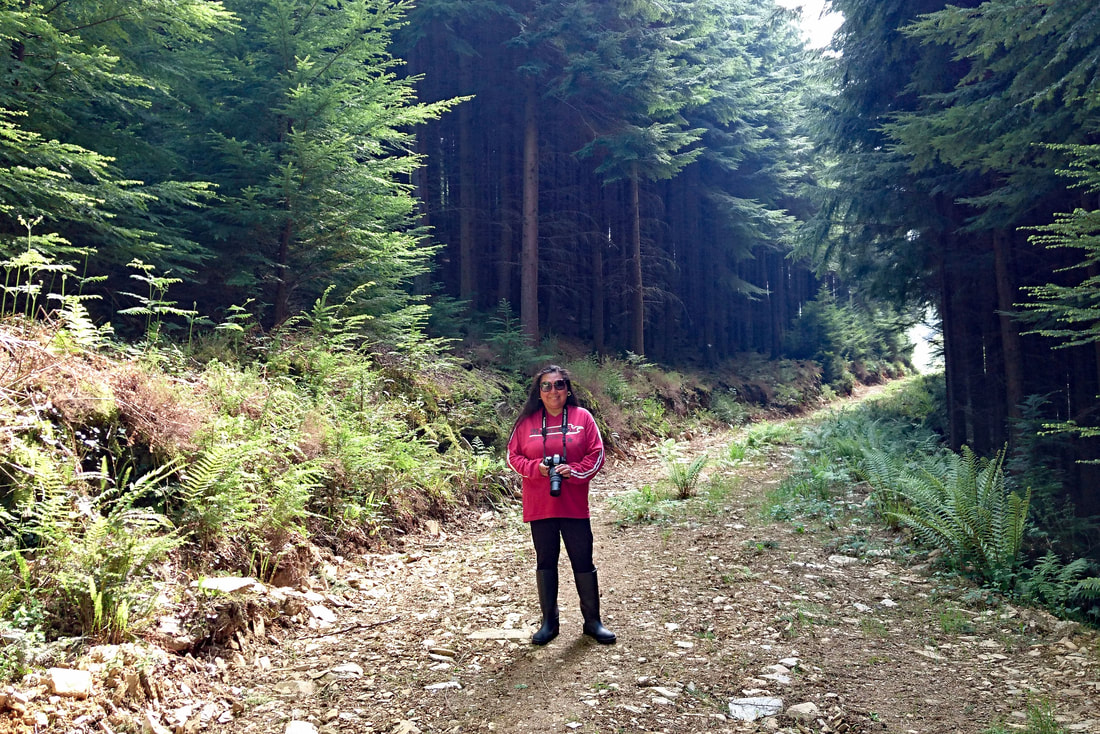
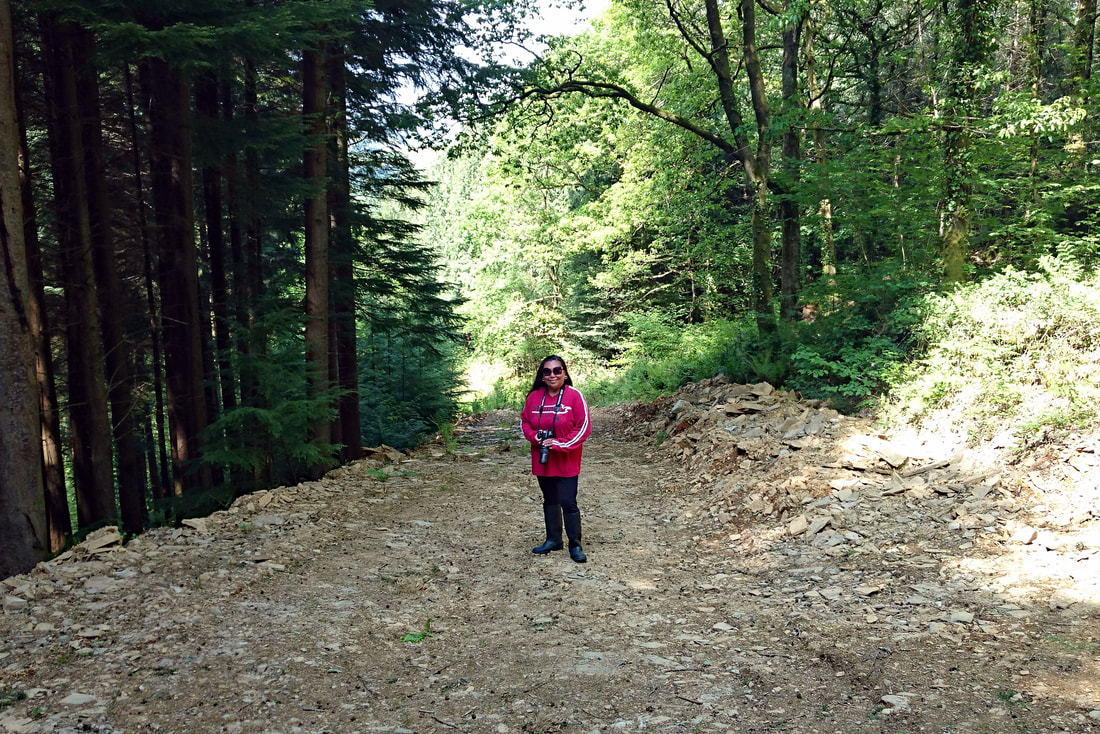
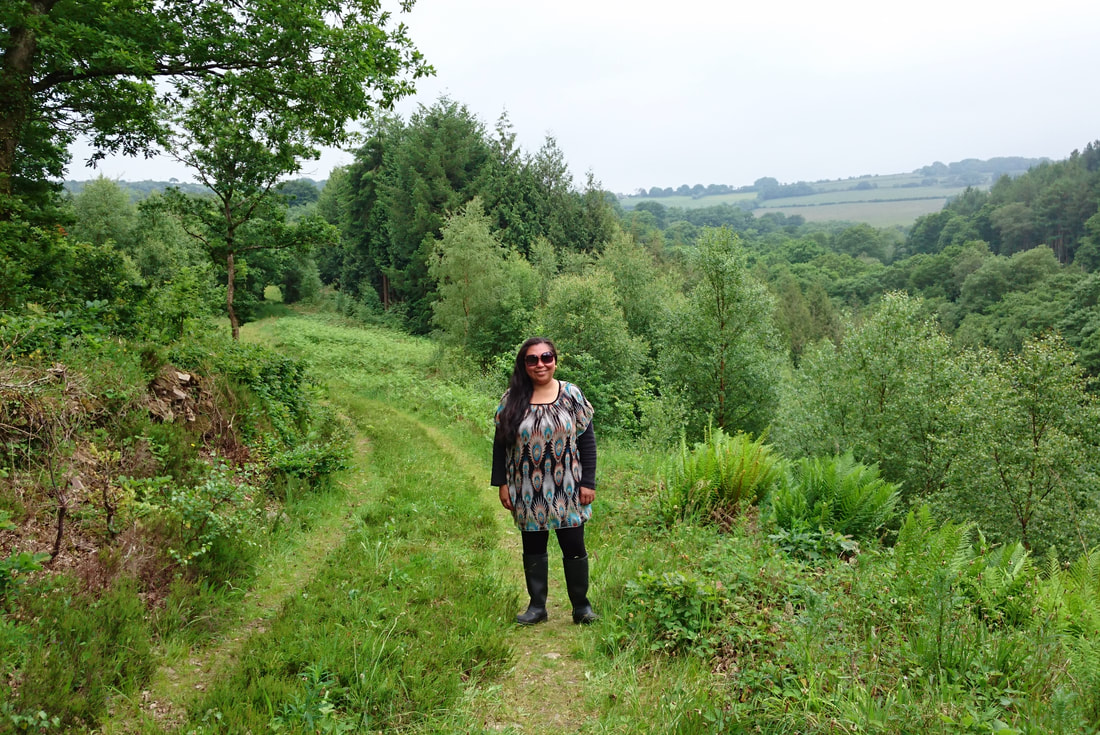
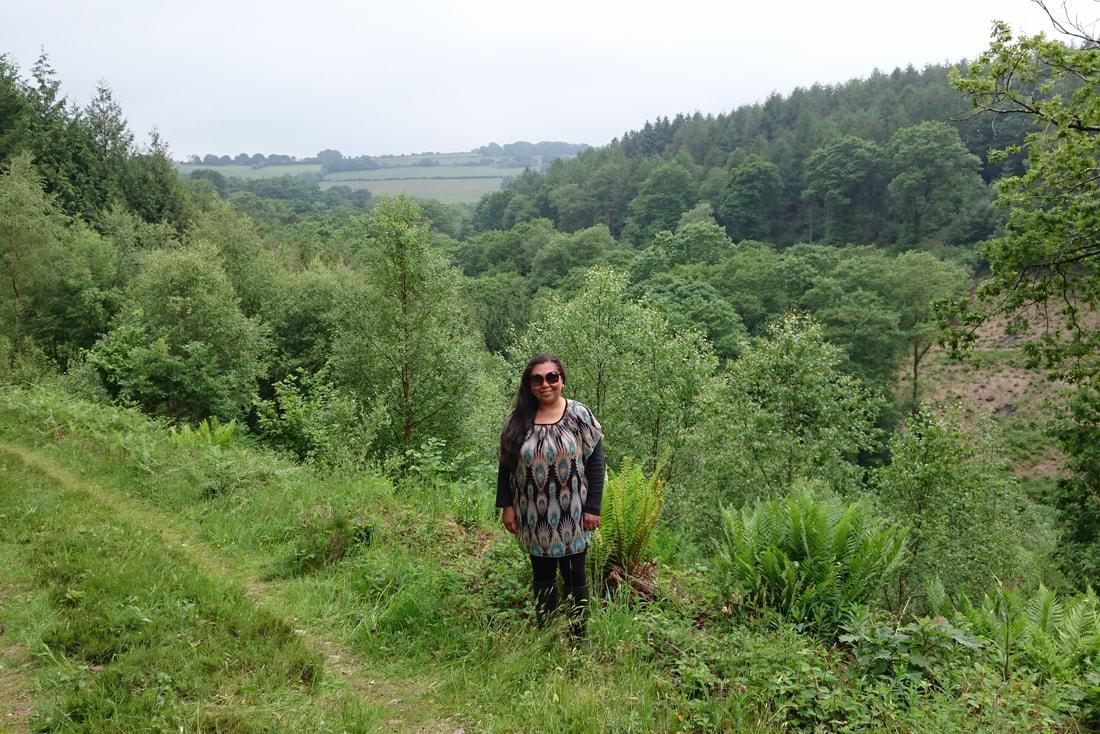
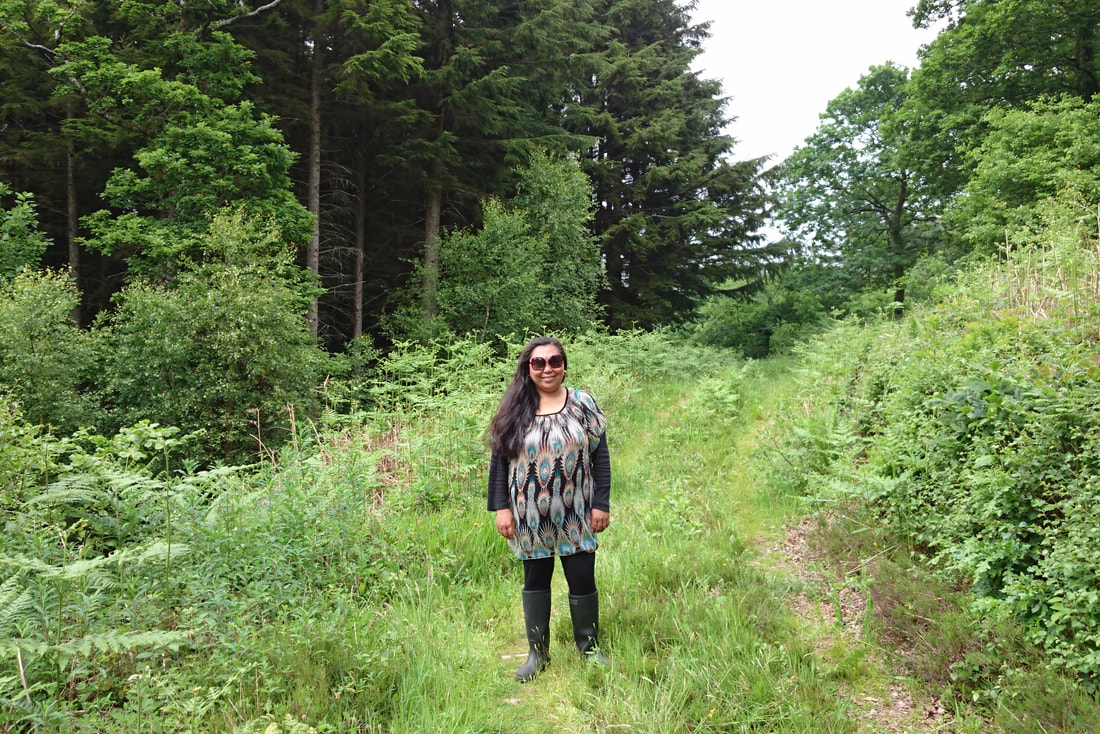
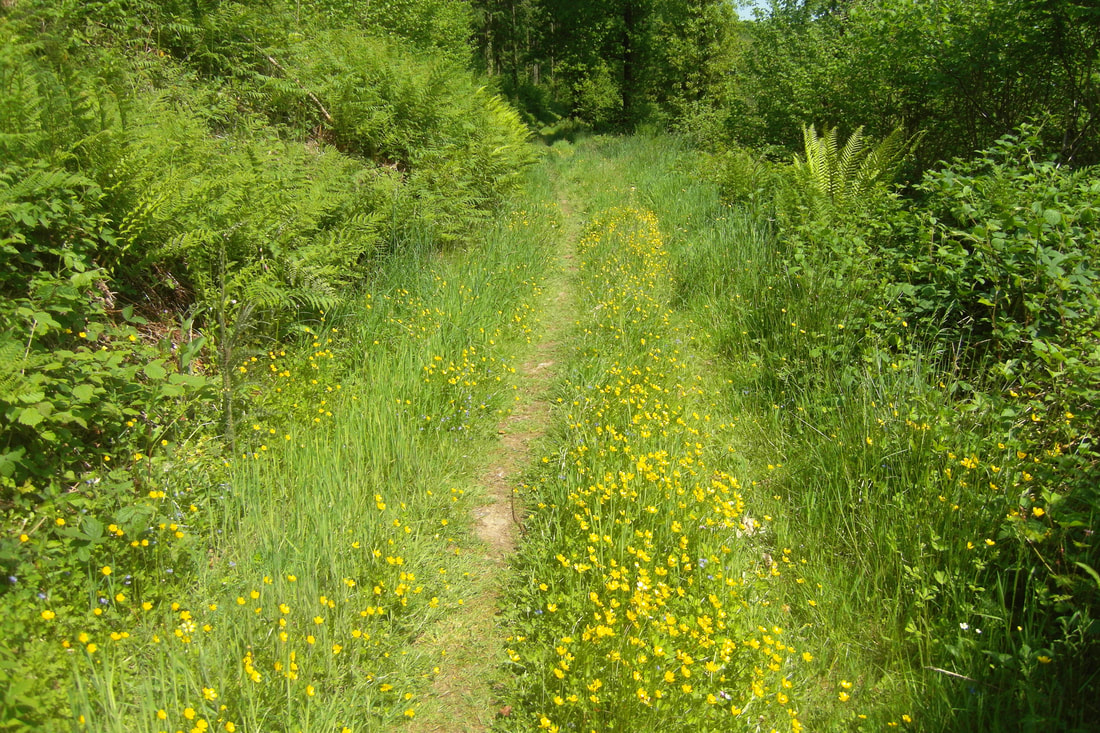
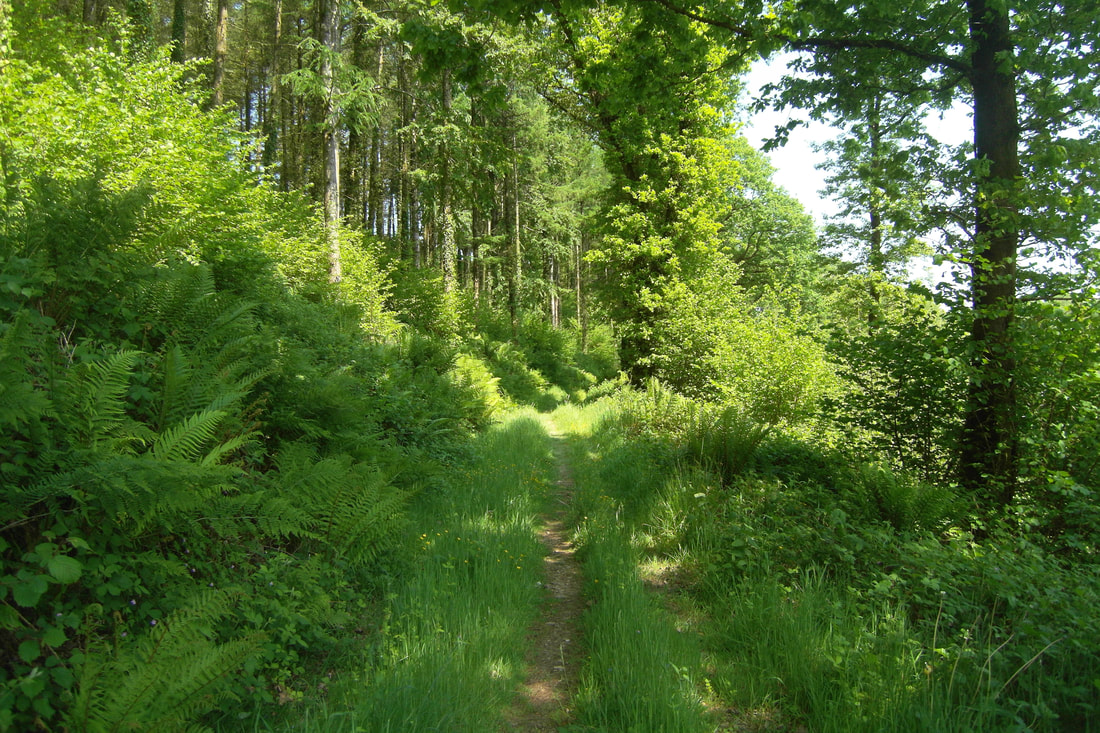
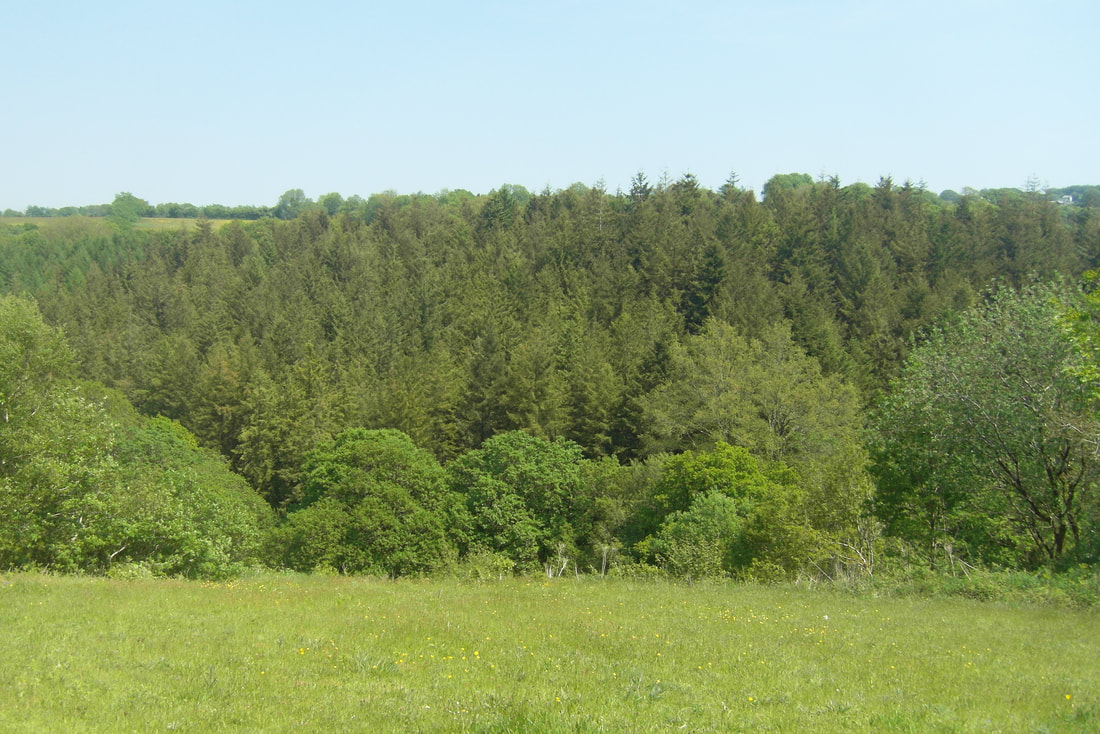
Great day out! Nature and wildlife walk in Kings Wood, Clay Area and St Mewan Beacon. Long, lovely and enjoyable walk.So delighted to have seen 4x Silver-washed Fritillary. It really made my day. 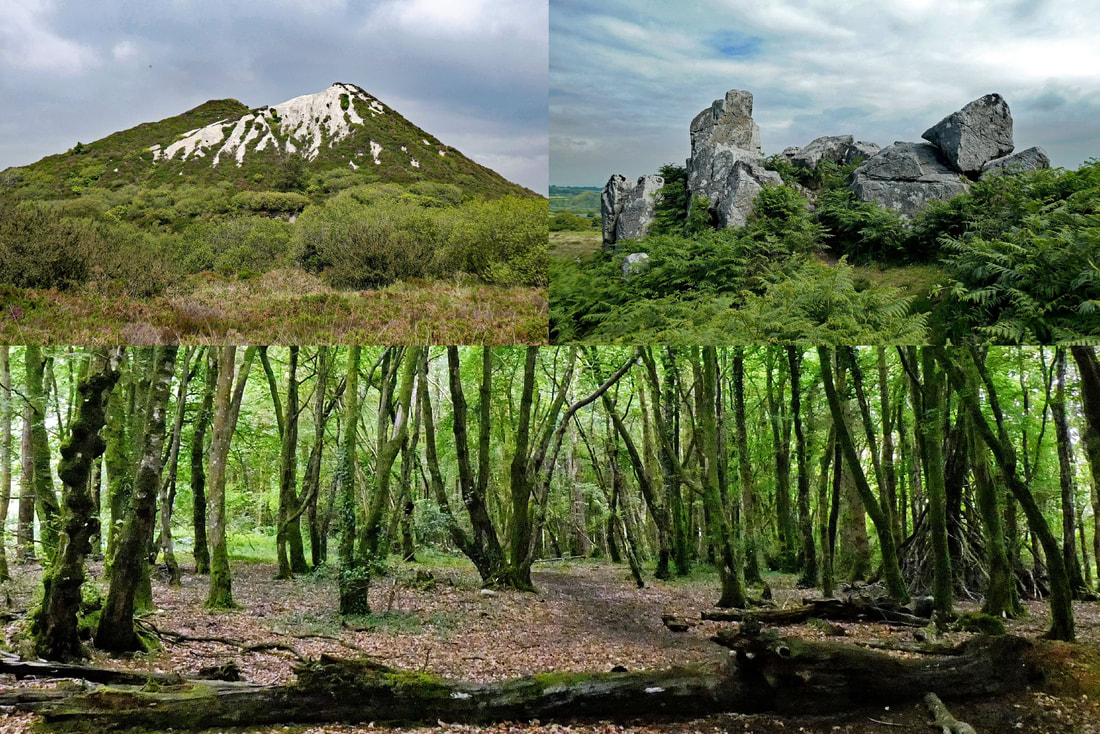 Kings Wood is a 58.5-hectare (144.6-acre) site situated on the eastern side of the scenic Pentewan Valley Road (B3273). Kings Wood is part of a panoramic wooded terrain that slopes down the breath-taking Cornish landscape of Pentewan Valley. It is a designated County Wildlife Site, highly regarded for its rich ground flora and fantastic scenic views across the stunning south coast of Cornwall. 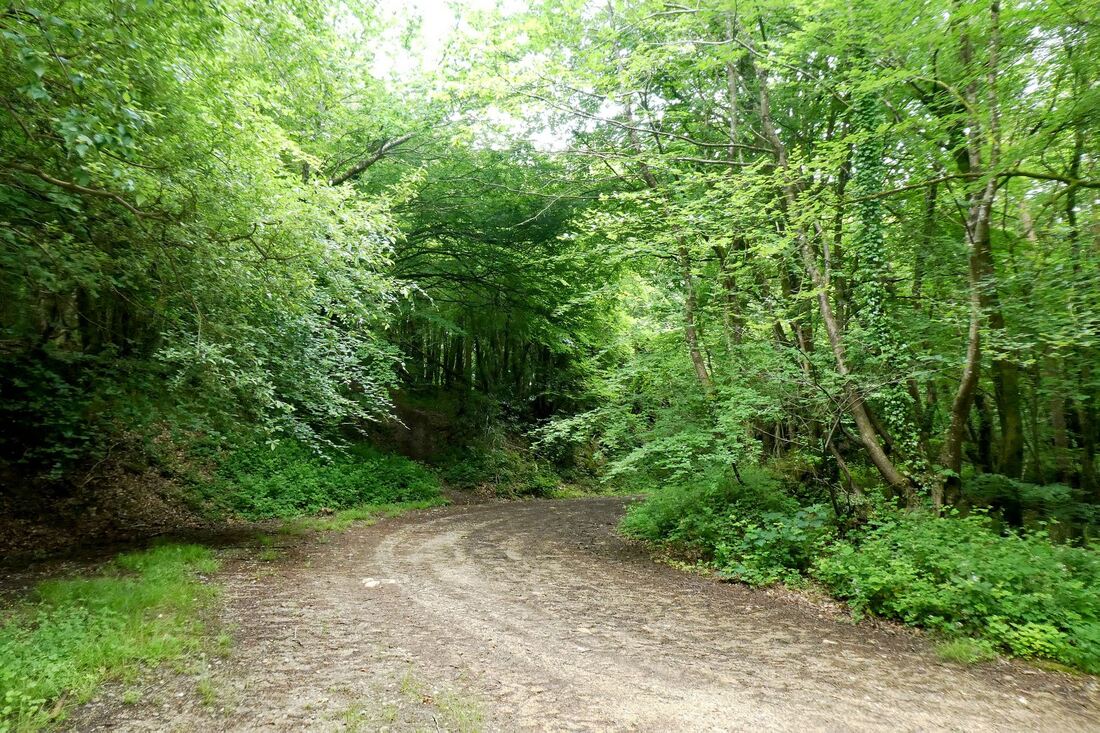 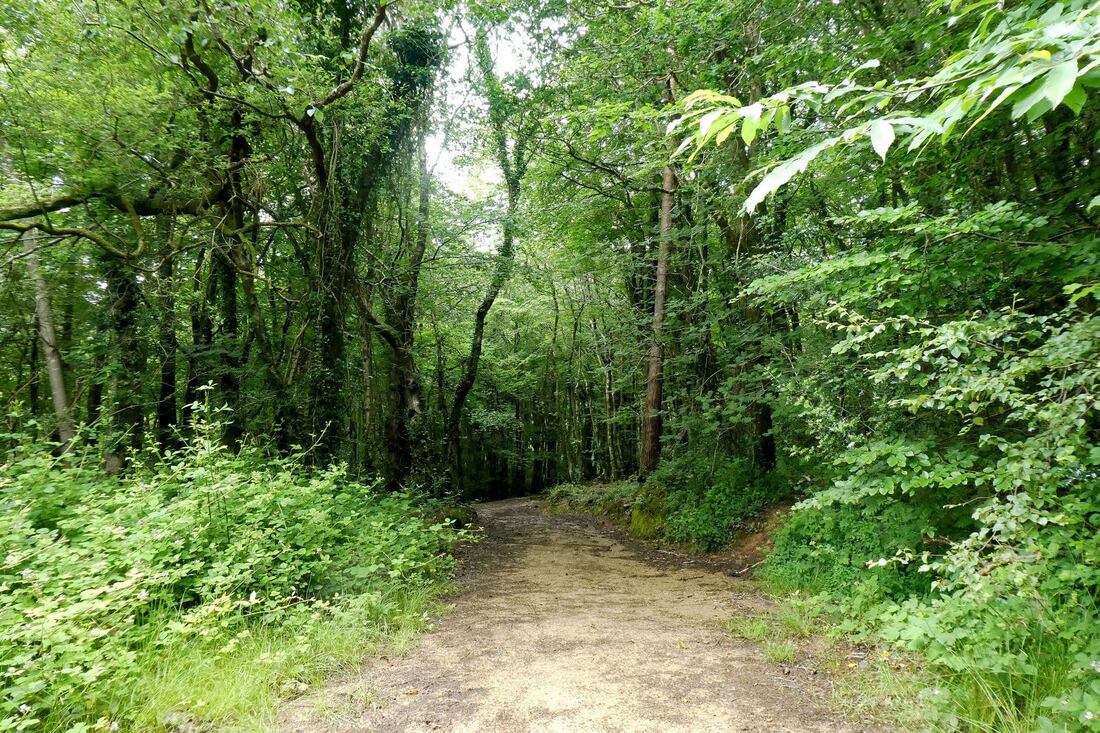 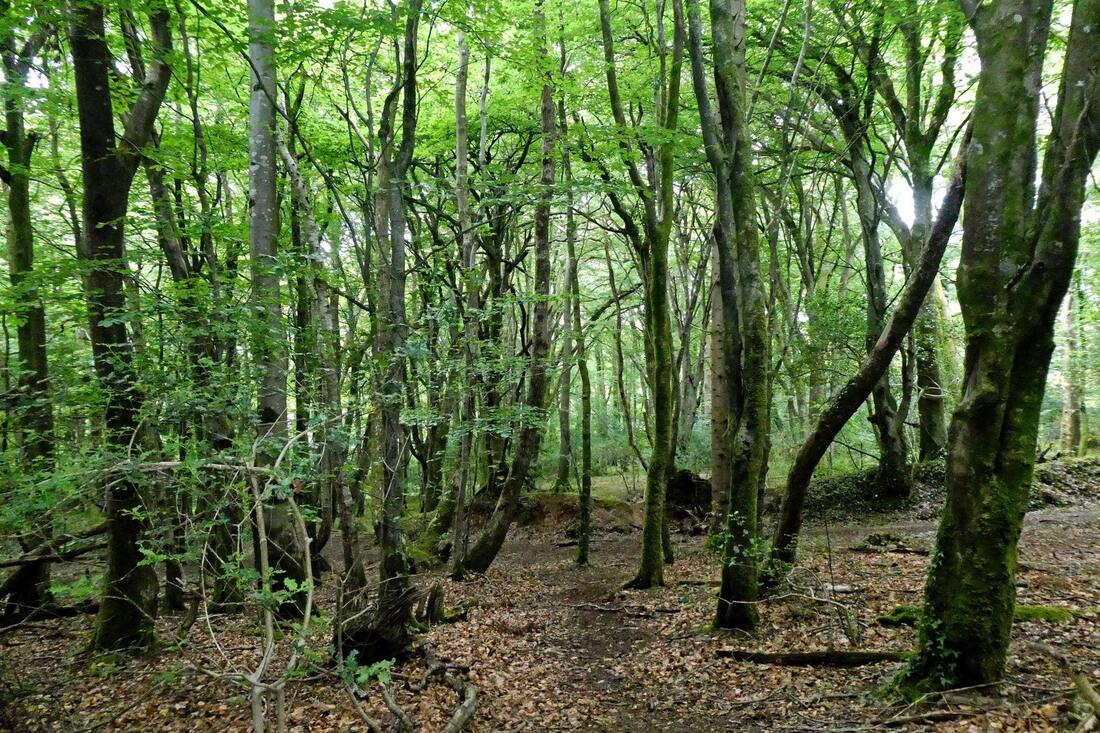 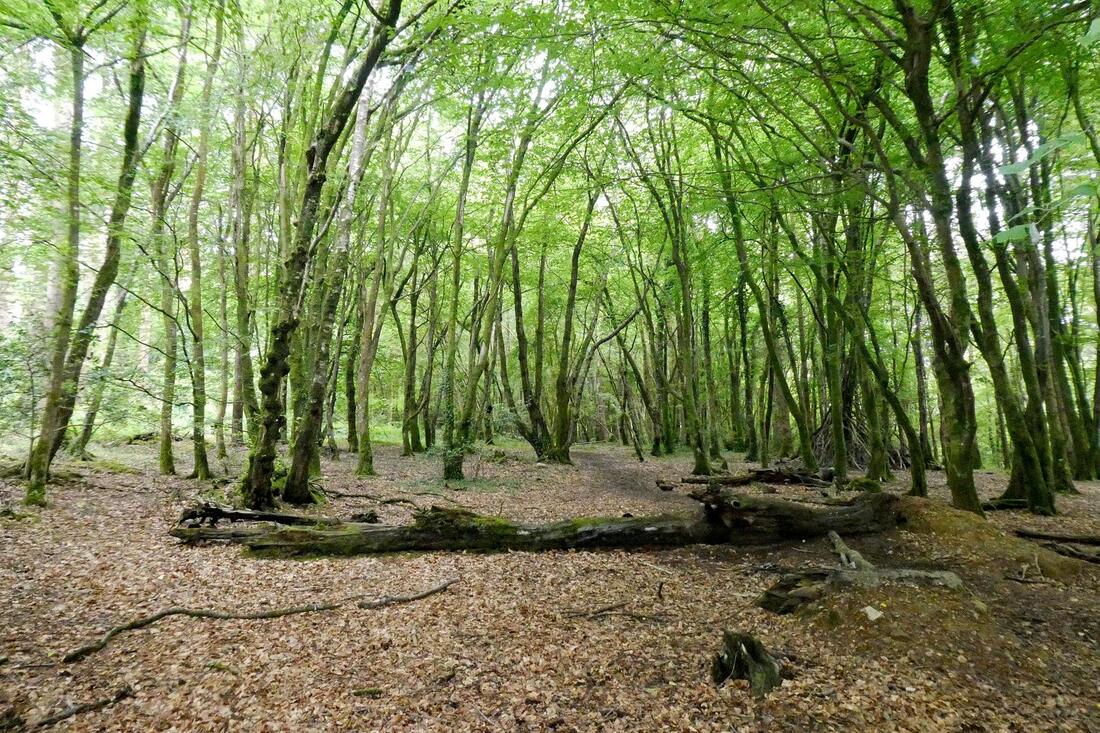 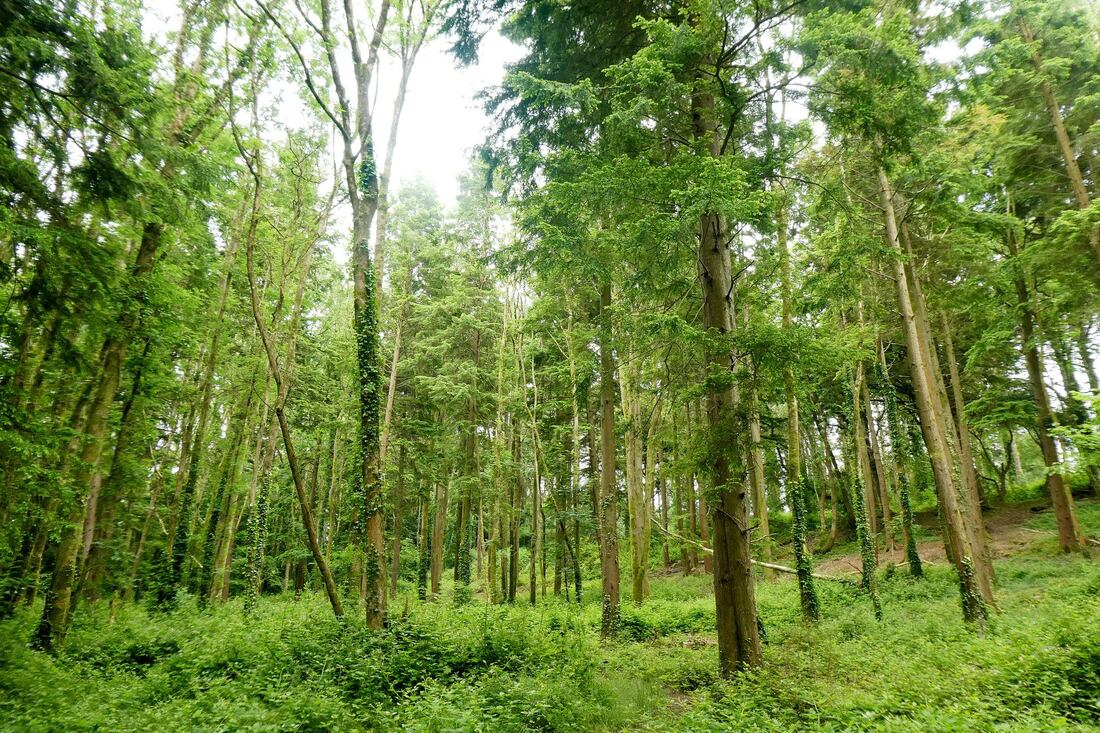 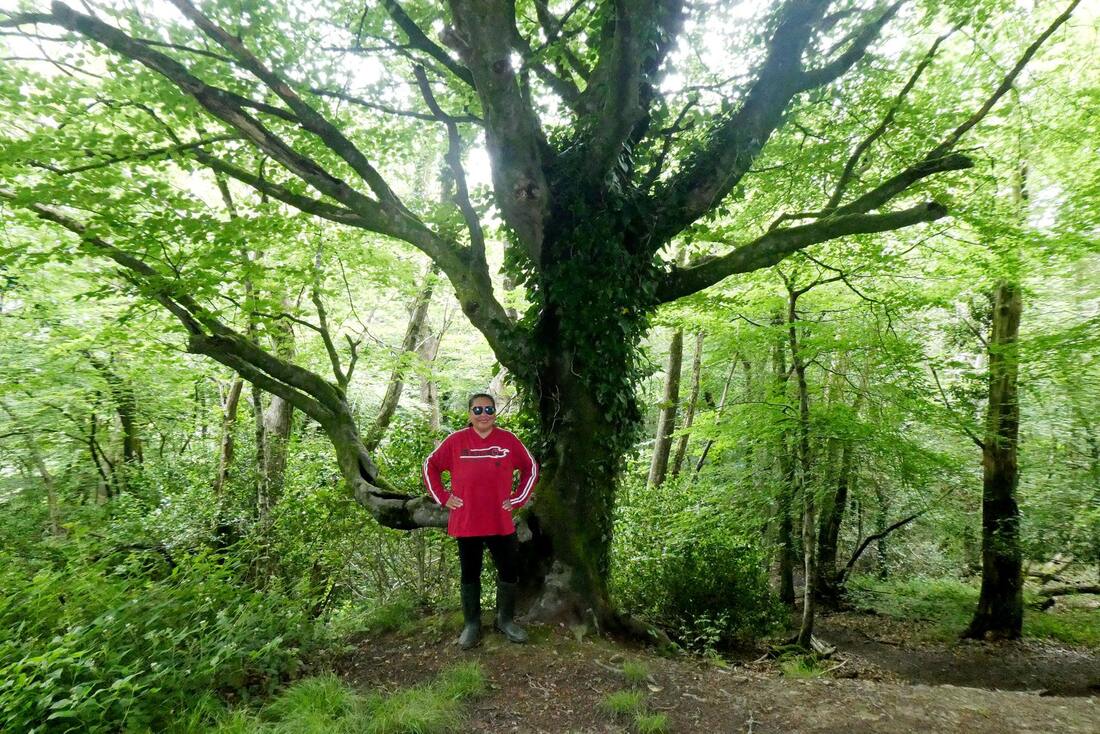 Trewoon had a major part to play in the china clay industry in Cornwall being the home to the Blackpool Clay Pits and Dryers. The Clay Trails are a series of scenic routes for walking, cycling and horse riding for the general public. This is the China Clay Country where china clay (KAOLIN) has been extracted for aver 300 years, a process that has literally shaped the landscape. There are pits, that have become blue / green coloured lakes and spoil heaps, now overgrown and forming the "Cornish Alps". 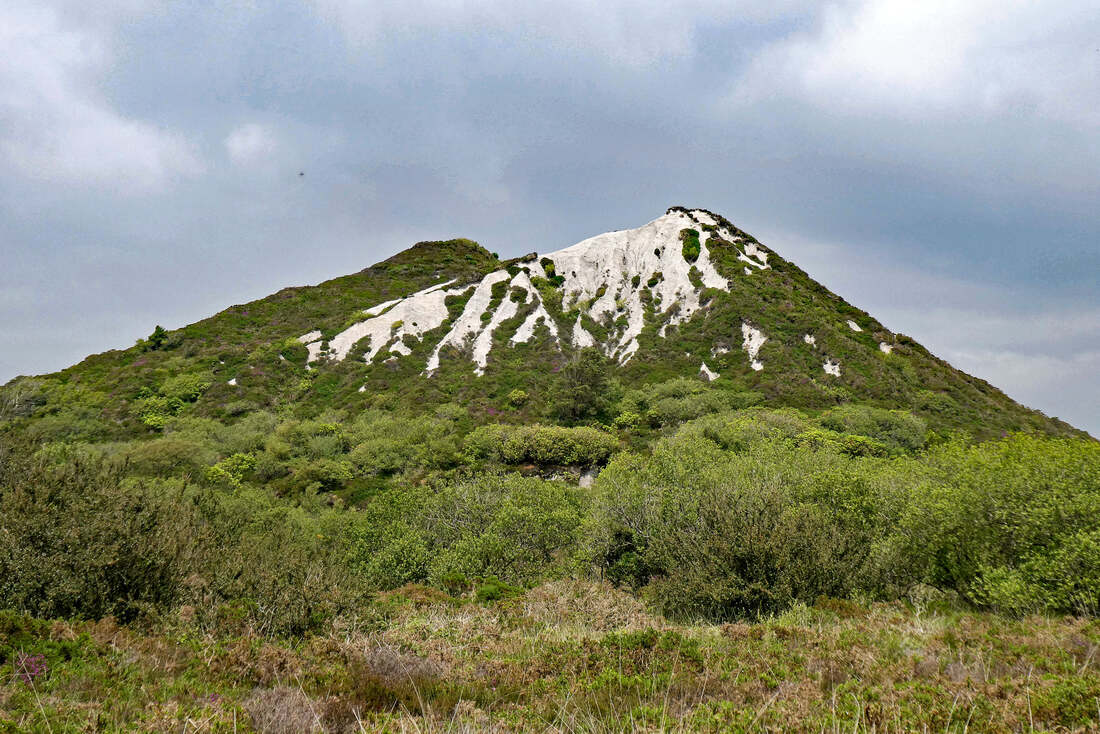 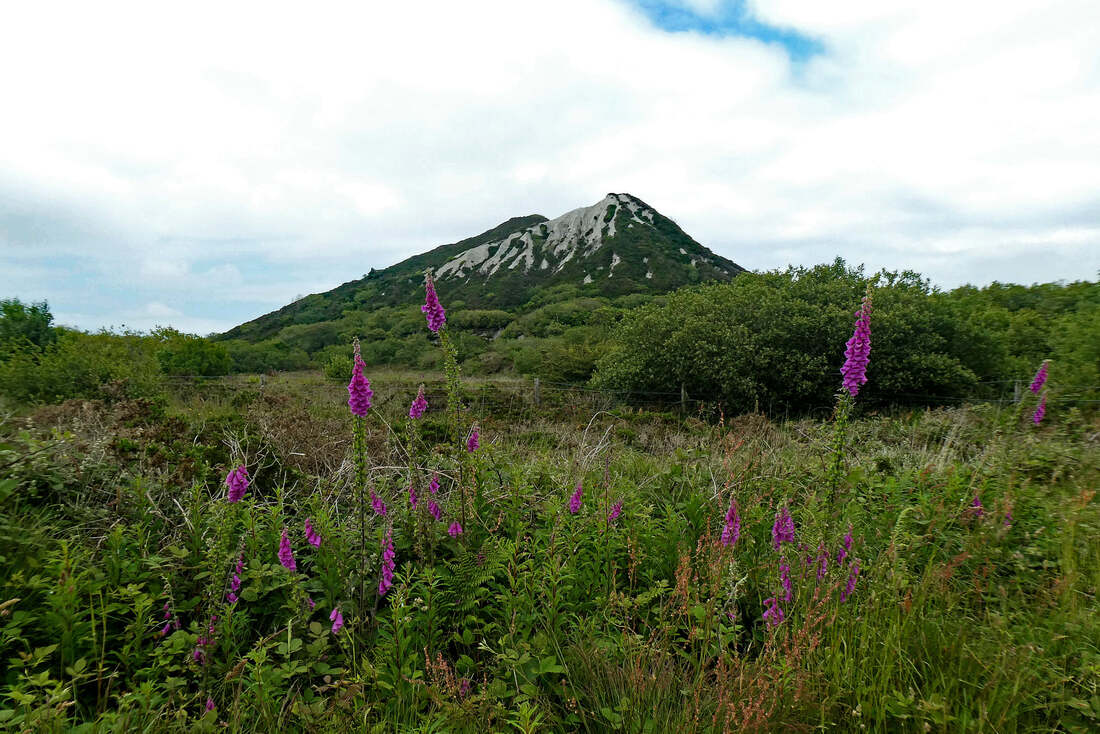 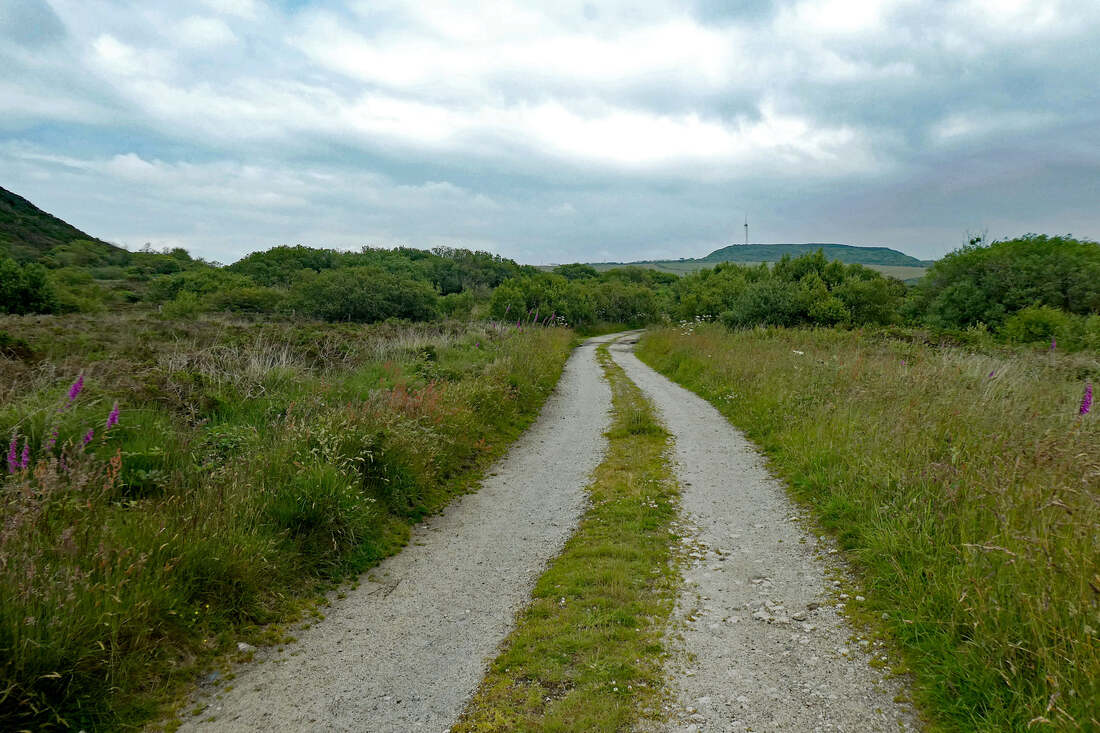 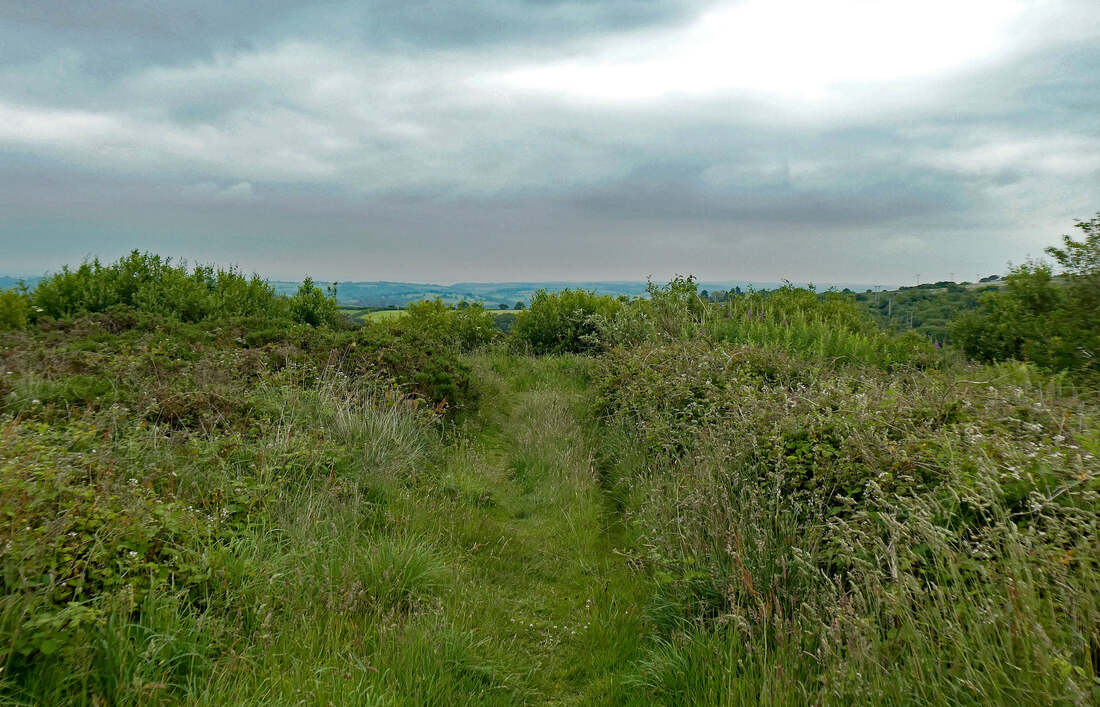 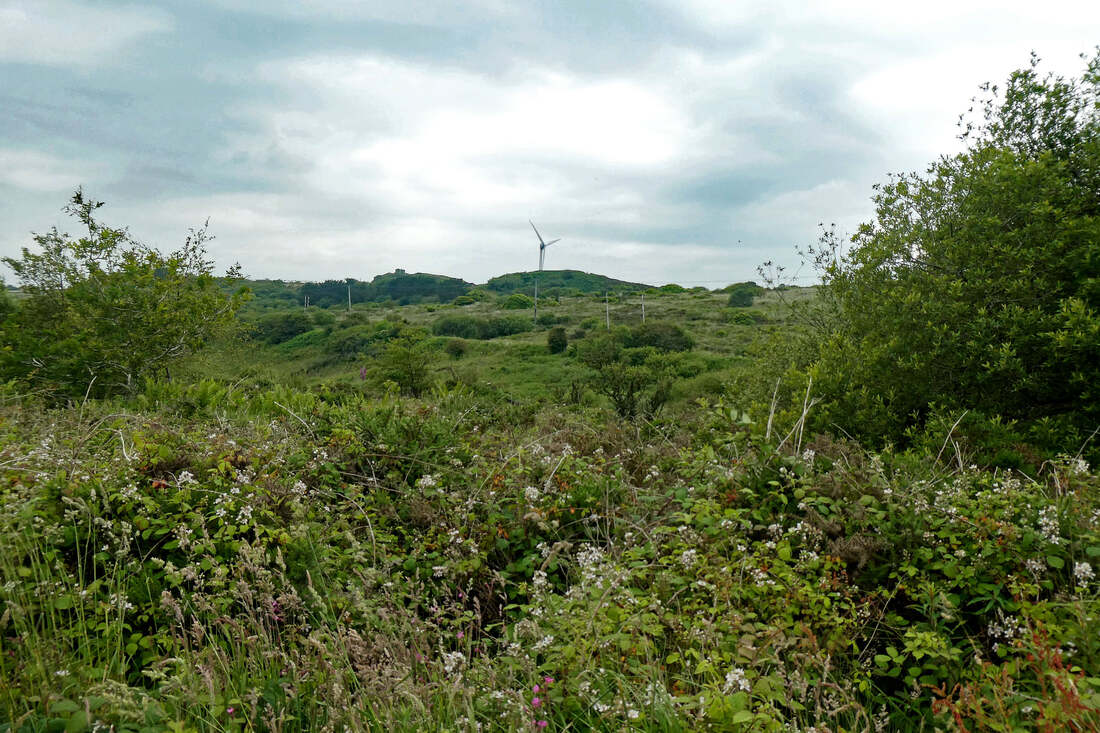 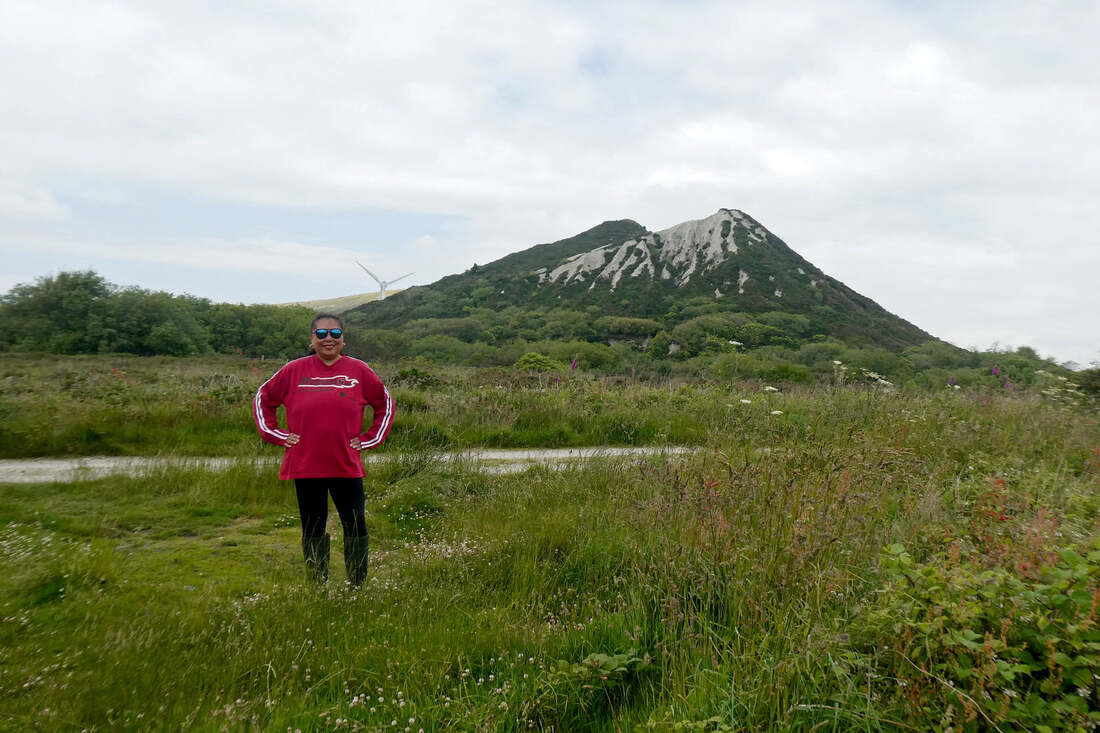 St Mewan Beacon is a natural landmark lies some distance from the village, to the north-west of Trewoon. It is a tor exposure of quartz-topaz-tourmaline rocks that has been designated a Site of Special Scientific Interest (SSSI) for its geological characteristics. St Mewan Beacon was studied by Cornish mining engineer and mineralogist Joseph Henry Collins who published an account of it in 1914.  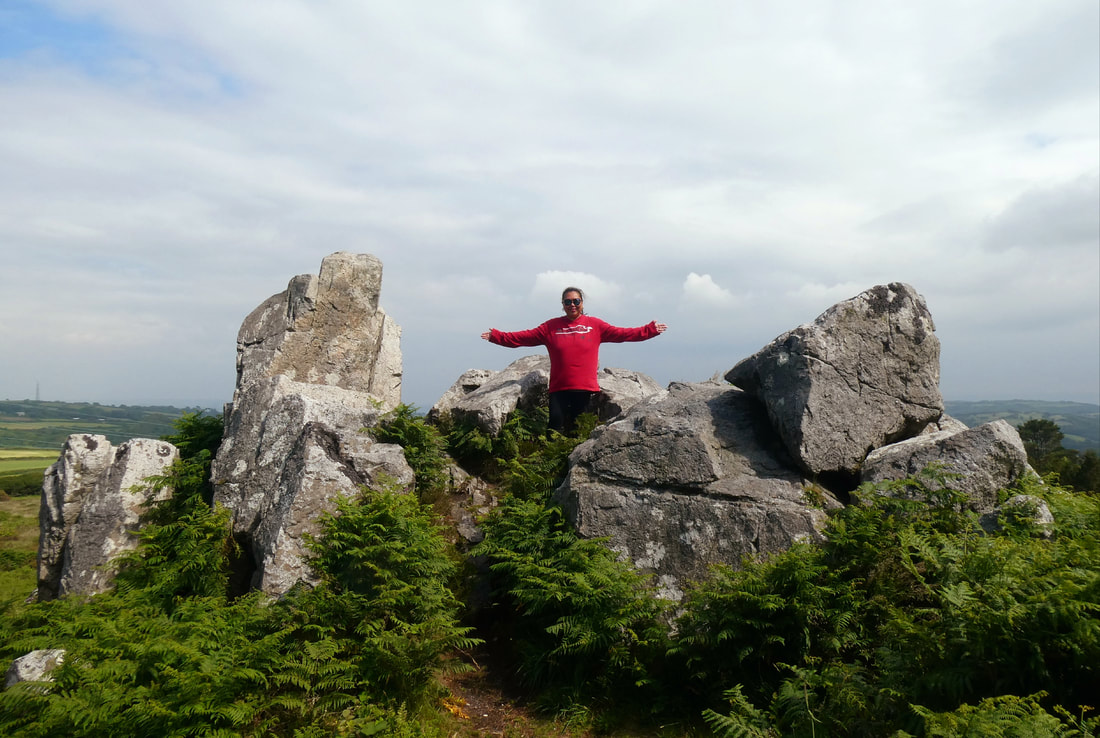 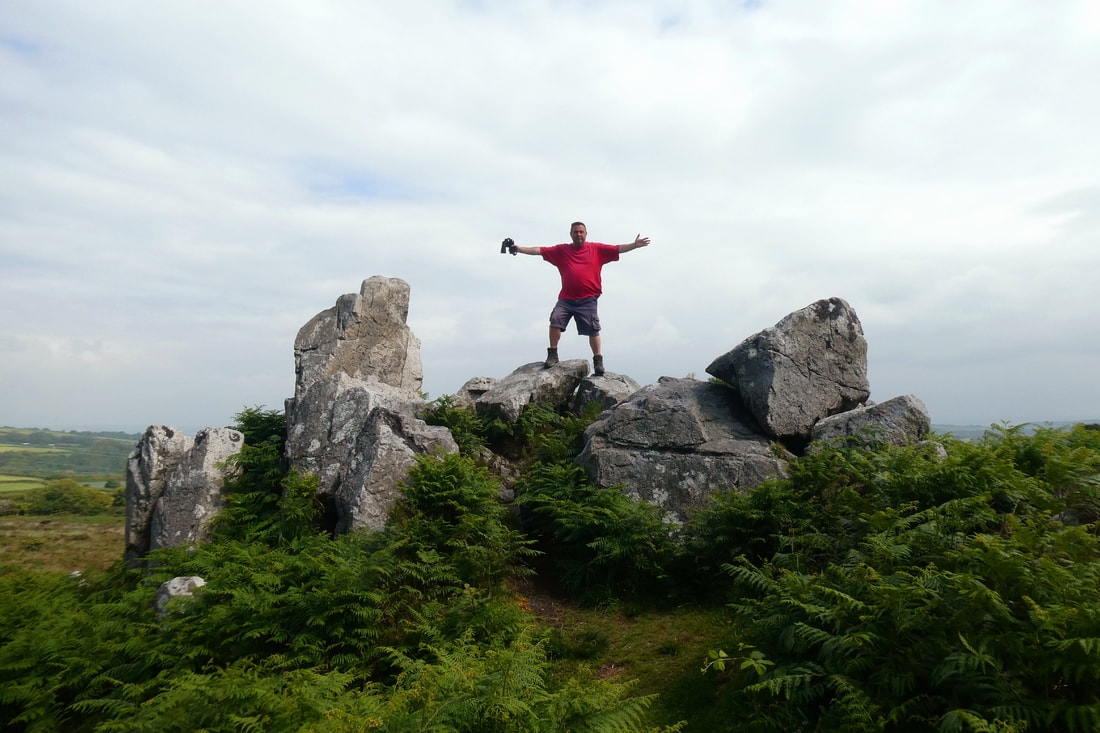 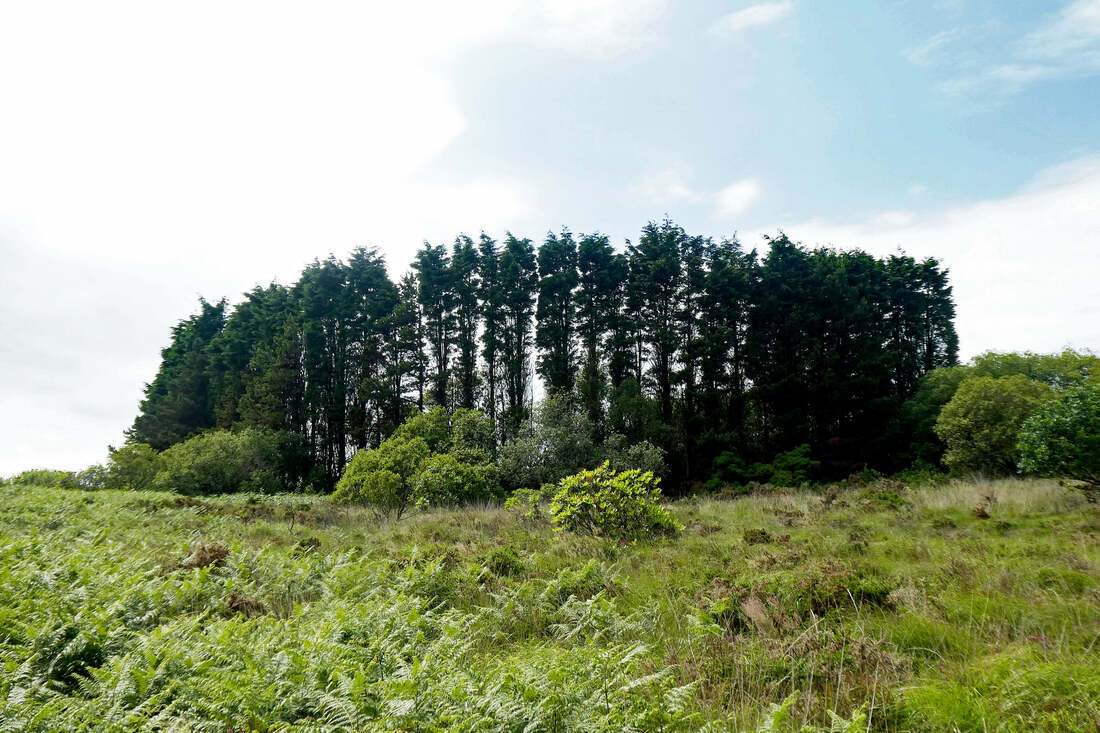 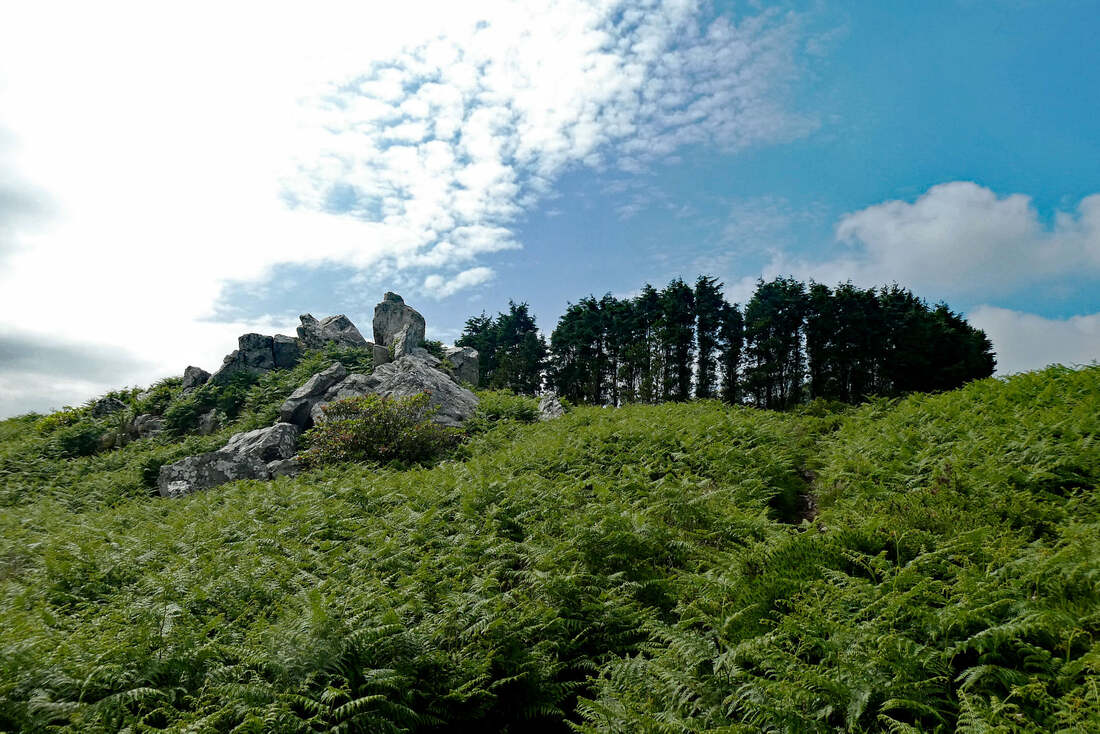 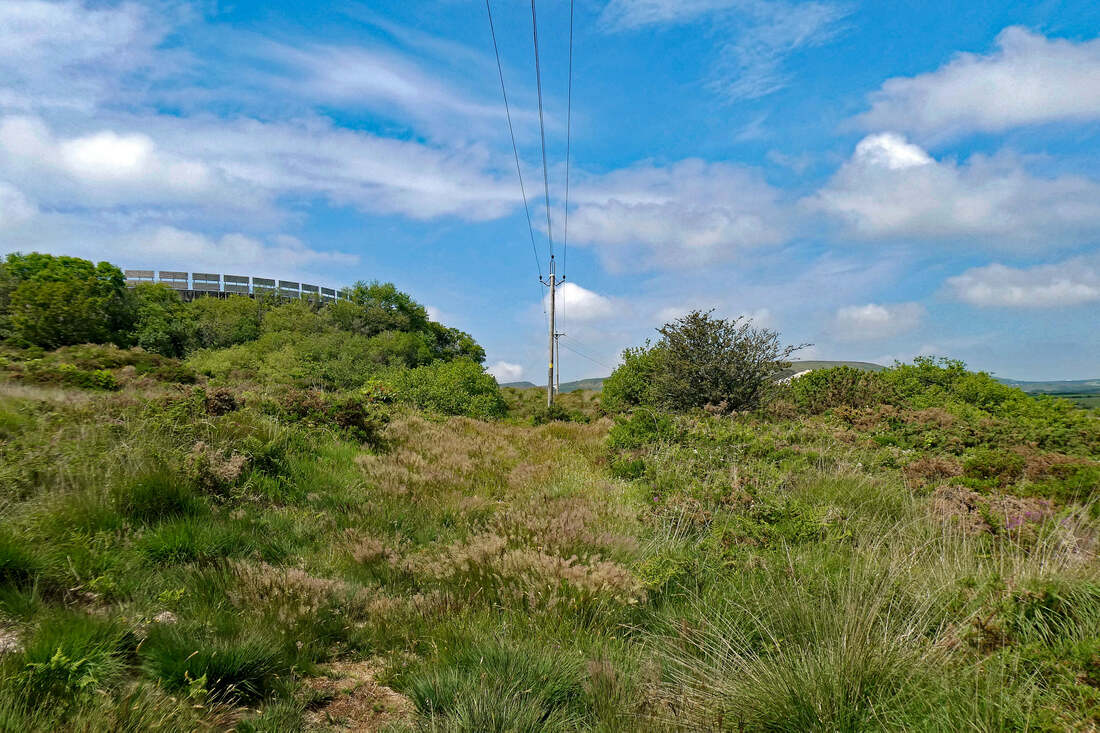 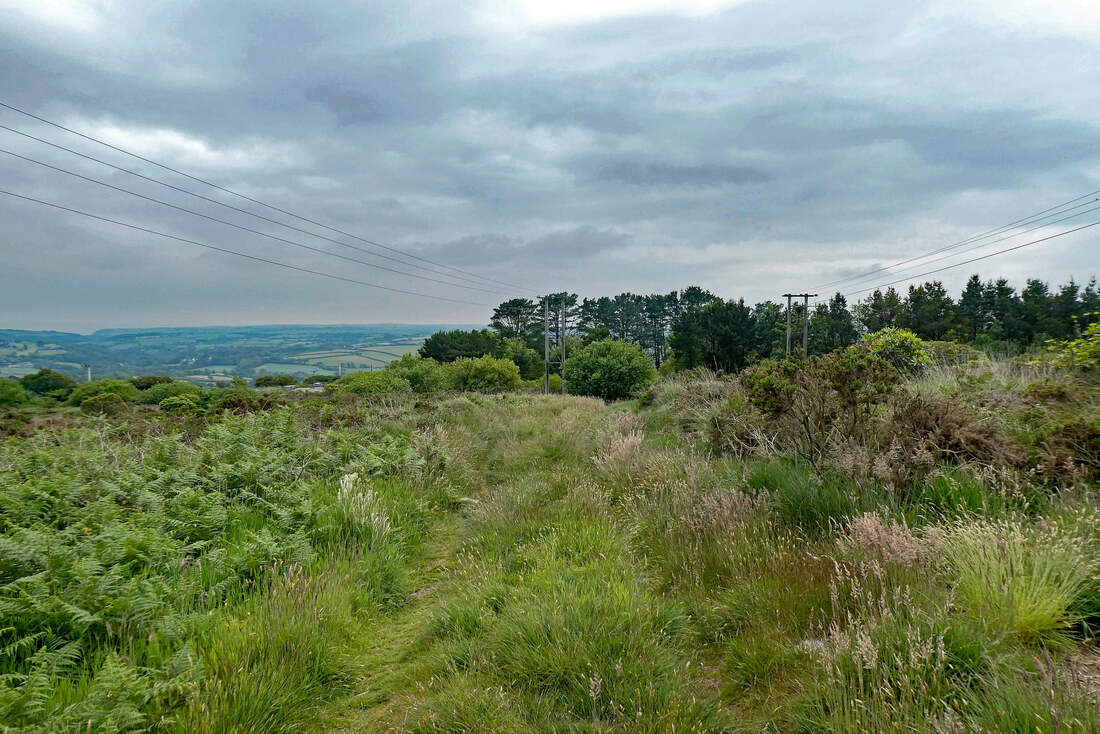 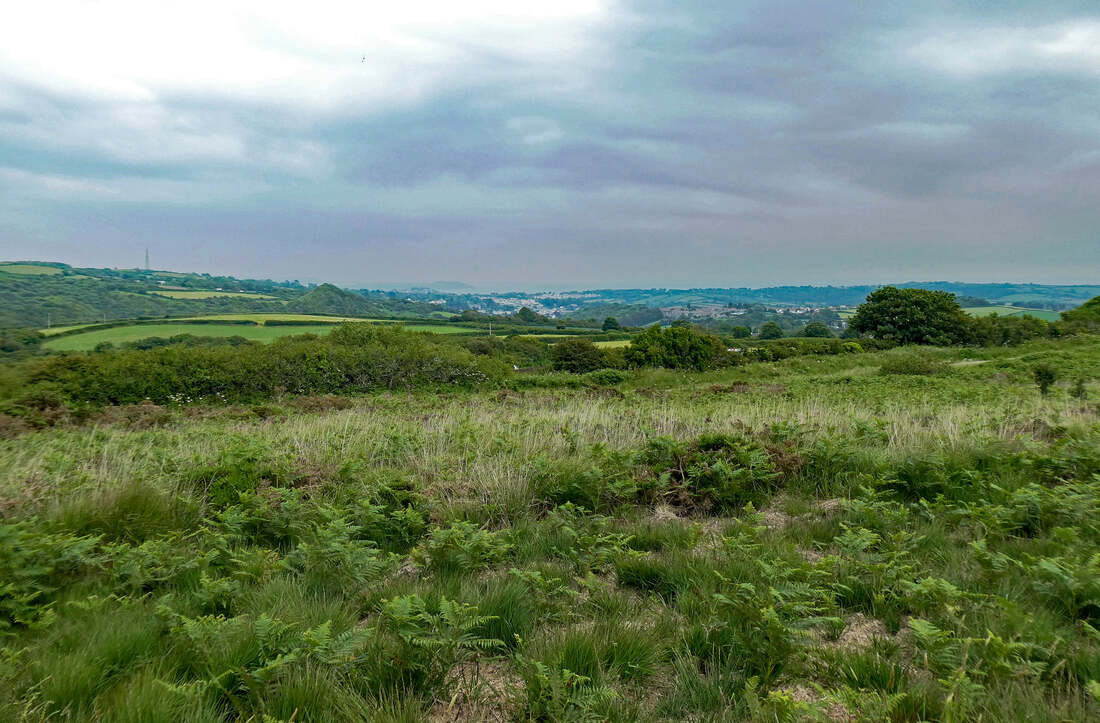 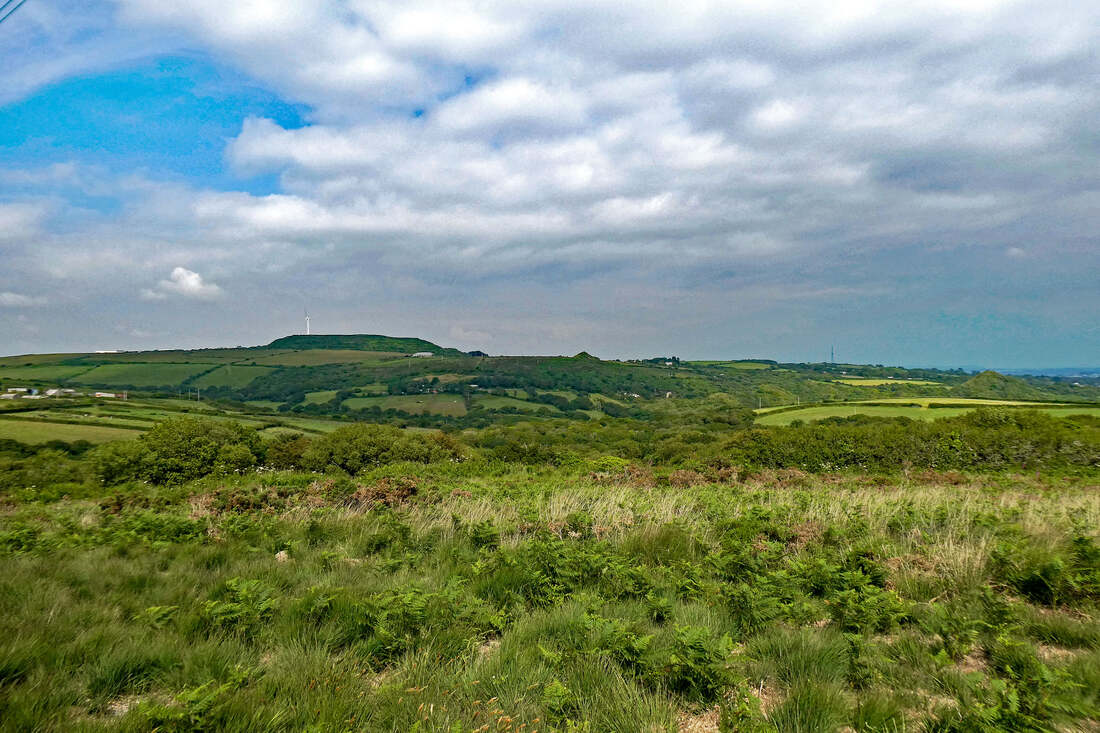 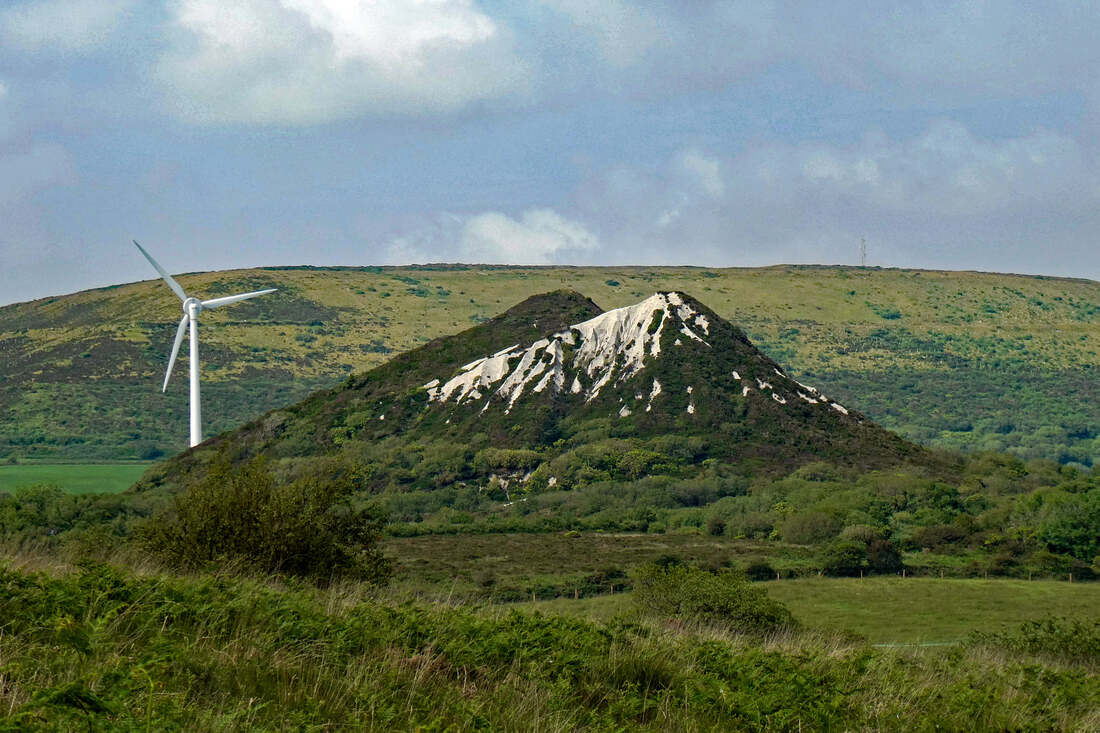 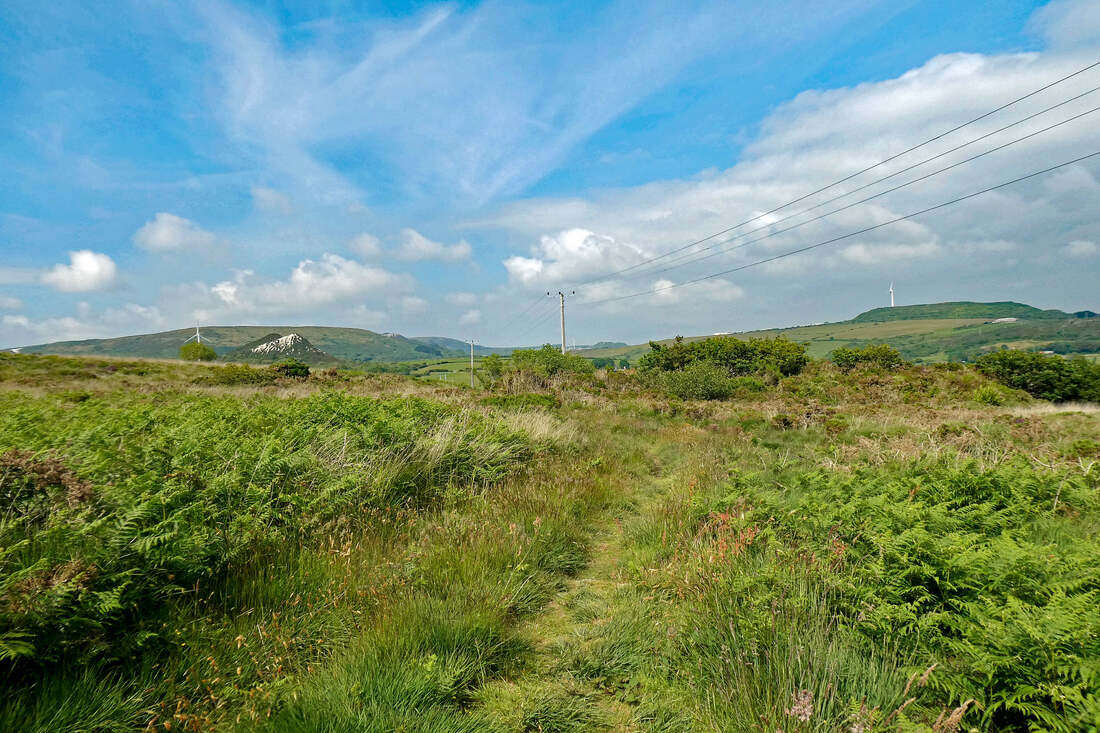 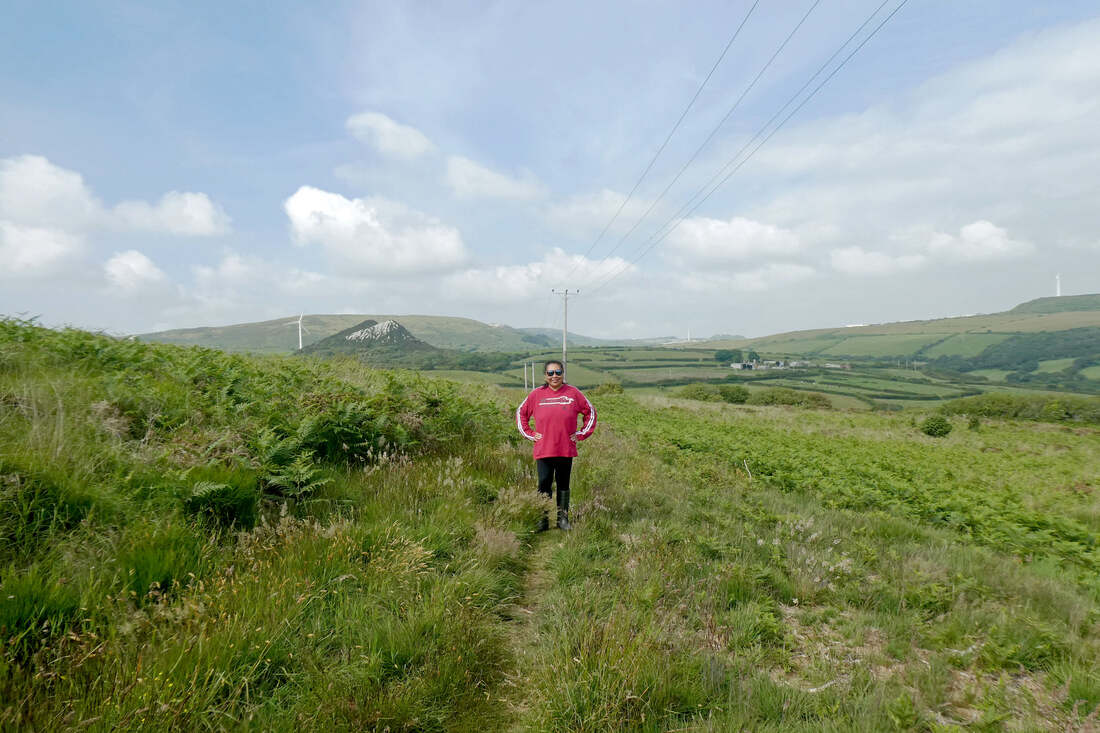
0 Comments
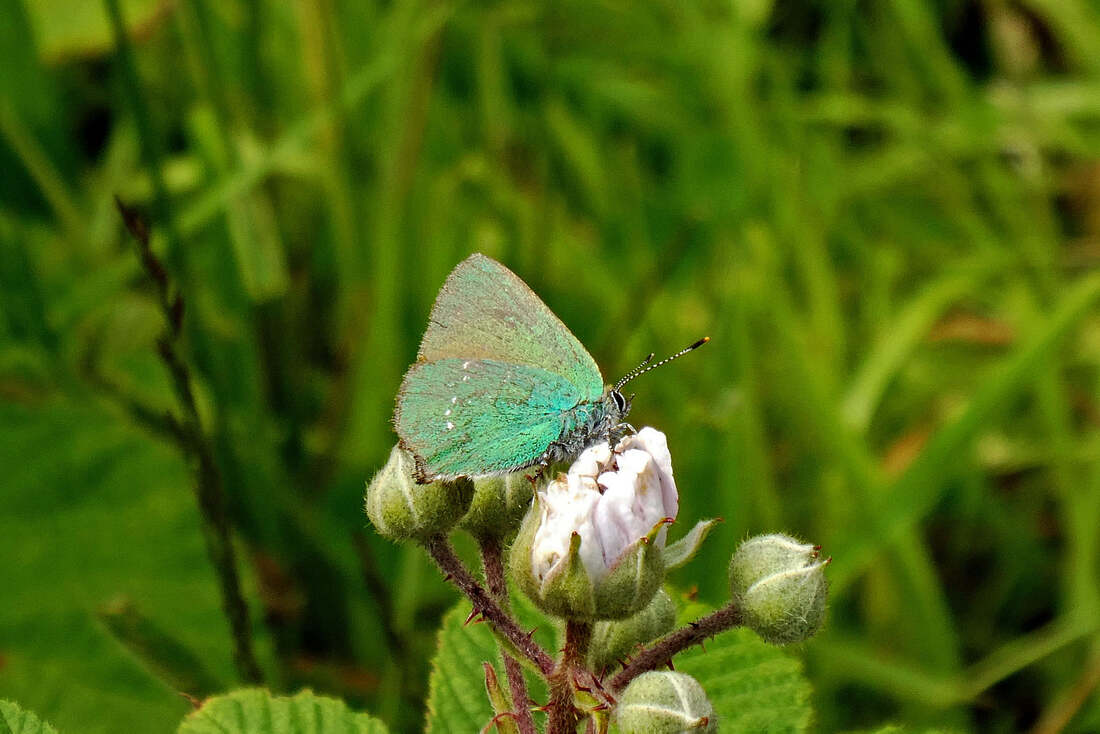
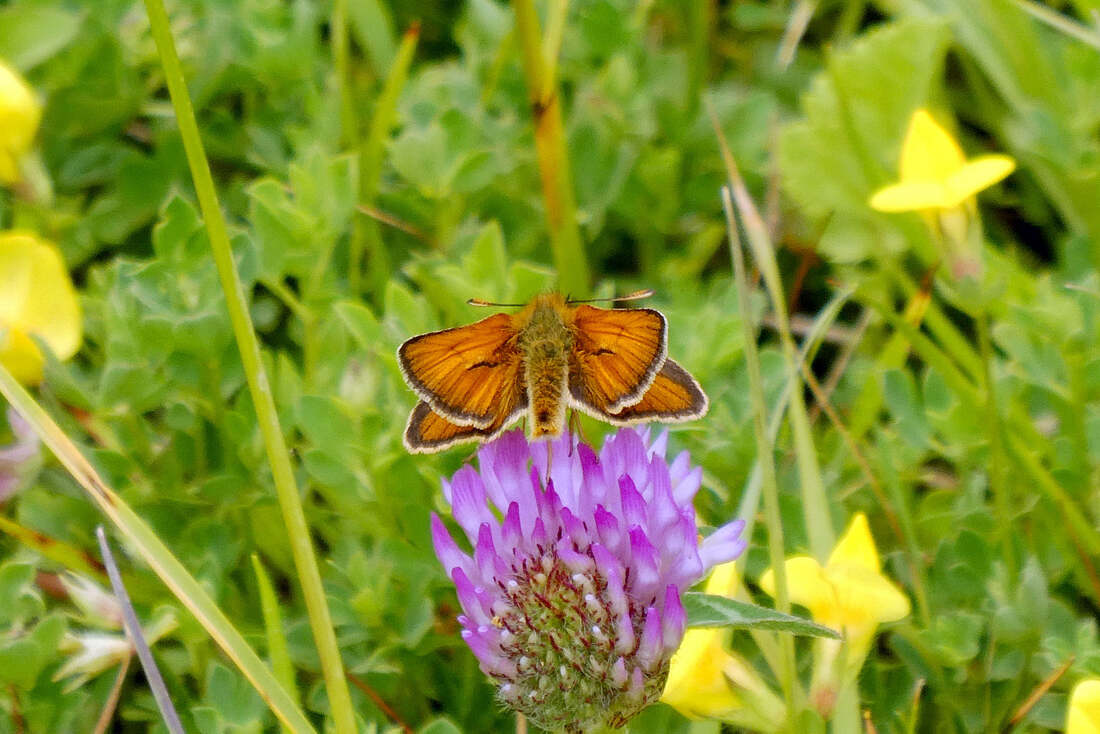
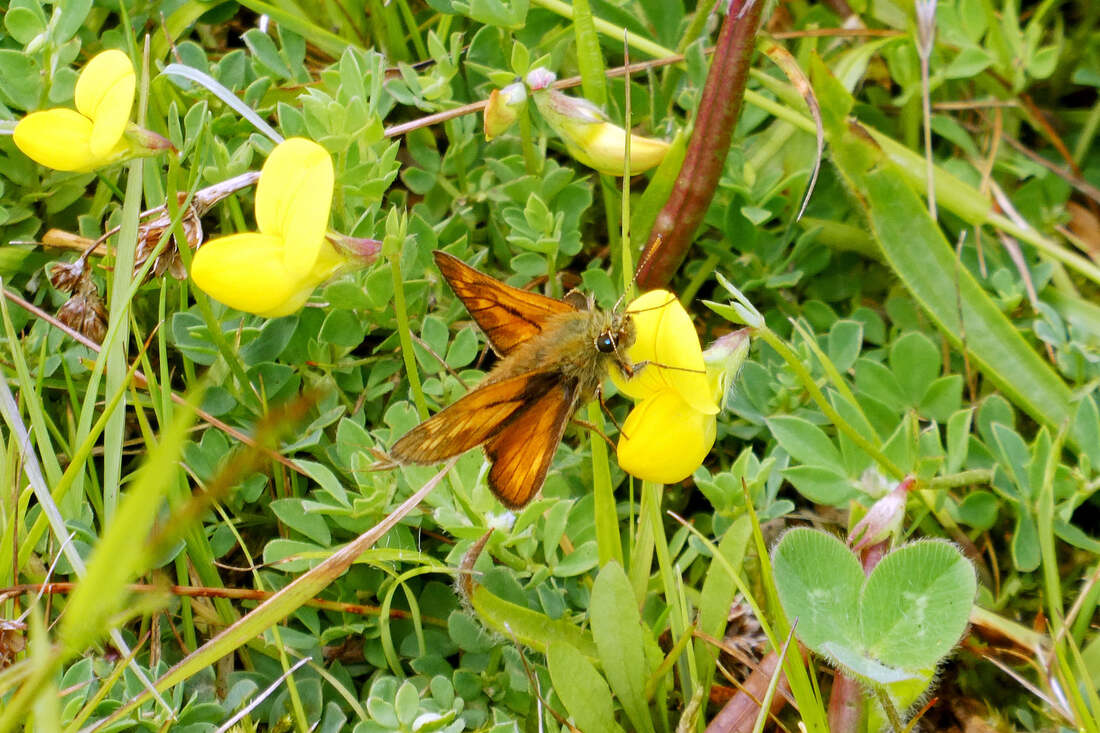
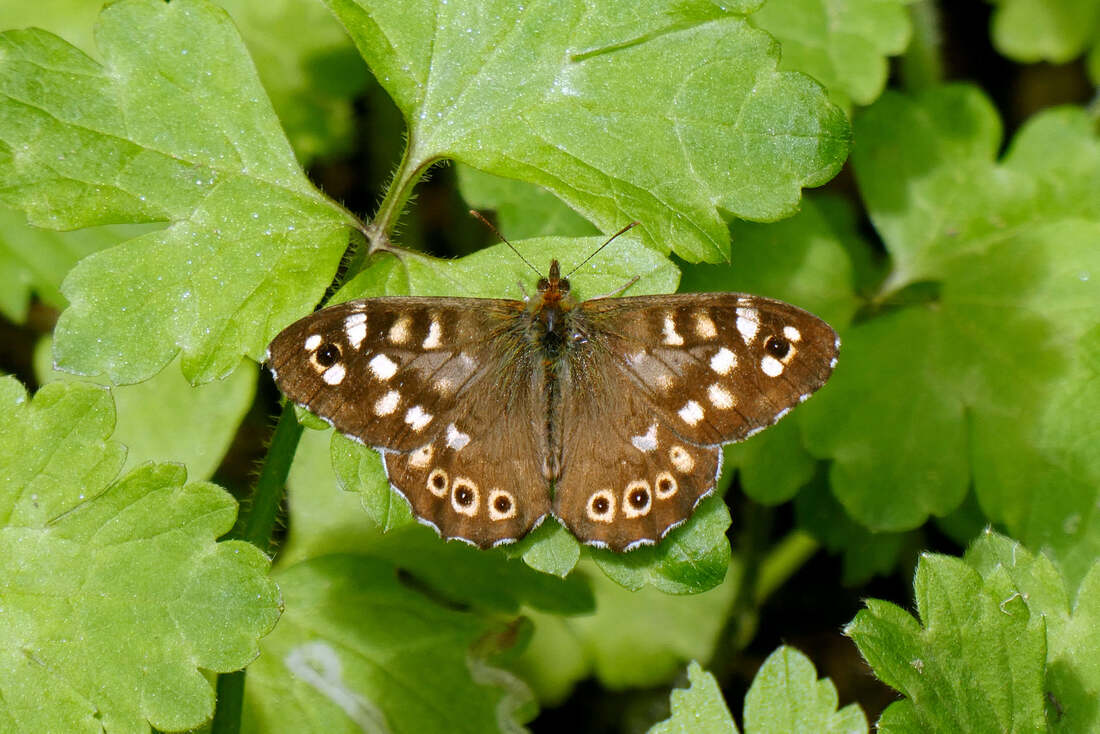
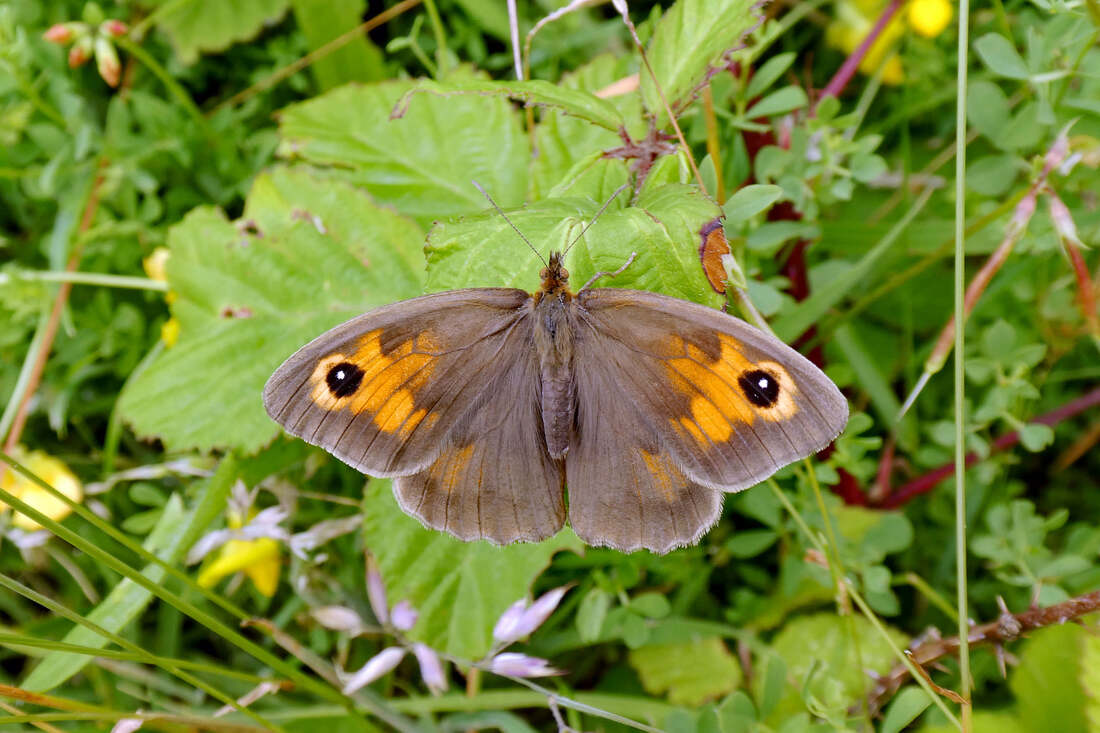
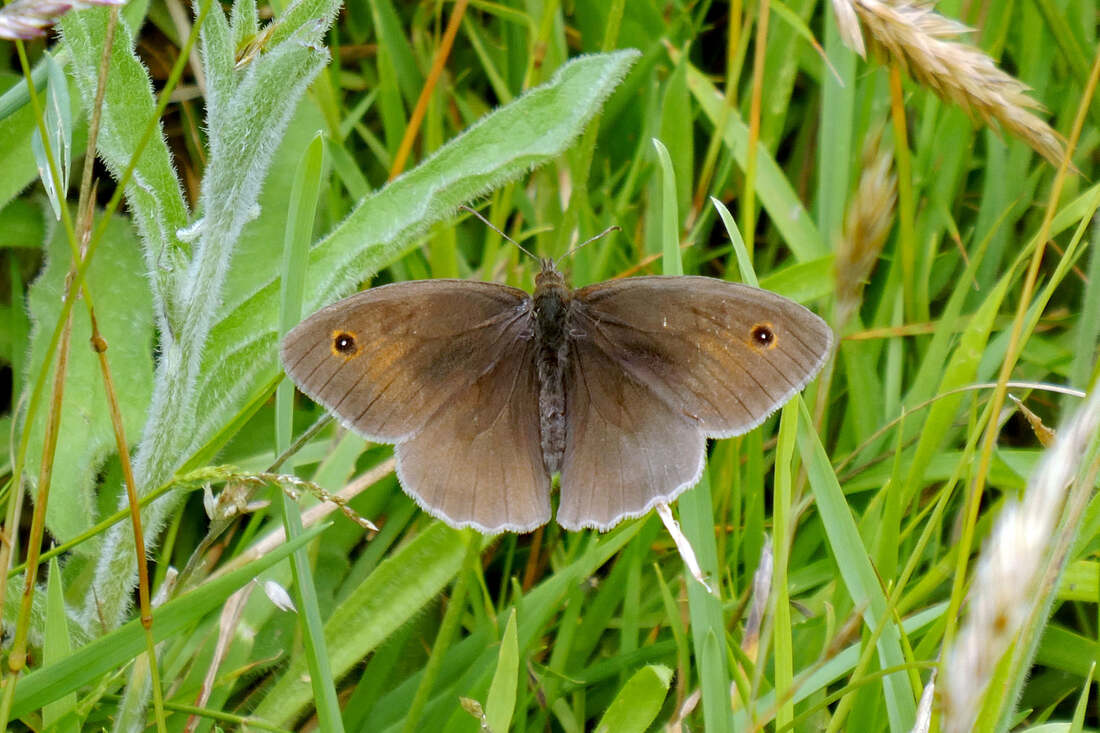
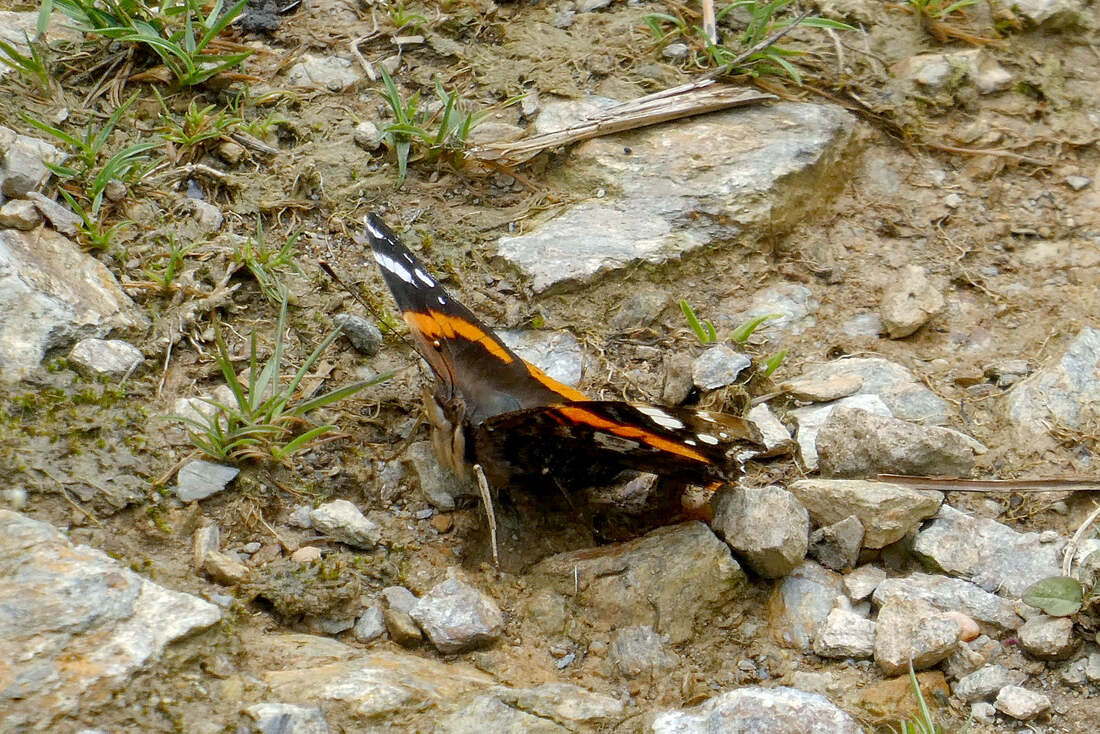
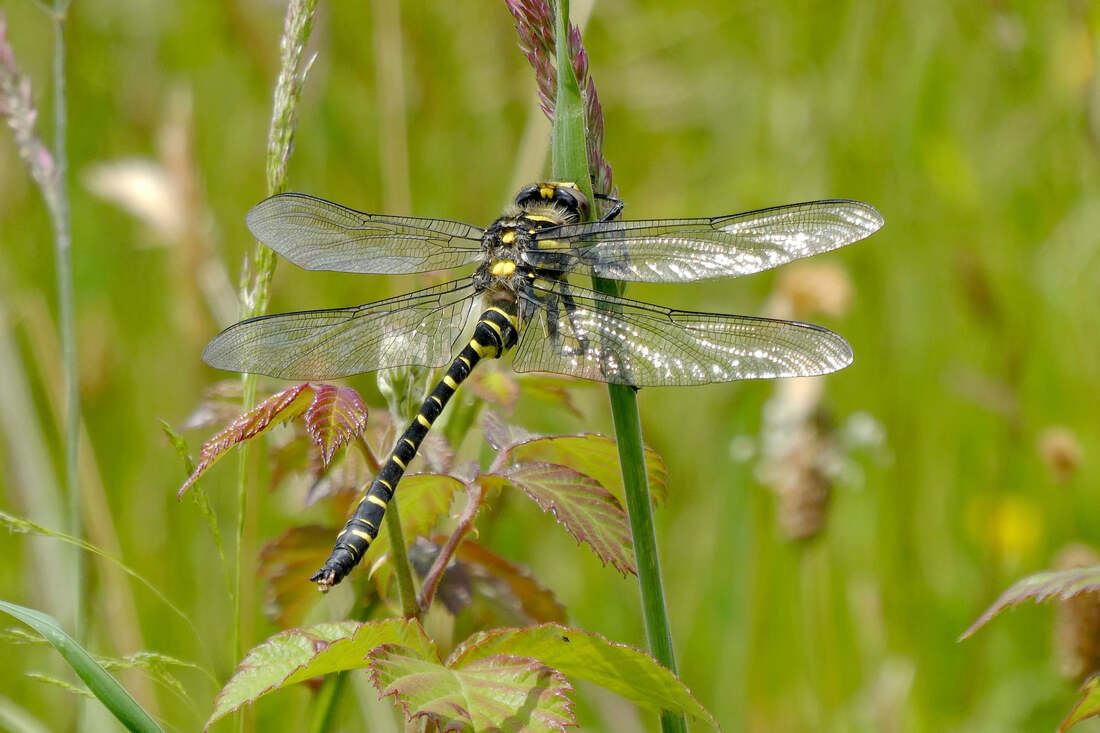
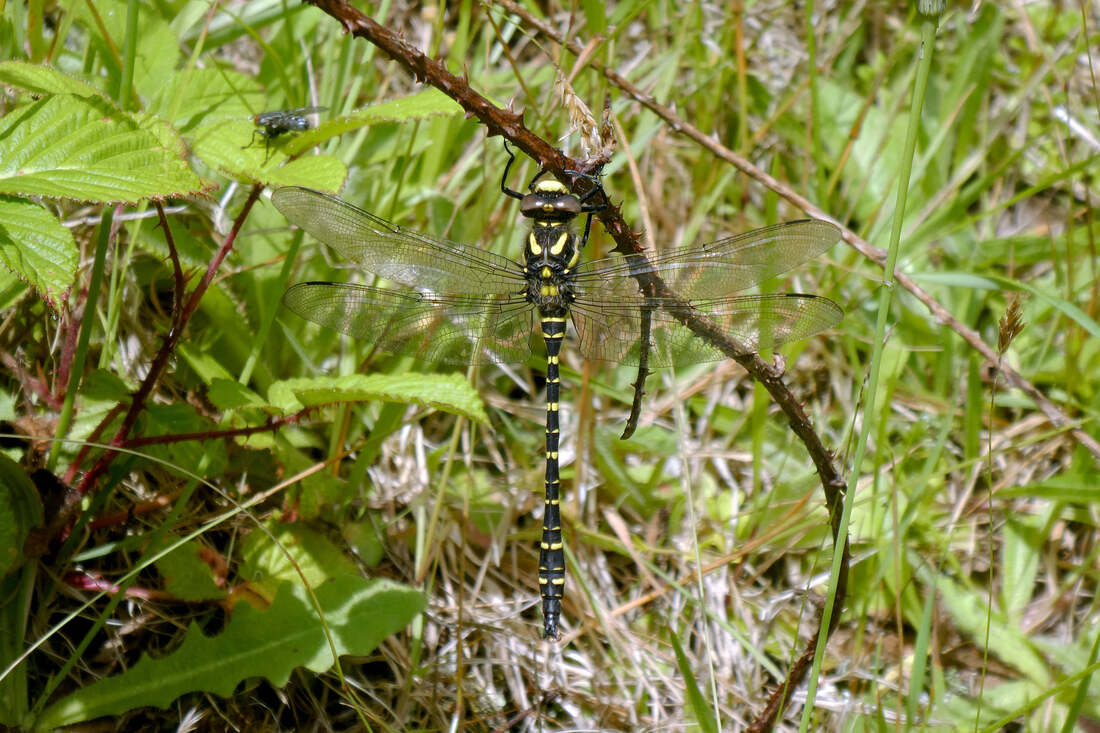
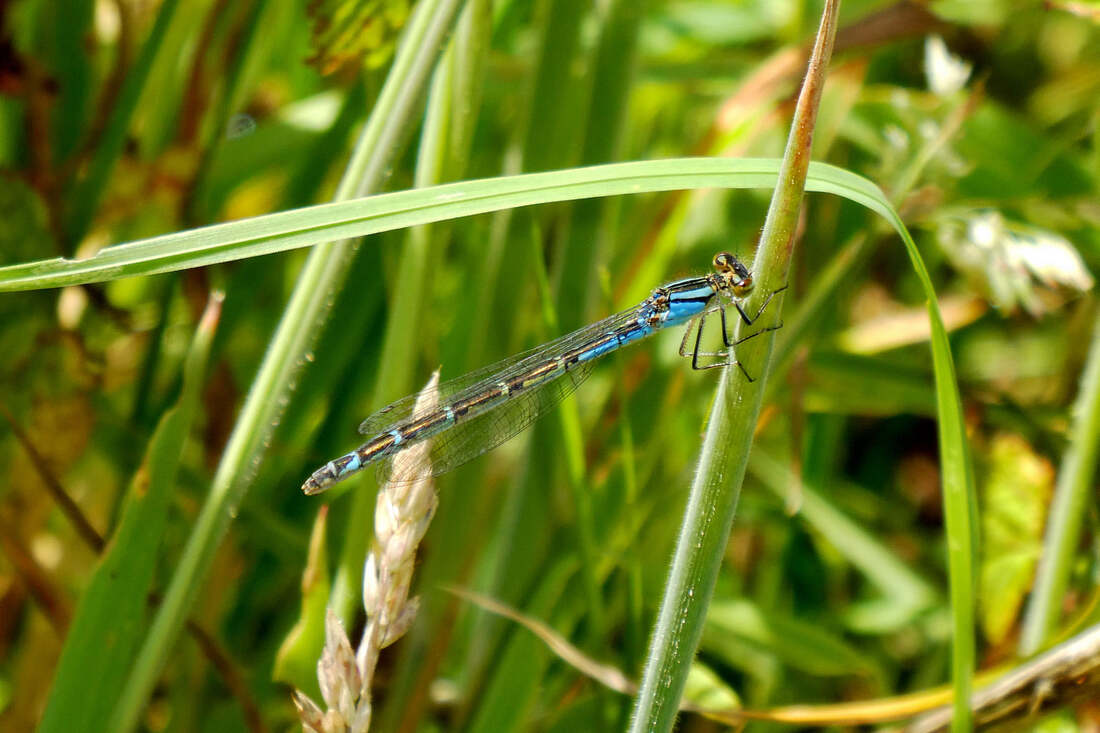
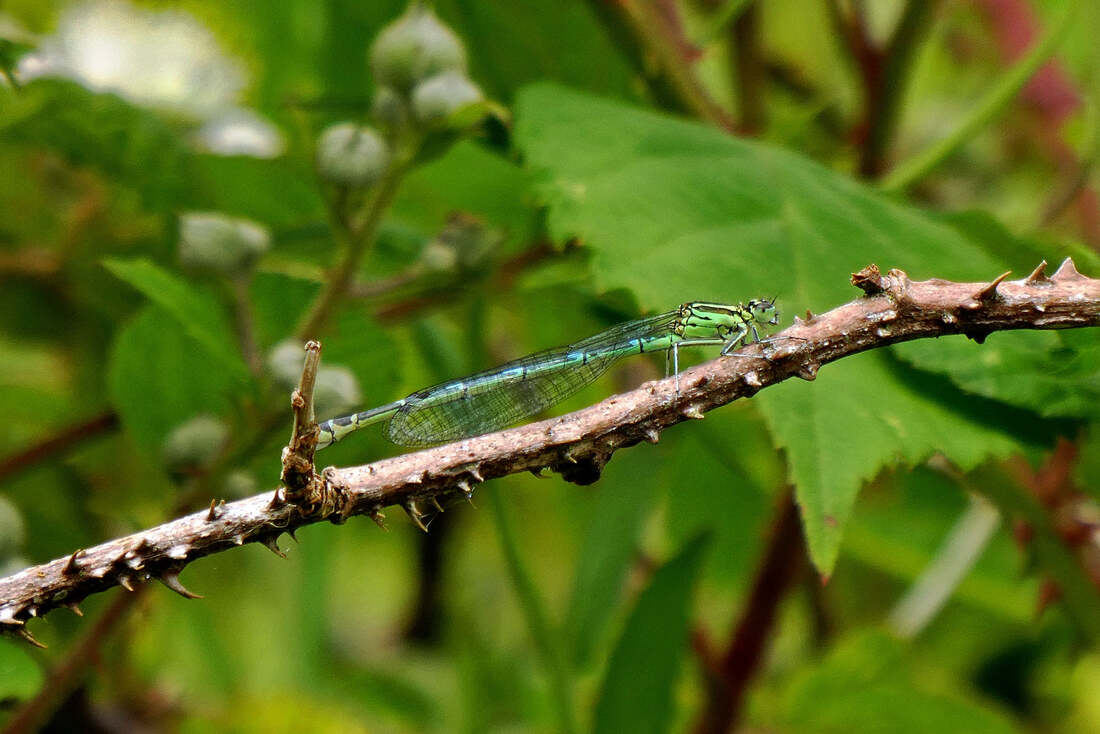
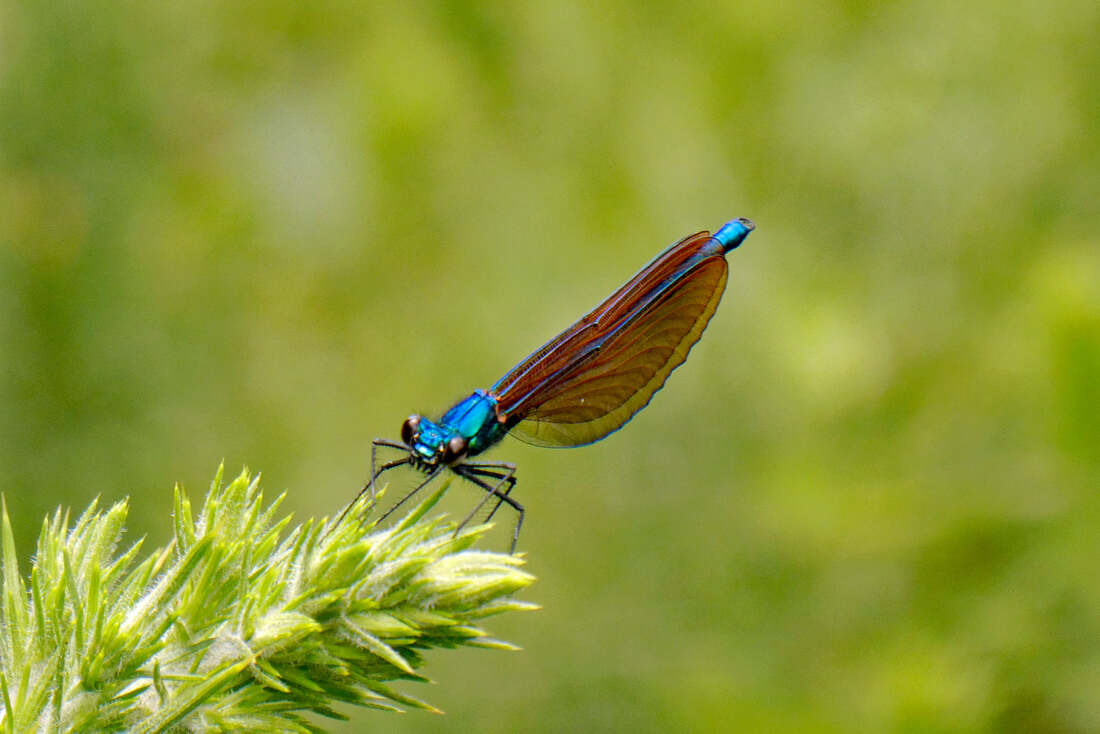
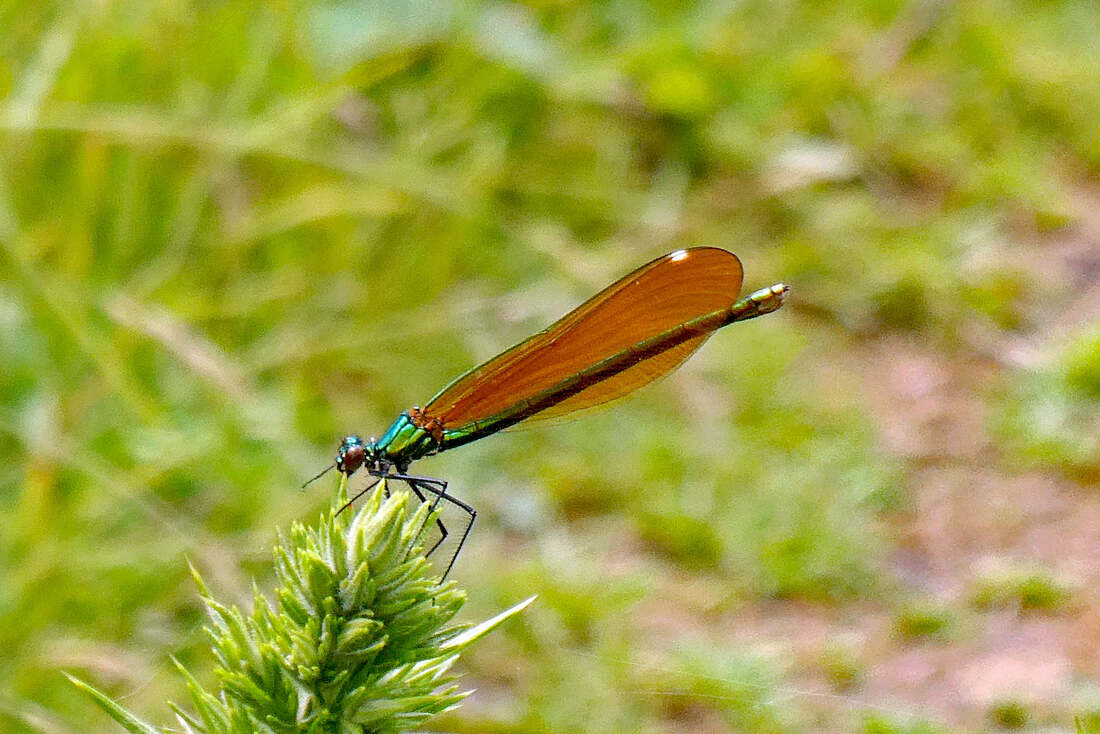
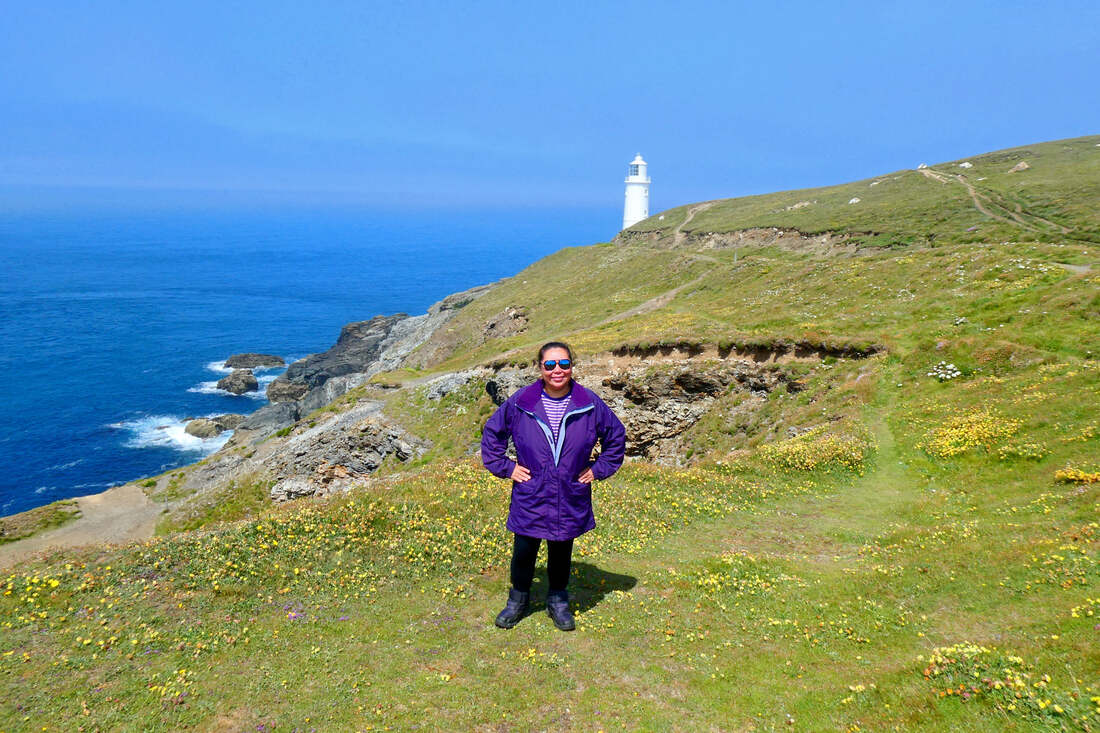
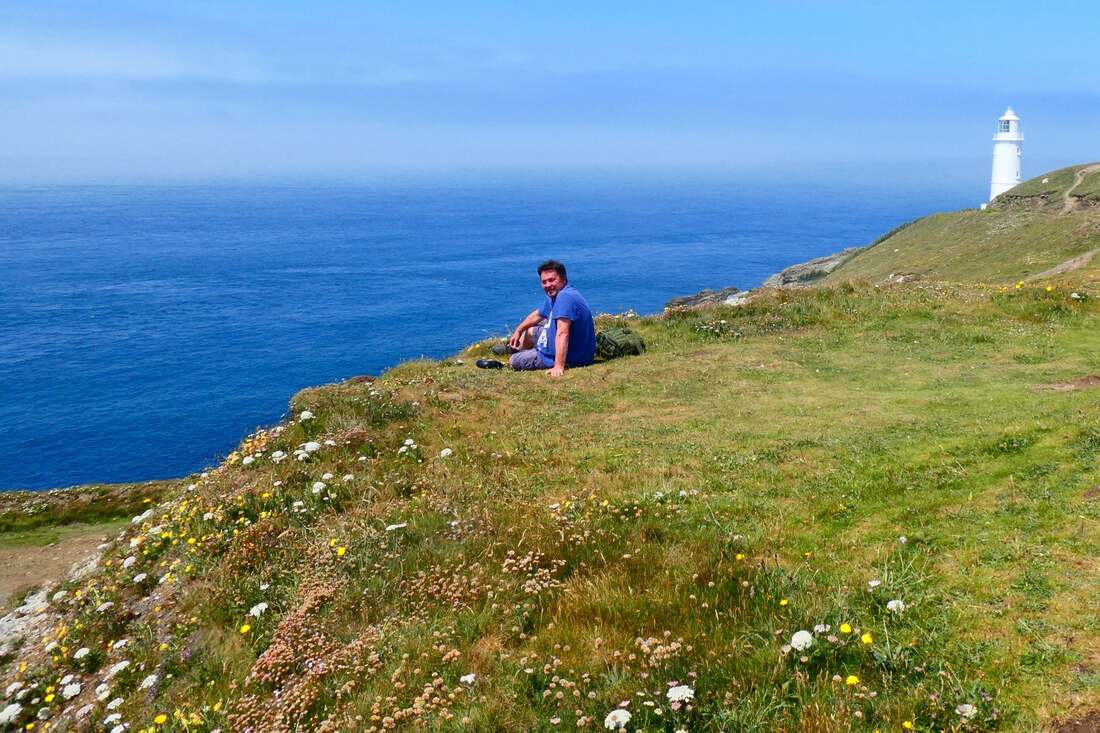
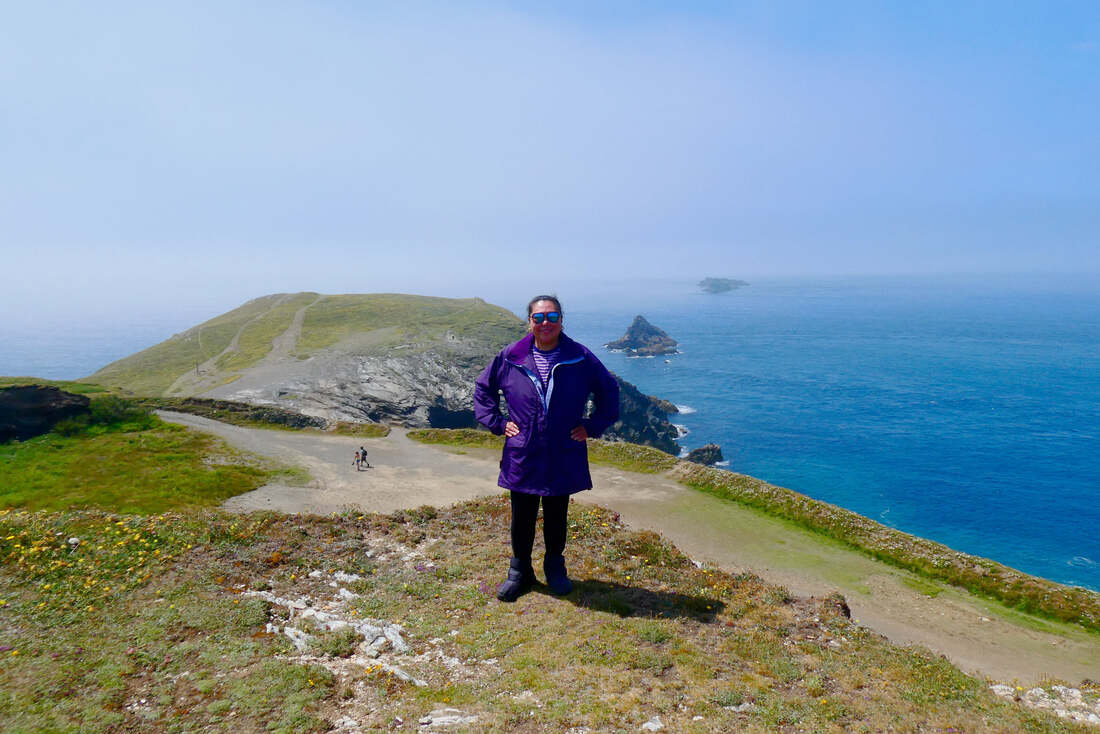
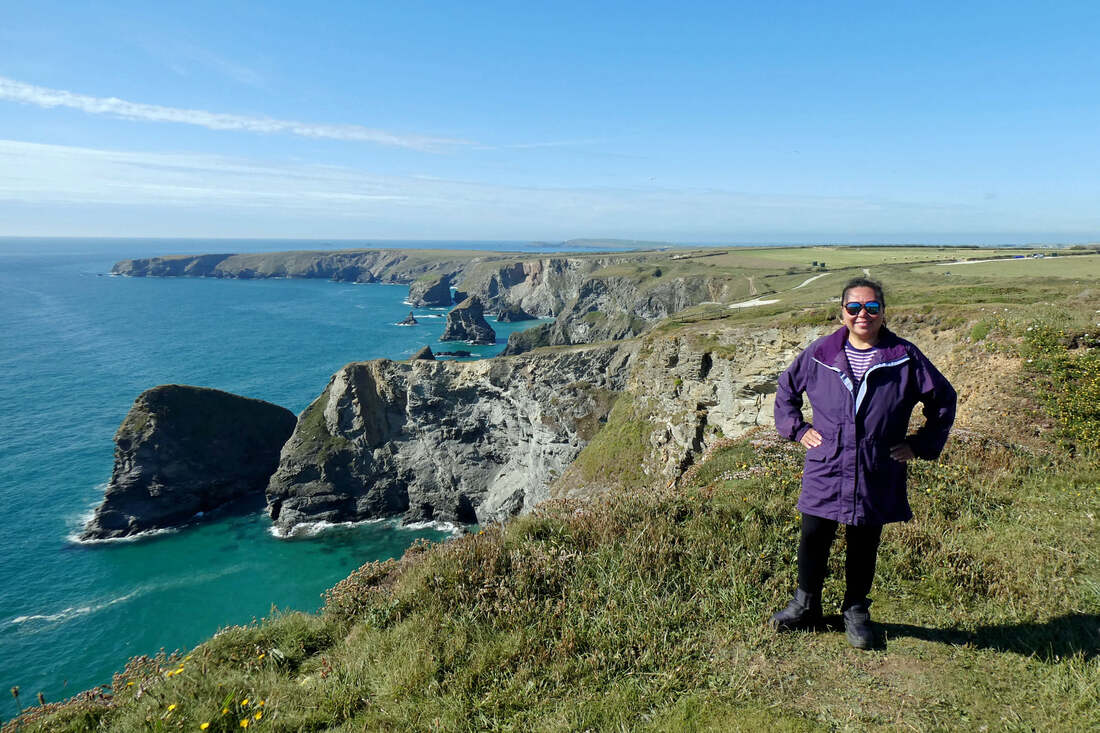
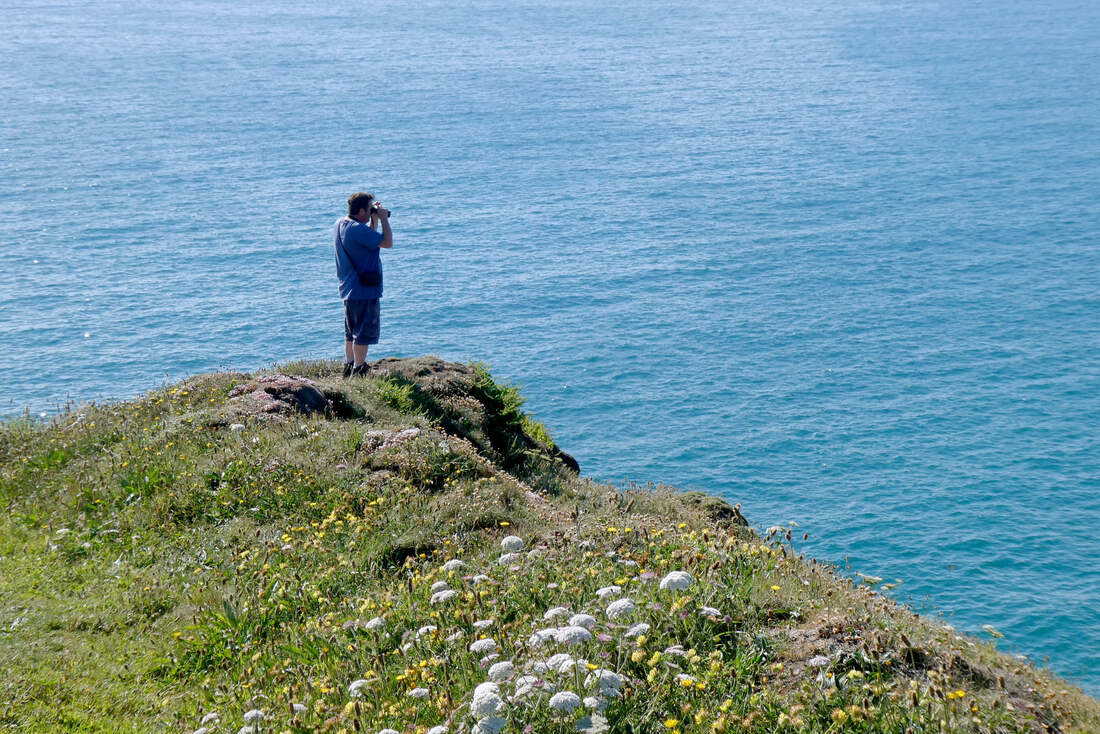
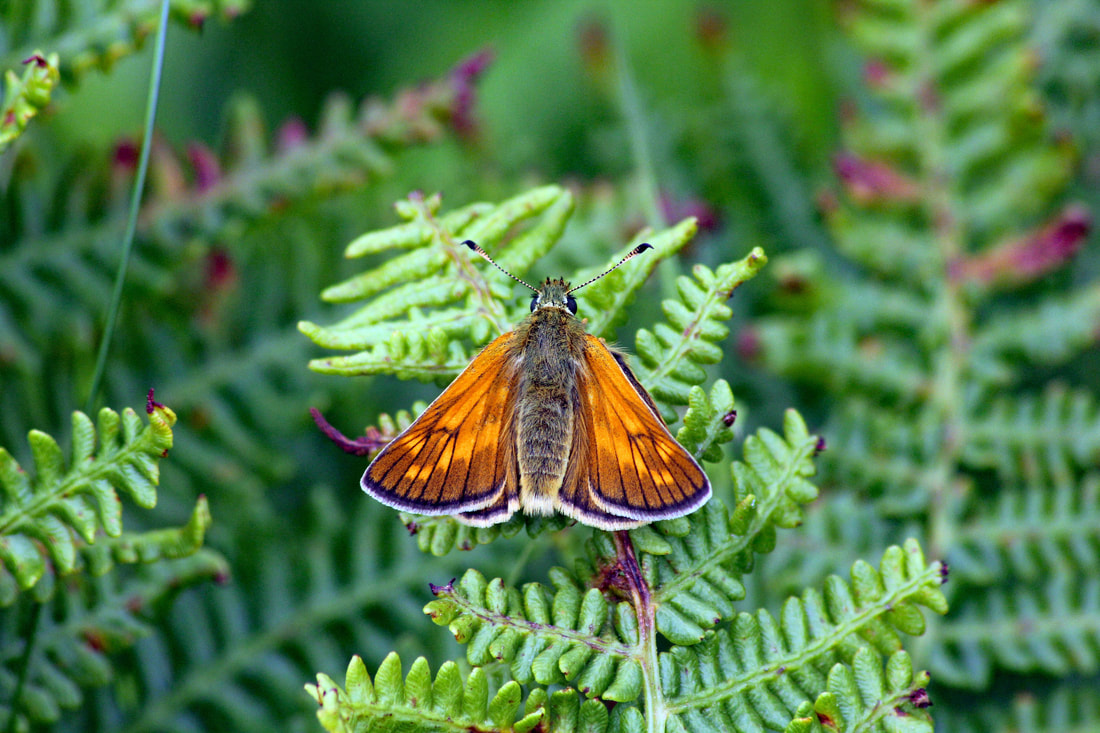
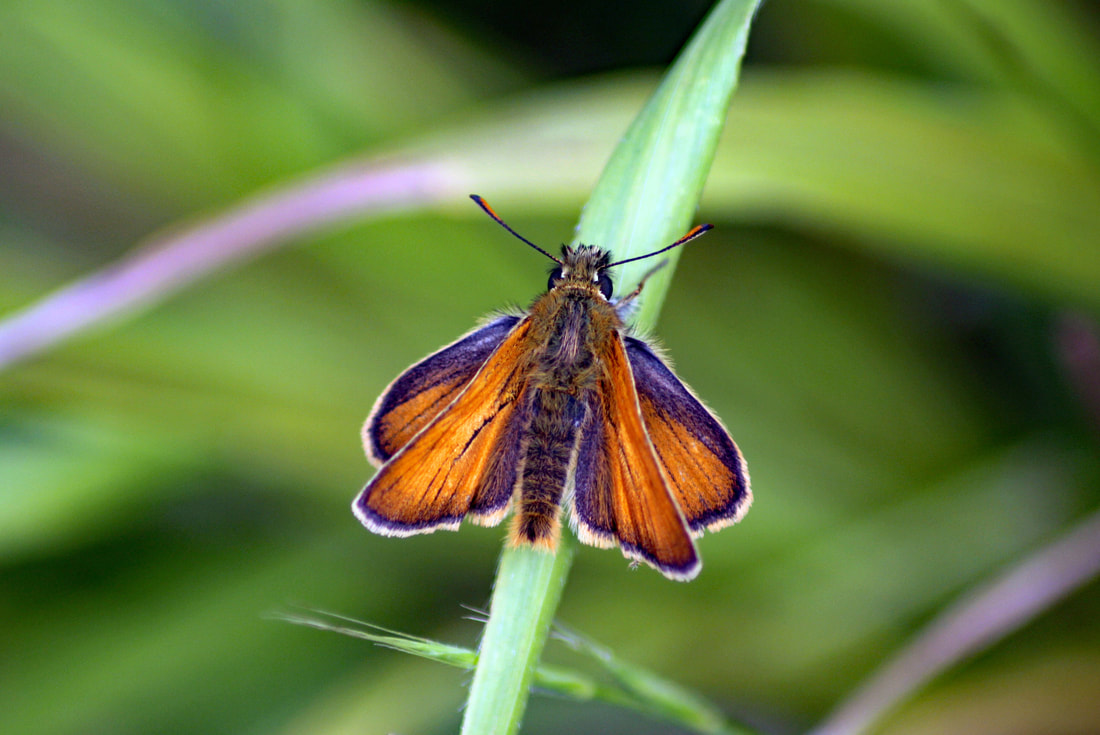
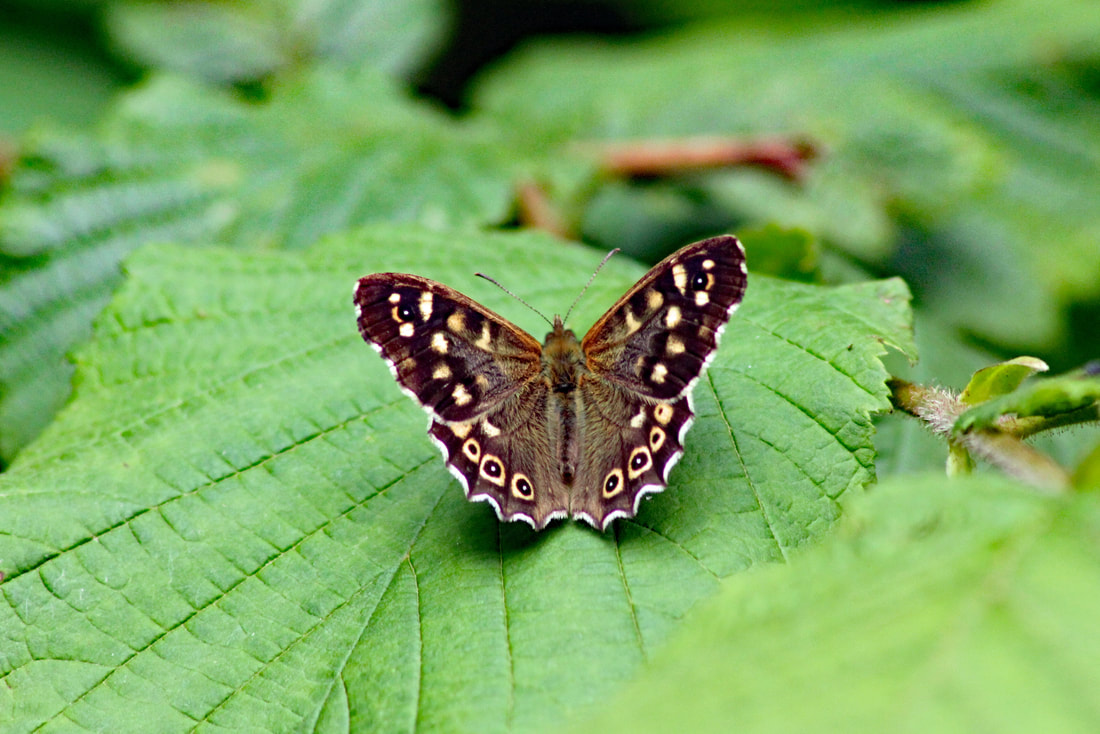
Great day out! Nature and wildlife walk in Portmellon Valley. Rich and diverse flora and fauna. Seen loads of amazing wildlife. Butterflies: Common Blue, Green Hairstreak, Large Skipper, Large White, Meadow Brown, Painted Lady, Red Admiral, Ringlet, Small Skipper, Small Tortoiseshell, Small White, Speckled Wood Dragonflies, Damselflies and Demoiselles Portmellon (Cornish: Porthmelin) is a coastal settlement in south and lies within the Cornwall Area of Outstanding Natural Beauty (AONB). Almost a third of Cornwall has AONB designation, with the same status and protection as a National Park. The sandy beach at Portmellon is safe for bathing and there is a public slipway for launching boats. Portmellon has a long history of building boats with many wooden–hulled boats leaving the workshop over the years, including Denis Hame's 20-footer named Vivian. The sandy beach is set in a small cove, a 20-minute walk from Mevagissey. The beach is around 150 metres long but is completely covered at high tide. At low tide rock pools are exposed and on some occasions seals can be seen swimming off the beach or resting on the rocks. 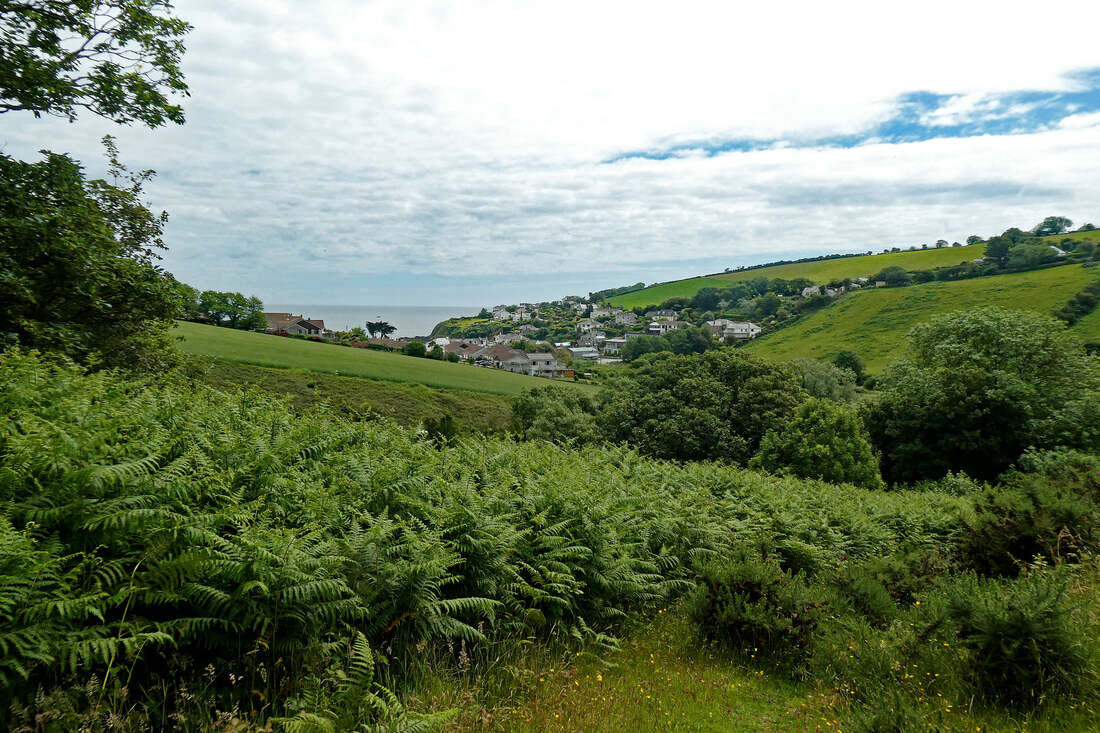 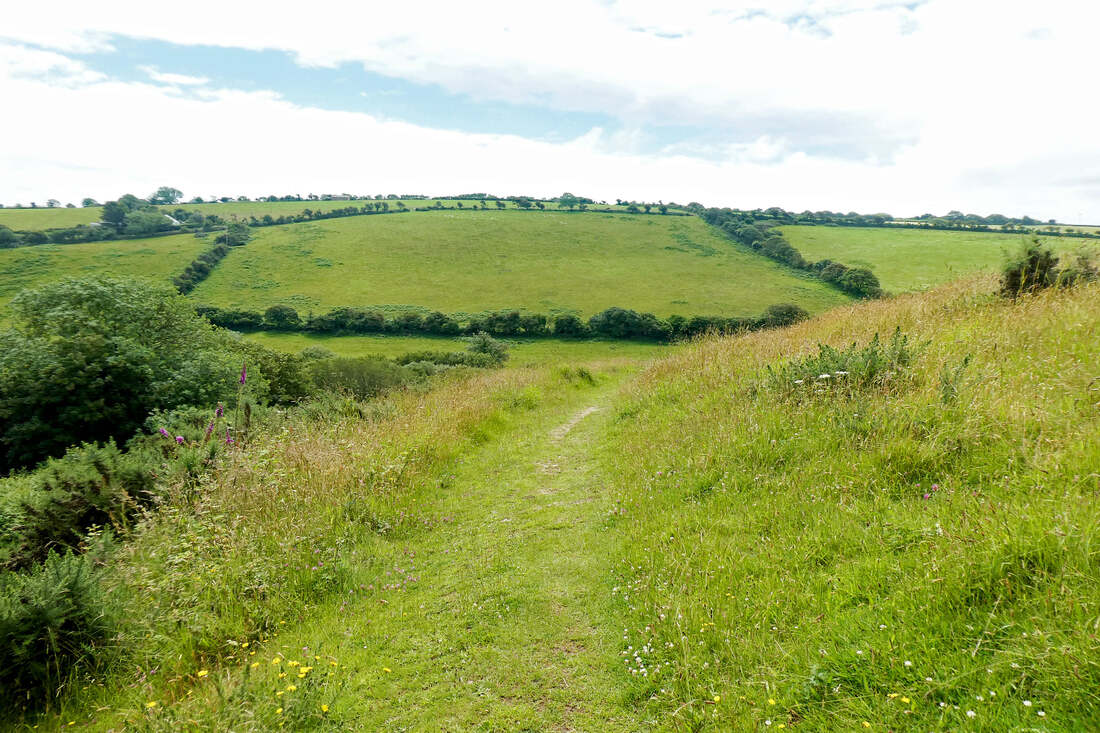 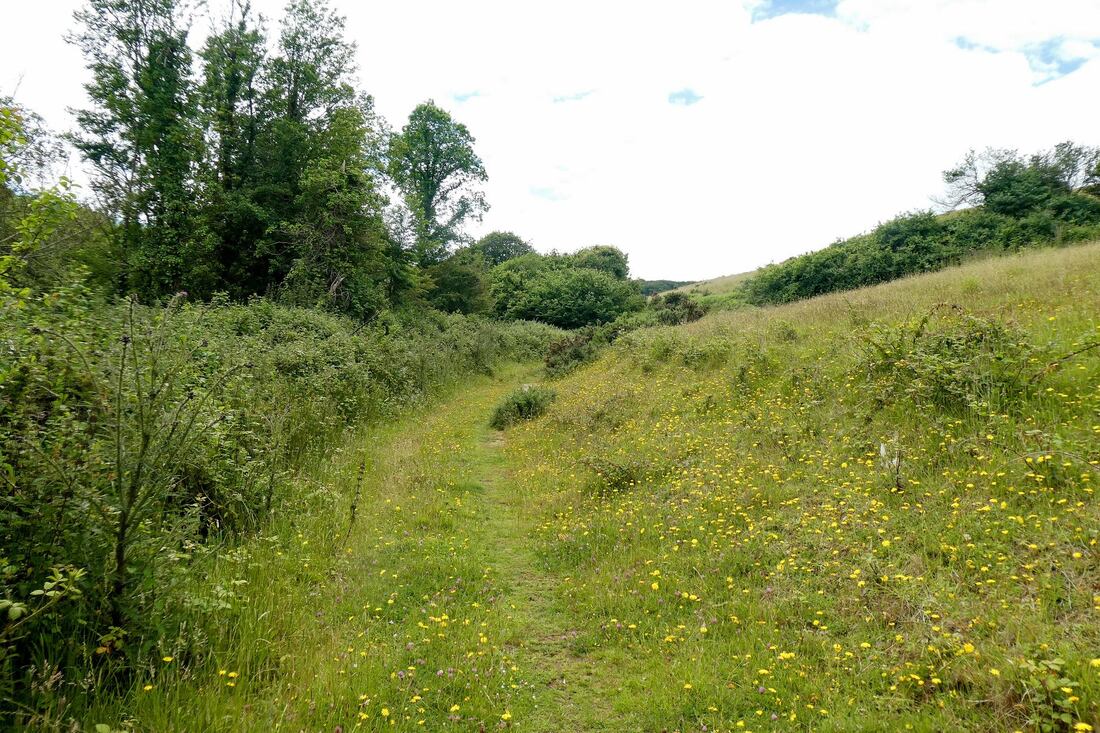 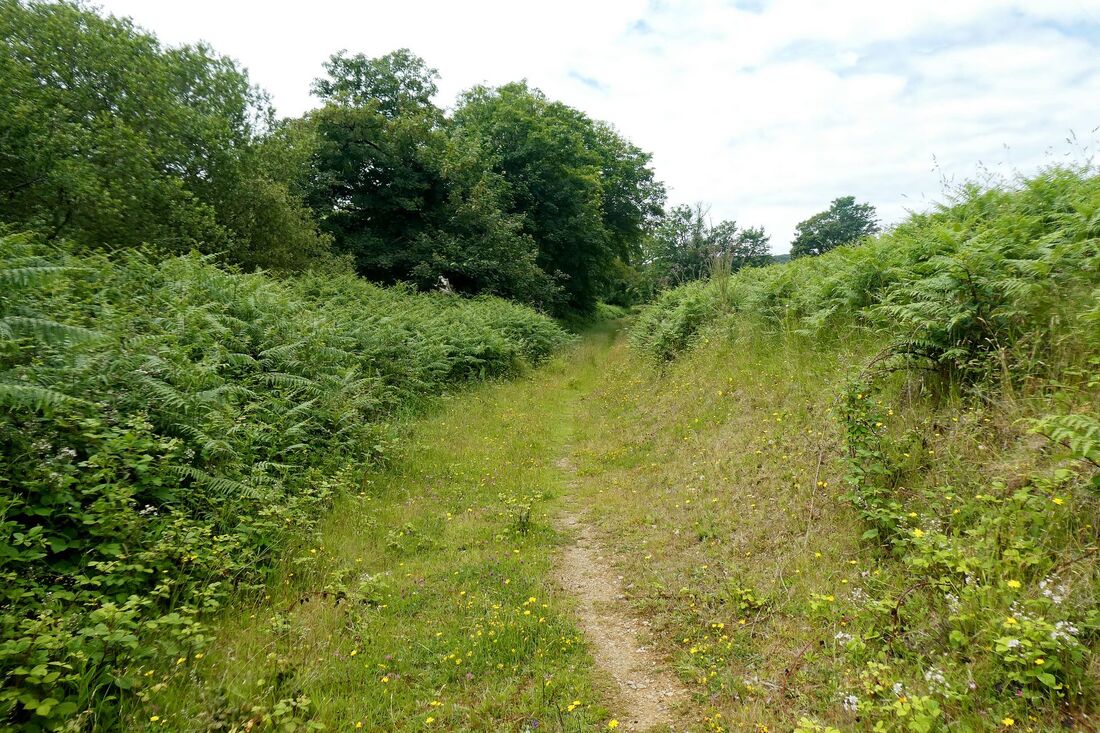 Portmellon Valley 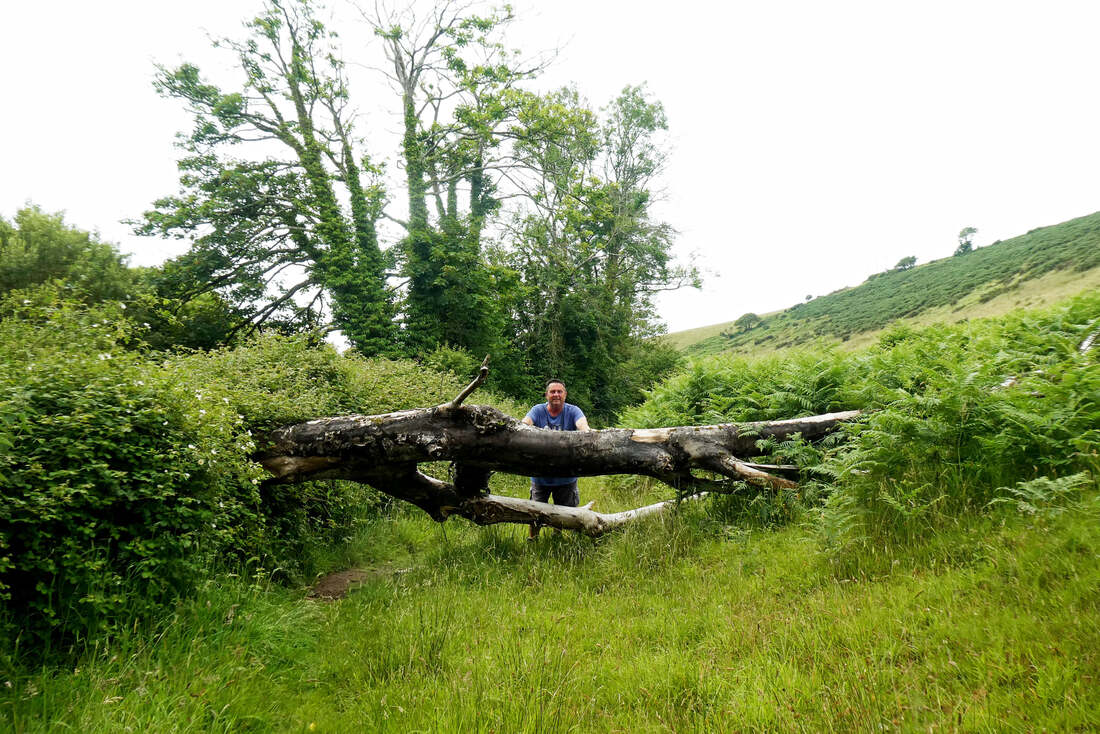 Rob with the big fallen tree. 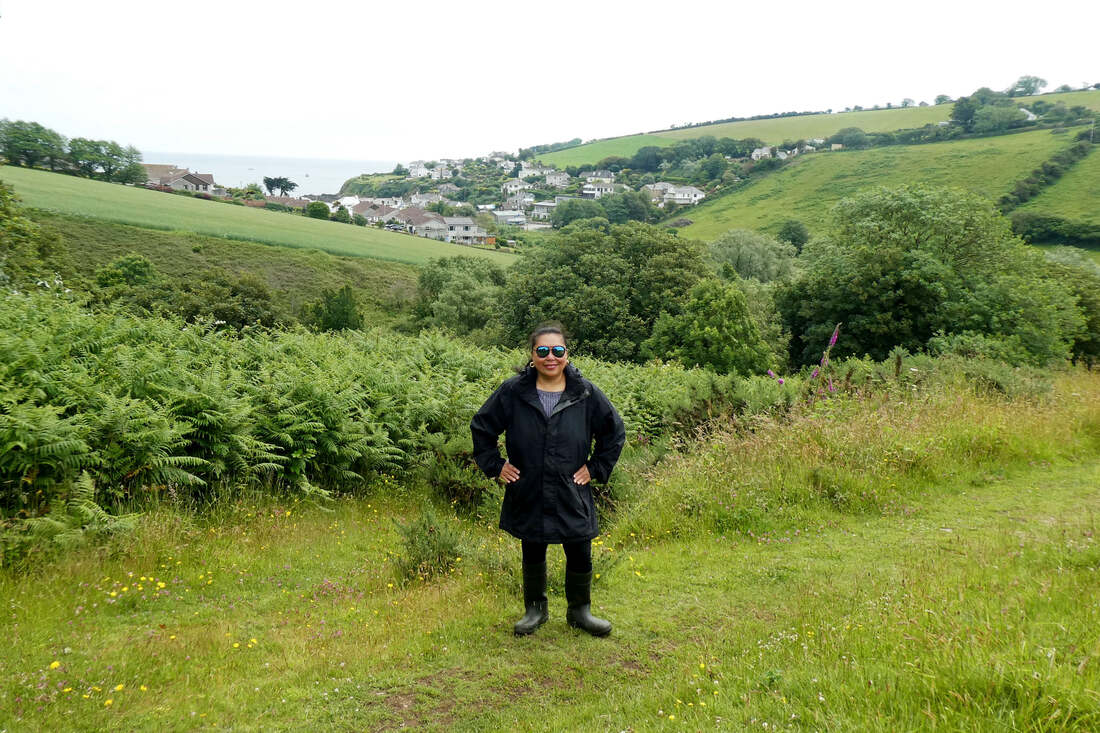 Beautiful Portmellon Valley Butterflies 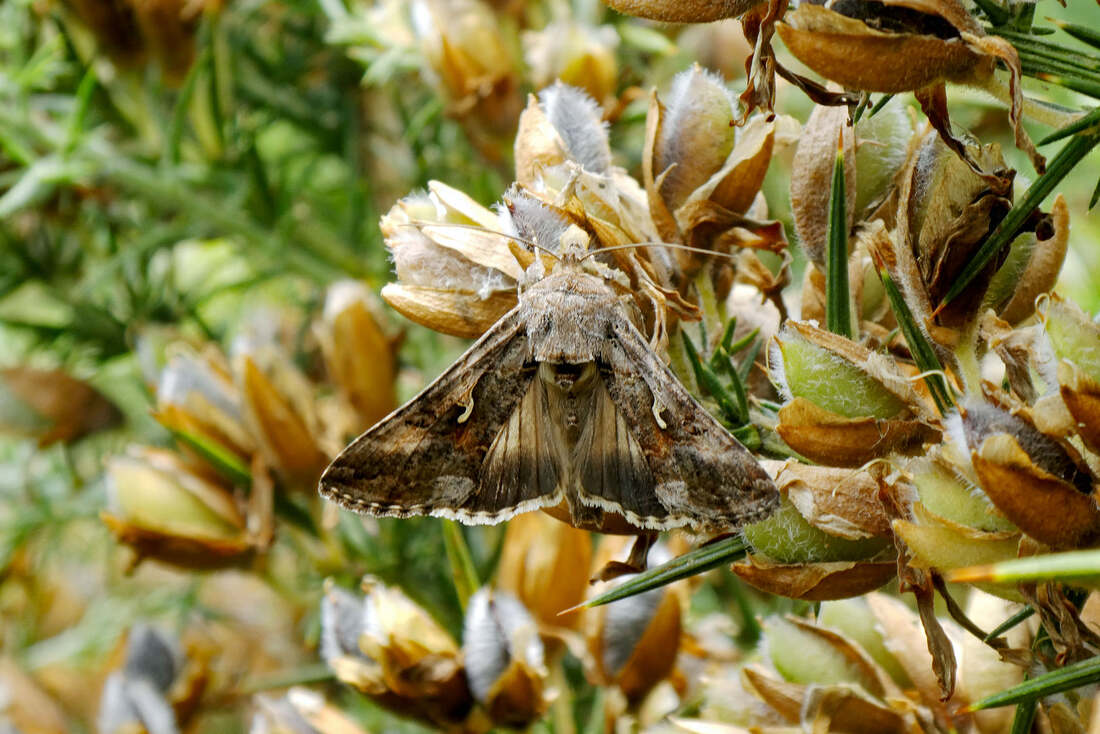 Moth Dragonflies Damselflies Demoiselles Great day out! Nature and wildlife walk in Trevose Head and Bedruthan Steps. Nothing beats the spectacular, dramatic and rugged North Cornwall Coast. Rich and diverse flora and fauna. Love it. 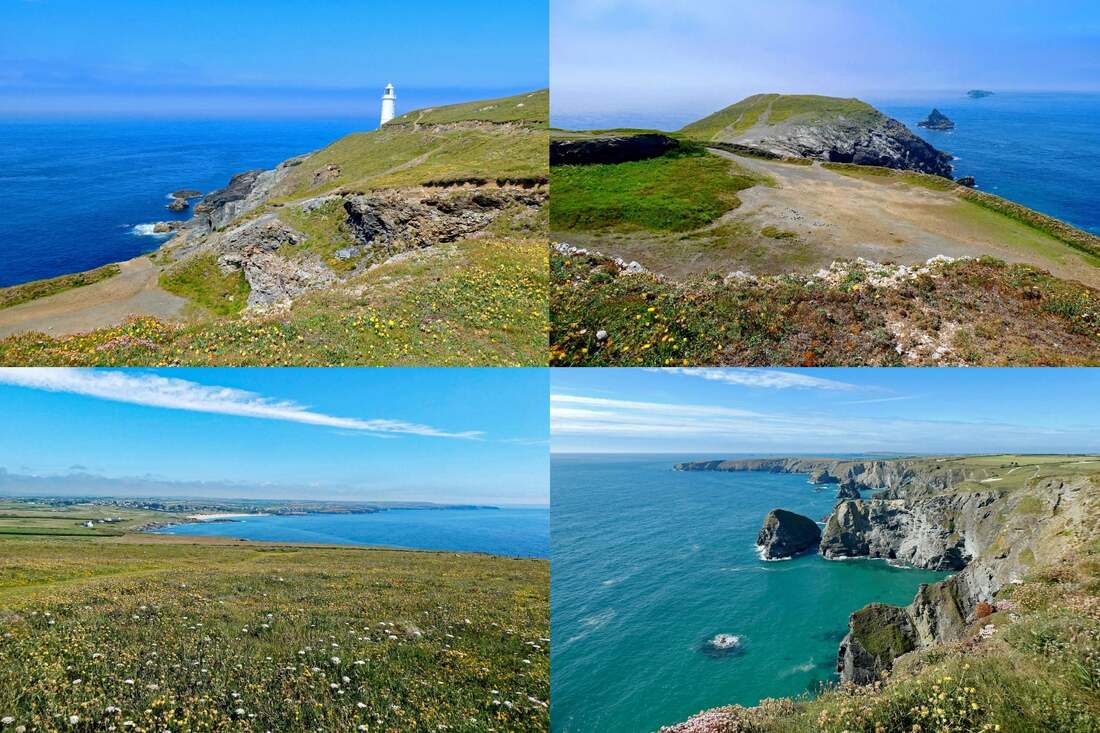 Trevose Head (Cornish: Penn Trenfos, meaning farm of the wall's headland[citation needed]) is a headland on the Atlantic coast of north Cornwall. It is situated approximately 5 miles (8.0 km) west of Padstow. The South West Coast Path runs around the whole promontory and is within the Cornwall Area of Outstanding Natural Beauty and the Trevose Head Heritage Coast. The headland is within the Trevose Head and Constantine Bay Site of Special Scientific Interest (SSSI) which is designated for both its biological and geological interests. Wild asparagus grows on the cliffs of Dinas Head and shore dock at the base of the cliffs. The cliffs are also important for breeding fulmar, razorbill and guillemot. 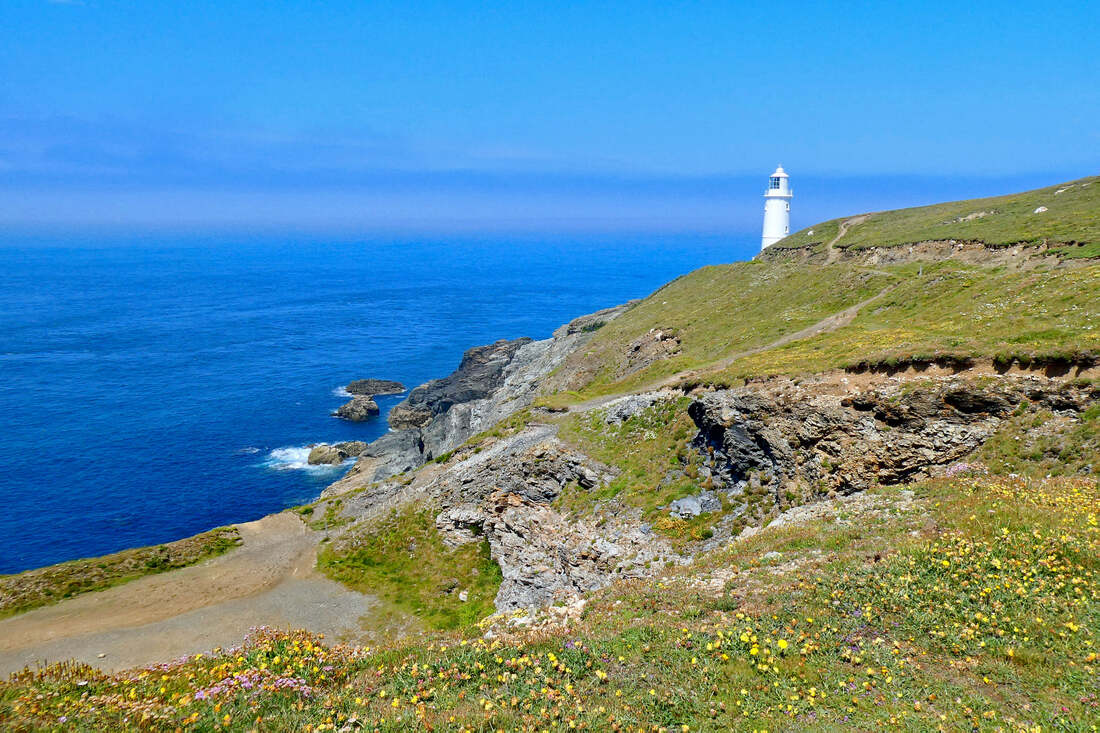 Trevose Lighthouse in the background. 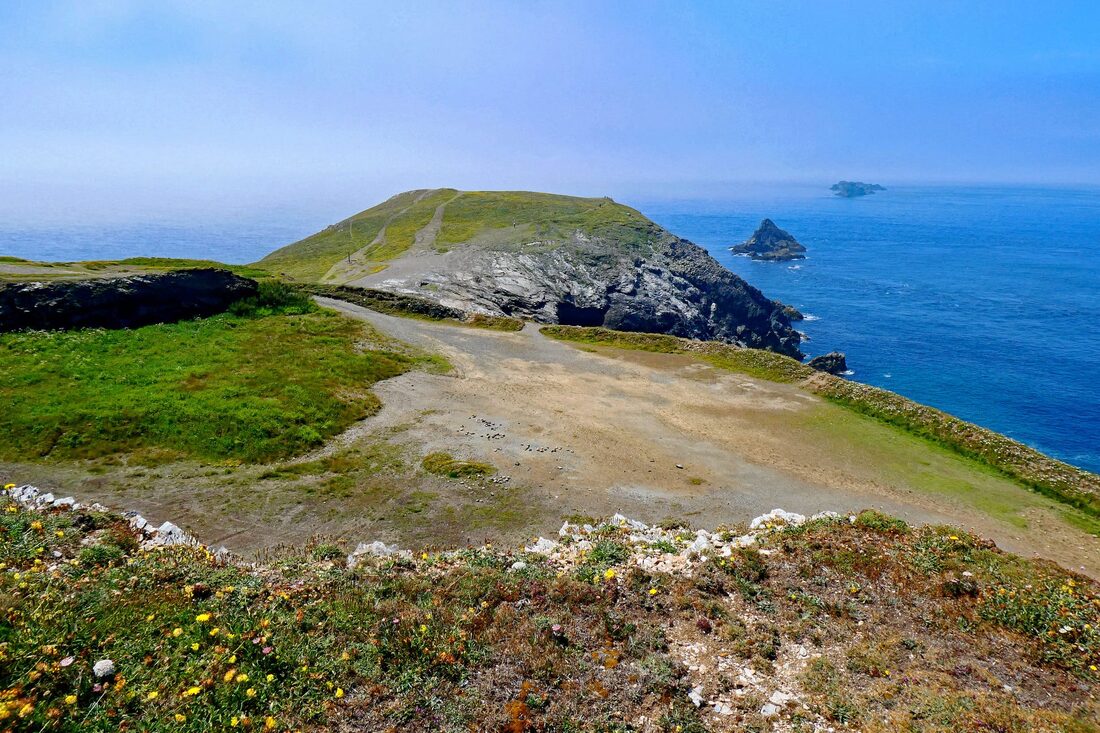 Trevose Head 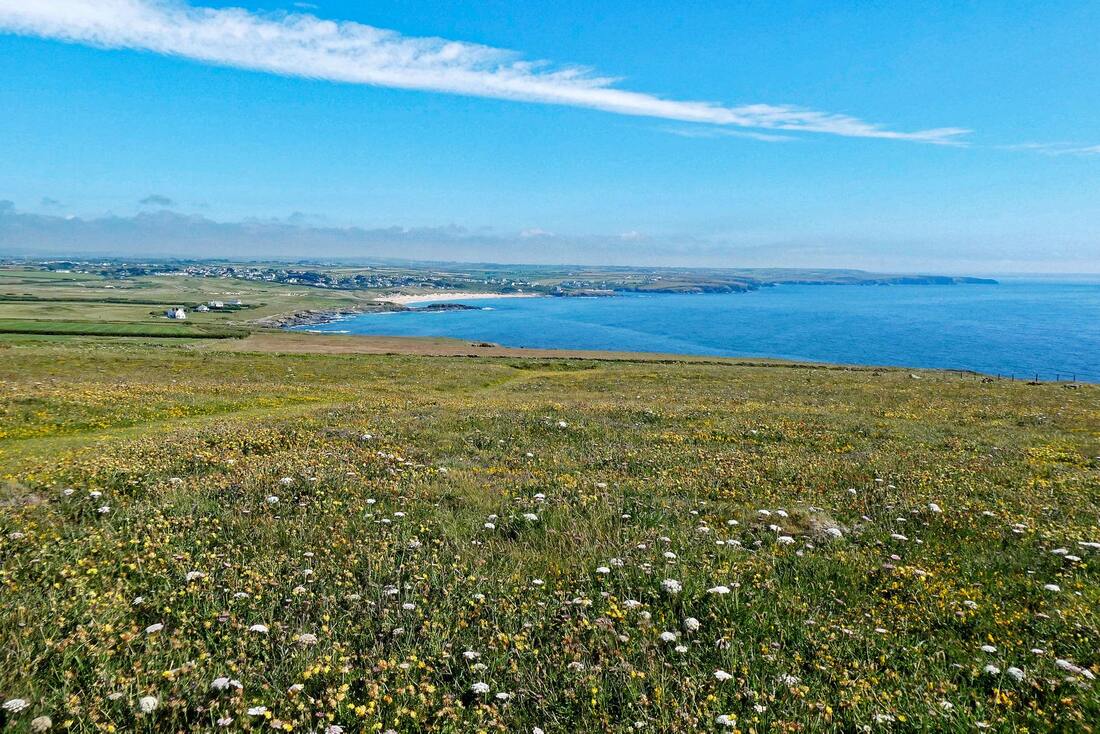 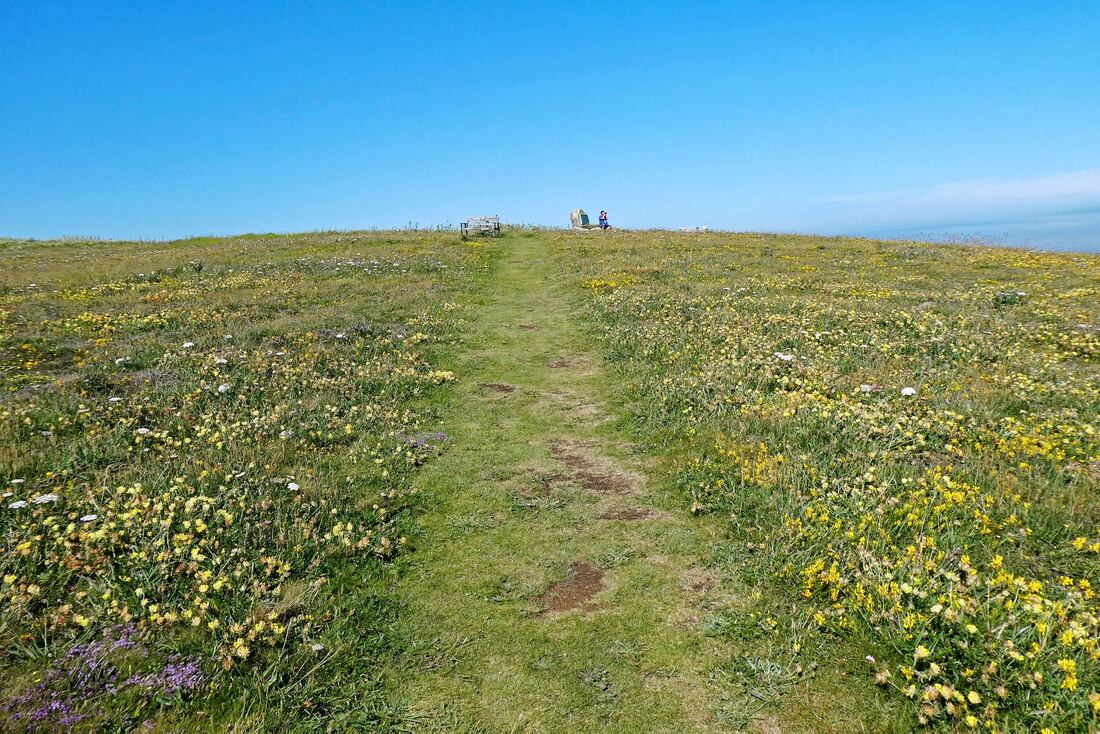 Beautiful Meadows Carnewas and Bedruthan Steps (Cornish: Karn Havos, meaning "rock-pile of summer dwelling" and Cornish: Bos Rudhen, meaning "Red-one's dwelling") is a stretch of coastline located on the north Cornish coast. The section of coastline from Carnewas to Stepper Point is part of the Cornwall Area of Outstanding Natural Beauty[9] and subject to special landscape protection. In addition, Bedruthan Steps and Park Head is an 80.8-hectare (200-acre) Site of Special Scientific Interest, designated for its geological and biological interest in 1951. The site was subject to a revision in 1973 and renotified in 1986. It is noted for its slates and fossils from the Middle Devonian period, various mosses, and beetles. Bedruthan Steps is also a Geological Conservation Review site because it is a ″source of rare fish specimens″, which were first reported in 1848 by W Pengelly. Flora: The coast here is exposed to westerly winds and the clifftops provide an exposed environment best suited to low-growing plants. Flowers to be found along the cost between Mawgan Porth and Bedruthan include Bird's foot trefoil, Kidney vetch, Sheep’s-bit and Spring squill, plus the distinctly maritime species Sea Pink (Thrift) and Sea Campion. Geology: The bedrock at Bedruthan Steps is at the northernmost extent of a series of sedimentary rocks classified as sandstone, siltstone and mudstone and known as the Bedruthan Formation. The underlying rock from Bedruthan Steps to Trevose Head is Middle Devonian slates (386–377 Mya) with Staddon Grits to the south towards Trenance Point. The thickness of the slates have been estimated at over 2,000 m (6,600 ft). Marine erosion by the sea carrying sand and pebbles has worn away the weaker, softer rocks to leave the stacks seen today. Fossils of fish, corals, trilobites, etc. have been found in the Eifelian slates on Samaritan and Pendarves Islands. Few fossils are useful for dating here, but one (although considered to be problematical) Pteroconus mirus dates the formations to the Eifelian. At the end of the headland of Park Head (grid reference SW840708) is a subvolcanic rock, Diabase. Dark Sky discovery site In 2014, the area was granted "Dark Sky" status by the Science and Technology Facilities Council. Dark Sky discovery sites must be free from light pollution and have good views of stars and the Milky Way, and be accessible to the public. 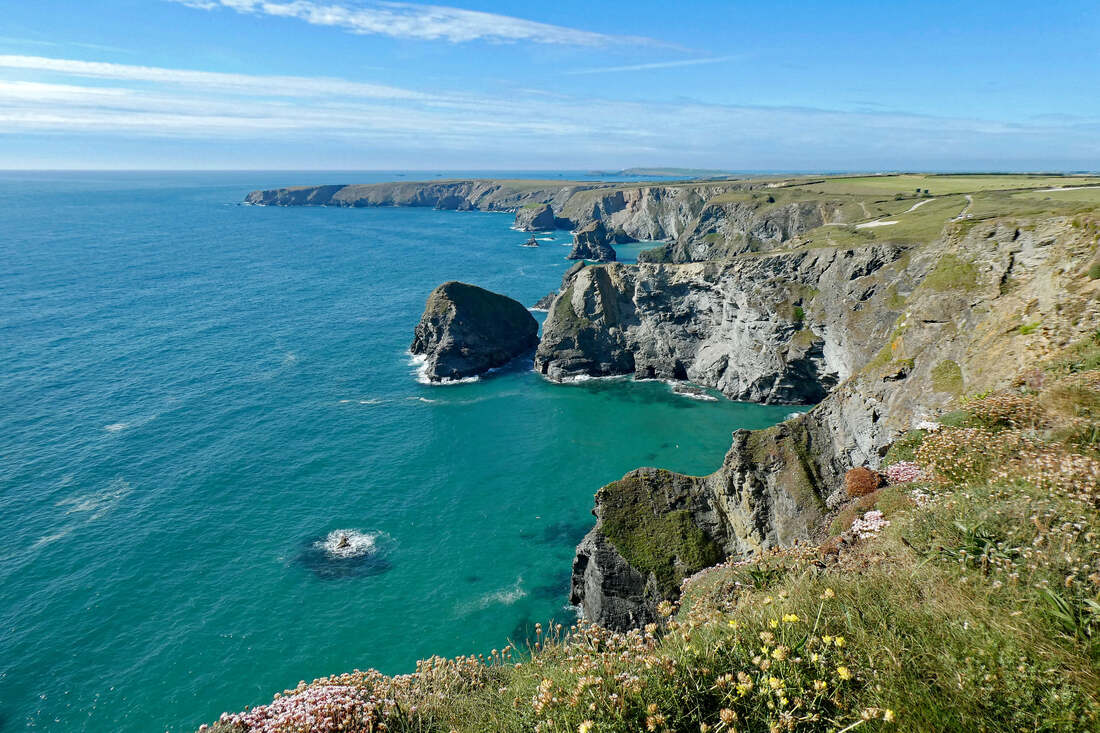 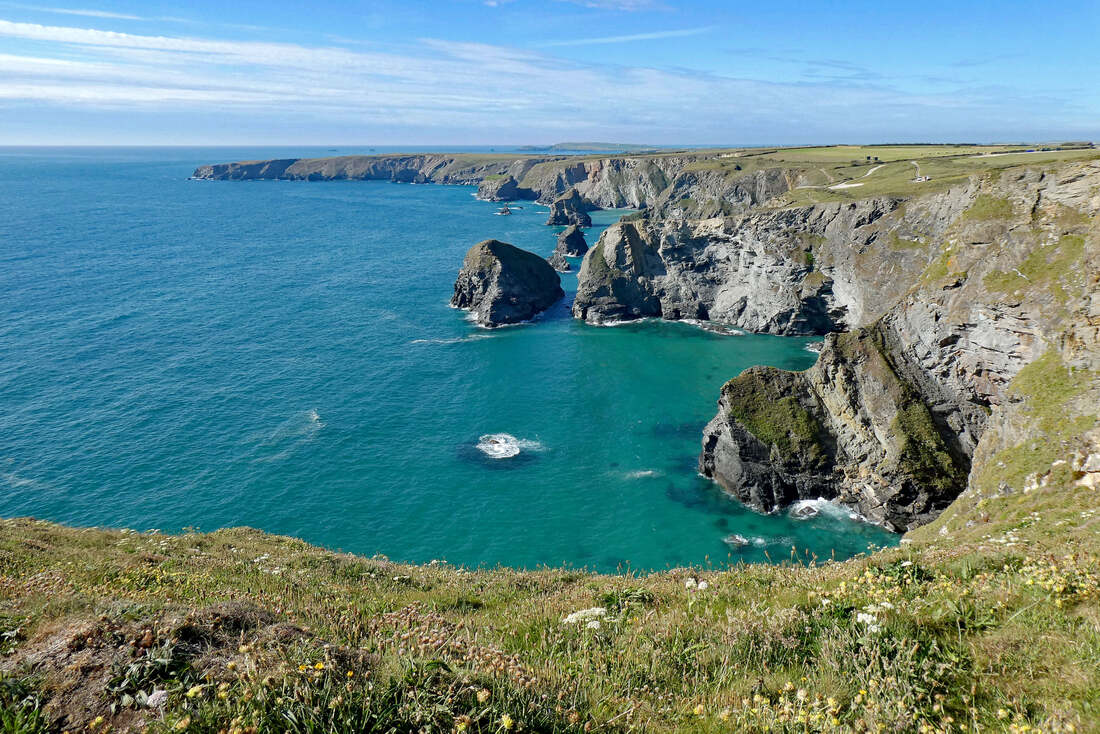 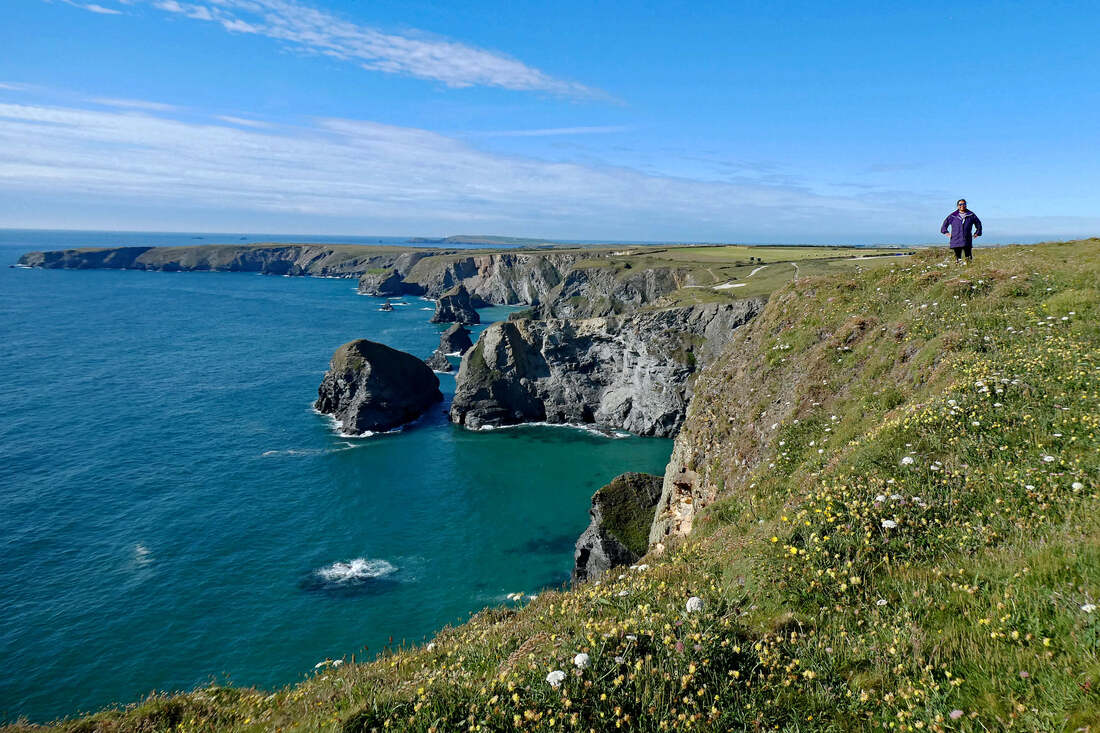 Bedruthan Steps
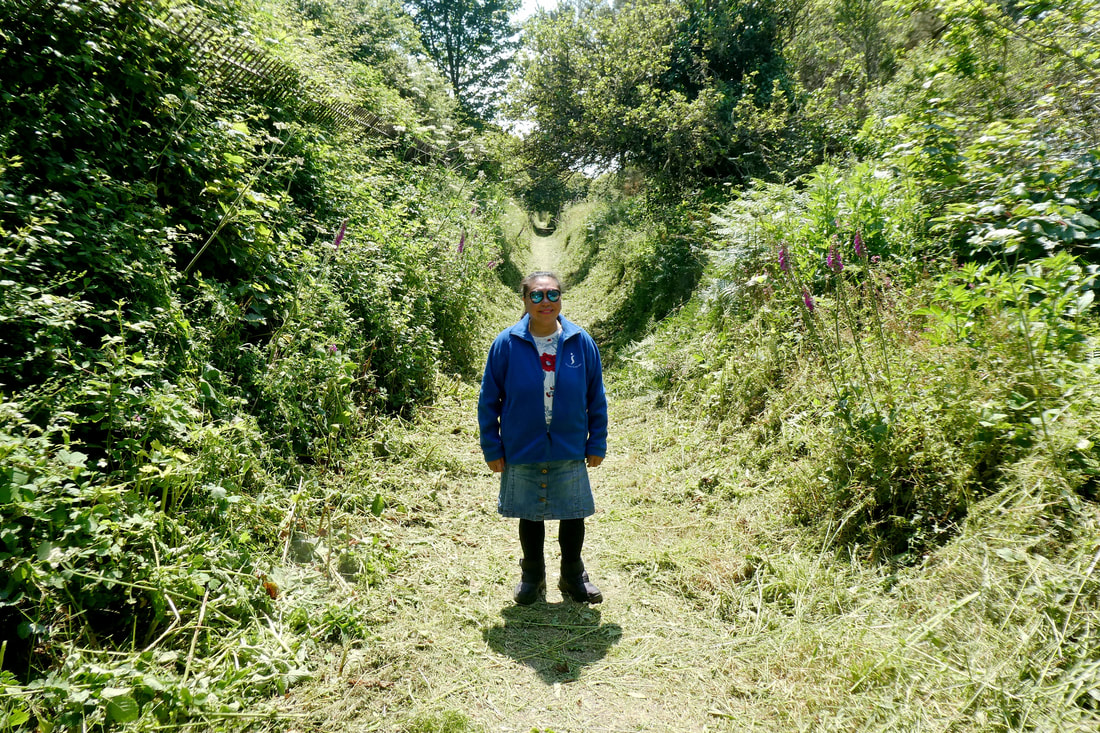
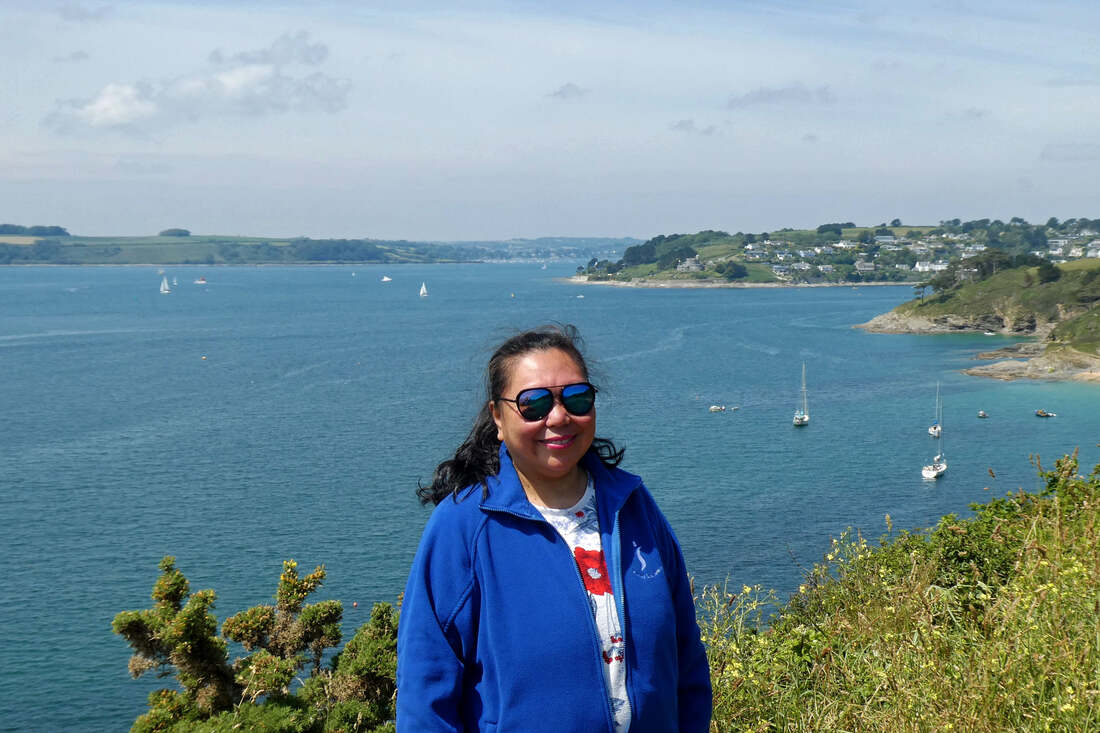
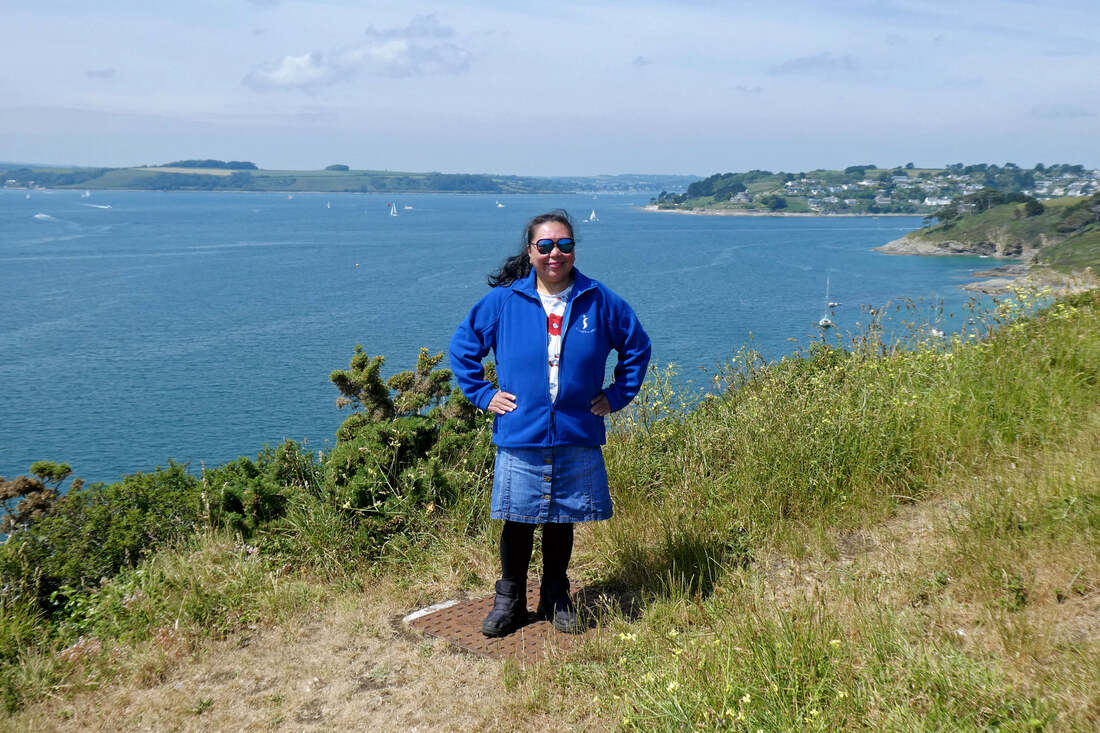
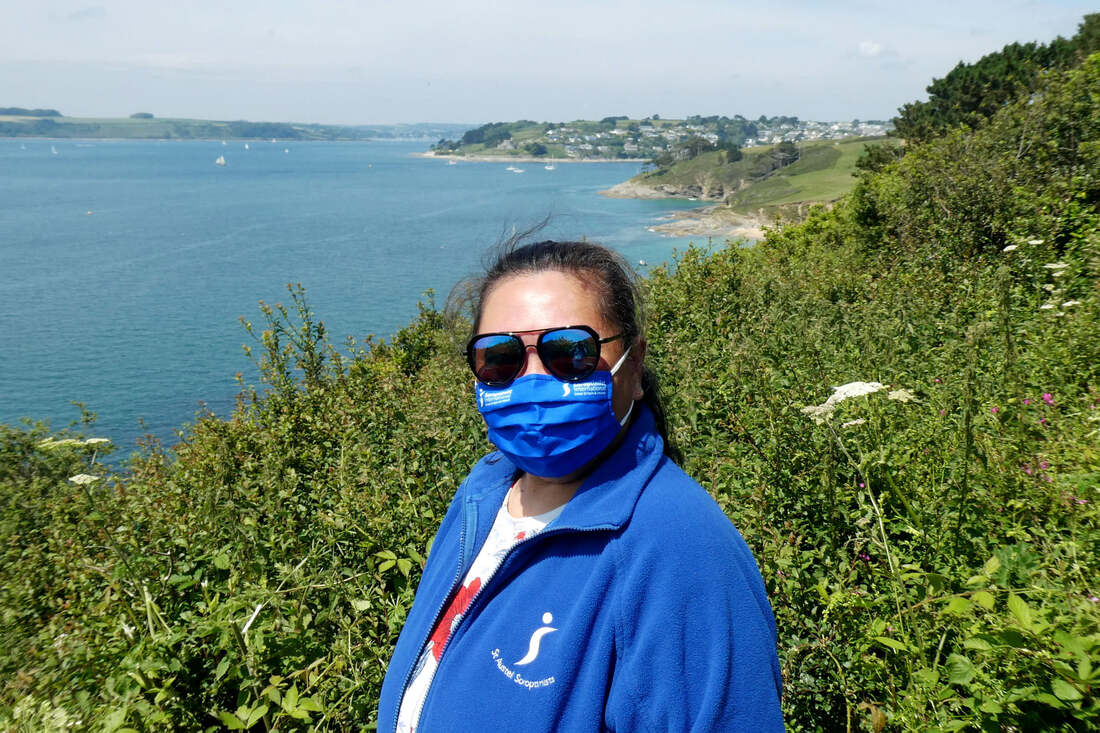
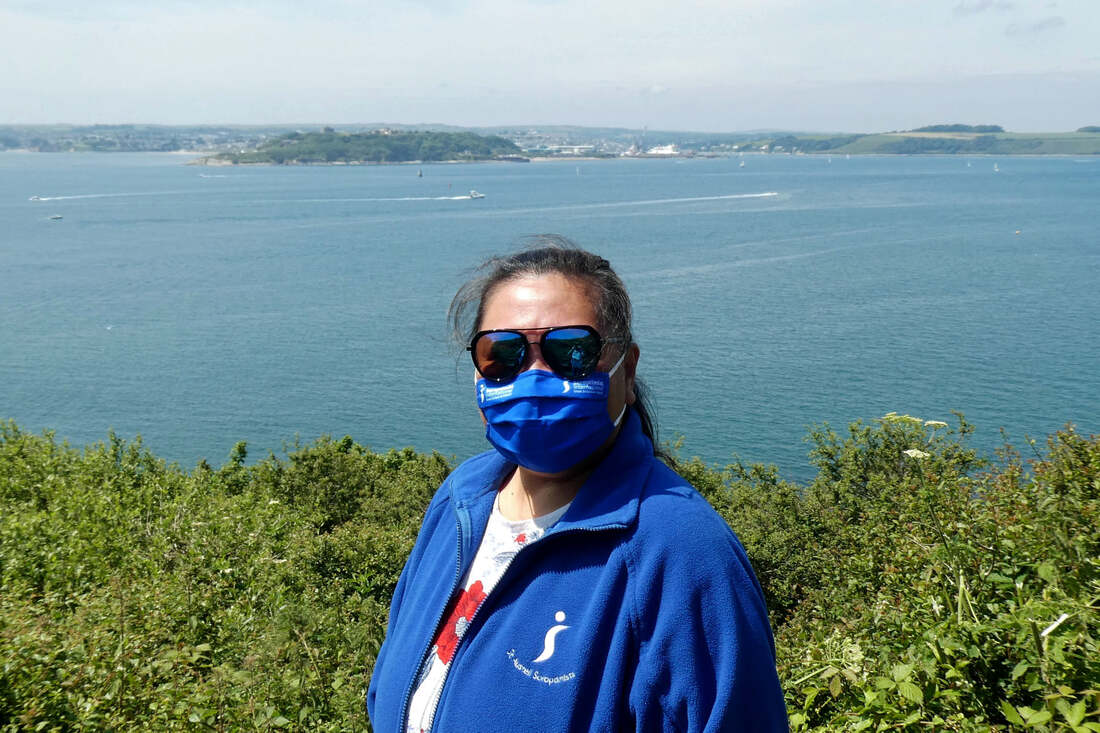
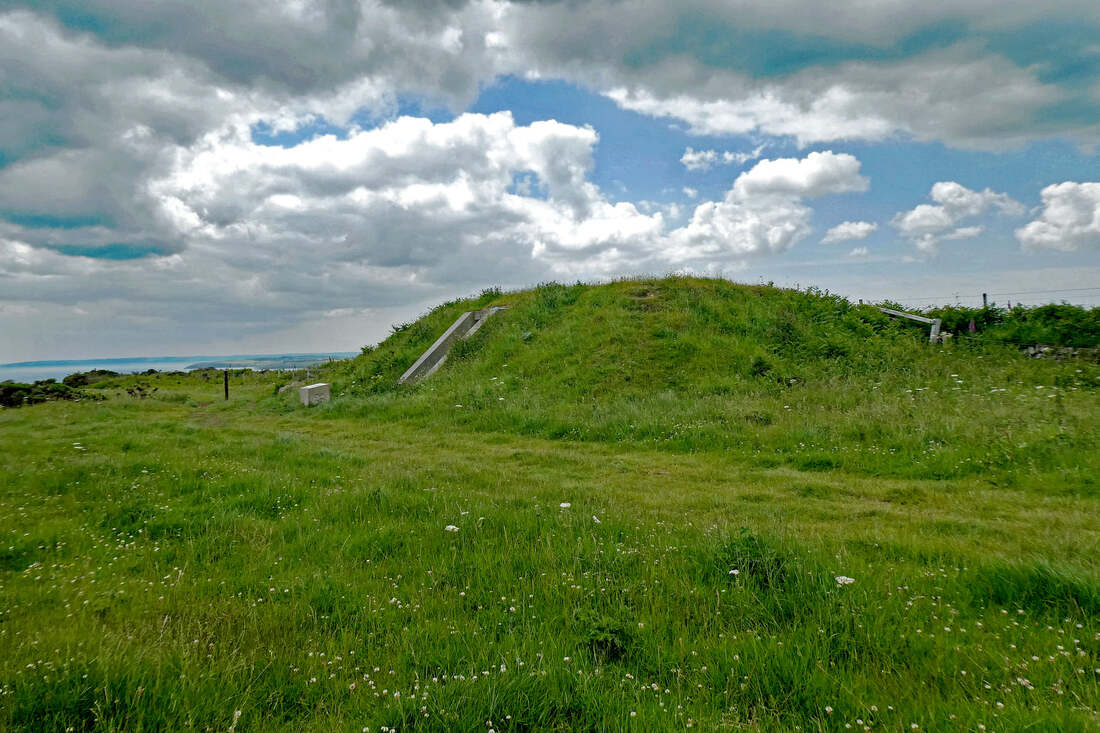
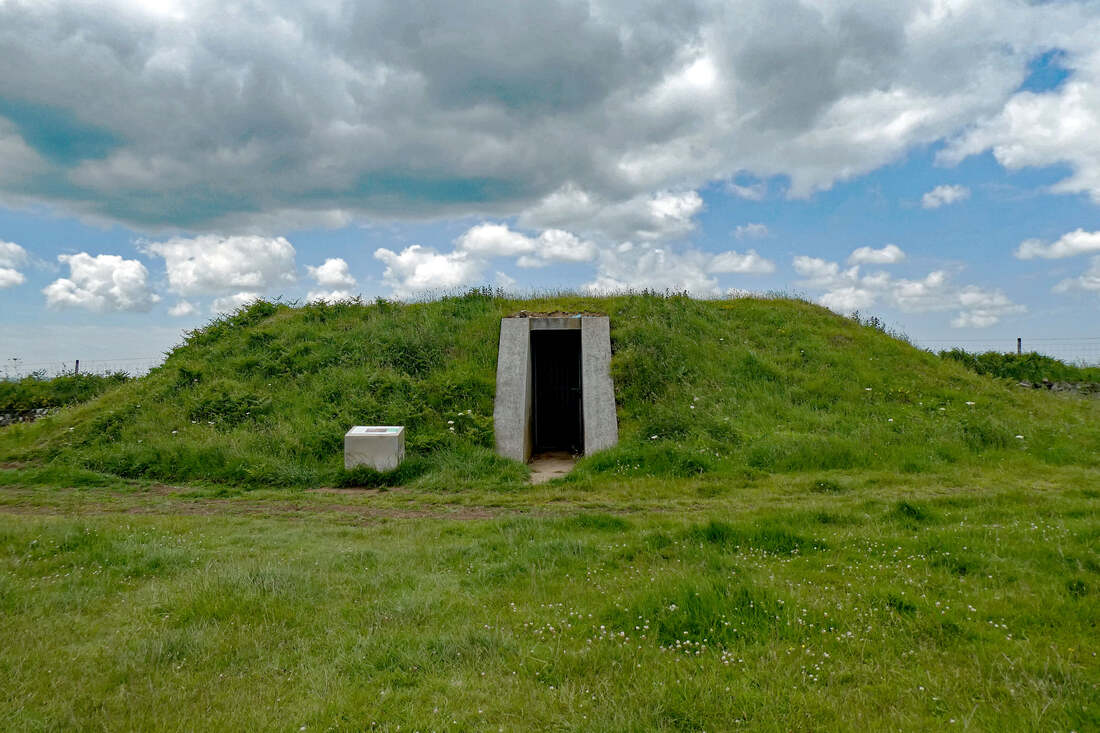
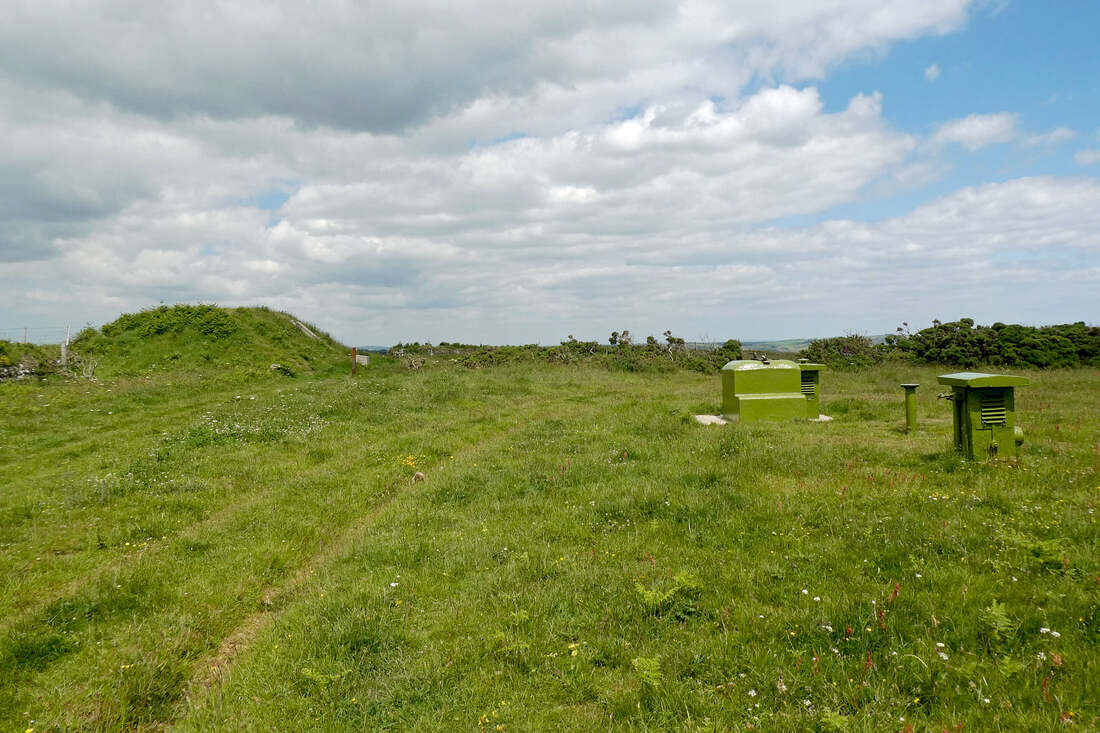
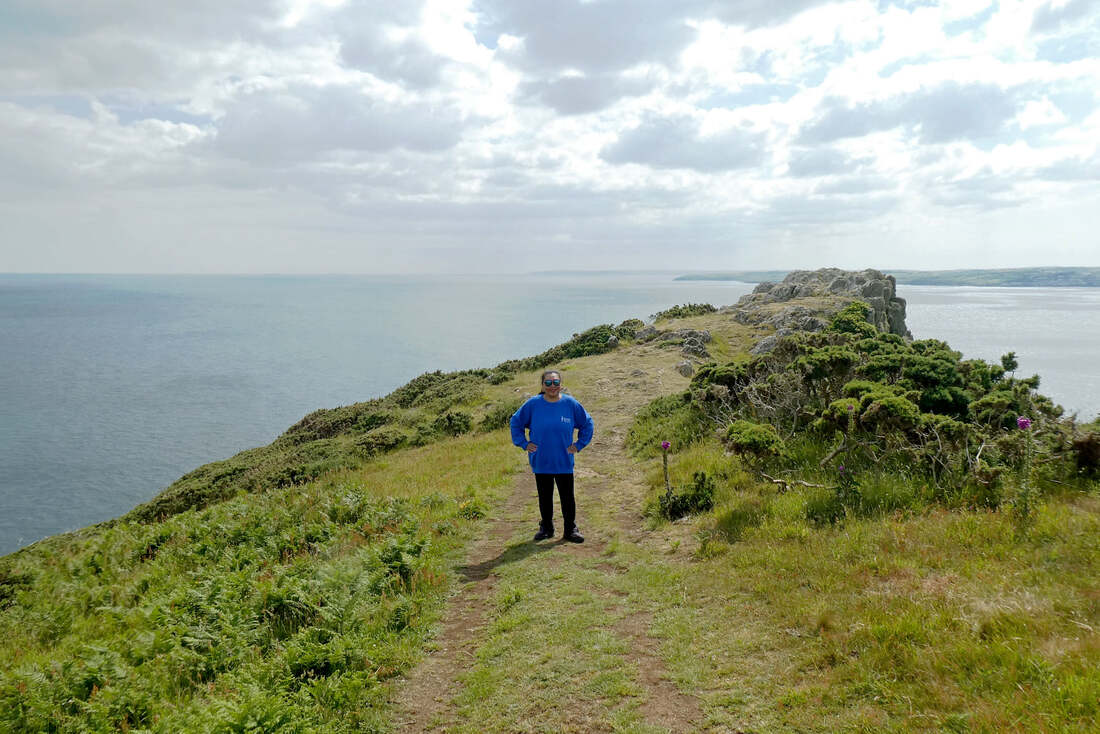
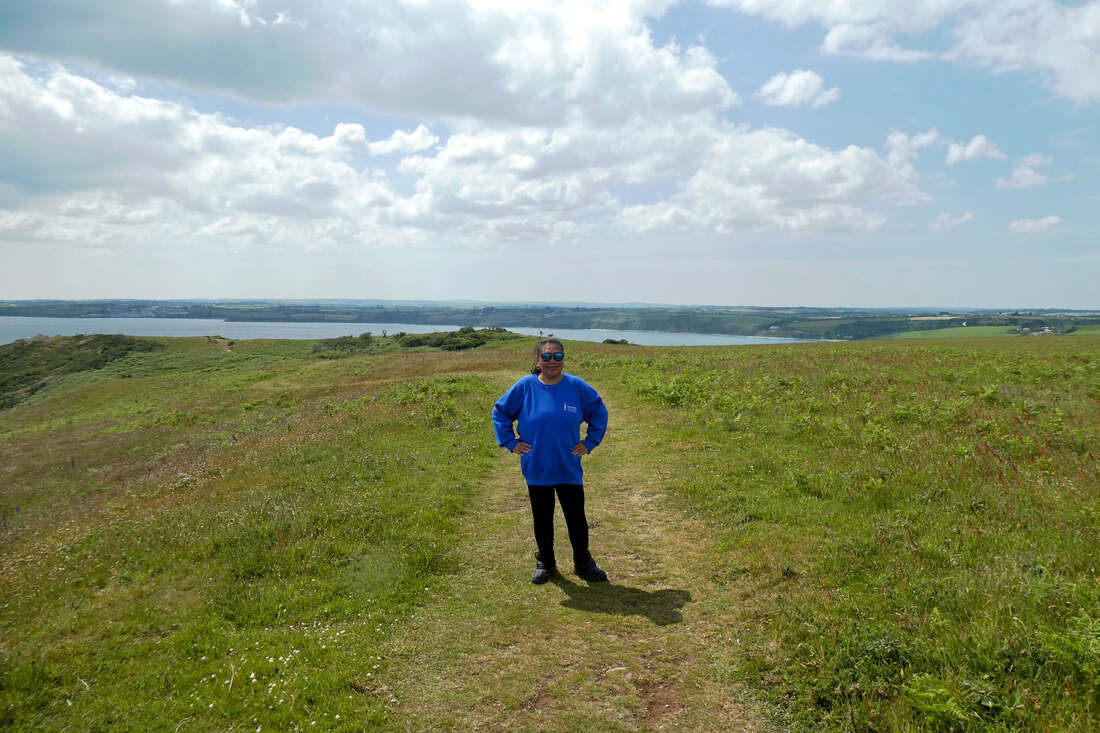
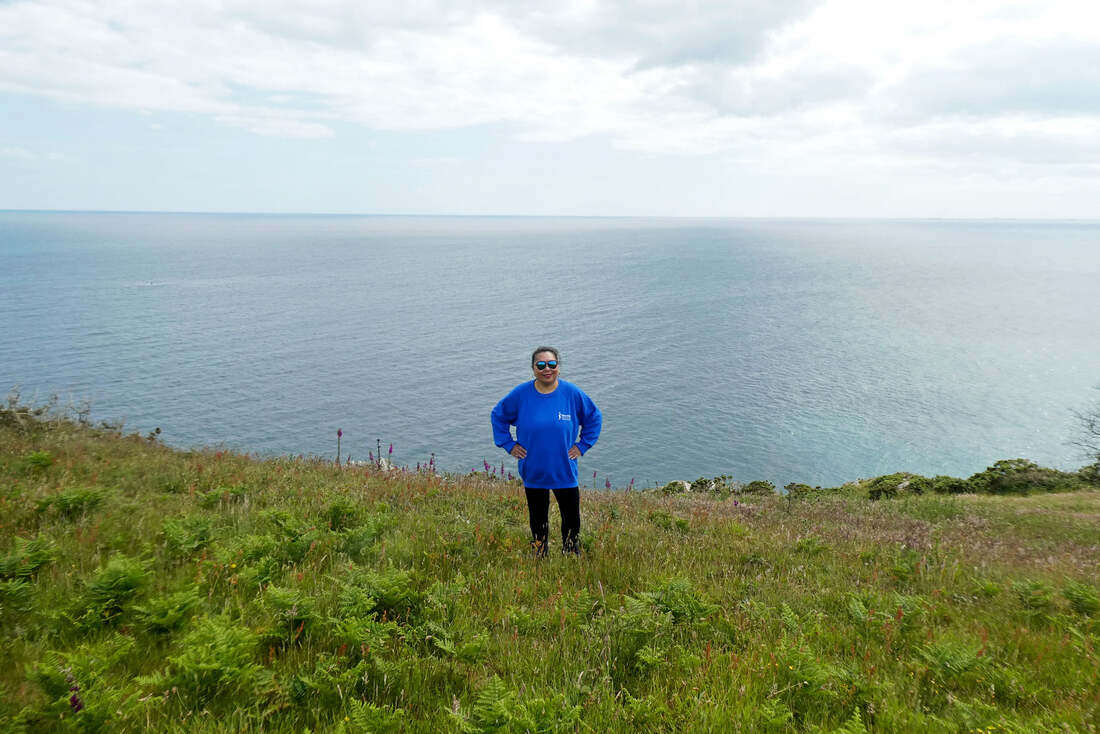
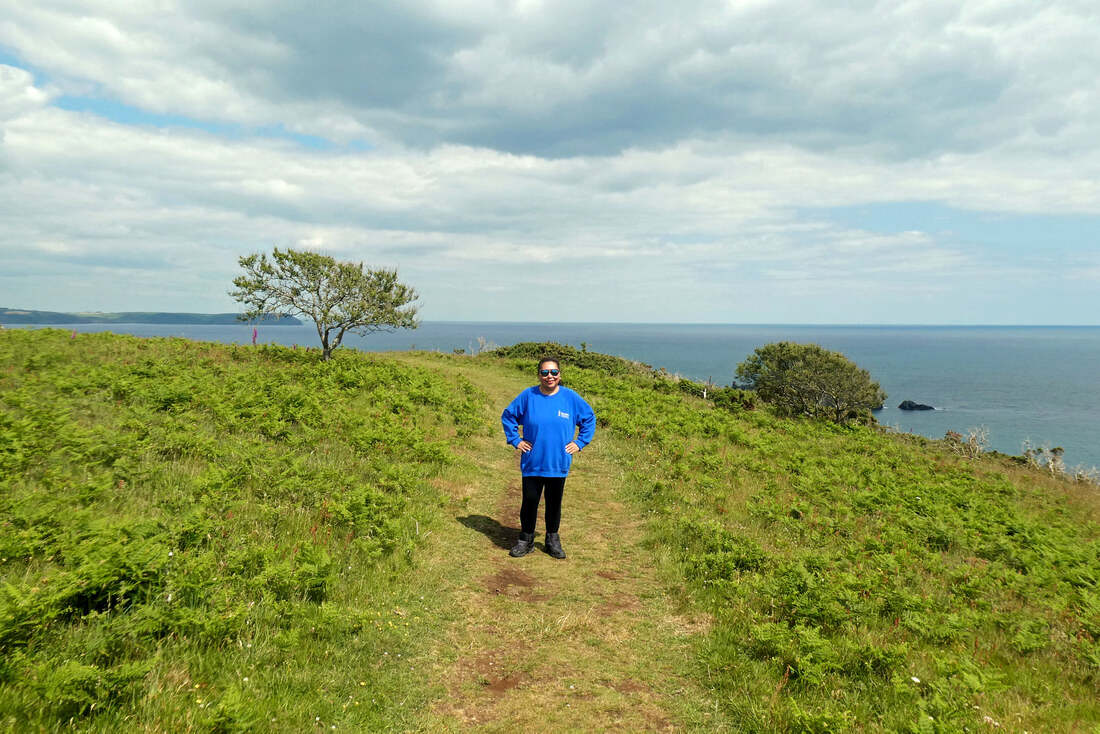
Great day out! Nature and wildlife walk in St Anthony Head. Scenic views. Seen loads of amazing wildlife but only manage to get a few photos and videos. St Anthony Head is a National Trust property situated at the southernmost tip of the Roseland Peninsula, overlooking the entrance to one of the world's largest natural harbours: Carrick Roads and the estuary of River Fal. It preserves the former St Anthony Battery, built in 1895–97 to defend the estuary of the River Fal. The headland is designated as part of Carricknath Point to Porthbean Beach and Lower Fal and Helford Intertidal Sites of Special Scientific Interest. At its tip lies St Anthony's Lighthouse. 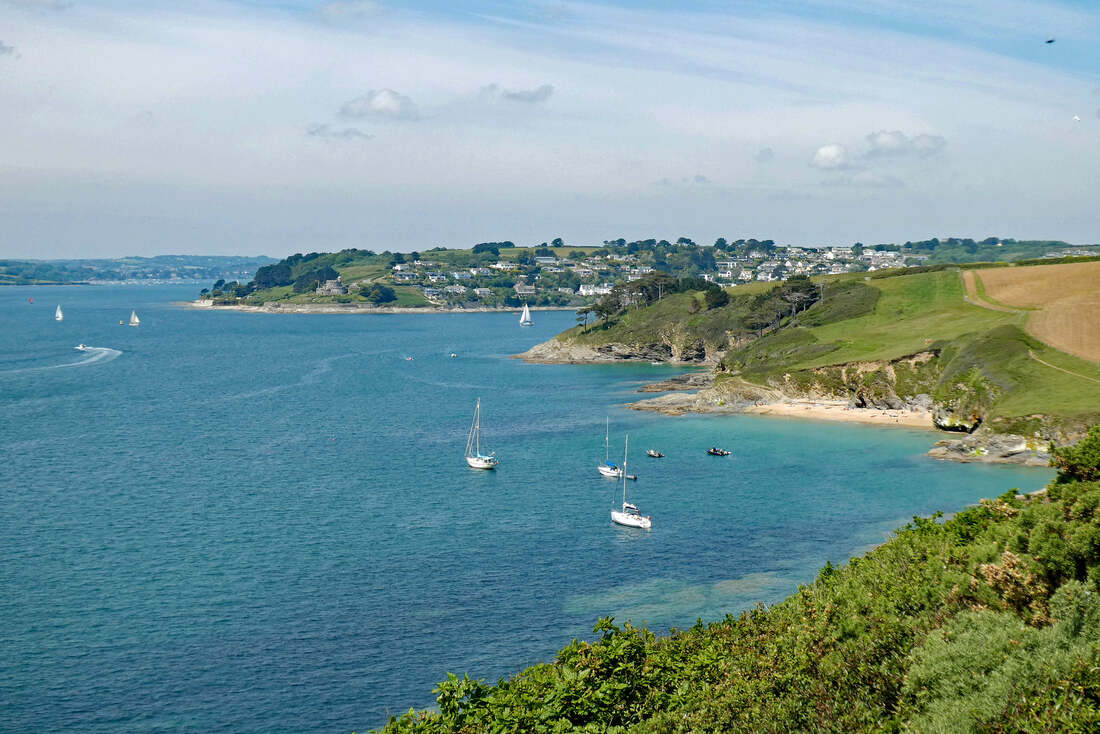 St Mawes in the distance 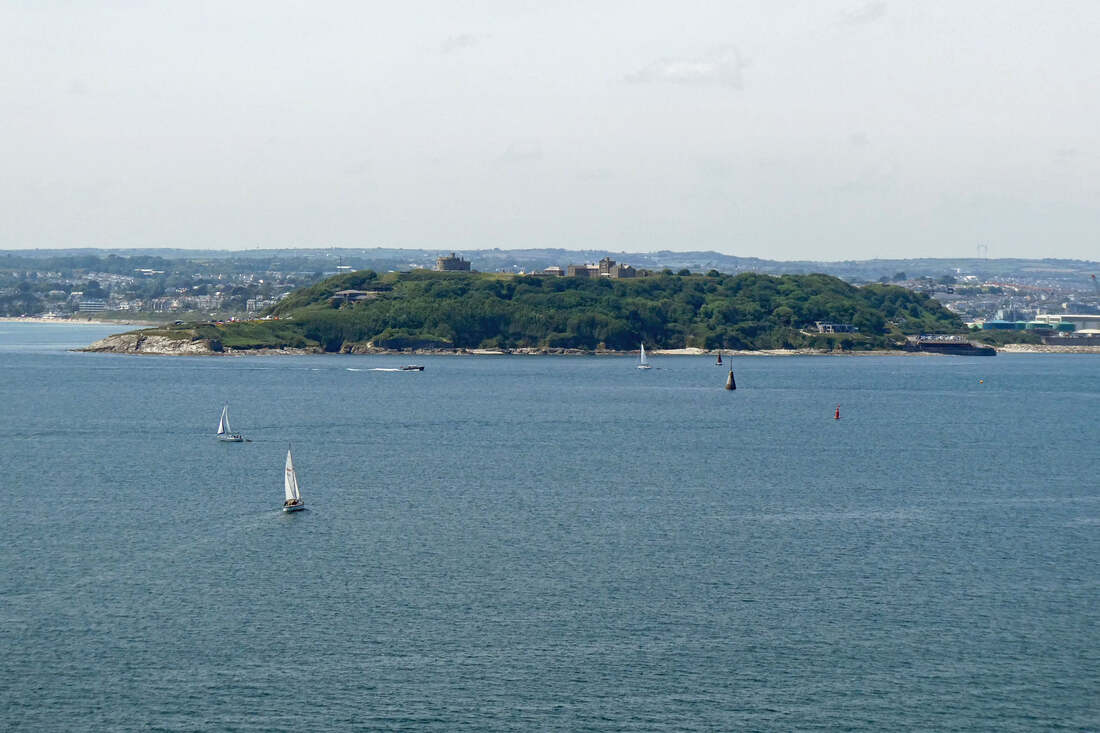 Falmouth in the distance 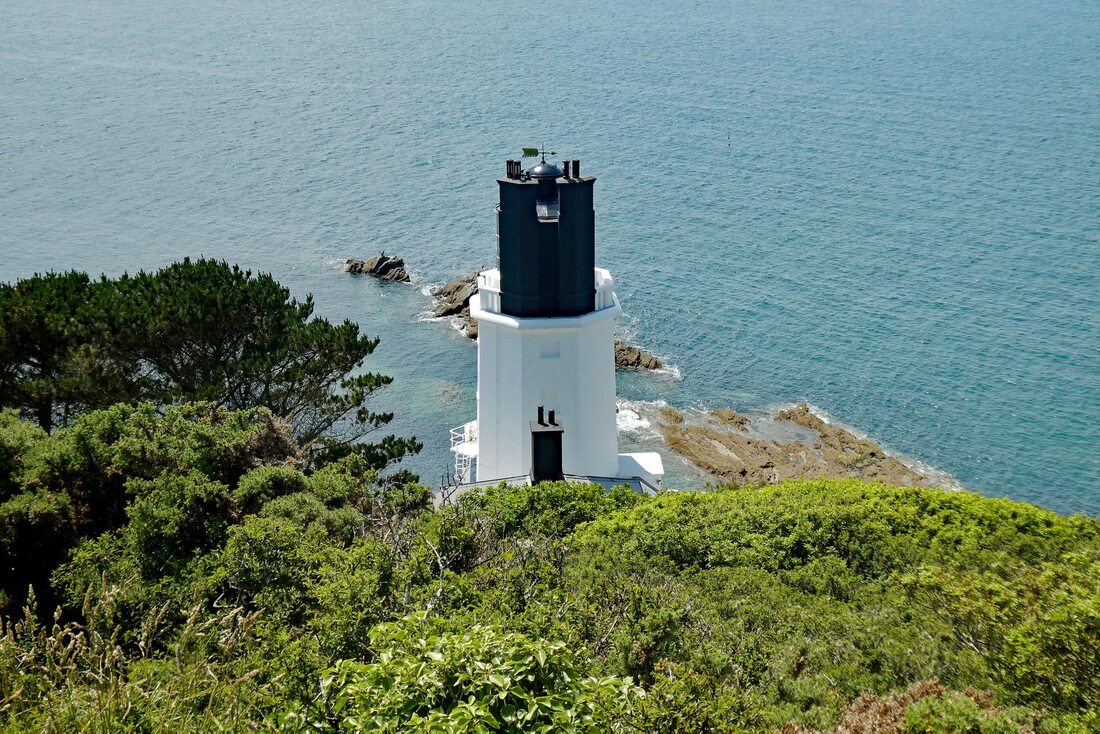 St Anthony Head Light House 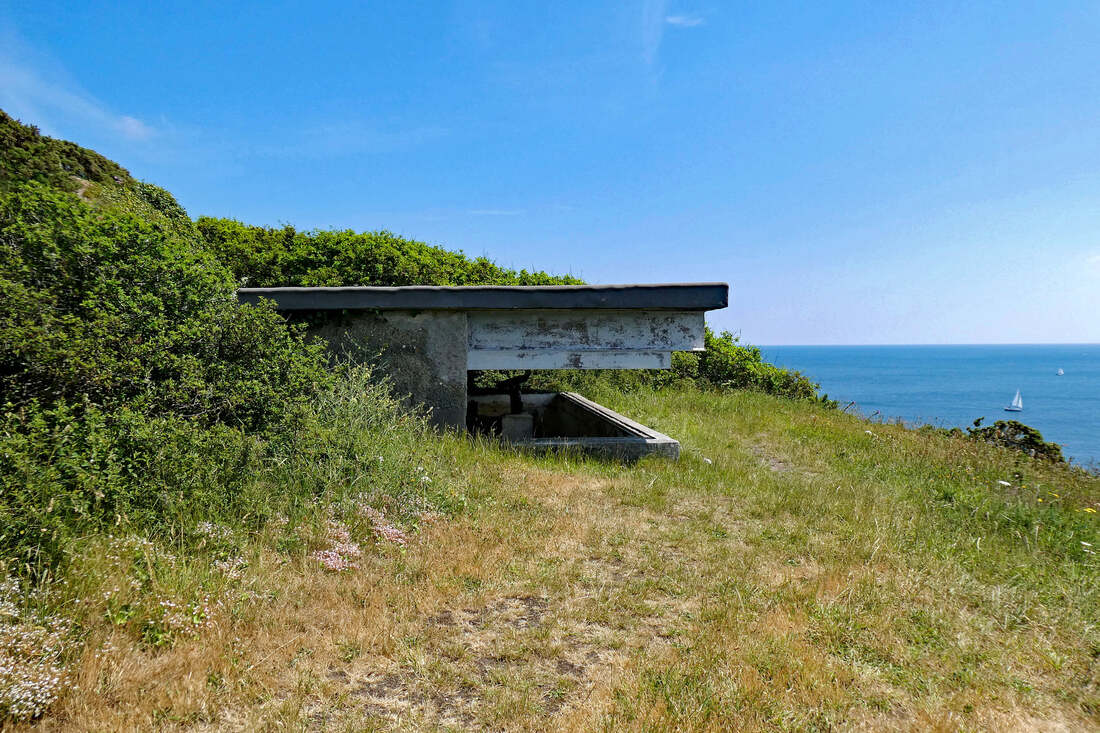 Battery Observation Post St Anthony Head
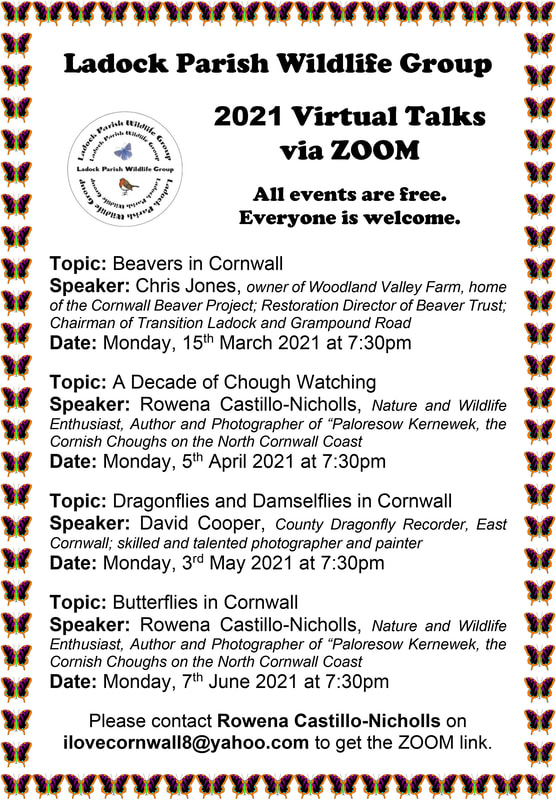
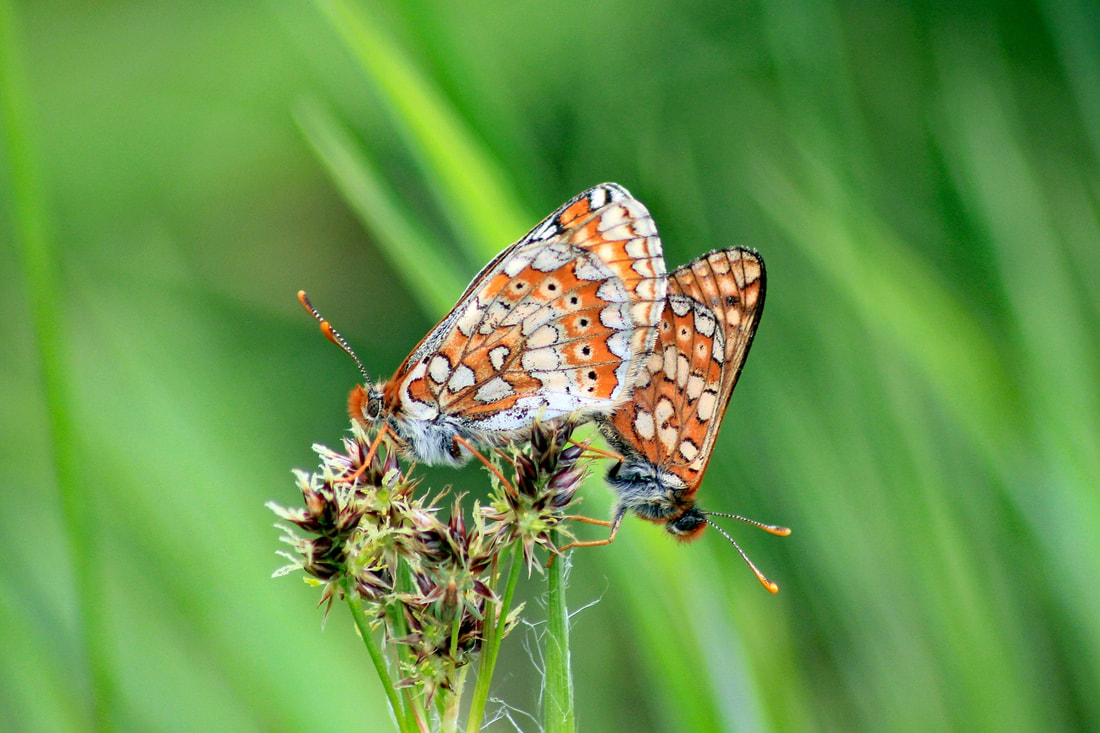
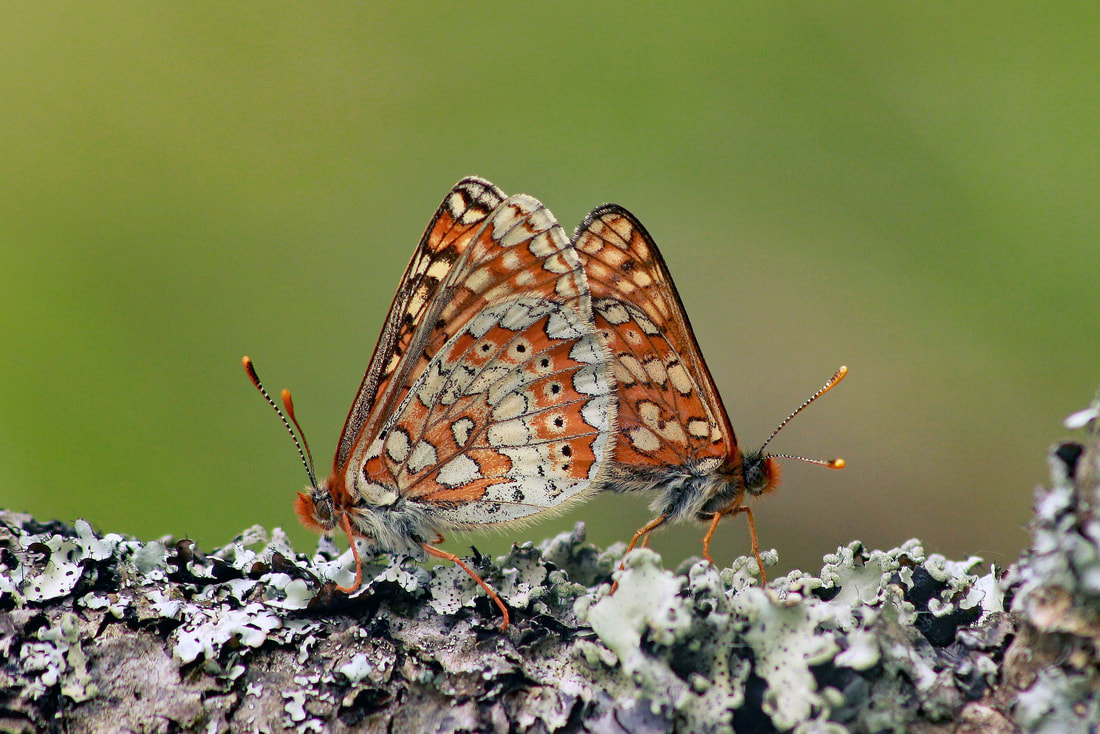
Kestrel Great day out! Enjoyable walk in Nare Head today. Spectacular views. Seen loads of amazing wildlife. Butterflies: Common Blue, Clouded Yellow, Large Skipper, Meadow Brown, Painted Lady, Peacock, Red Admiral, Small Copper, Small Heath, Speckled Wood and Wall. Birds: Guillemots, Razorbills, Yellowhammers, Black Redstart, Swallows, Swifts, Kestrel, Buzzards and a lot more... 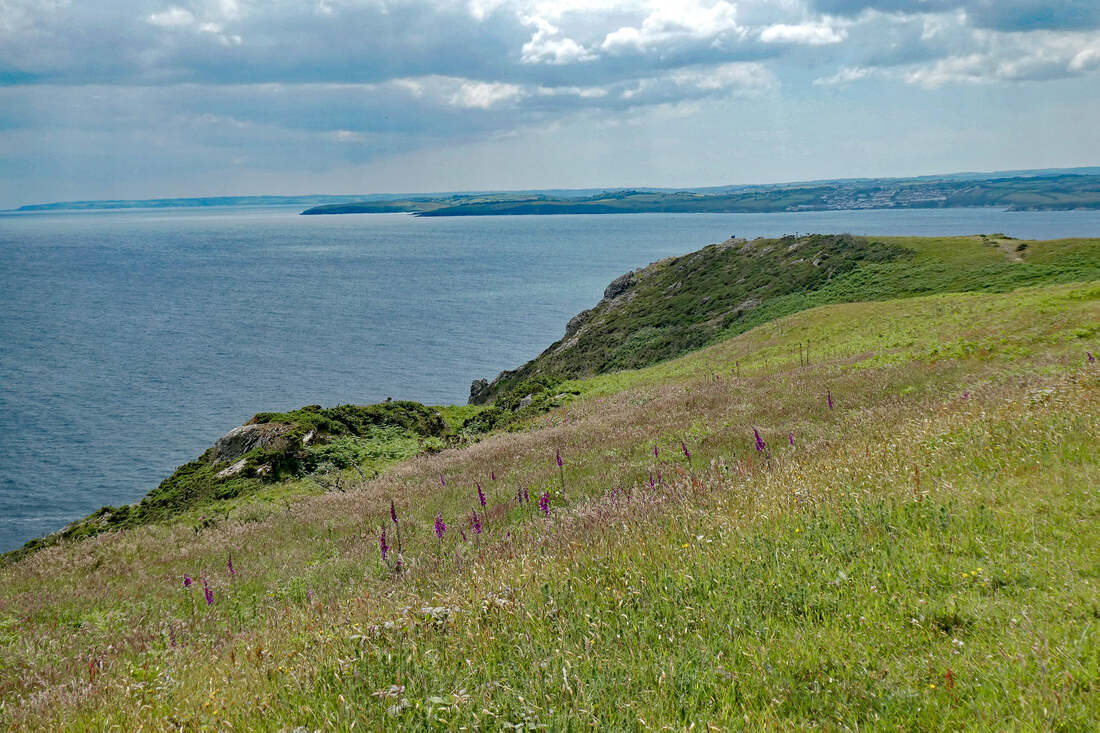 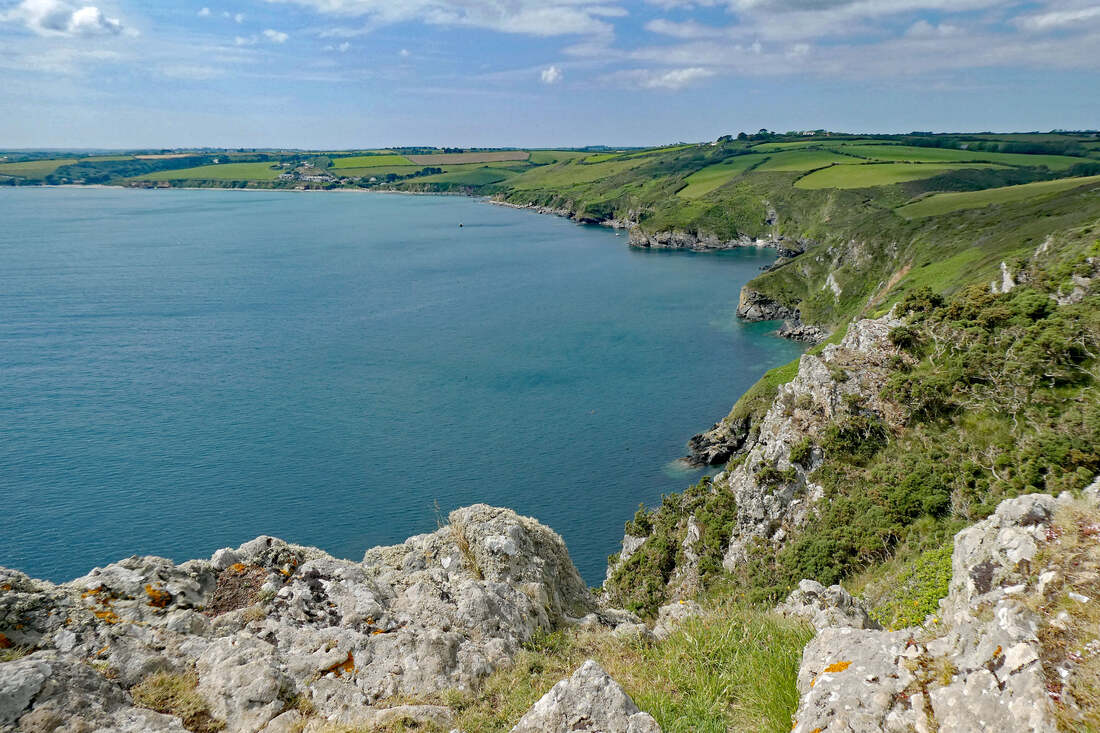 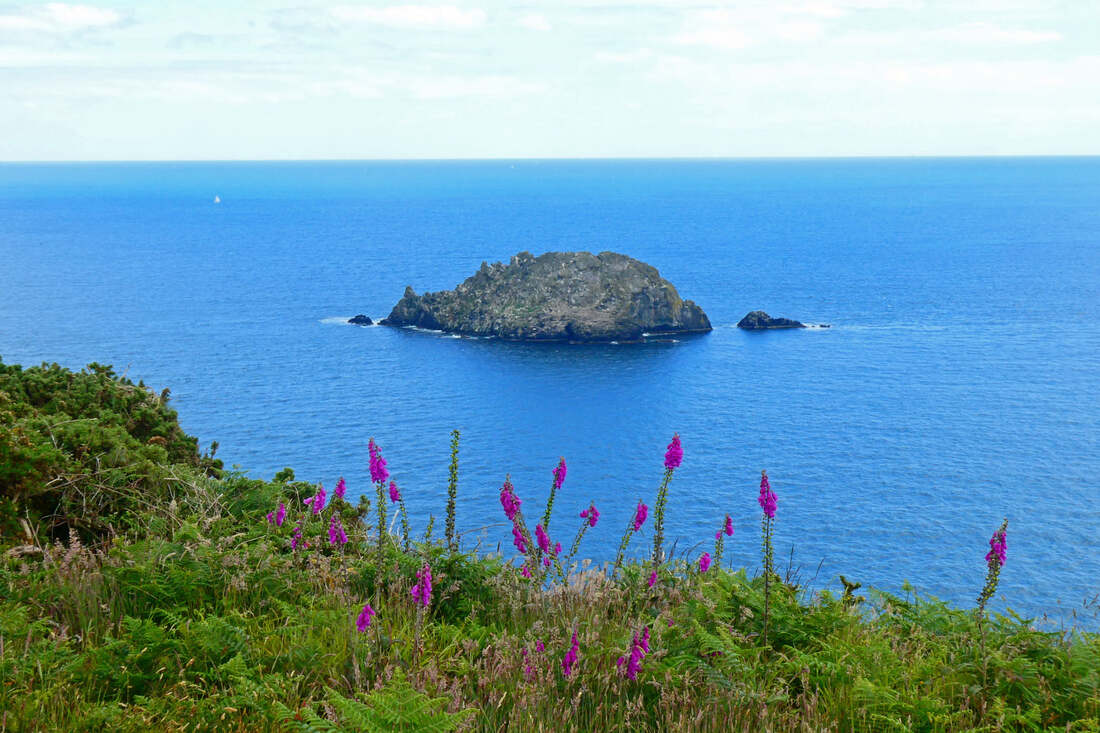 Nare Head The fresh Cornish sea air is just refreshing and invigorating! Rob, my walking buddy for life! 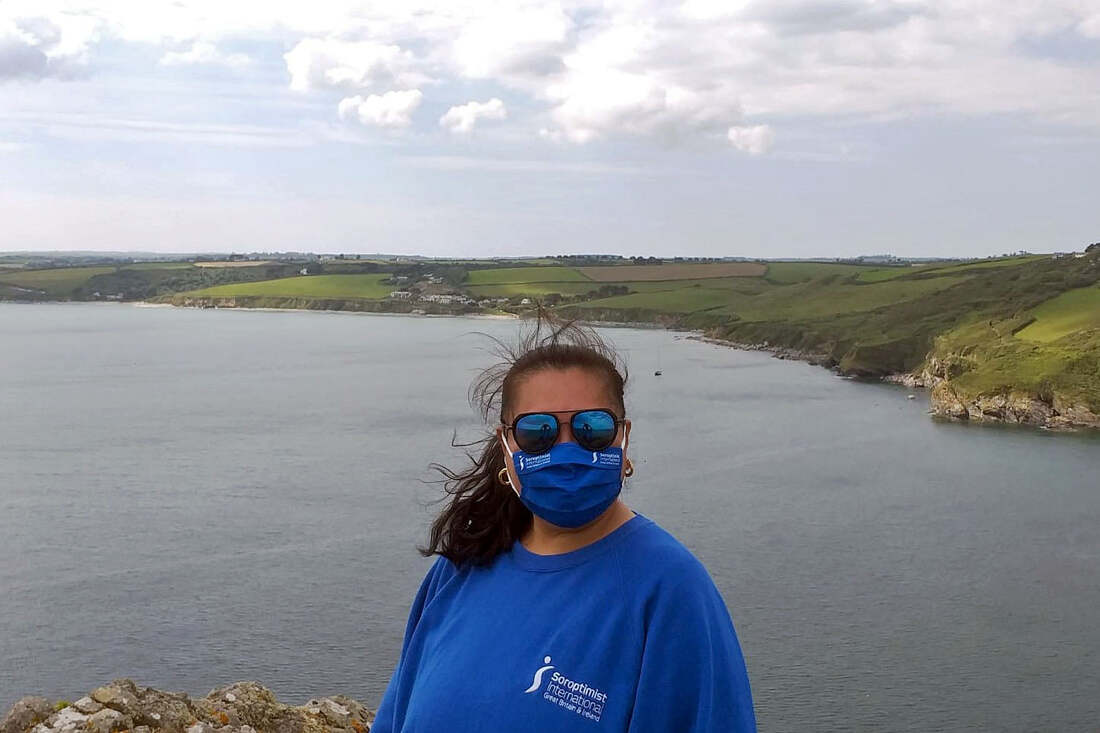 Turning and Jumping 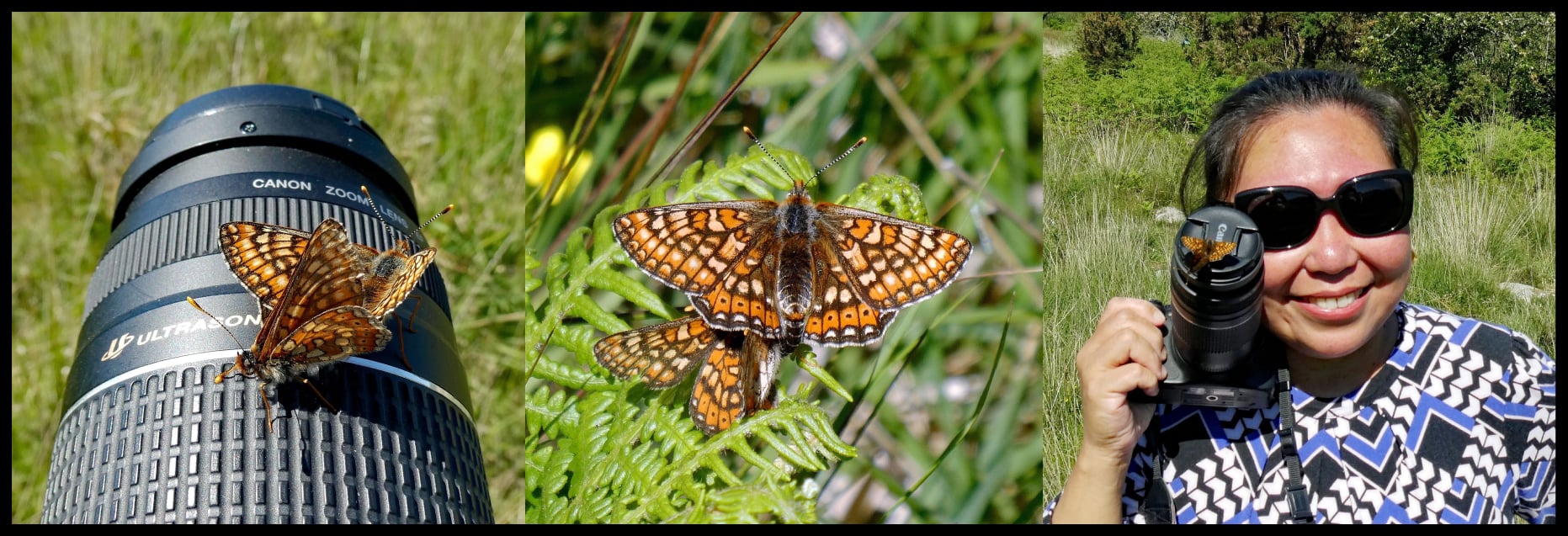 Marsh Fritillary Euphydryas aurinia, is one of the rare butterflies in the UK and it's also my favourite butterfly. The caterpillar foodplant is Devil’s-bit Scabious Succisa pratensis. The flight time is from May to July. I've seen this gorgeous butterfly in a few places in Cornwall: Breney Common, Garrow Tor, Goss Moor, Predannak and Trelusback Farm. For the past few years, me and my husband Rob have been leading a fieldtrip to see this gorgeous butterfly in Breney Common and Garrow Tor. Photographs and videos were taken on 13 June 2021 at Trelusback Farm. 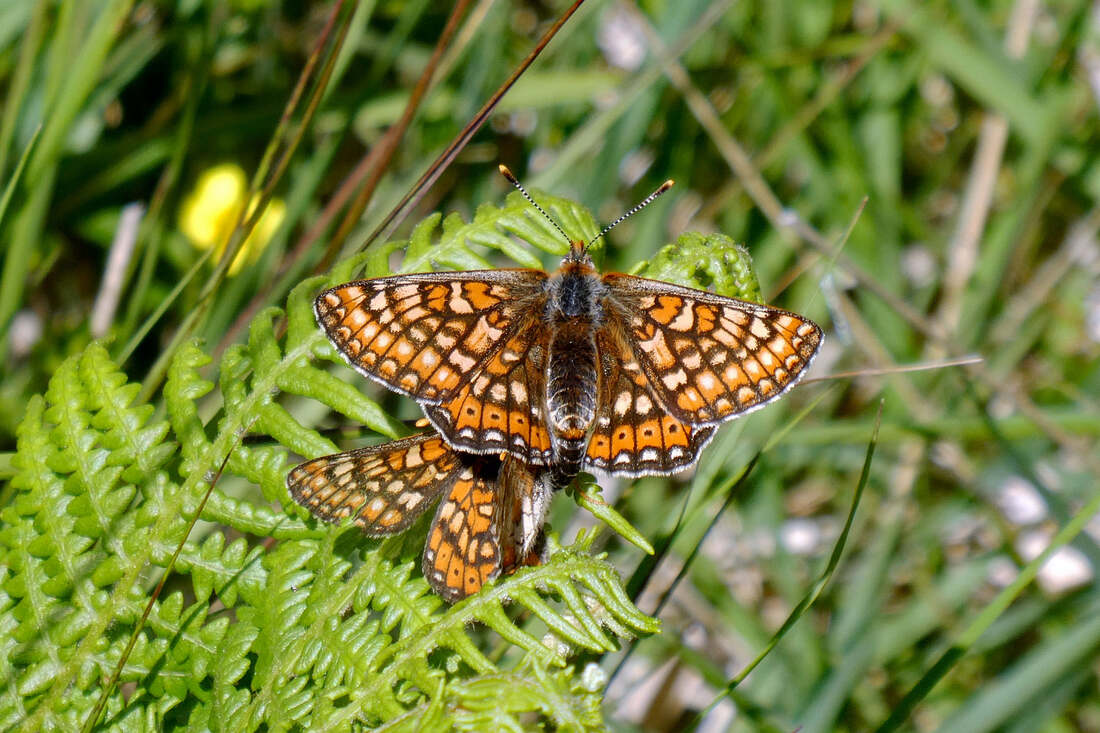 A mating pair of Marsh Fritillary Euphydryas aurinia 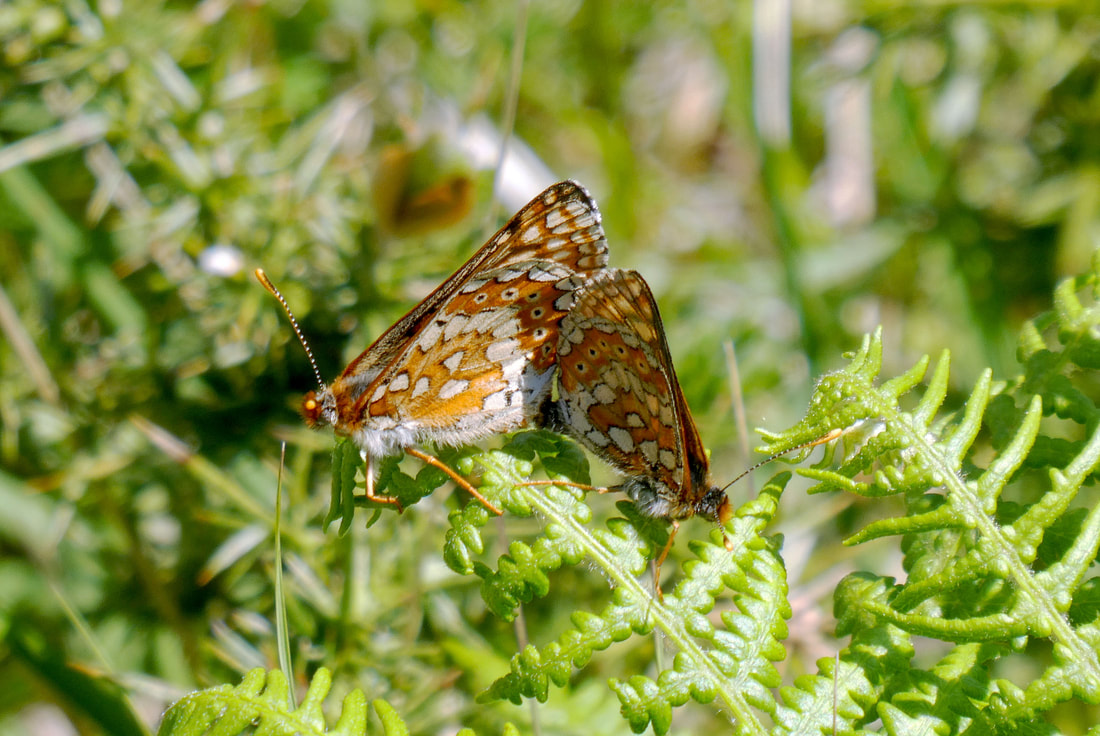 A mating pair of Marsh Fritillary Euphydryas aurinia 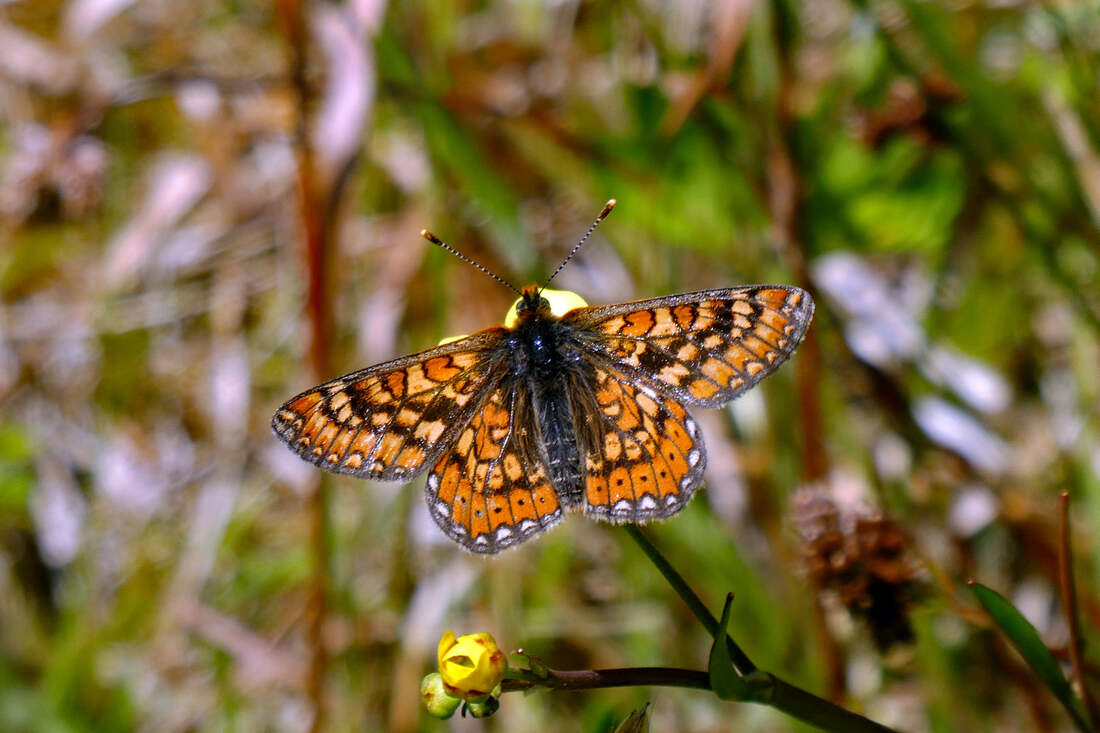 Male Marsh Fritillary Euphydryas aurinia - upperwing 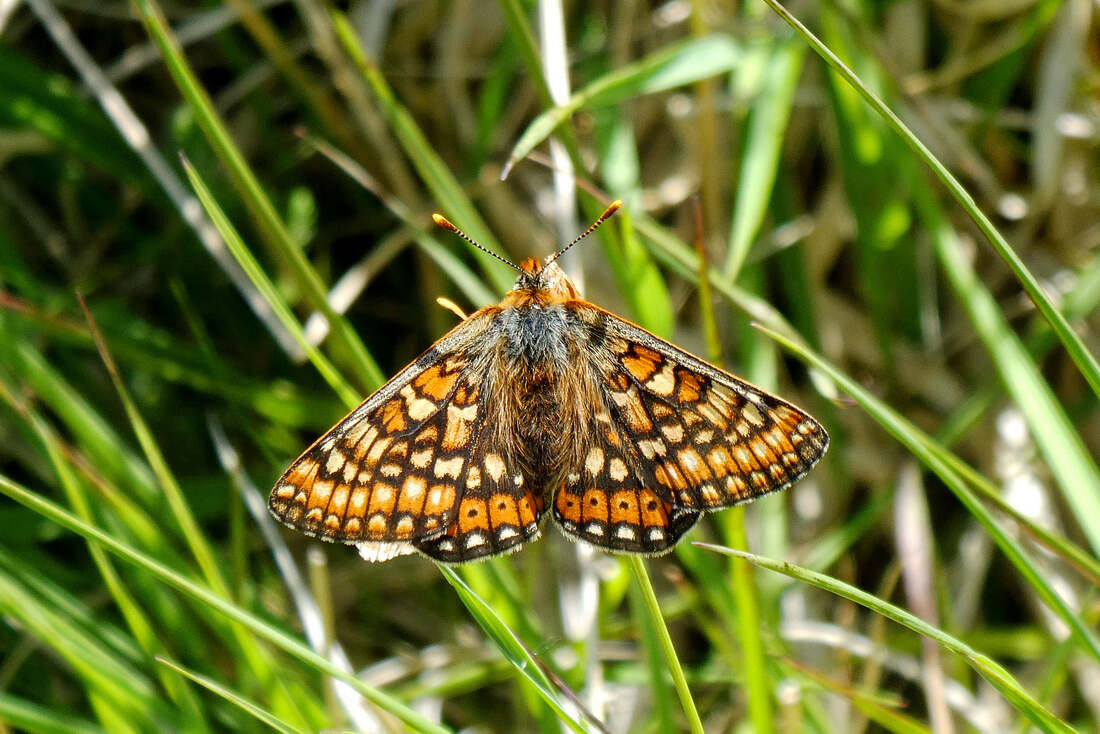 Female Marsh Fritillary Euphydryas aurinia - upperwing 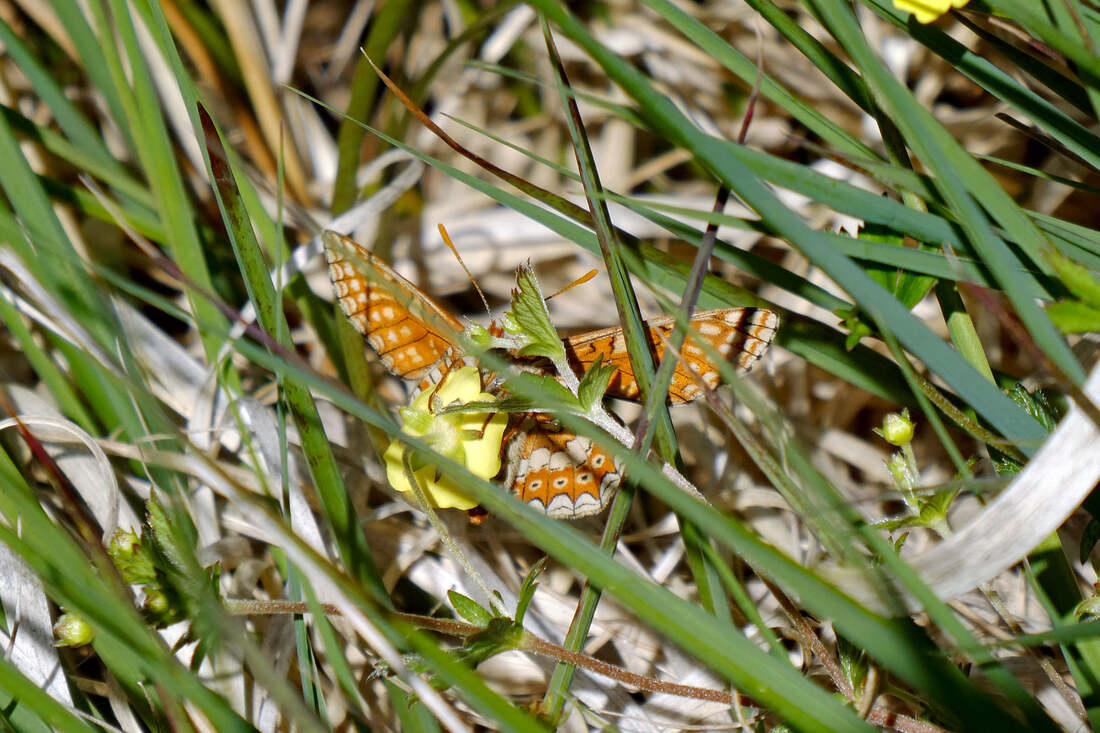 Marsh Fritillary Euphydryas aurinia - underwing 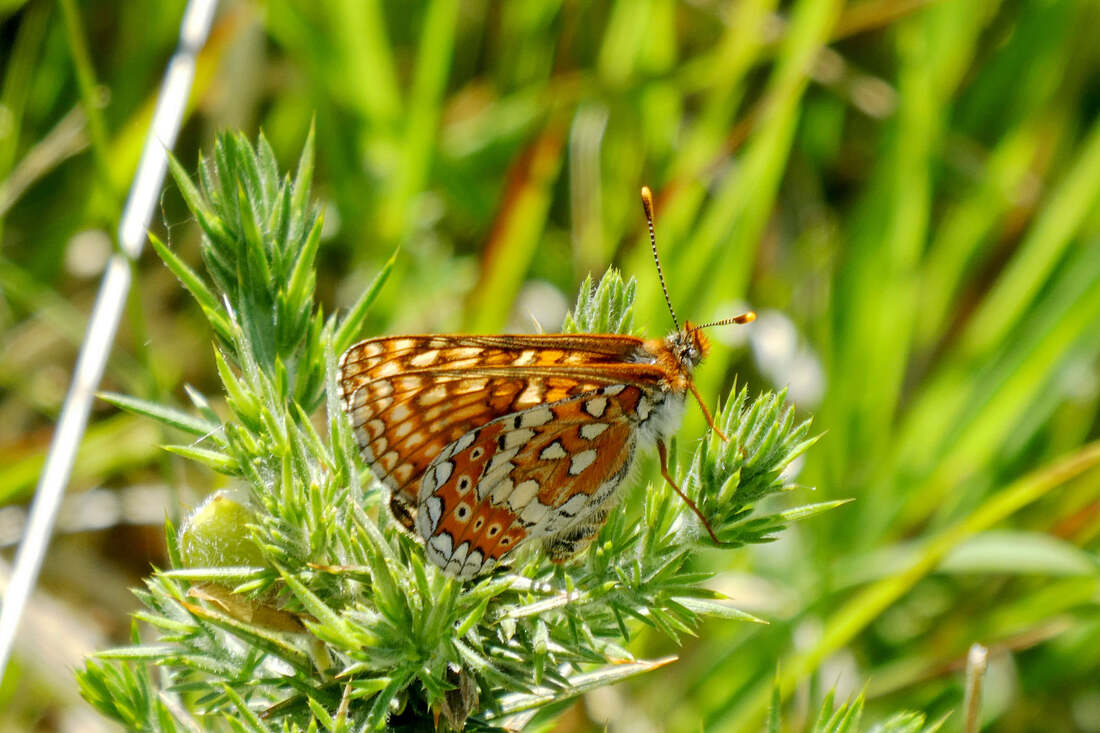 Marsh Fritillary Euphydryas aurinia - underwing 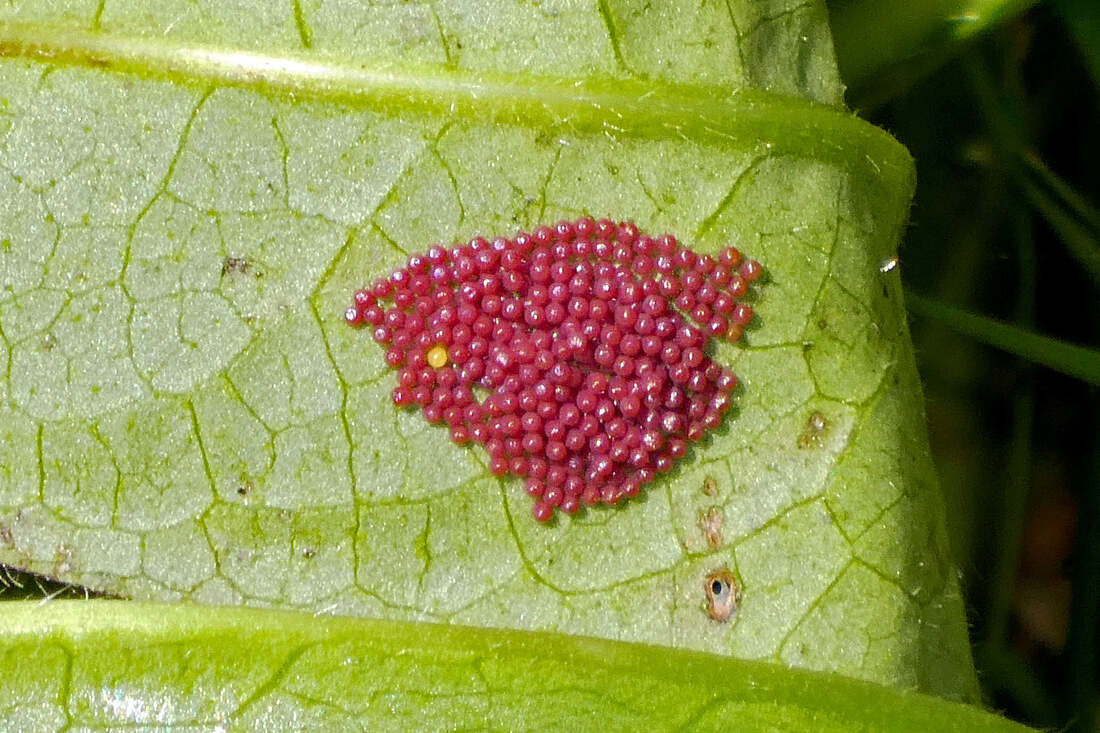 Marsh Fritillary Euphydryas aurinia Eggs on Devil’s-bit Scabious Succisa pratensis A mating pair of Marsh Fritillary Euphydryas aurinia on my Camera Me, my Camera and the Marsh Fritillary Euphydryas aurinia 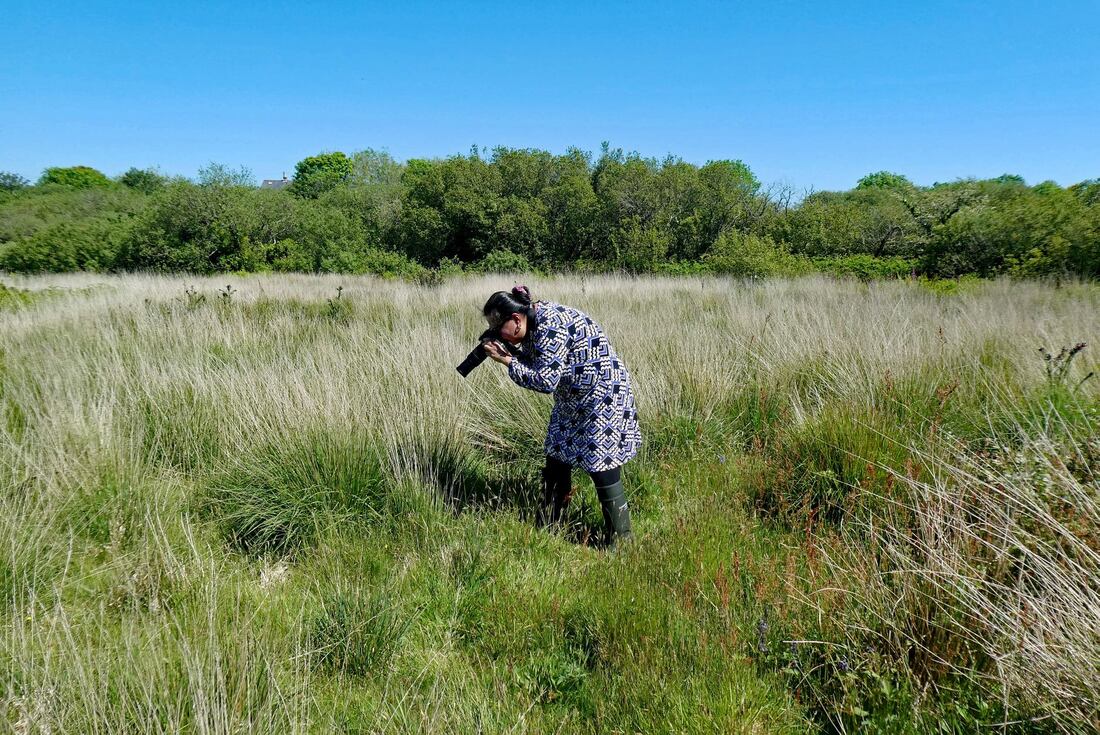 It's just me... Busy taking Photographs and Videos of the Marsh Fritillary Euphydryas aurinia Conservation Areas Beautiful Wildflower Meadows 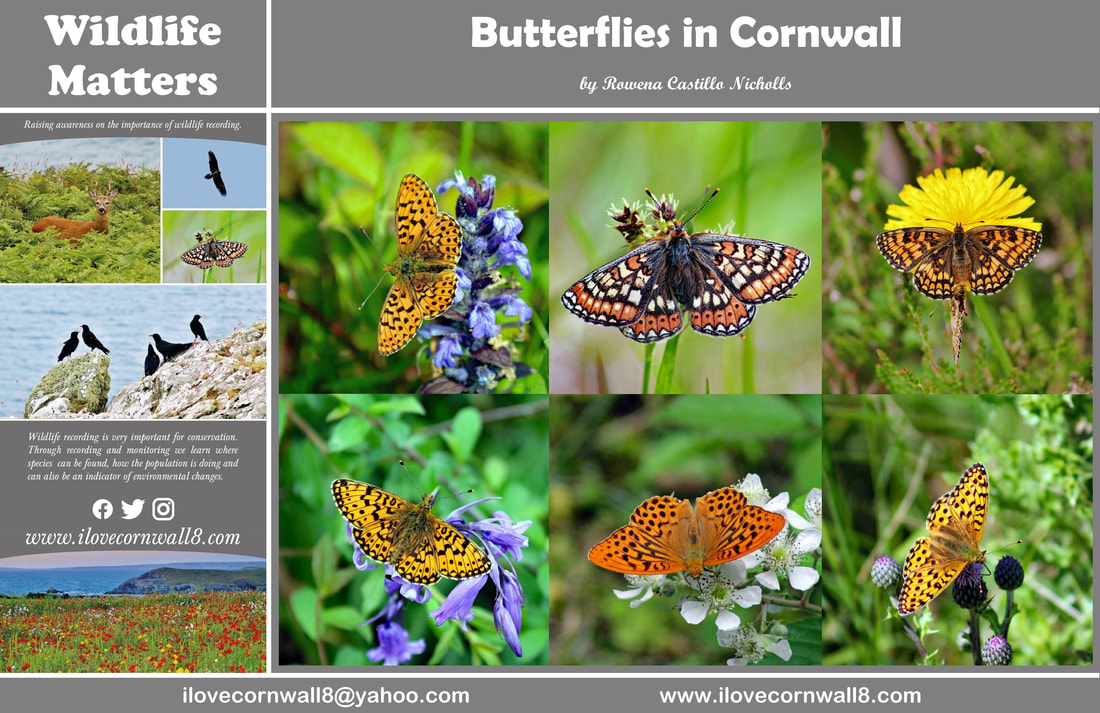  Join us on Monday, 7th June 2021 at 7:30pm via ZOOM for a Virtual Butterfly-watching around the spectacular countryside of Cornwall by Rowena Castillo-Nicholls to celebrate World Environment Day and Butterfly Education and Awareness Day (BEAD).
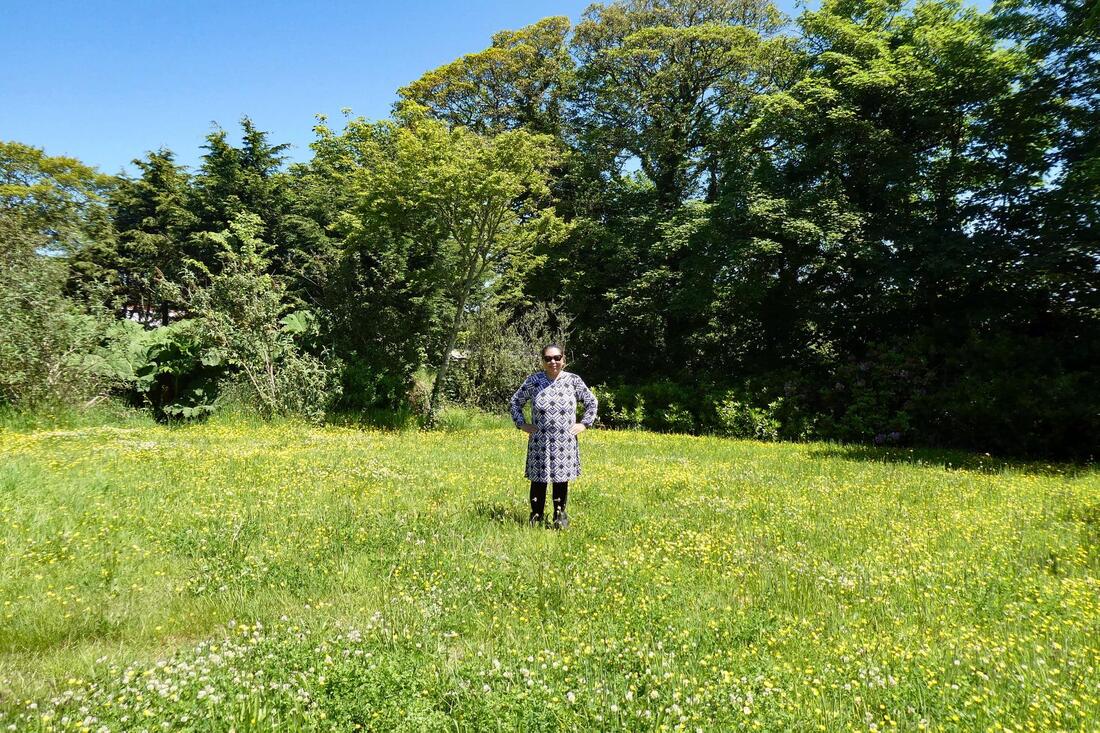
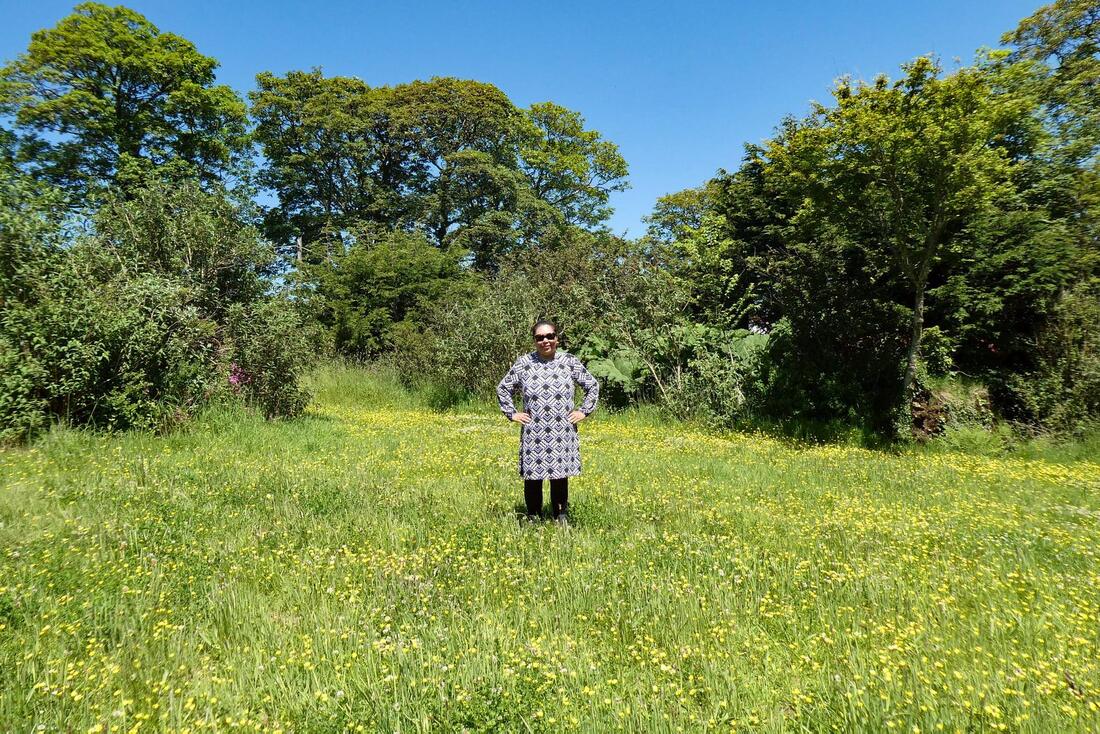
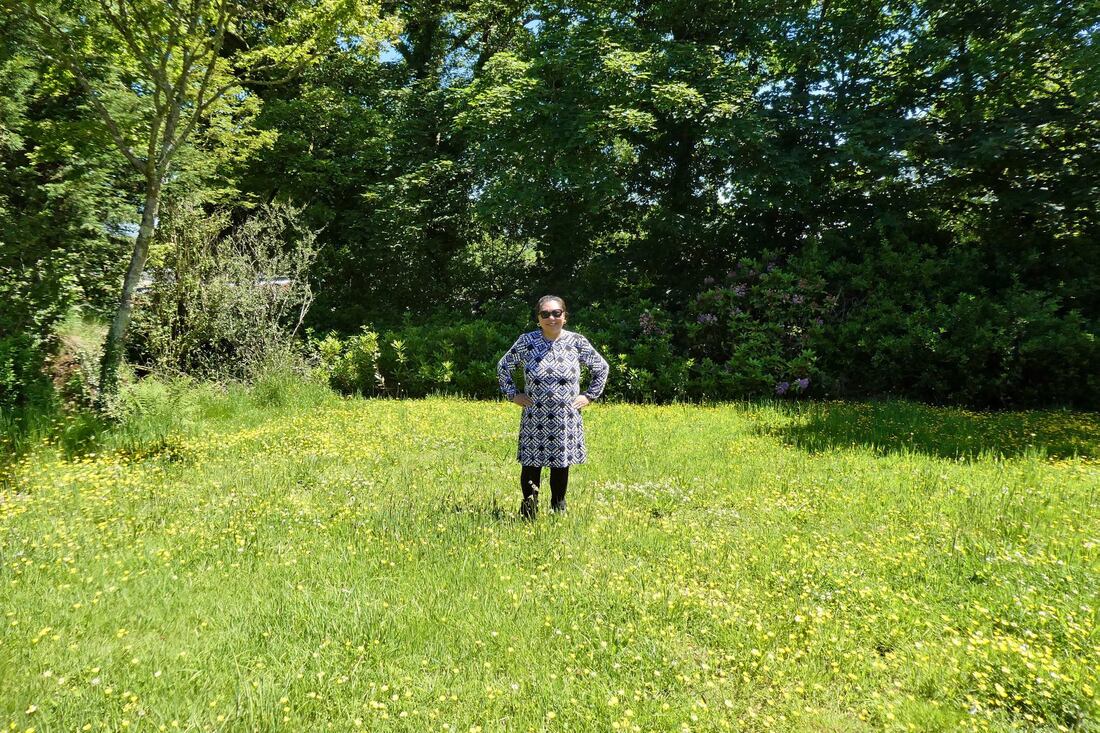
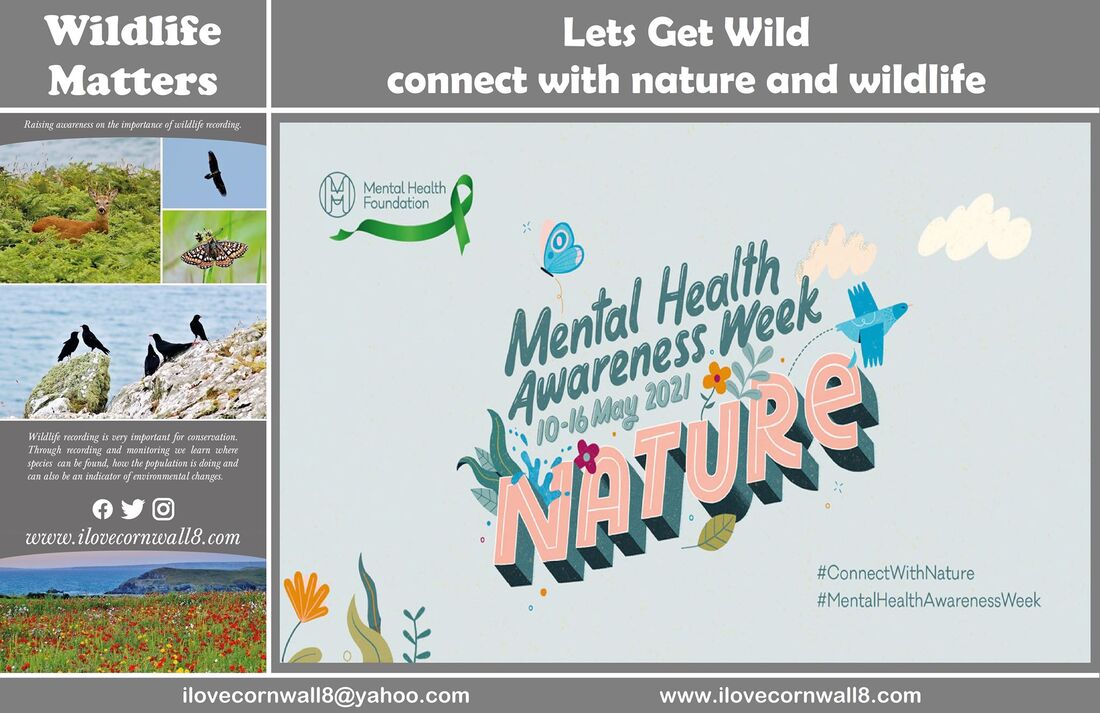
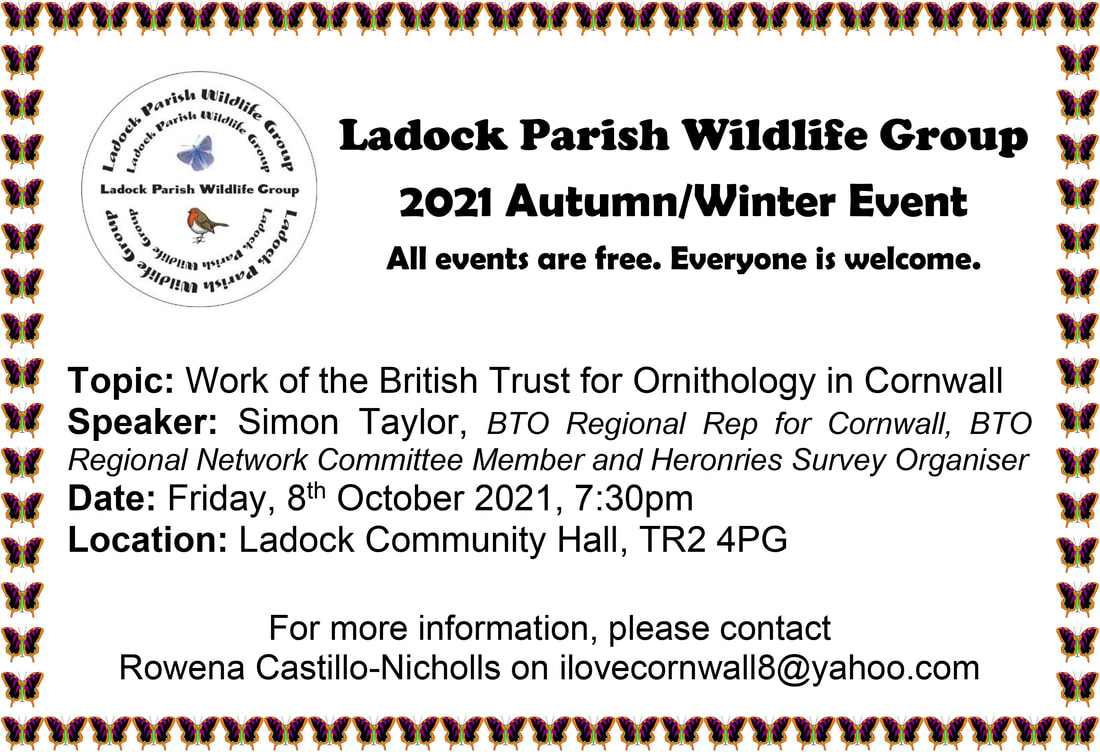
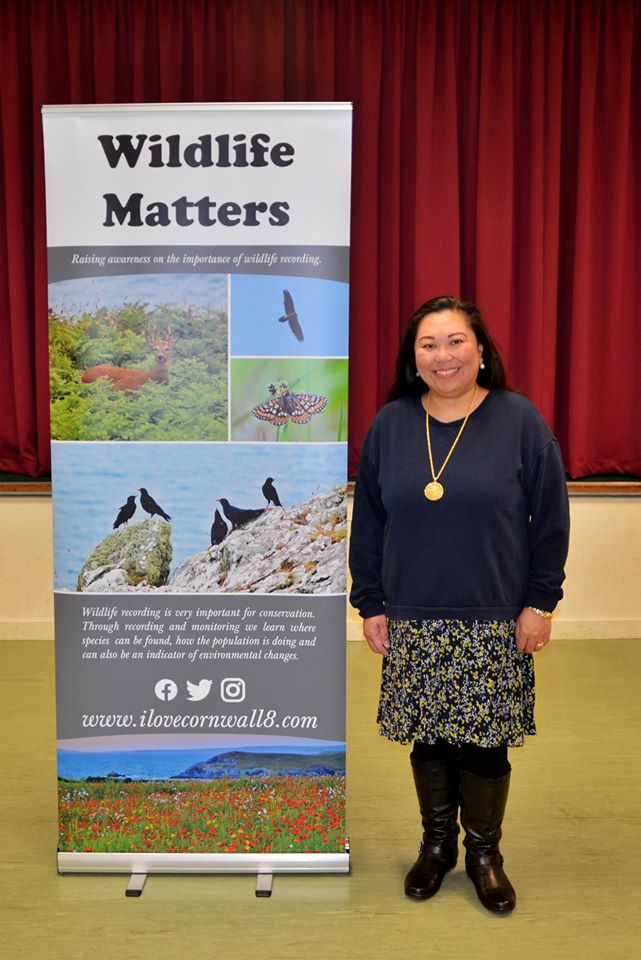
Rowena is a nature and wildlife enthusiast. She loves walking, bird-watching and butterfly-watching. She's a "Wildlife Advocate". She's been raising awareness on the importance of wildlife through "Wildlife Matters". She's a "Metal Health and Physical Well-being Advocate." She's been raising awareness through “Connect with Nature” because it benefits both the mental health and physical well-being. She have been promoting the beauty and wonder of Cornwall with her photographs through "Cornwall Matters". Rowena started Ladock Parish Wildlife Group in January 2020 to share her love of nature and wildlife in Cornwall. She invites wildlife experts to give talks and presentations. She arranged wildlife walks and trips. But unfortunately, due to covid-19, she has cancelled some of the events. This 2021, she’s been holding the events virtually via ZOOM till everything is back to normality. Please contact Rowena on ilovecornwall8@yahoo.com to get the ZOOM link. Facebook Event Page: www.facebook.com/events/329734281990570 Lets Get Wild, connect with nature and wildlife in support of Mental Health Awareness Week 20215/16/2021 Mental Health Awareness Week, 10-16 May 2021. |


























 |  |
| Ma. Cristina Aurea Guanio-Garcia, DMD, PhD • Dean, College of Dentistry, Manila Central University (2014-present) • Philippine Representative Association of Dental Education in the Asia Pacific (2019) • Secretary, Council of Deans, Philippine Association of Dental Colleges, Inc. (2015) • Former, Secretary Pierre Fauchard Academy, Phil. Section (2007) • Former Secretary and Fellow of Academy of Dentistry Internationale, Philippine Section (2003) • Fellow, International College of Dentists, Philippine Section (2009) • Founding Member, Philippine Society for Oral Health Research, Inc. (2001) • Past President, MCU Dental Alumni Association (1998) • Recipient, Sandigan ng MCU Award (2019) • Doctor of Dental Medicine (1987) • Master of Arts in Education, Major in Administration and Supervision (1992) • Doctor of Philosophy (2001) | Dr. Liezl Manaloto Ceballos, DMD • Dentist and Owner of Let’s Talk Teeth Dental Clinic • Owner of Denta Cube Dental Store • Past President, Philippine Prosthodontic Society (2014) • Past President, Makati Dental Chapter (2013) • Past President, Philippine Association of Functional Jaw Orthopedics and TMJ Inc. (2007) • Past President, Alpha Phi Omega Dental Association of the Philippines (2004) • Studied Doctor of Dental Medicine at UE College of Dentistry (1995) • Associate Fellow at Philippine Academy of Implant Dentistry (2018 to present) • Studied Comprehensive Restorative and Esthetic Dentistry at University of the Philippines • Studied Masteral in Advanced Prosthodontics at Korea University, Seoul (2014 to 2018) |
International Women's Day is a global day celebrating the social, economic, cultural and political achievements of women. The day also marks a call to action for accelerating gender parity. Significant activity is witnessed worldwide as groups come together to celebrate women's achievements or rally for women's equality.
Marked annually on March 8th, International Women's Day (IWD) is one of the most important days of the year to:
• celebrate women's achievements
• raise awareness about women's equality
• lobby for accelerated gender parity
• fundraise for female-focused charities
What's the theme for International Women's Day?
The campaign theme for International Women's Day 2021 is 'Choose To Challenge'. A challenged world is an alert world. And from challenge comes change. So let's all #ChooseToChallenge.
What's the history of International Women's Day?
International Women's Day has occurred for well over a century with the first gathering held in 1911. Learn more about the day's timeline.
What colors symbolize International Women's Day?
Purple, green and white are the colors of International Women's Day. Purple signifies justice and dignity. Green symbolizes hope. White represents purity, albeit a controversial concept. The colors originated from the Women's Social and Political Union (WSPU) in the UK in 1908.
Guy Fawkes Night, also known as Guy Fawkes Day, Bonfire Night and Fireworks Night, is an annual commemoration observed on 5th November, primarily in the United Kingdom. Its history begins with the events of 5th November 1605 O.S., when Guy Fawkes, a member of the Gunpowder Plot, was arrested while guarding explosives the plotters had placed beneath the House of Lords. Celebrating the fact that King James I had survived the attempt on his life, people lit bonfires around London; and months later, the introduction of the Observance of 5th November Act enforced an annual public day of thanksgiving for the plot's failure.


Link to my blog: www.ilovecornwall8.com/blog/list-of-bakeries-butchers-restaurants-local-organisations-individuals-shops-and-others-who-are-offering-home-delivery-and-services-in-cornwall-during-the-coronavirus-covid19-outbreak
I have been posting photos/videos on my website and various social media channels. Link below:
Website: www.ilovecornwall8.com/lets-get-wild-connect-with-nature-and-wildlife.html
Like me on Facebook: facebook.com/LetsGetWildConnectWithNatureAndWildlife
Follow me on Instagram: instagram.com/letsgetwild8
Follow me on Twitter: twitter.com/LetsGetWild8
I have been posting photos/videos on my website and various social media channels. Link below:
Website: www.ilovecornwall8.com/virtual-butterfly-watching-in-cornwall.html
Like me on Facebook: facebook.com/wildlifematters8
Follow me on Instagram: instagram.com/wildlifematter8
Follow me on Twitter: twitter.com/WildlifeMatter8
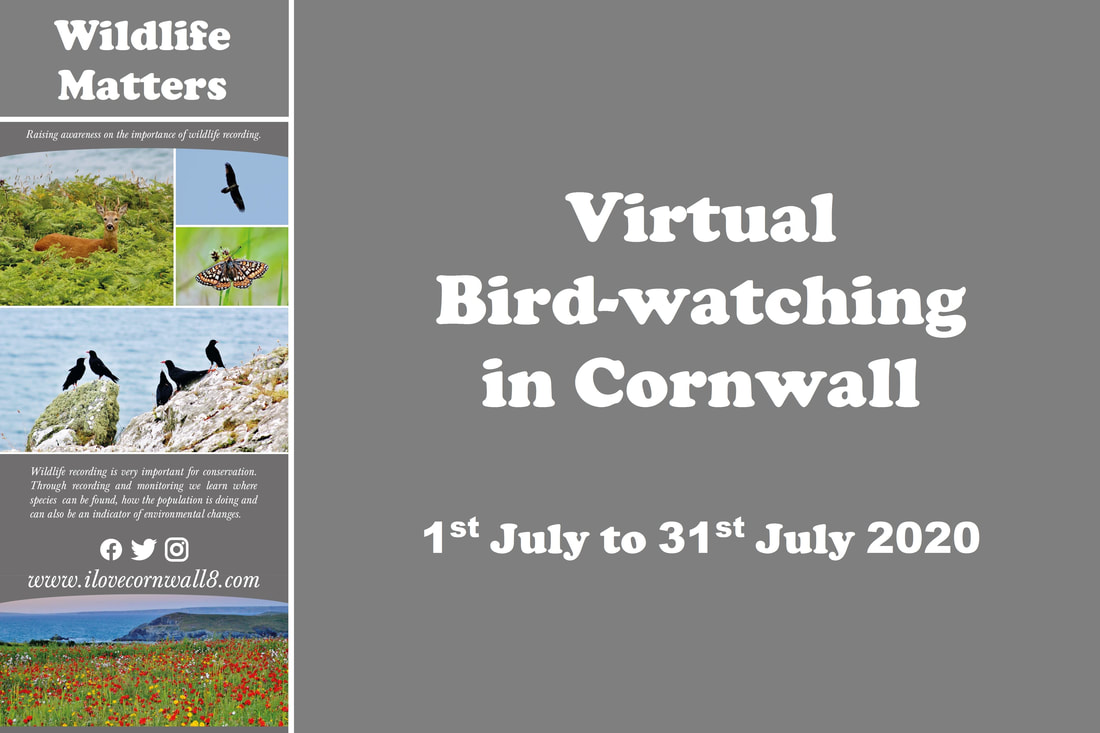
I have been posting photos/videos on my website and various social media channels. Link below:
Website: https://www.ilovecornwall8.com/virtual-birdwatching-in-cornwall.html
Like me on Facebook: facebook.com/wildlifematters8
Follow me on Instagram: instagram.com/wildlifematter8
Follow me on Twitter: twitter.com/WildlifeMatter8
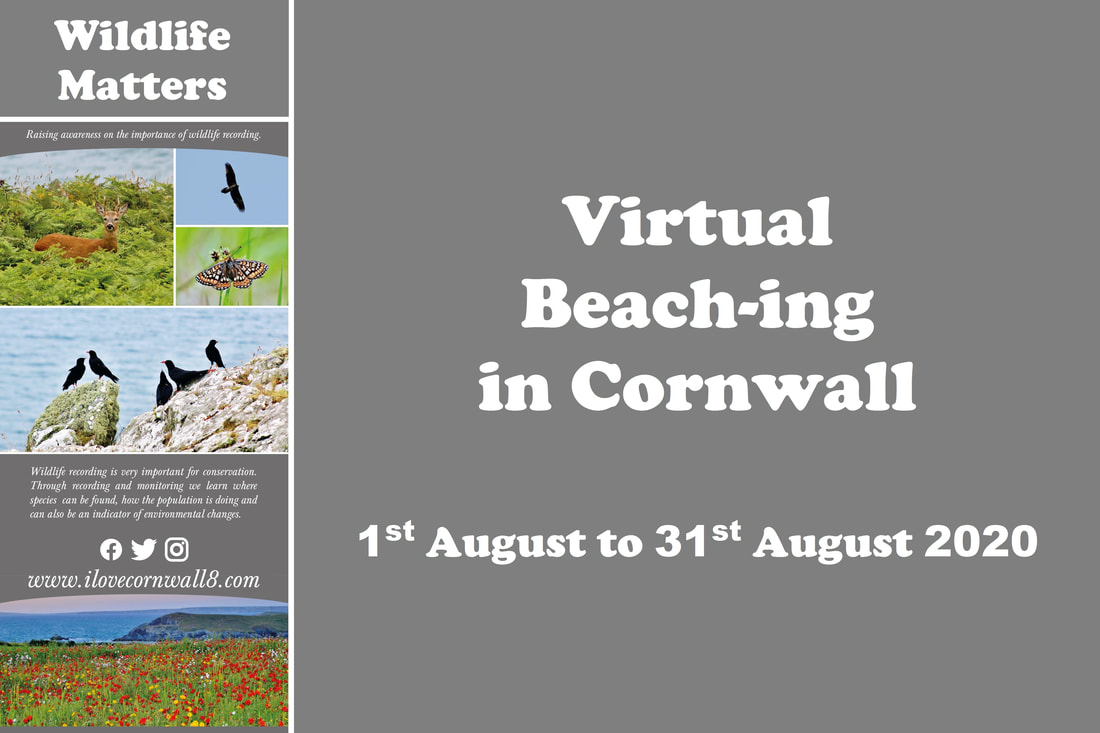
Crystal blue sea, splendid turquoise waters, long stretch of sandy beach, sparking golden sand on the Atlantic coast, spectacular and picturesque... These are just few description of the beaches here in Cornwall. No wonder, loads of people come down to spend their summer holiday here.
I have been posting photos/videos on my website and various social media channels. Link below:
Website: www.ilovecornwall8.com/virtual-beach-ing-in-cornwall.html
Like me on Facebook: facebook.com/cornwallmatters8
Follow me on Instagram: instagram.com/cornwallmatter8
Follow me on Twitter: twitter.com/CornwallMatter8
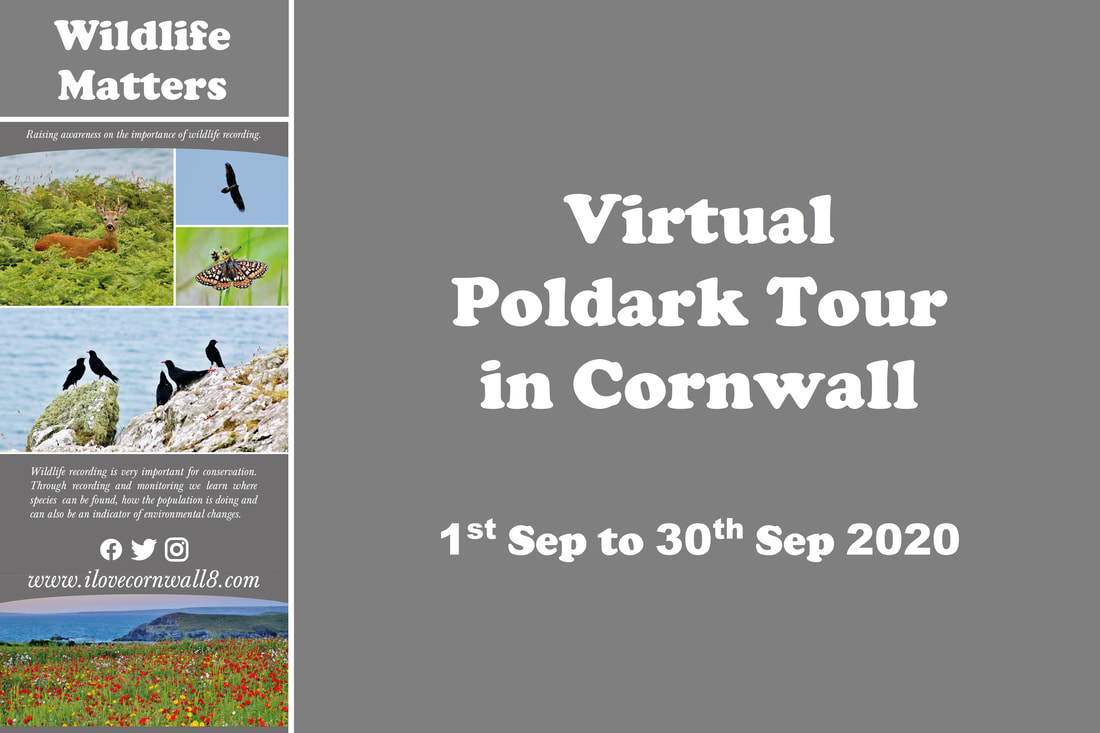
I love historical romances. One of my favourites is POLDARK. I was really ecstatic when they started filming in Cornwall in 2014. Whenever I heard they are filming, I asked Rob to take me there so I can watch. They filmed on some of the most spectacular and picturesque spots in Cornwall. If you watch the series, you can see the beauty of Cornwall as it's best.
I have been posting photos/videos on my website and various social media channels. Link below:
Website: www.ilovecornwall8.com/virtual-poldark-tour-in-cornwall.html
Like me on Facebook: facebook.com/cornwallmatters8
Follow me on Instagram: instagram.com/cornwallmatter8
Follow me on Twitter: twitter.com/CornwallMatter8
#WildlifeMatters
#LetsGetWild
#ConnectWithNatureAndWildlife
#RowenaCastilloNichollsPhotography
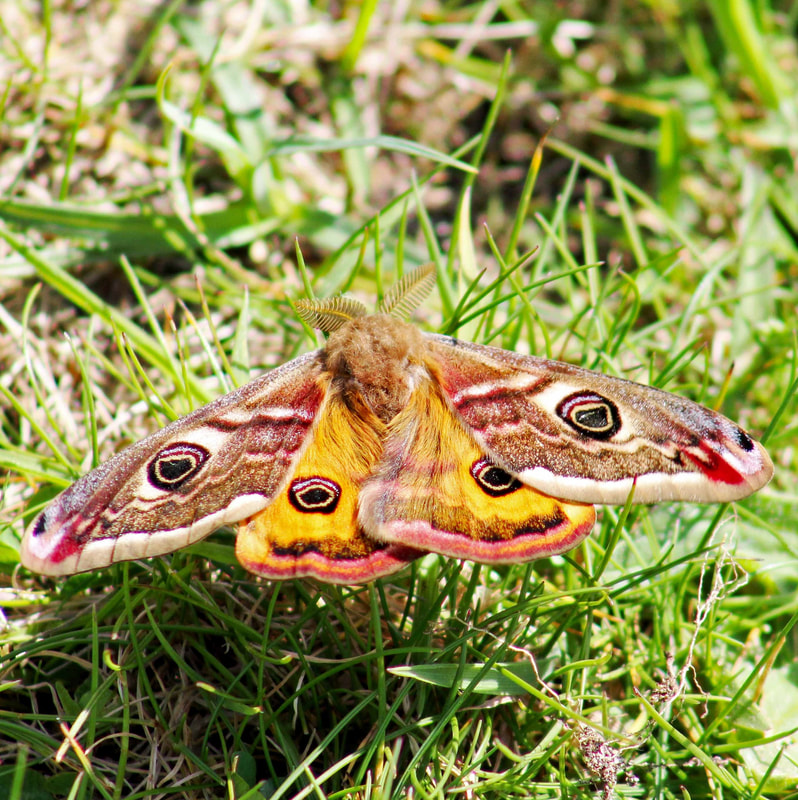
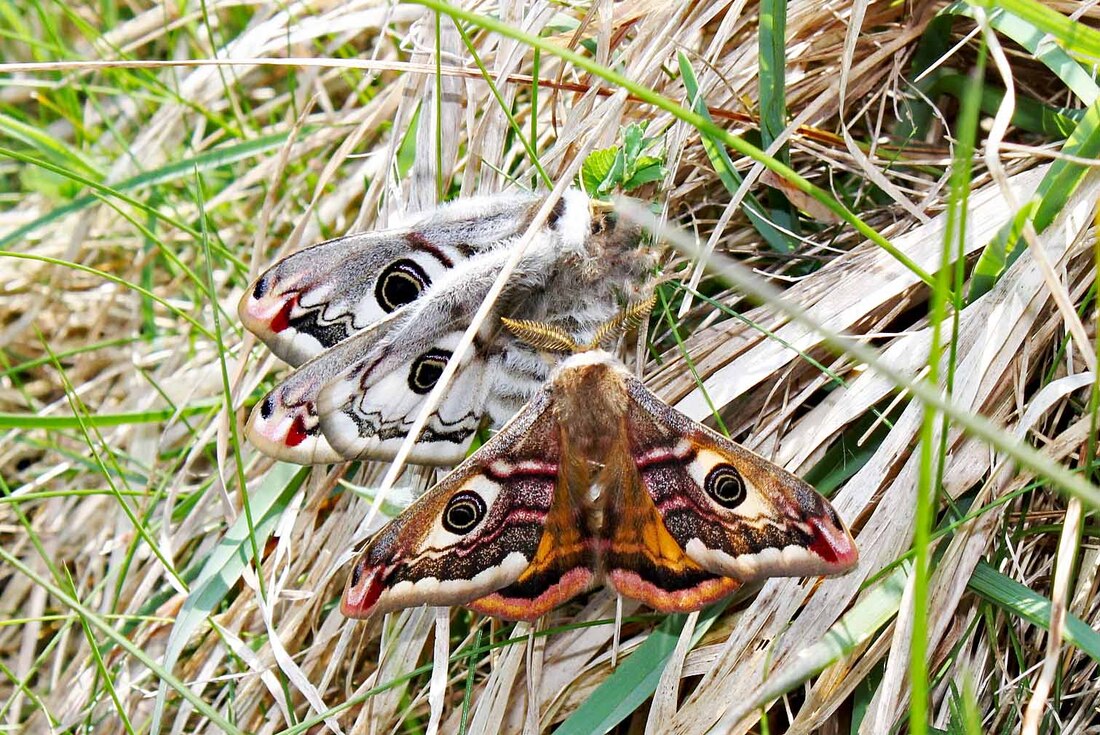
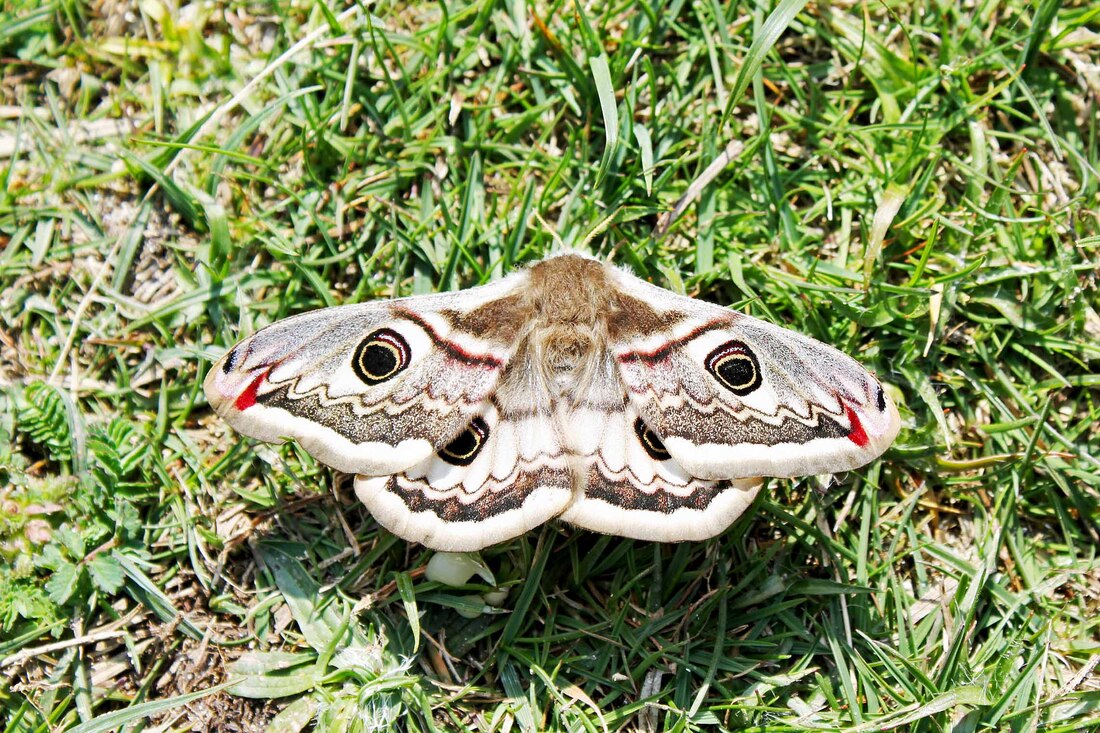
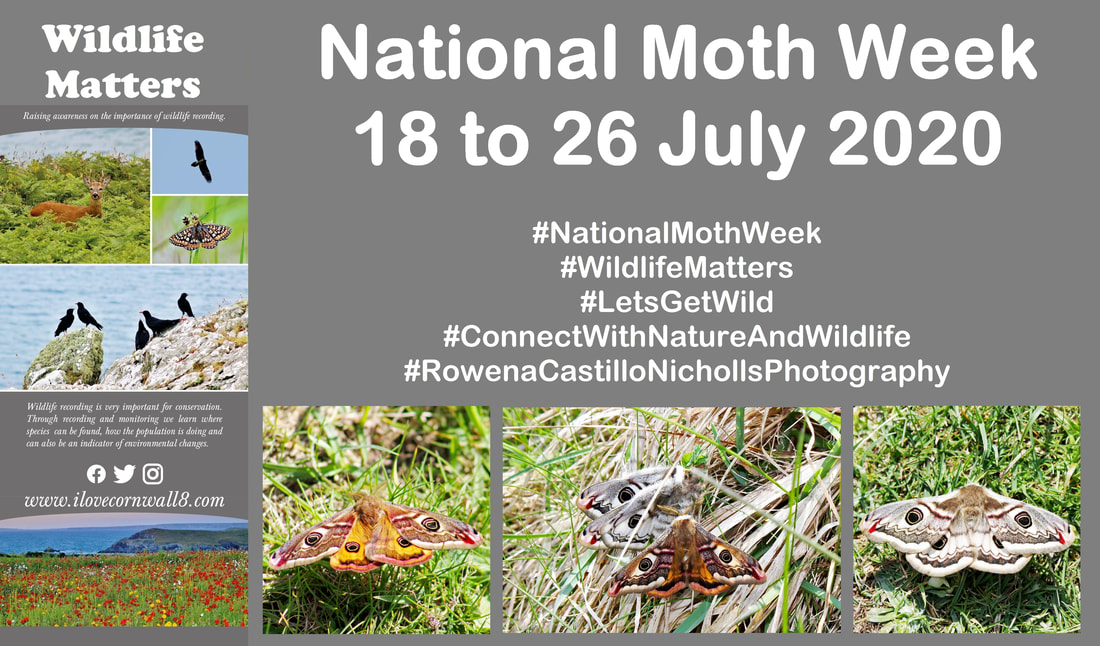
2nd photo: male and female Emperor Moth
3rd photo: female Emperor Moth
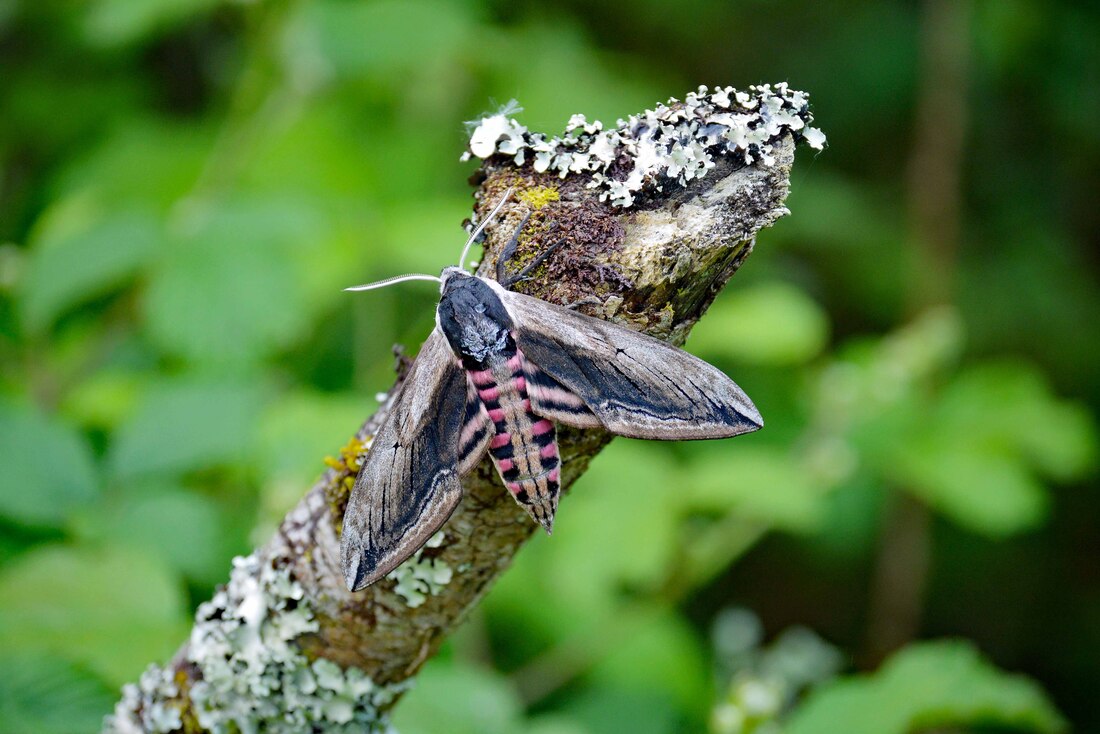
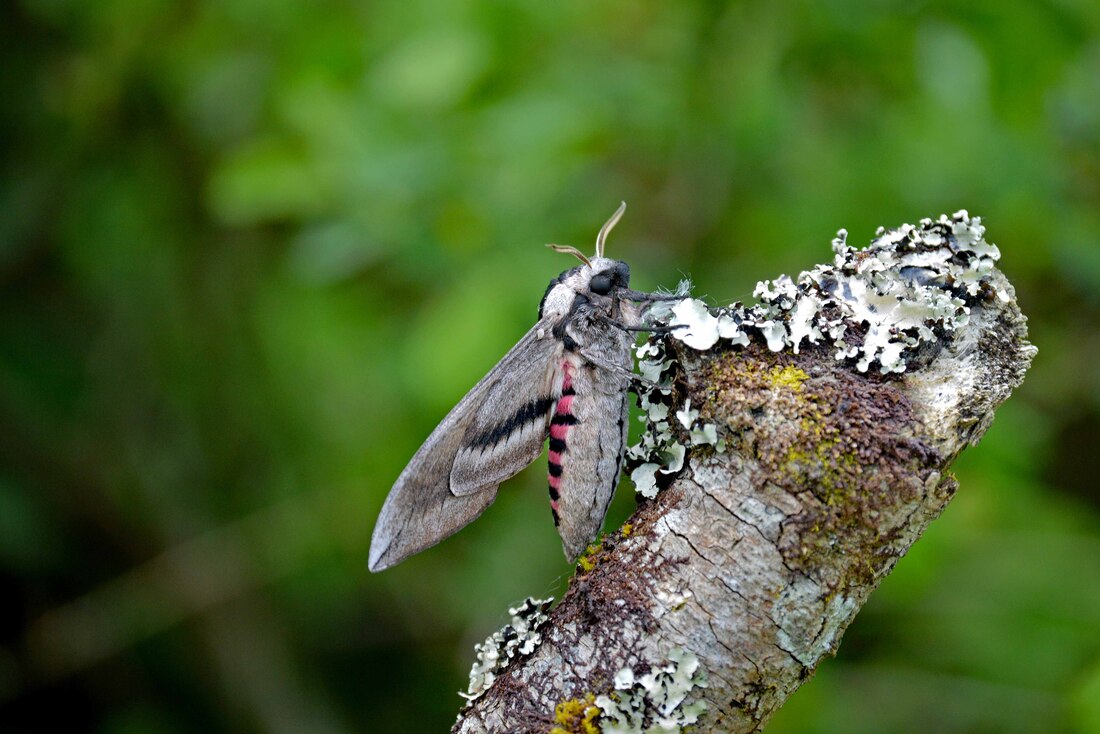
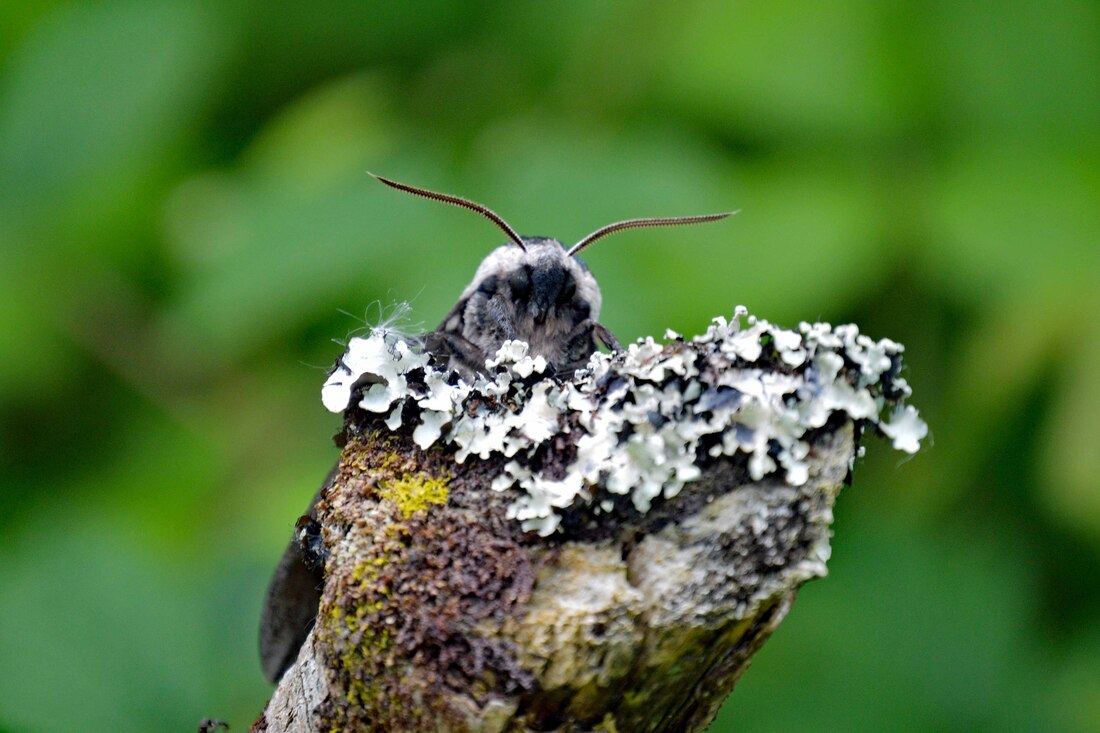


Moth antenna look like little feathers, and their wings are held flat on their backs when they are not flying.
There are more than 150.000 species of moths that can be found around the world.
Moths can be small as pinhead or large as hand of adult man. Their wingspan ranges from 0.11 to 12 inches.
Moths are active during the night and their bodies are usually dark colored (they blend with darkness of the night).
Moths have feathery or filament-like antennas on the head. Antennas are equipped with scent receptors that facilitate finding of food and partners. Moths are able to detect females that are 7 miles away thanks to exceptional sense of smell.
Moths have long, curled tongue designed for diet based on nectar, fruits and berries.
Luna, Atlas and Prometheus are species of moth that do not have mouth. They have short lifespan and their only purpose is to reproduce and lay eggs.
Moths are important pollinators of various plant species. White, fragrant flowers that open during the night attract moths with their color and odor.
Moths have tiny hairs and scales on their wings. They ensure adequate temperature of the body during the flight. Females of some species do not have wings.
Moths use moon, stars and geomagnetic field to navigate during the flight.
Moths are important source of food for the birds, mammals, amphibians, reptiles and numerous invertebrates. Even people in some parts of the world consume moths as valuable source of proteins and minerals.
Moths use several strategies to distract predators. Their body can resemble body of hornets, wasps, praying mantis and tarantulas or even look like bird droppings.
Tiger moths are major source of food for the bats. These moths emit sounds which distract sonar which bats use for navigation in the space and for detection of food.
Moths produce from 40 to 1.000 eggs in a lifetime. Eggs hatch after few days or couple of months (eggs of some species remain dormant during the winter and hatch at the beginning of the spring). Females reproduce only once in a lifetime, while males can mate couple of times.
Larva (caterpillar) lives from few weeks to couple of months. It usually eats plant material, wool, silk or even other insects. Fully grown larva encapsulates itself in the cocoon and transforms into adult moth.
Some moths, such as silkworms produce silk to build cocoon. People cultivate silkworms on the farms as a source of silk that is used in textile industry.
Adult moths live from 1 to 4 weeks. Males have longer lifespan than females.
Moths are among the most diverse and successful organisms on earth.
Scientists estimate there are 150,000 to more than 500,000 moth species.
Their colors and patterns are either dazzling or so cryptic that they define camouflage. Shapes and sizes span the gamut from as small as a pinhead to as large as an adult’s hand.
Most moths are nocturnal, and need to be sought at night to be seen – others fly like butterflies during the day.
Finding moths can be as simple as leaving a porch light on and checking it after dark. Serious moth aficionados use special lights and baits to attract them.
Moths are a paraphyletic group of insects that includes all members of the order Lepidoptera that are not butterflies, with moths making up the vast majority of the order. There are thought to be approximately 160,000 species of moth, many of which have yet to be described. Most species of moth are nocturnal, but there are also crepuscular and diurnal species.
The modern English word "moth" comes from Old English "moððe" (cf. Northumbrian "mohðe") from Common Germanic (compare Old Norse "motti", Dutch "mot", and German "Motte" all meaning "moth"). Its origins are possibly related to the Old English "maða" meaning "maggot" or from the root of "midge" which until the 16th century was used mostly to indicate the larva, usually in reference to devouring clothes.
Moth larvae, or caterpillars, make cocoons from which they emerge as fully grown moths with wings. Some moth caterpillars dig holes in the ground, where they live until they are ready to turn into adult moths.
Moths evolved long before butterflies, with fossils having been found that may be 190 million years old. Both types of Lepidoptera are thought to have evolved along with flowering plants, mainly because most modern species feed on flowering plants, both as adults and larvae. One of the earliest species thought to be a moth-ancestor is Archaeolepis mane, whose fossil fragments show scaled wings similar to caddisflies in their veining.
Some studies indicate that certain species of moths, such as those belonging to the families Erebidae and Sphingidae, may be the key pollinators for some flowering plants in the Himalayan ecosystem. A UK study published by The Royal Society in 2020 established that moths are important nocturnal pollinators of a wide range of plants.
- Atlas moth (Attacus atlas), the largest moth in the world
- White witch moth (Thysania agrippina), the Lepidopteran with the longest wingspan
- Madagascan sunset moth (Chrysiridia rhipheus), considered to be one of the most impressive and beautiful Lepidoptera[27]
- Death's-head hawkmoth (Acherontia spp.), is associated with the supernatural and evil and has been featured in art and movies
- Peppered moth (Biston betularia), the subject of a well-known study in natural selection
- Luna moth (Actias luna)
- Grease moth (Aglossa cuprina), known to have fed on the rendered fat of humans[28]
- Emperor gum moth (Opodiphthera eucalypti)
- Polyphemus moth (Antheraea polyphemus)
- Bogong moth (Agrotis infusa), known to have been a food source for southeastern indigenous Australians
- Ornate moth (Utetheisa ornatrix), the subject of numerous behavioral studies regarding sexual selection
- Gypsy moth (Lymantria dispar), an invasive species pest of hardwood trees in North America
- Winter moth (Operophtera brumata), an invasive species pest of hardwood trees, cranberry and blueberry in northeastern North America
- Corn earworm or cotton bollworm (Helicoverpa zea), a major agricultural pest
- Indianmeal moth (Plodia interpunctella), a major pest of grain and flour
- Codling moth (Cydia pomonella), a pest mostly of apple, pear and walnut trees
- Light brown apple moth (Epiphyas postvittana), a highly polyphagous pest
- Silkworm (Bombyx mori), for its silk
- Wax moths (Galleria mellonella, Achroia grisella), pests of bee hives
- Duponchelia fovealis, a new invasive pest of vegetables and ornamental plants in the United States
Filipino: Gamugamo
Croatian: moljac
Czech: můra
Danish: møl
Dutch: mot
Spanish: polilla
Finnish: koi
French: papillon de nuit
German: Motte
Italian: tarma
Norwegian: møll
Polish: ćma
Portuguese: traça
Romanian: molie
Russian: моль
Latin American Spanish: polilla
Swedish: nattfjäril
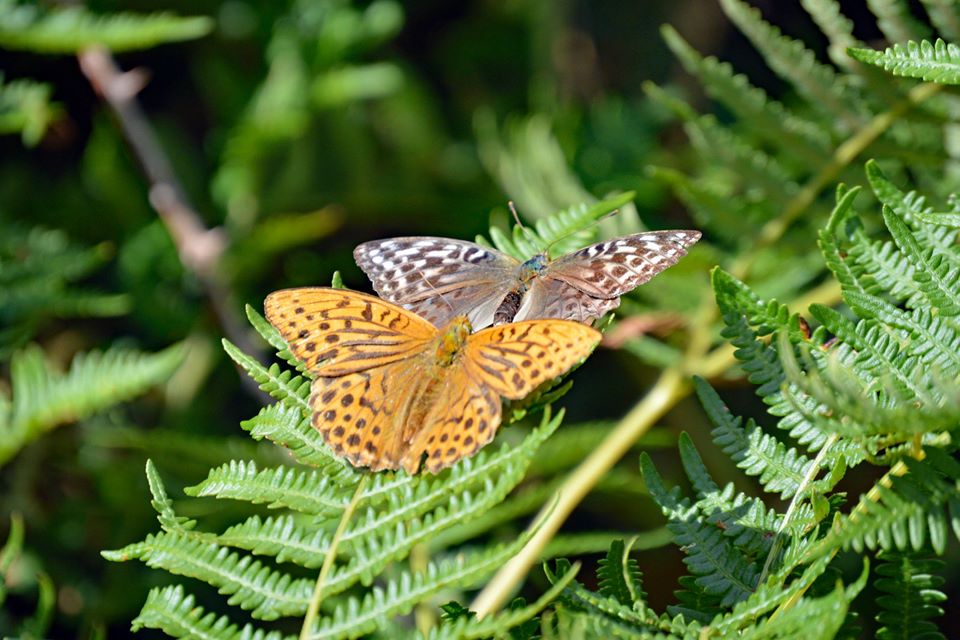
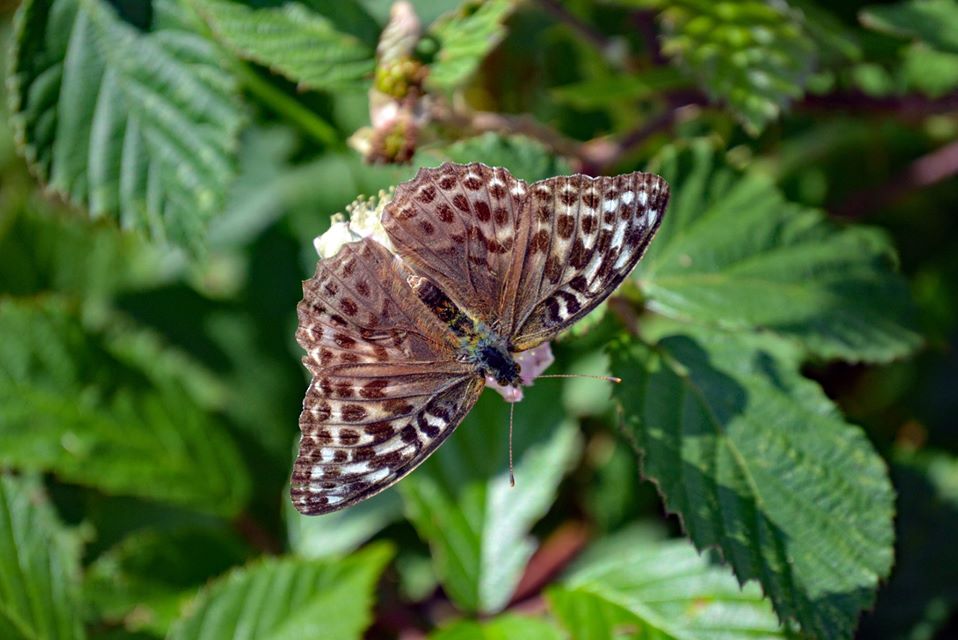
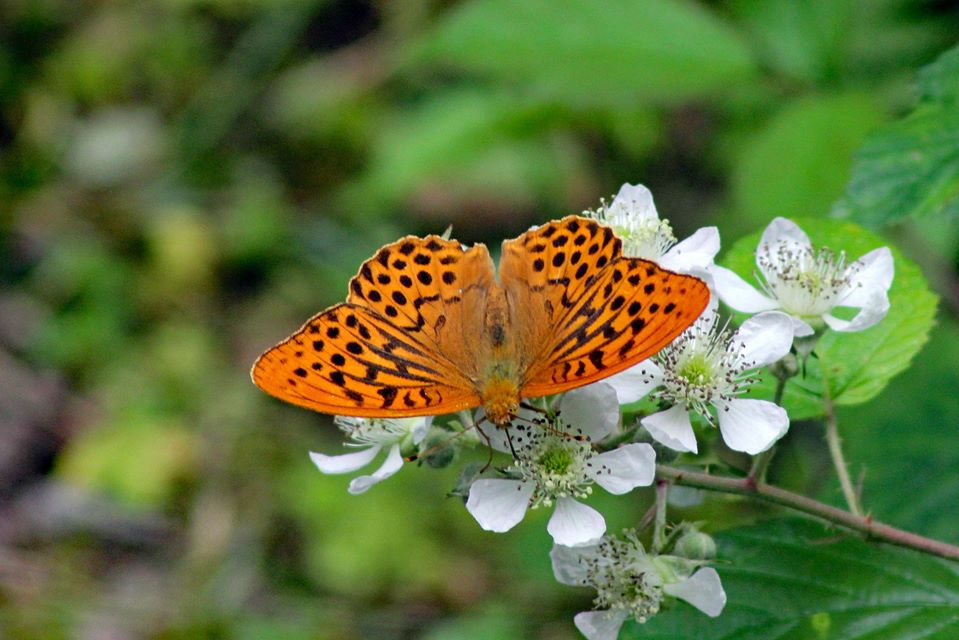
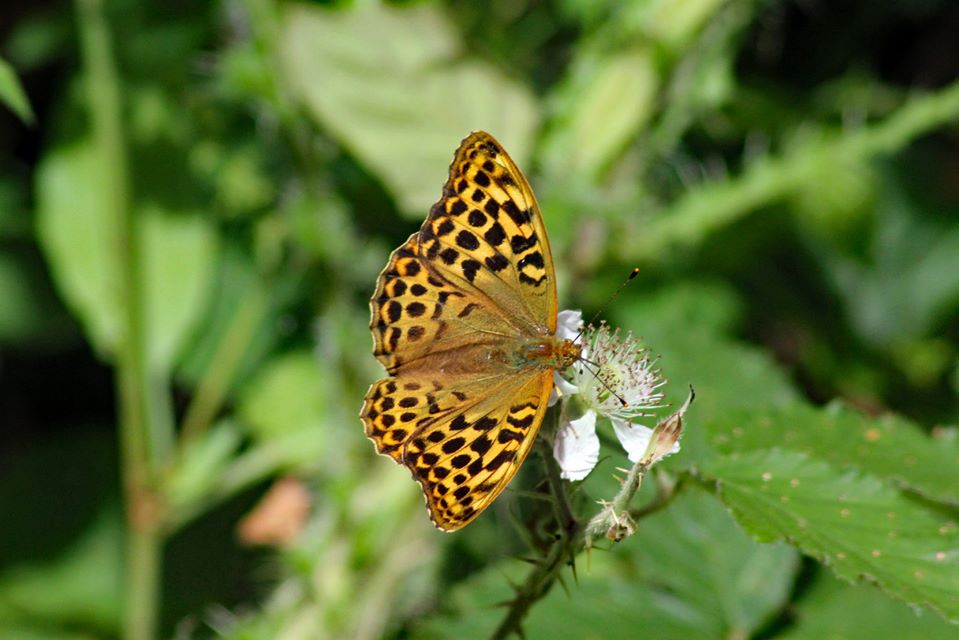
2nd photo - Male Silver-washed Fritillary
3rd photo - Female Silver-washed Fritillary
My 7th "Virtual Butterfly-watching in Cornwall" is in Cabilla and Redrice Woods Nature Reserve to see the Silver-washed Fritillary Argynnis paphia.
Cabilla and Redrice Woods is one of the largest and possibly the finest ancient woodlands in Cornwall.
Long walk, flat ground, picturesque and scenic view.
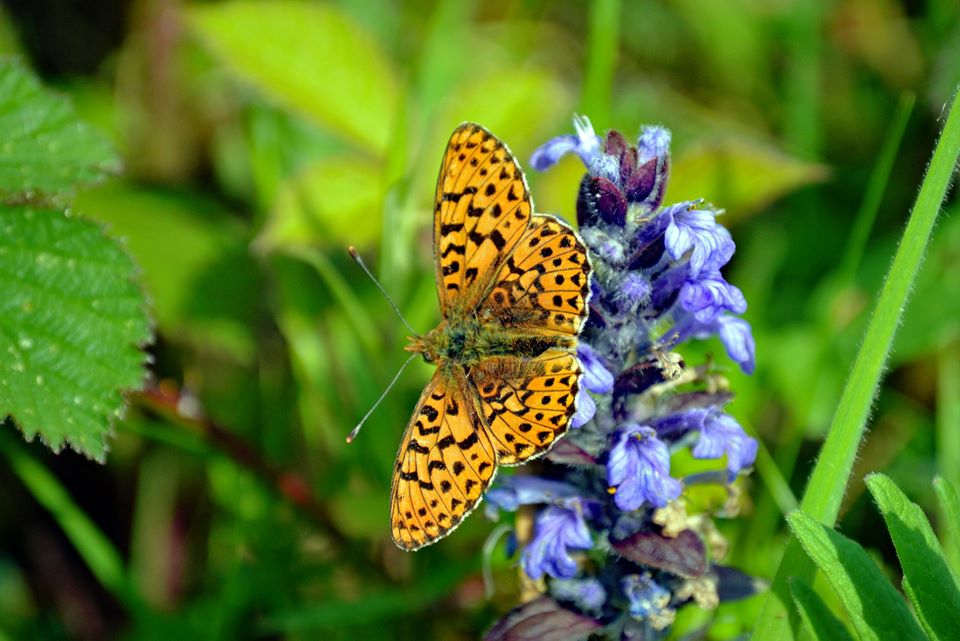
My 6th "Virtual Butterfly-watching in Cornwall" is in Fellover Brake to see the rare Pearl-bordered Fritillary Boloria euphrosyne.
Long walk, steep hill, picturesque and scenic view.

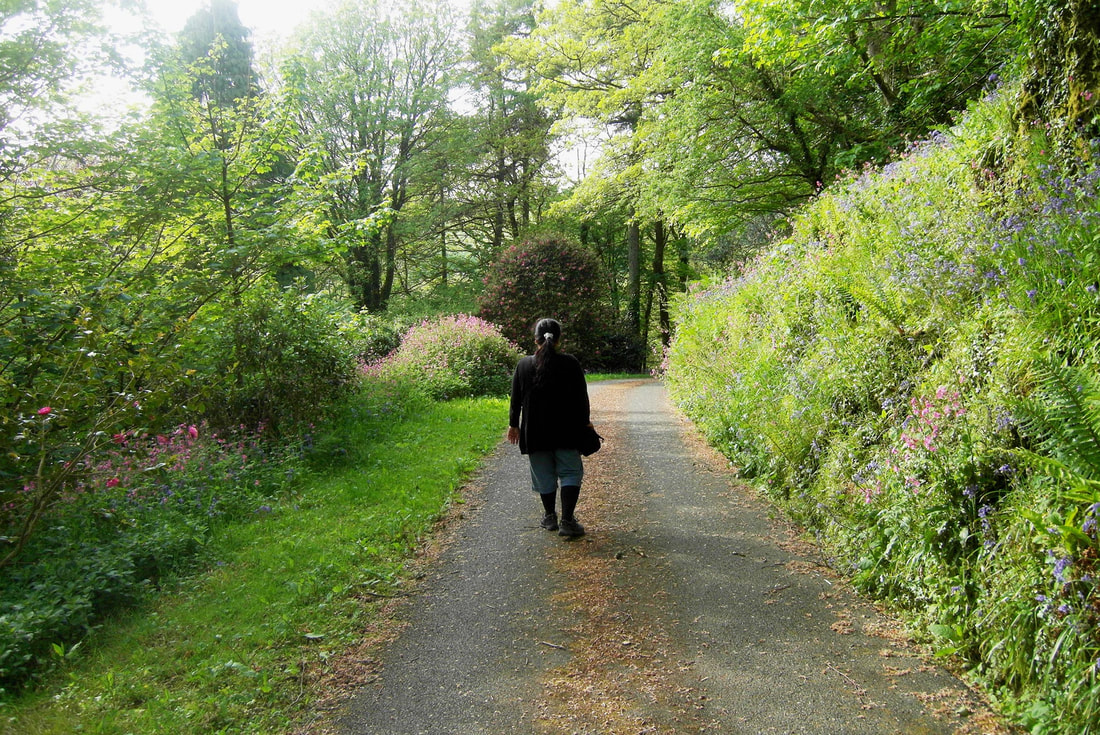
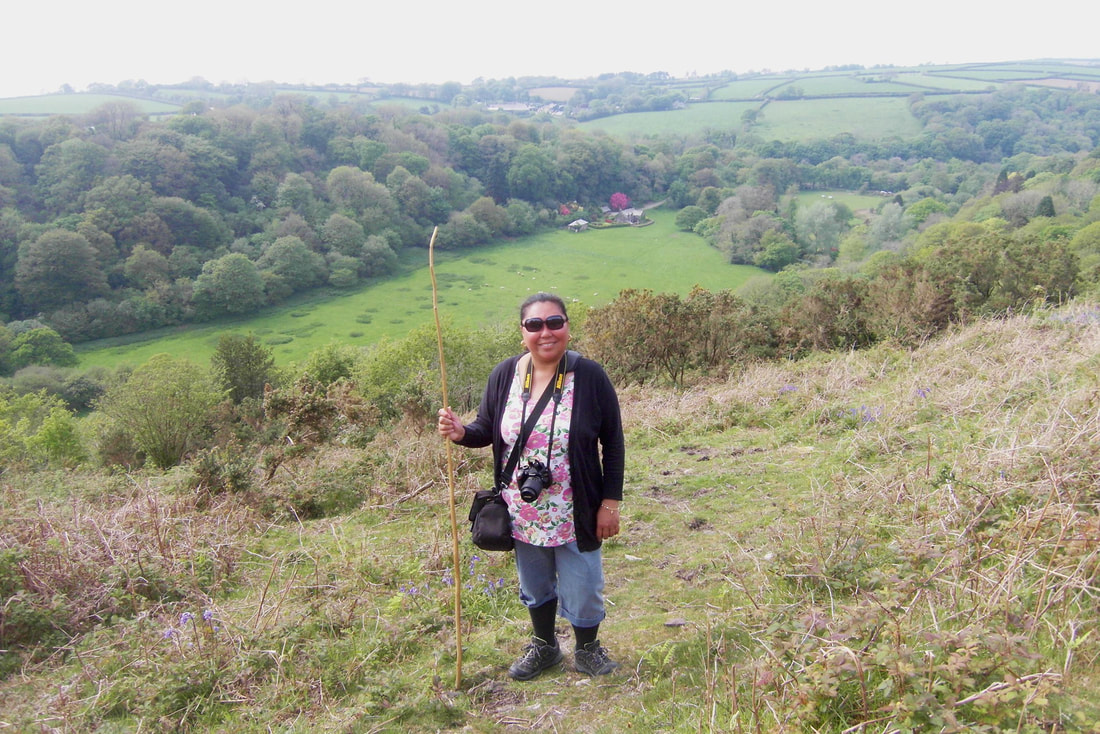


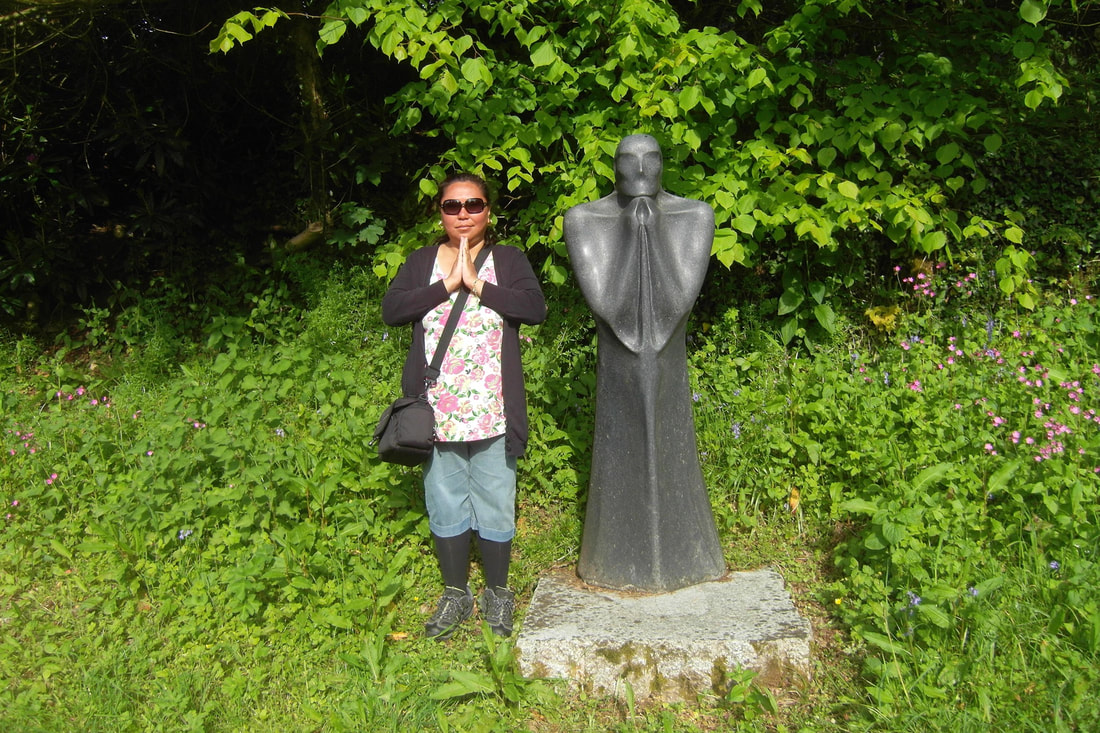
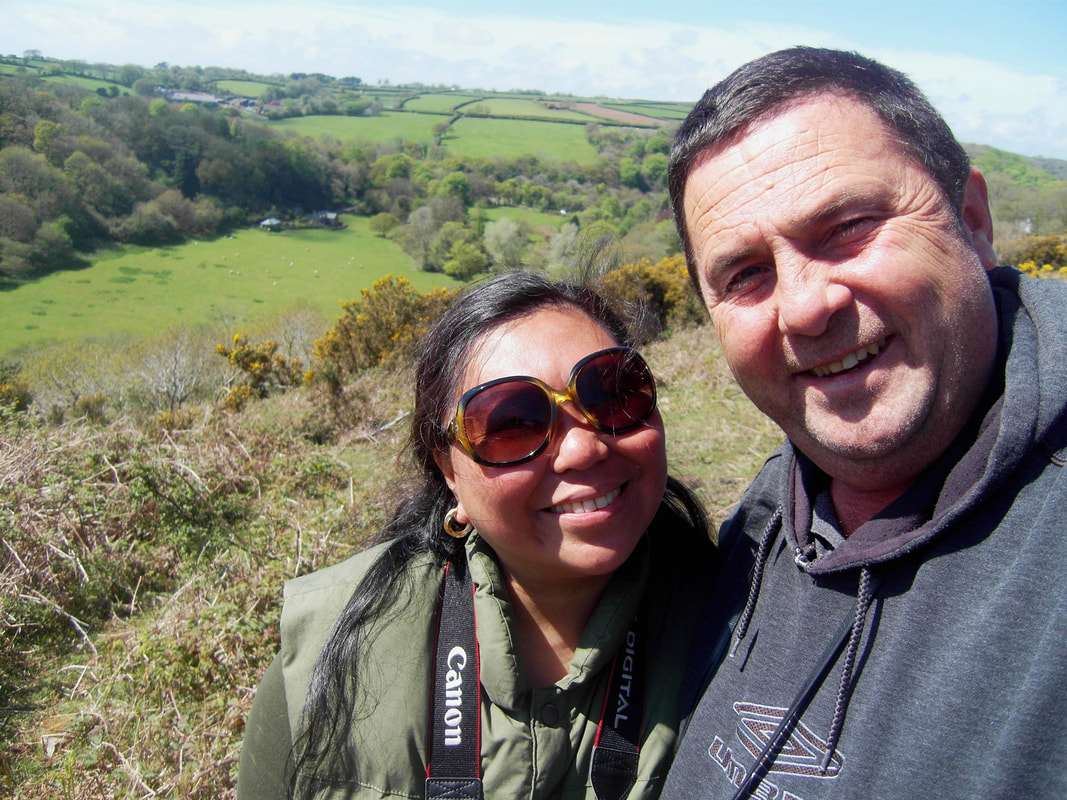
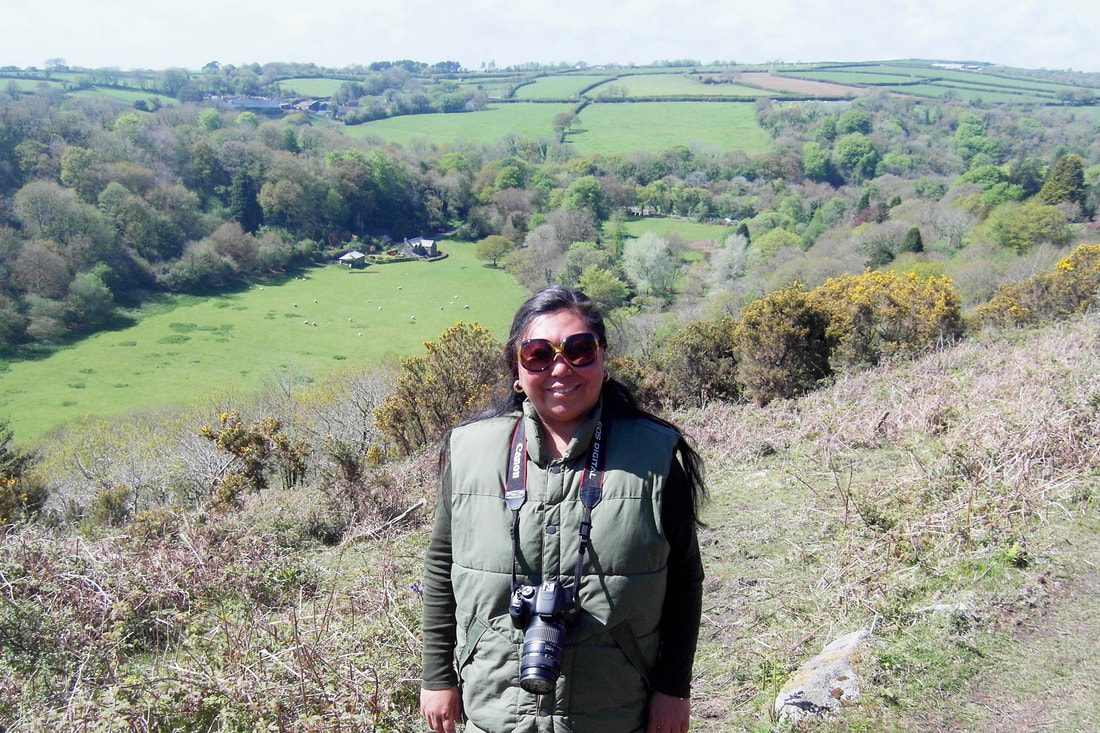
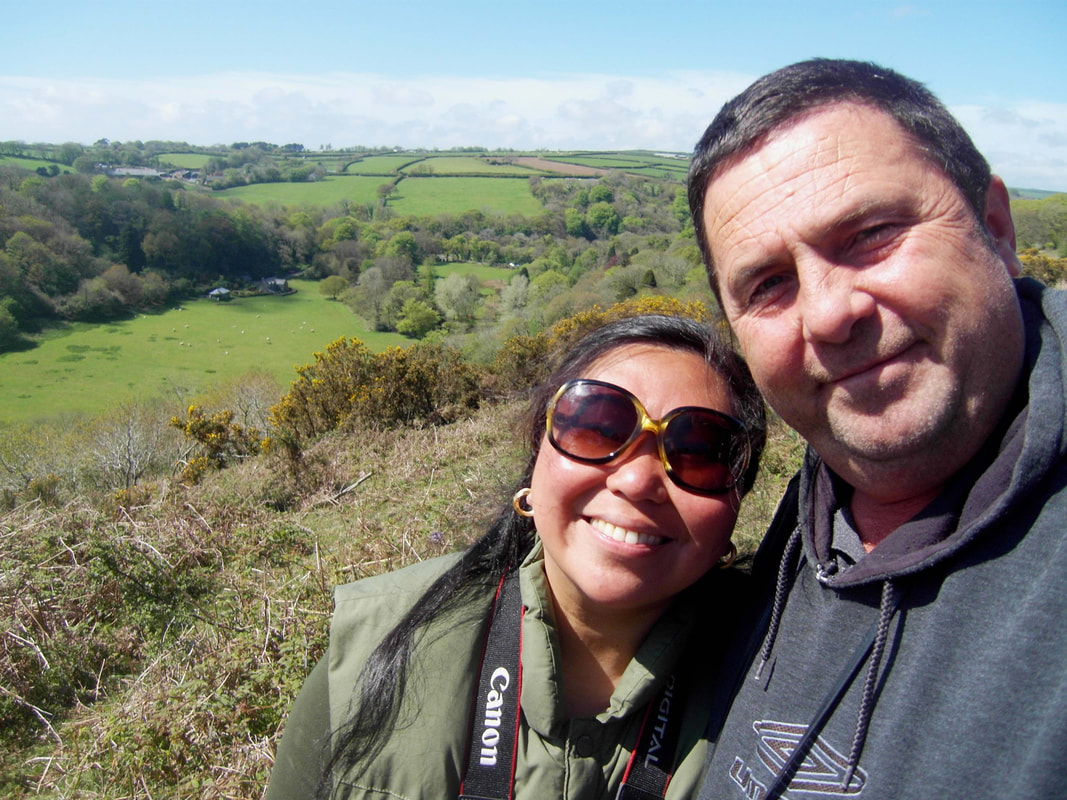

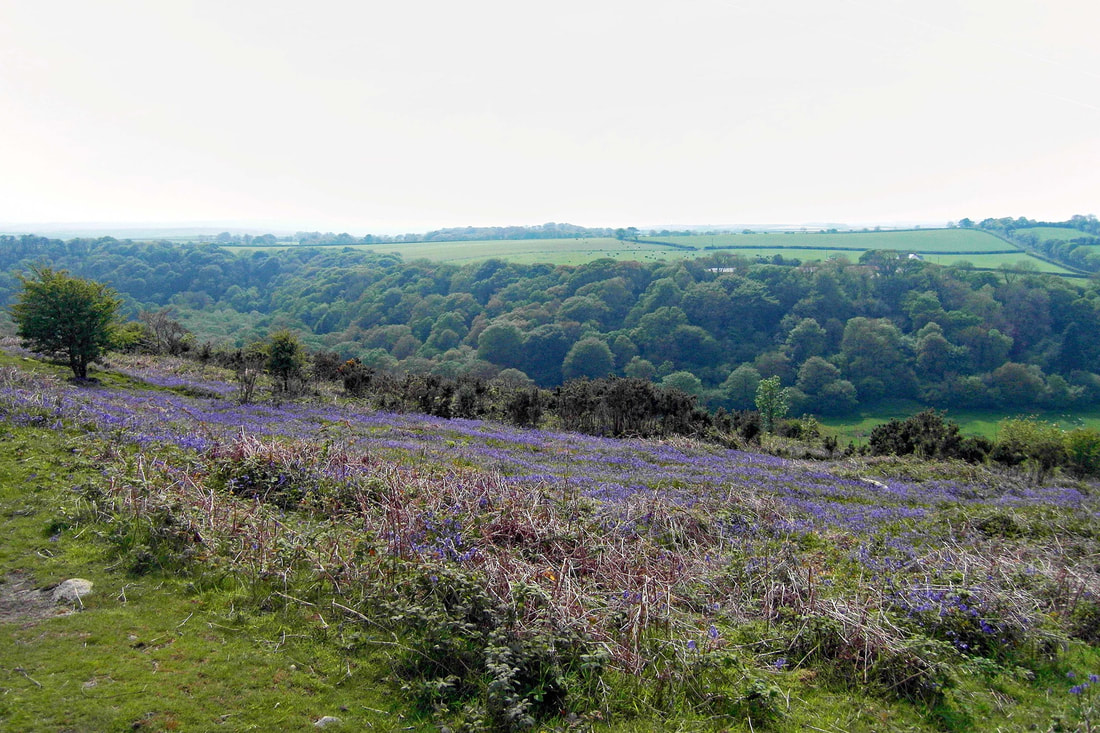
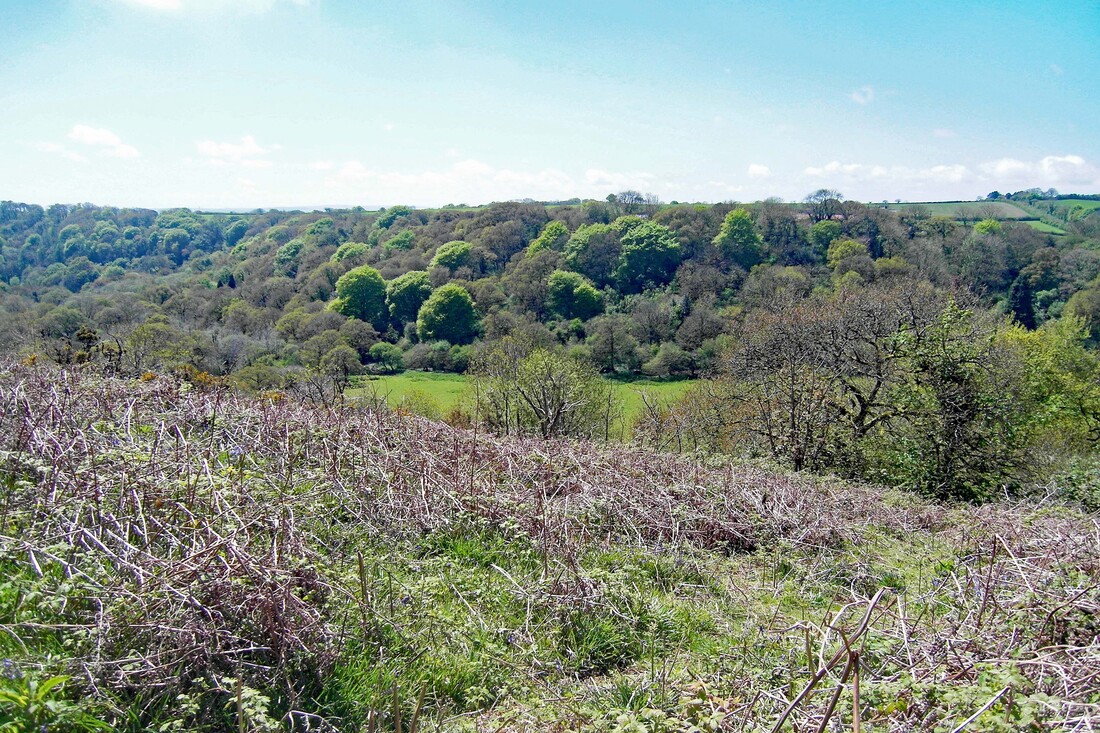
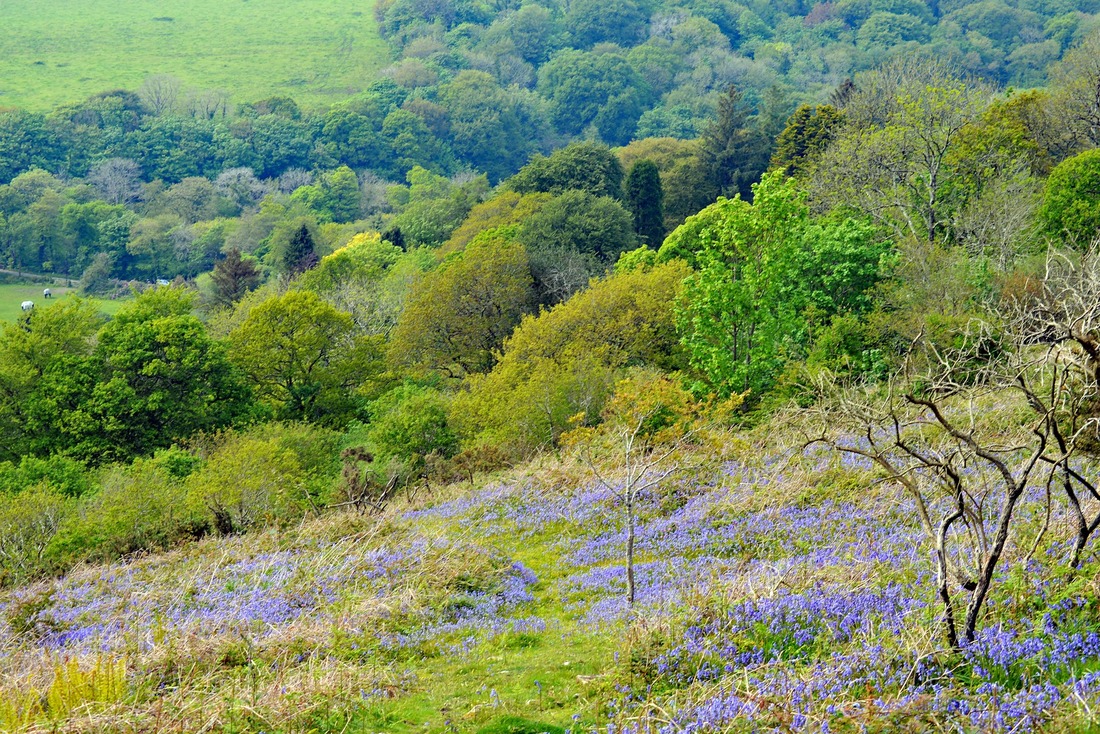

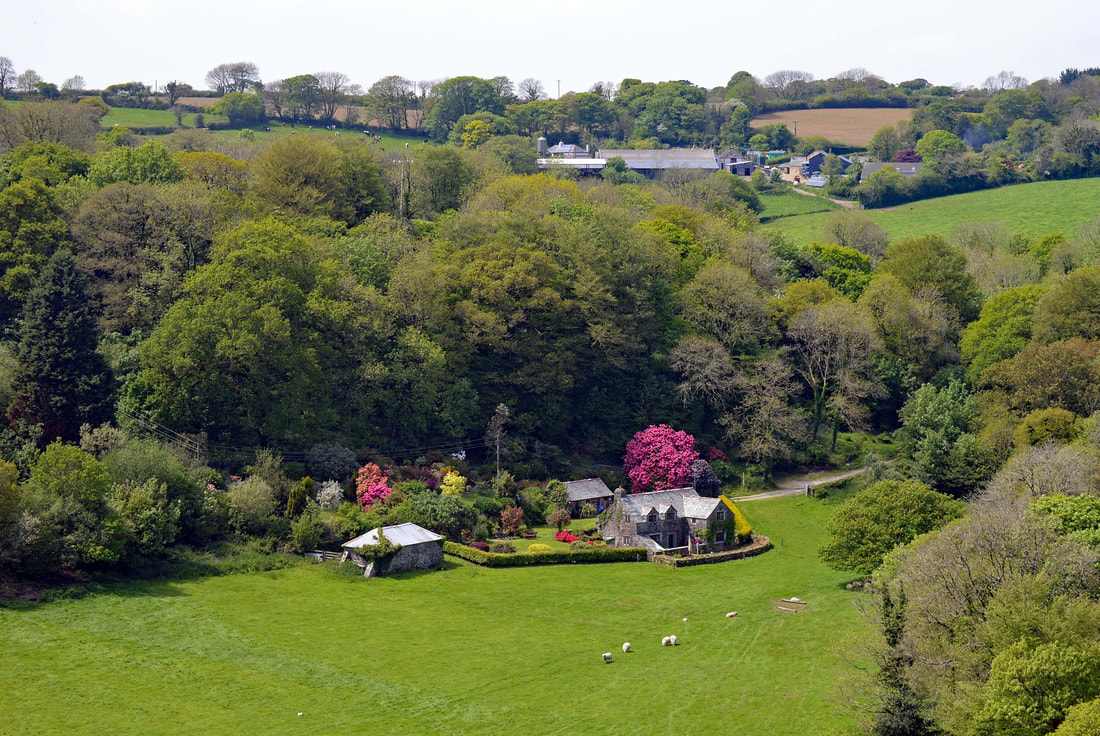
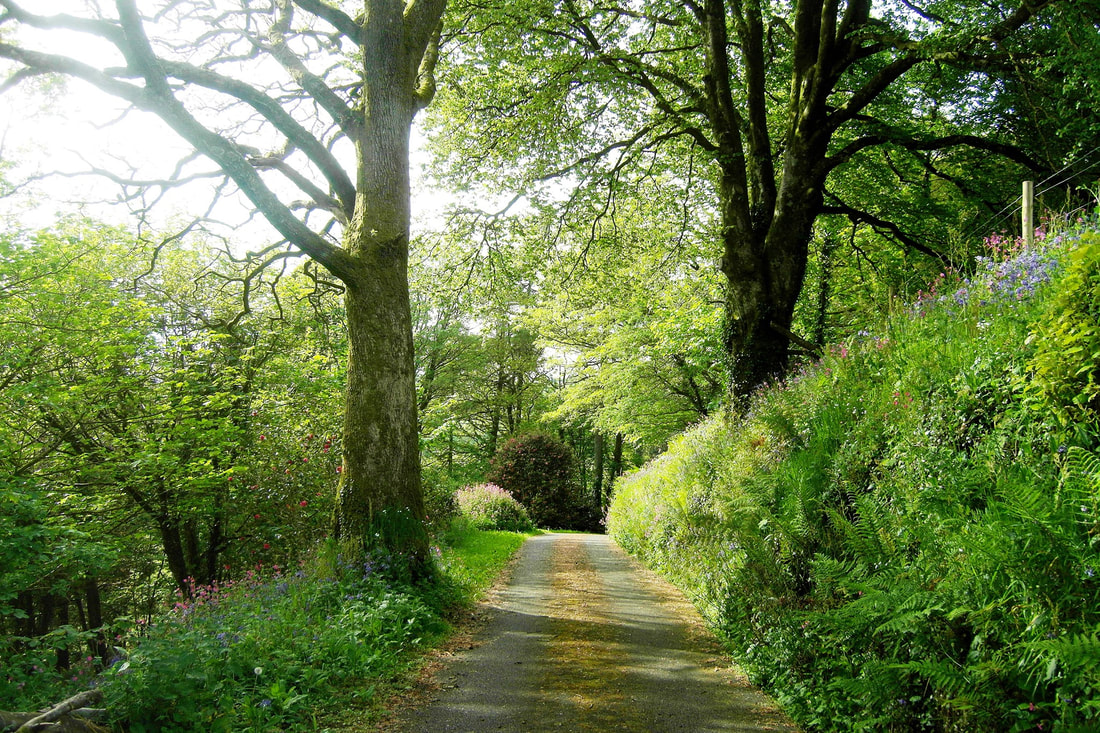
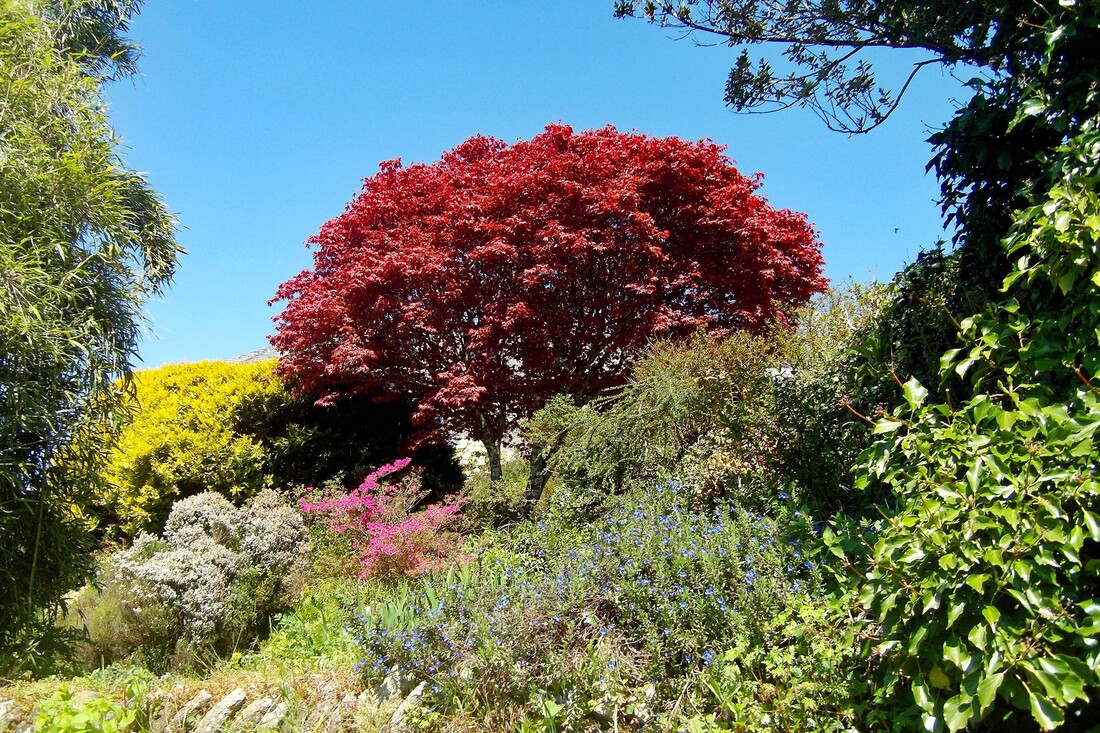
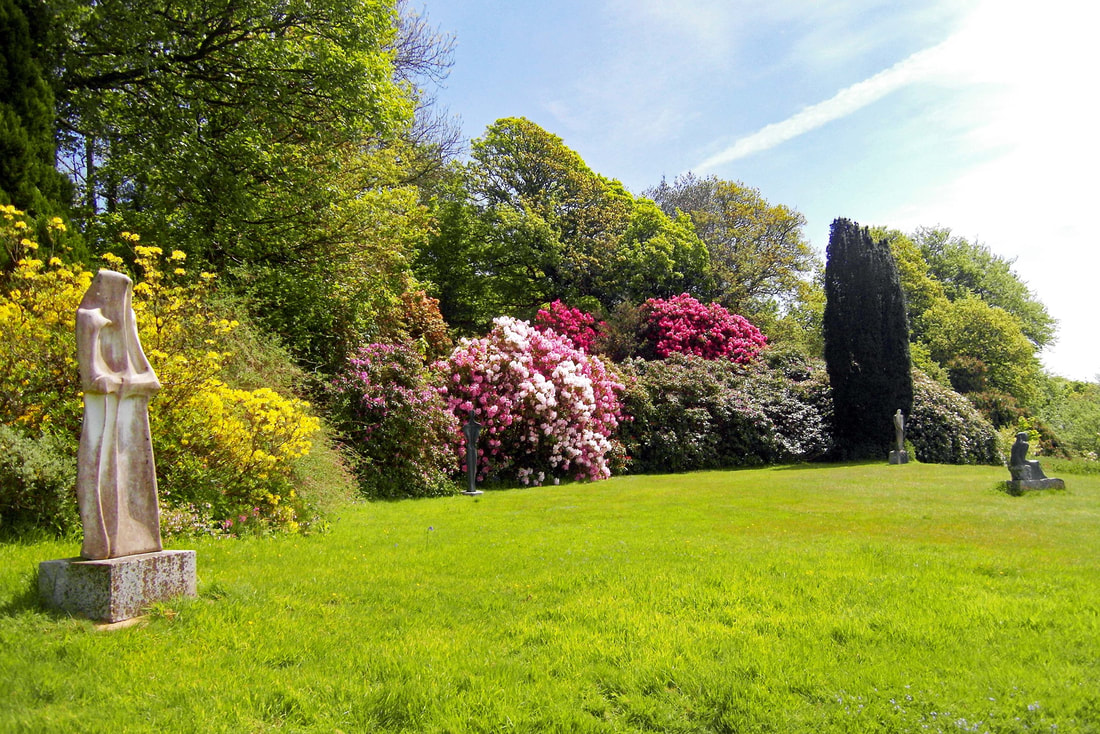
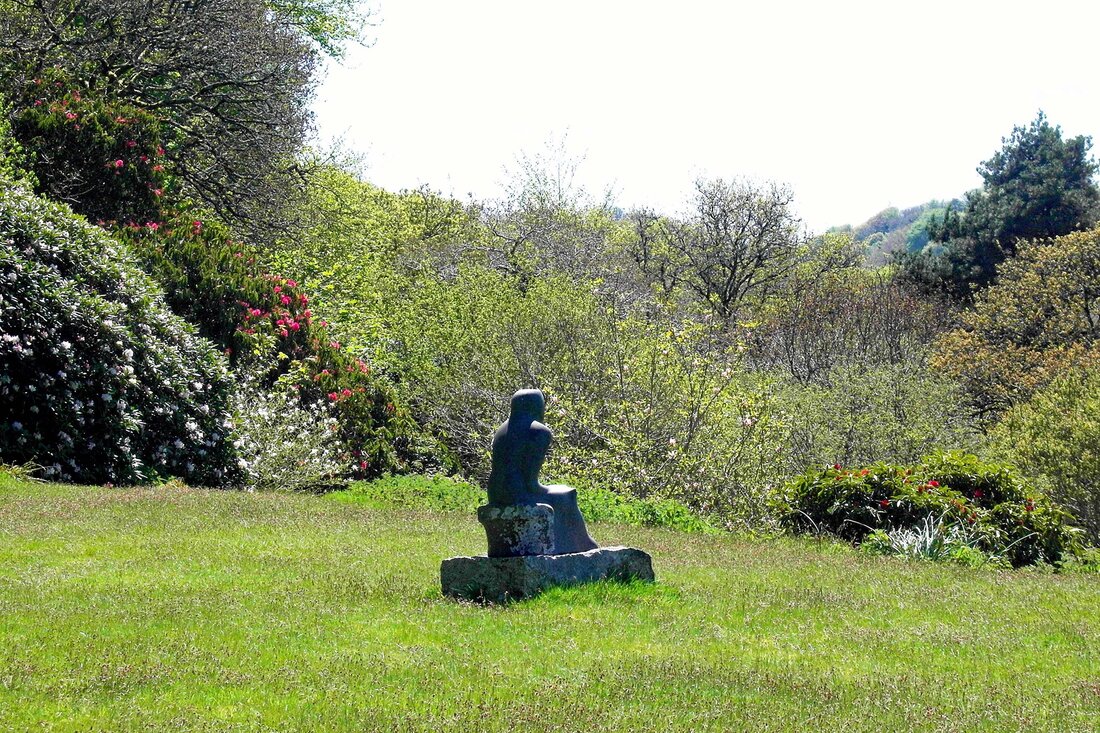
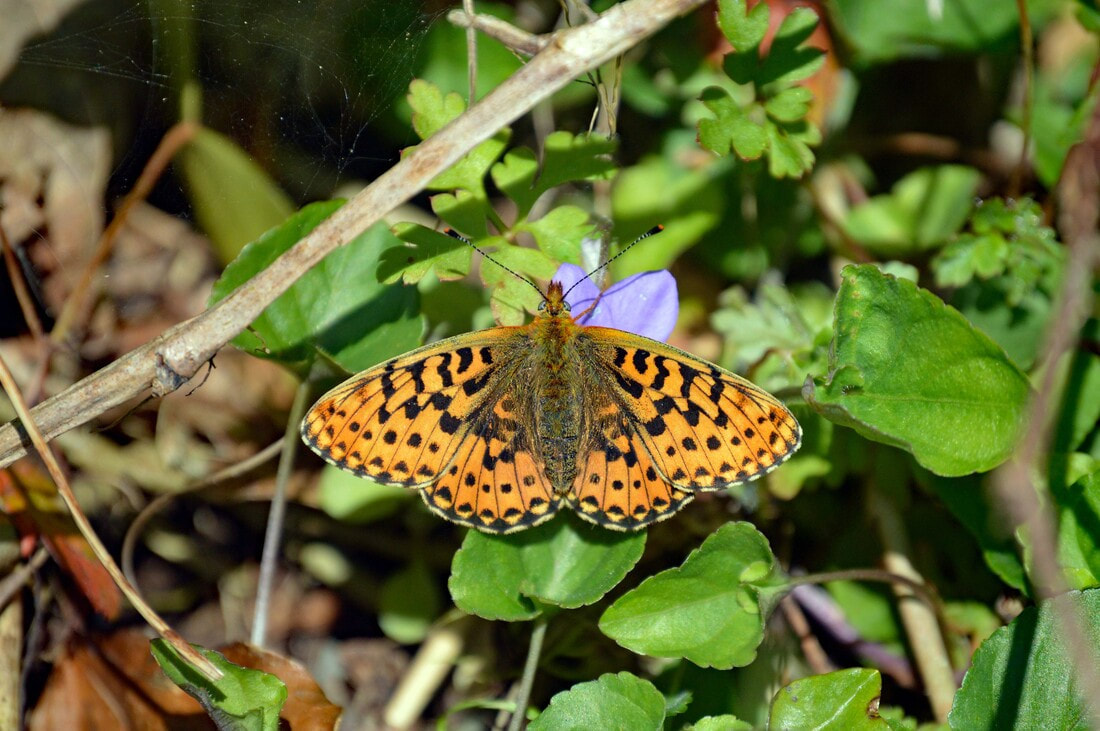
My 5th "Virtual Butterfly-watching in Cornwall" is in Struddicks to see the rare Pearl-bordered Fritillary Boloria euphrosyne.
Struddicks, a short but fairly demanding route through an unkempt wilderness alight with vivid flowers and butterflies in the summer months. This walk climbs high above the cliffs to give spectacular views. Thanks to the landowners' conservation strategies, the area is brimming with wildlife. The rocks, steps and stile along the coast path give the walk an adventurous flavour.
Long walk, steep hill, picturesque and scenic view.
Like me on Facebook: facebook.com/wildlifematters8
Follow me on Twitter: twitter.com/WildlifeMatter8
Follow me on Instagram: instagram.com/wildlifematter8

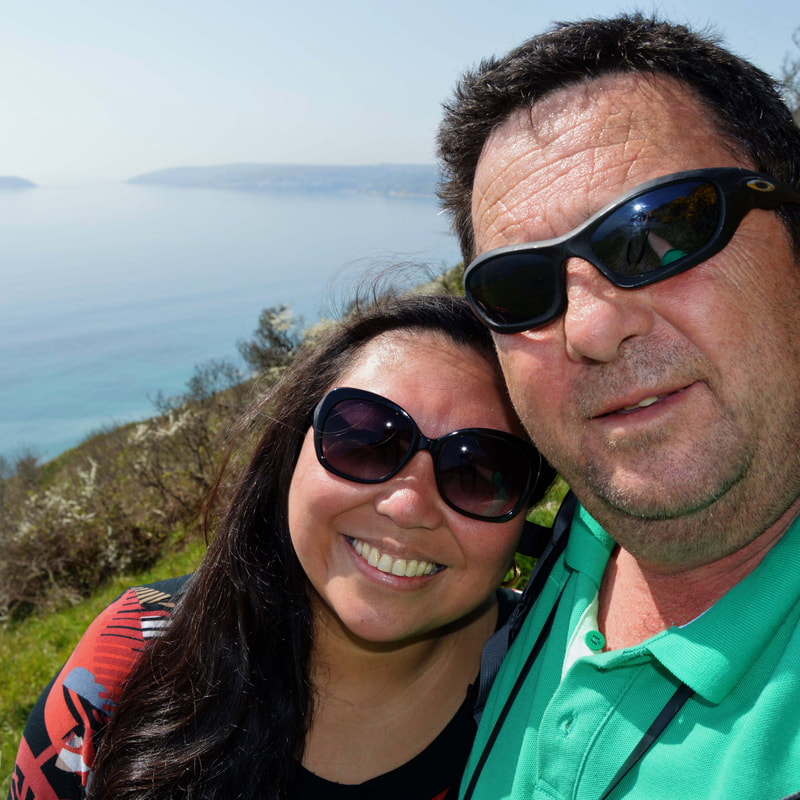
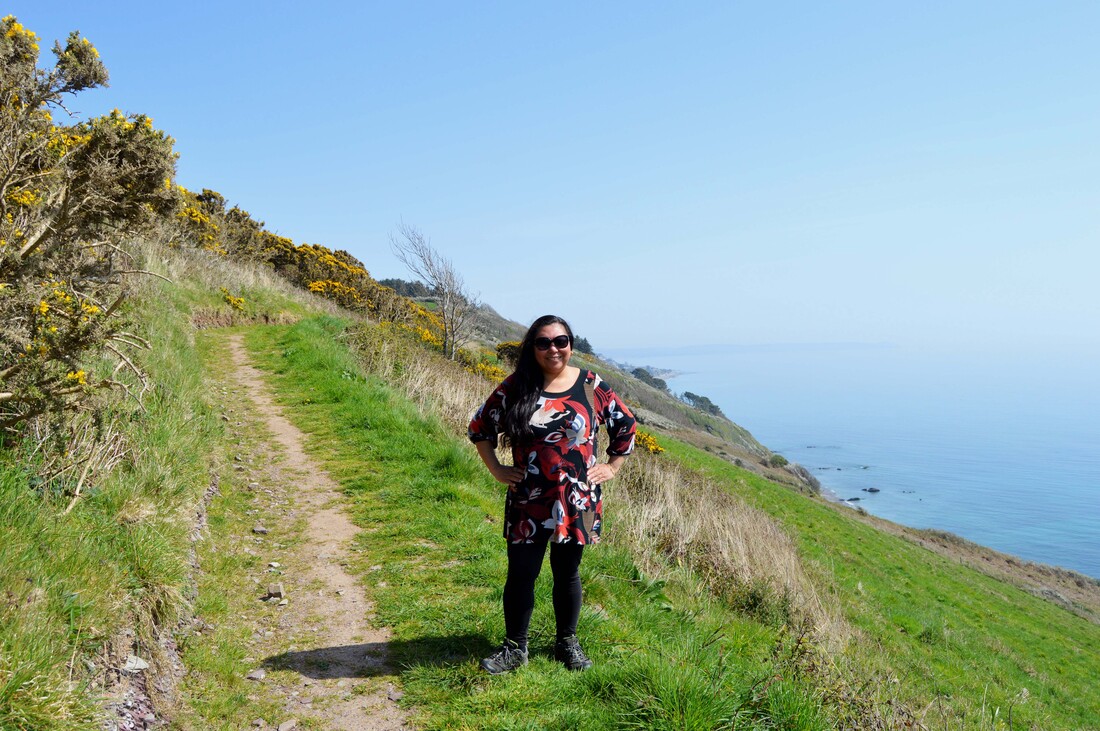
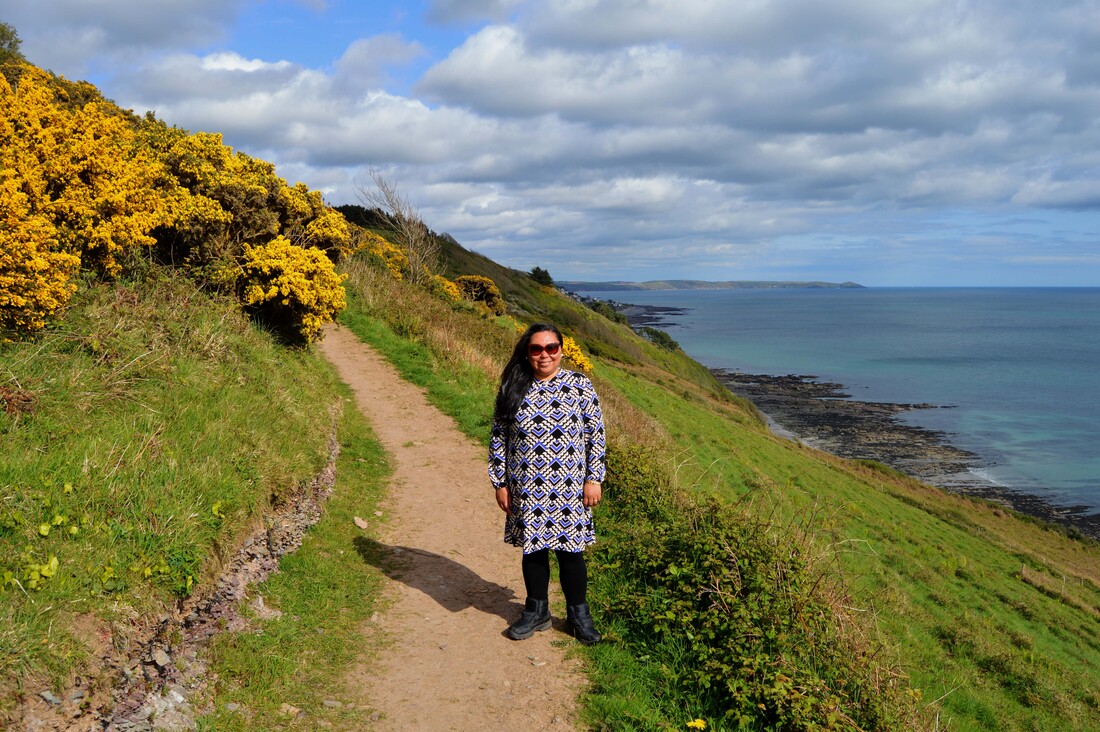


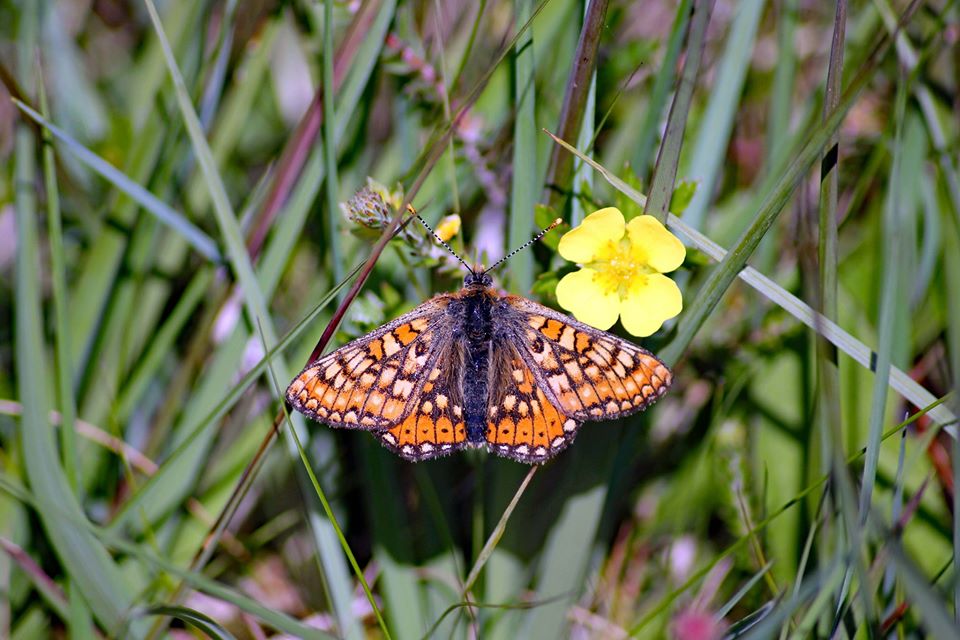
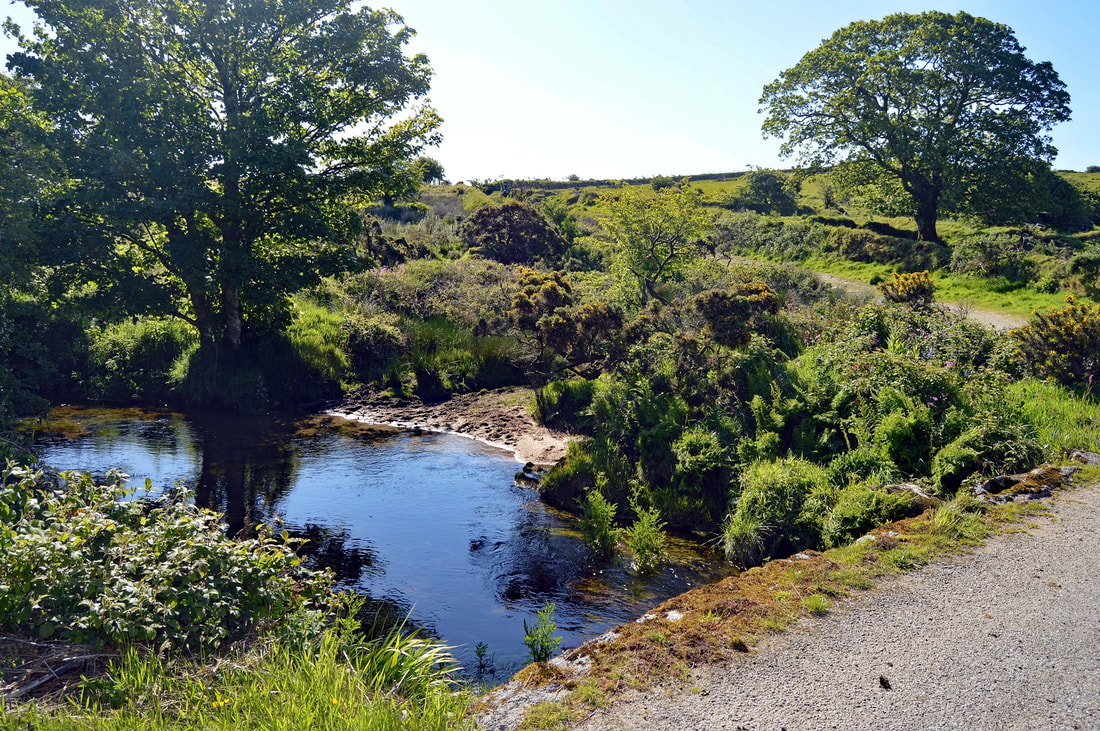
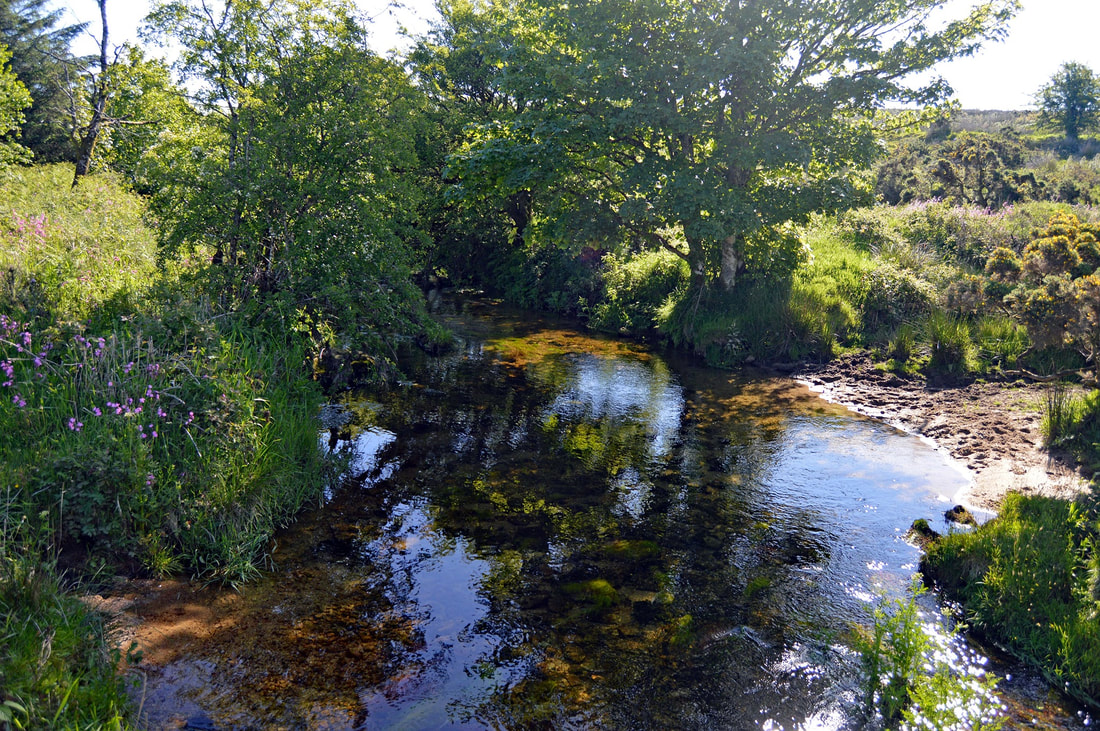
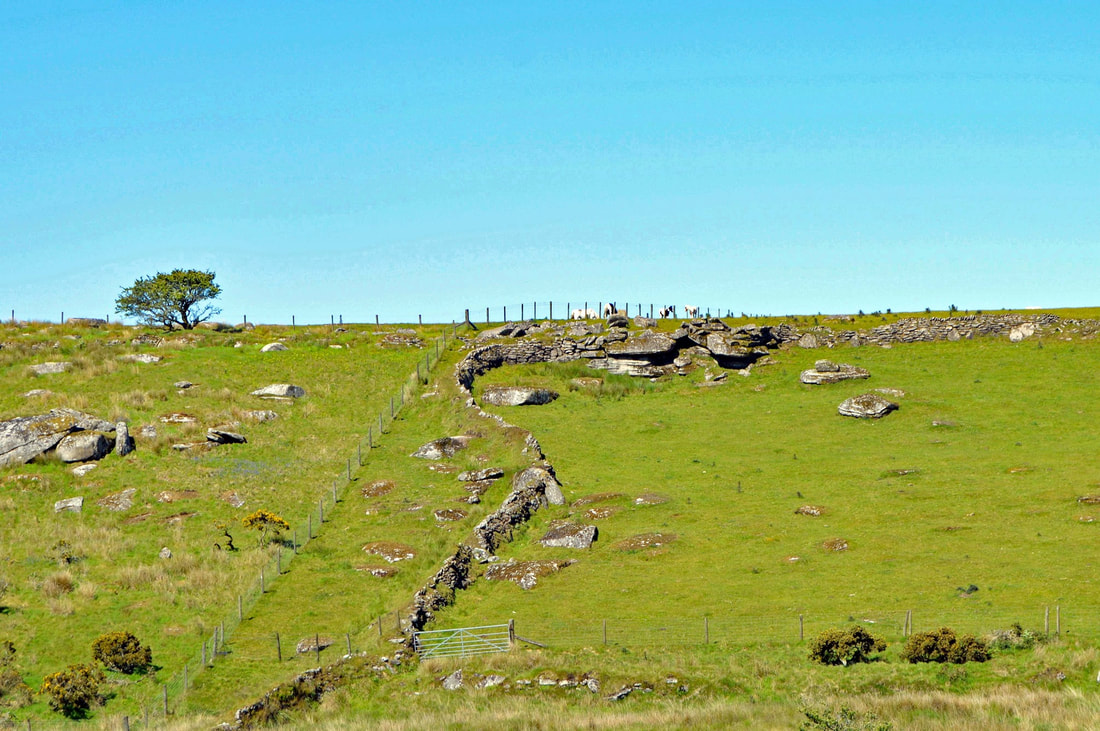
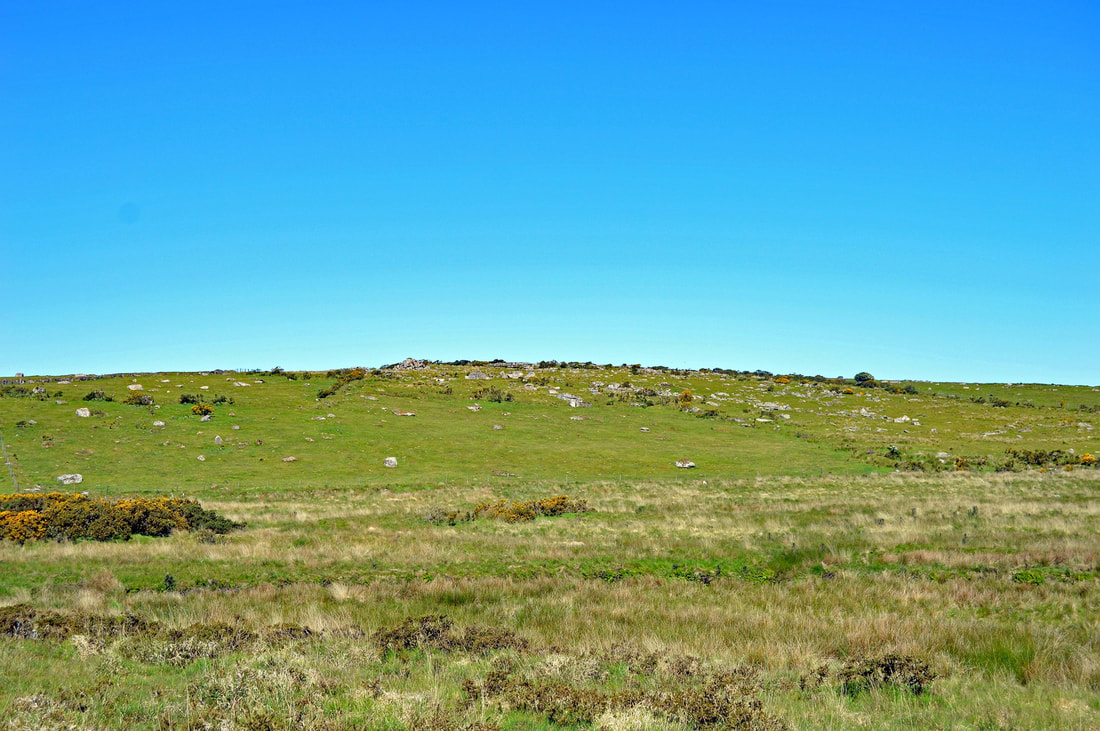
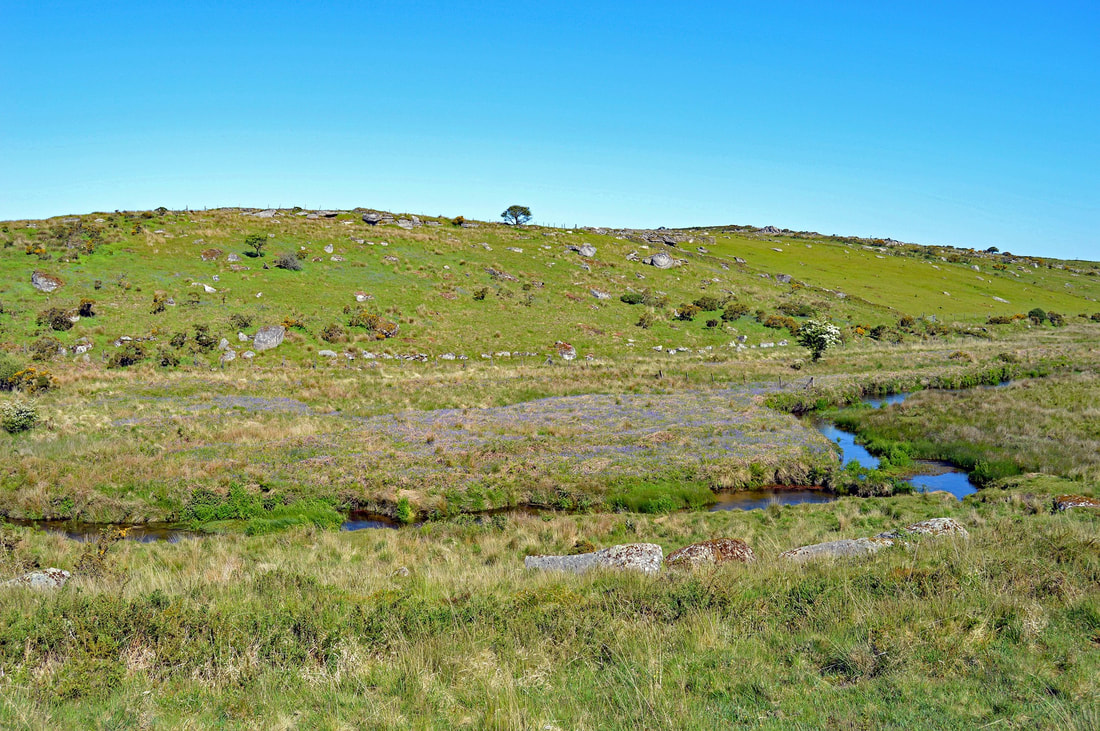
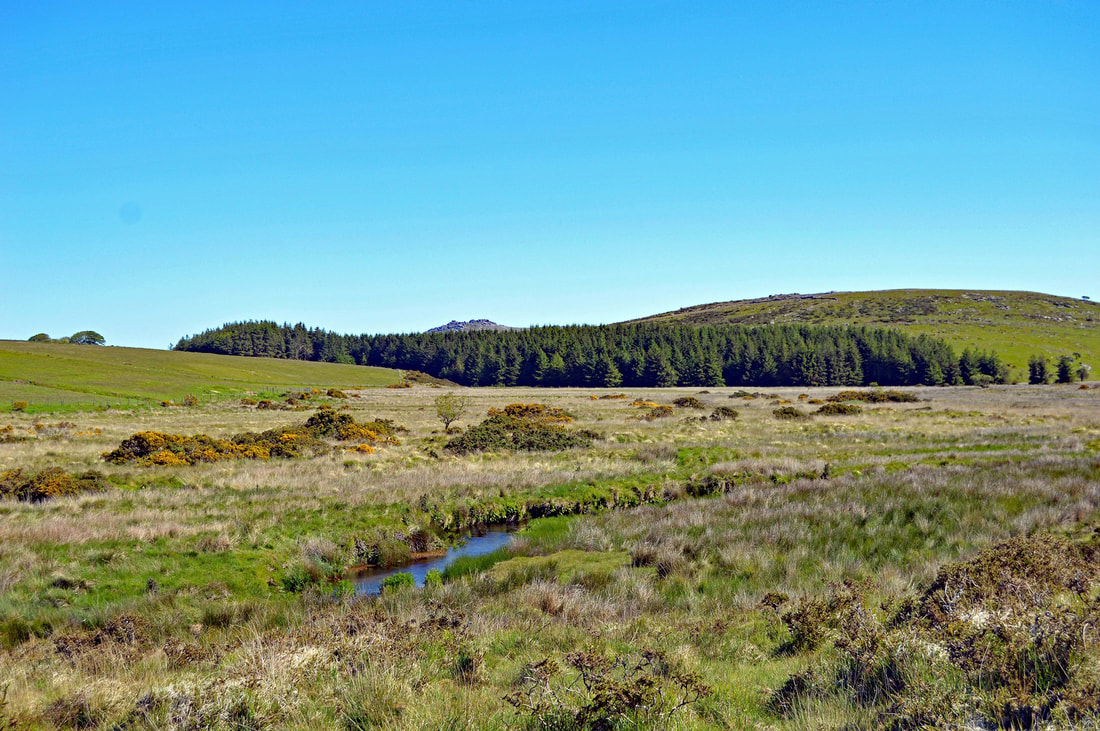
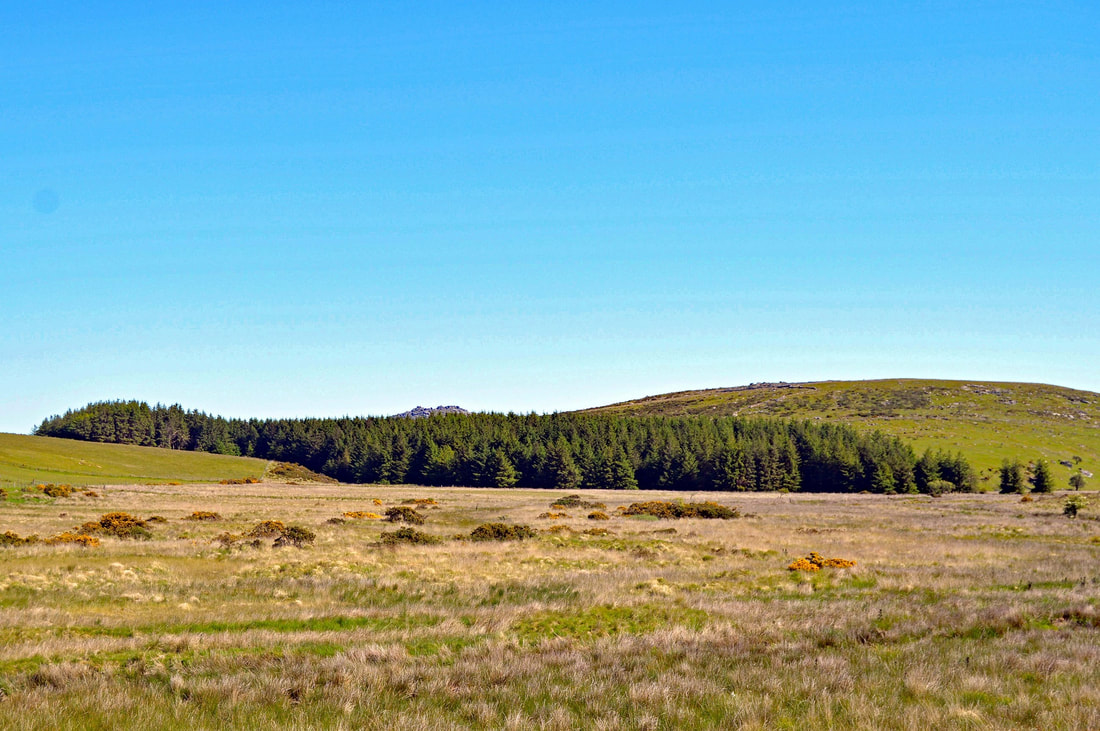
My 4th "Virtual Butterfly-watching in Cornwall" is in Garrow Tor to see the rare Marsh Fritillary Euphydryas aurinia.
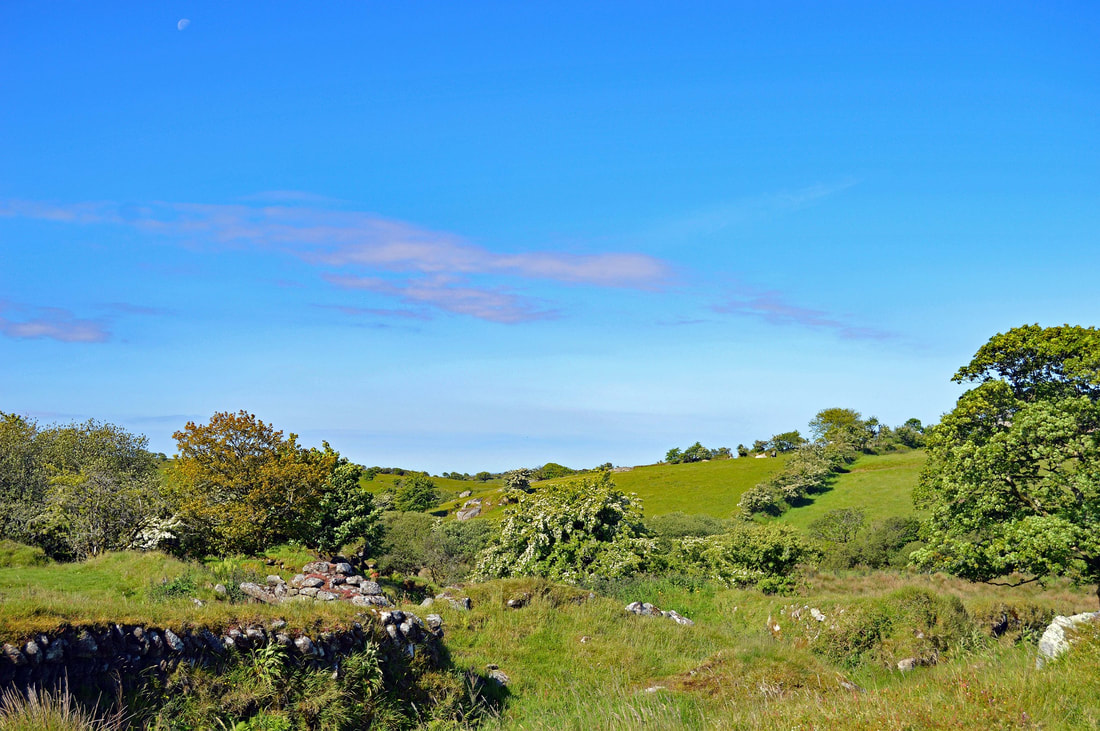
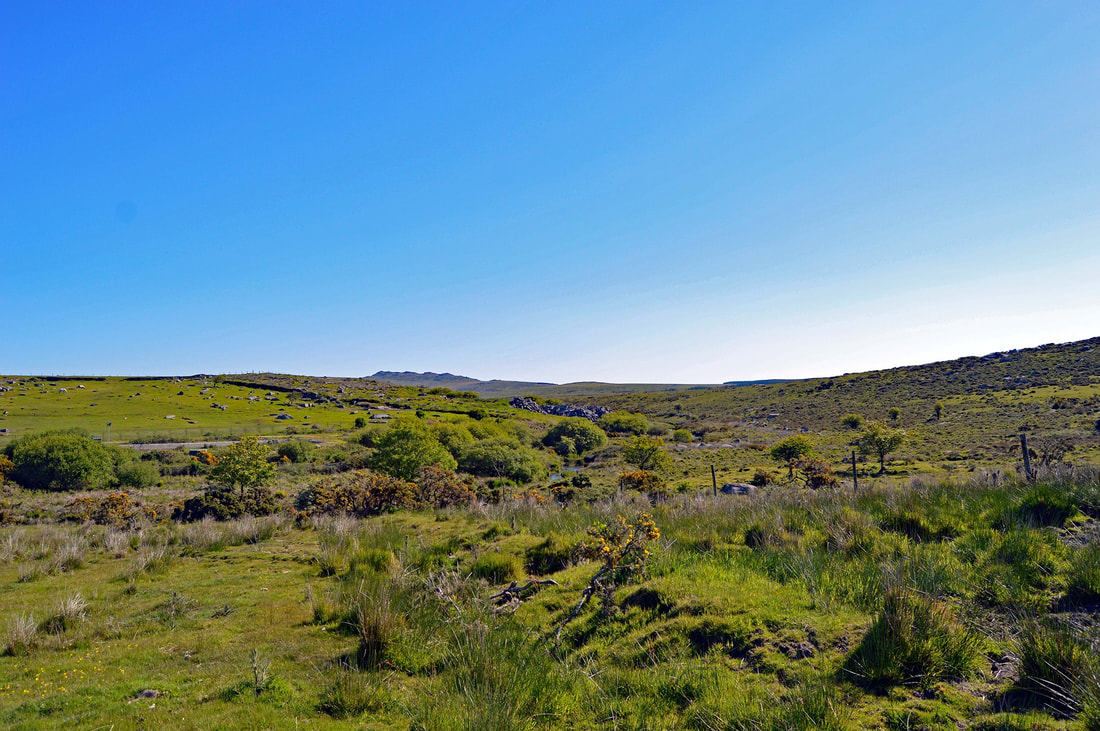
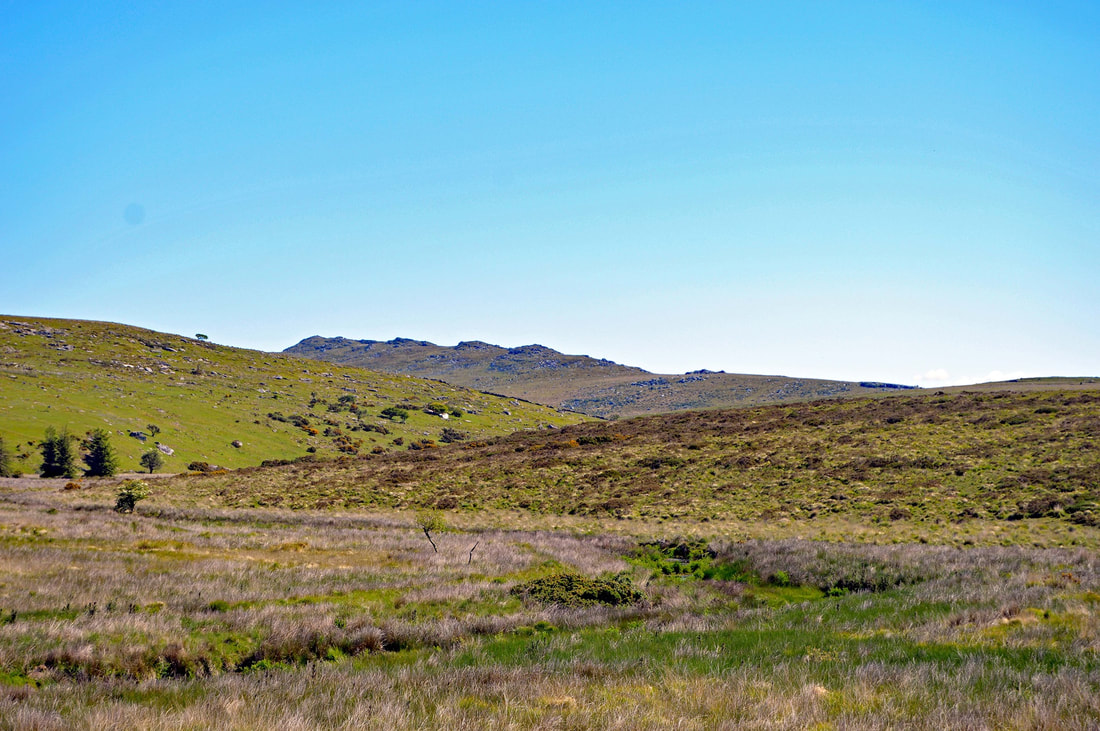
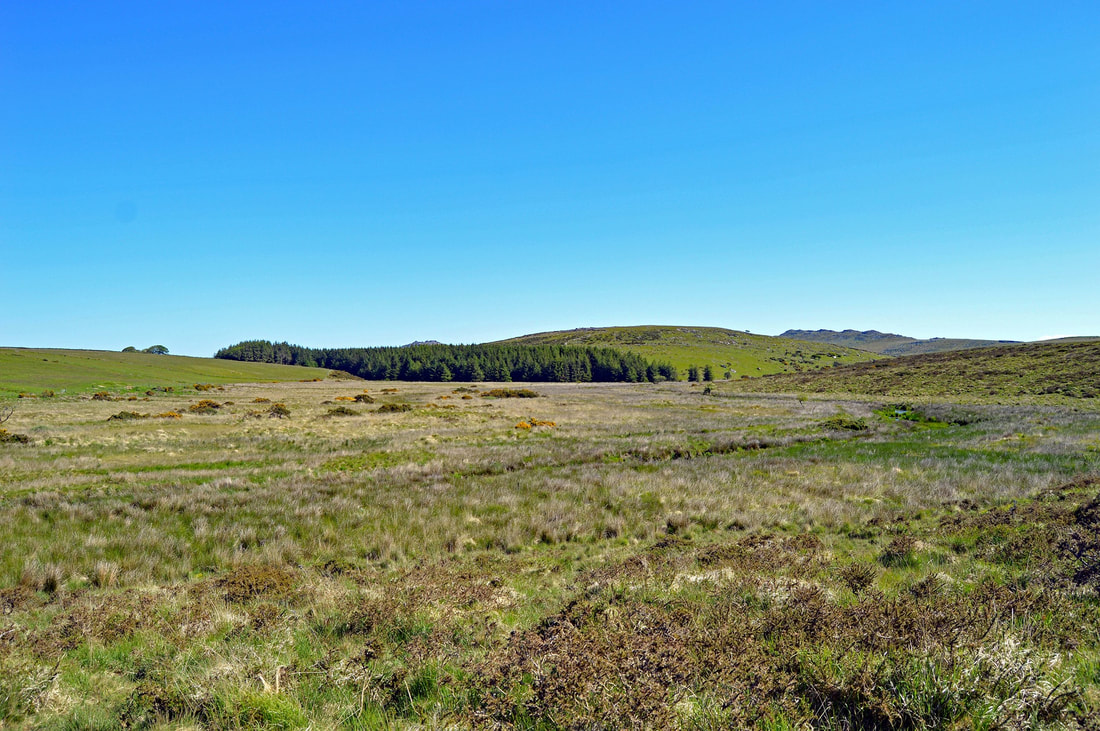
Garrow Tor is a bare, tor-crowned hill, 330 metres (1,080 ft) high, located on Garrow Downs in the northwest of Bodmin Moor.
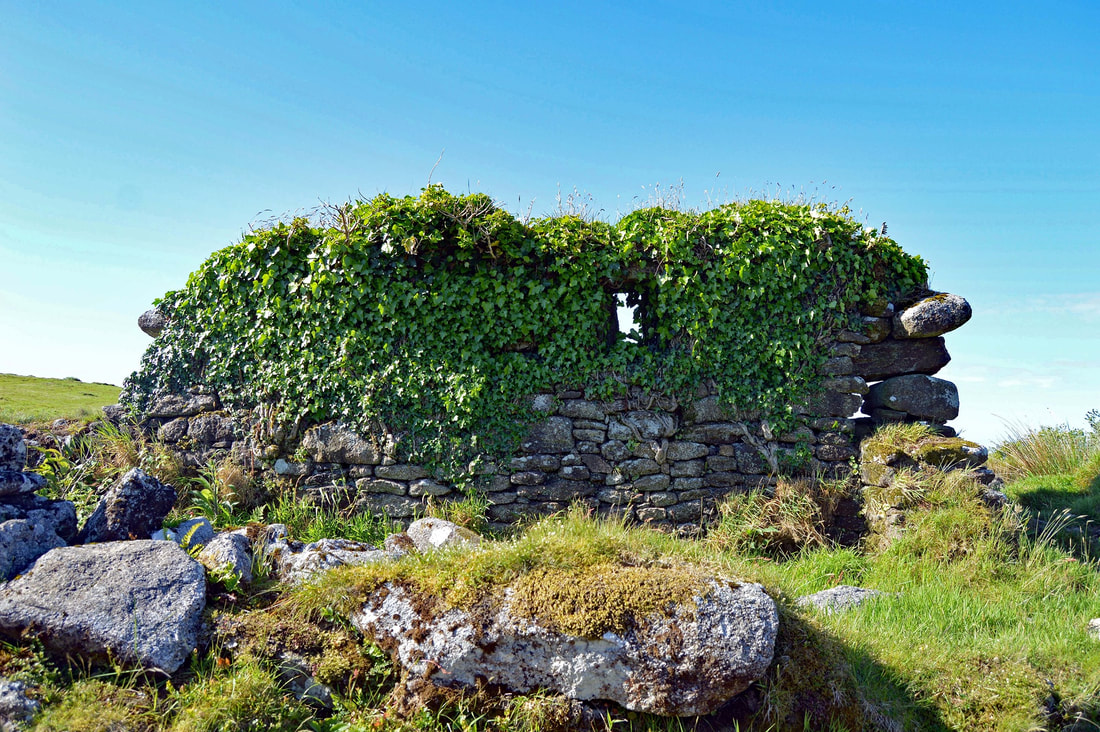
At the summit of Garrow Tor are granite rock outcrops and panoramic views, including Caradon Hill to the south, Rough Tor and Brown Willy to the north, Butter's Tor to the east, clay country to the west and the Atlantic Ocean to the northwest. The hill also bears extensive evidence of early settlement, including a massive stone hedge, Bronze Age settlements and hut circles and Medieval settlements.
Long walk, rough ground, picturesque and scenic view.
Like me on Facebook: facebook.com/wildlifematters8
Follow me on Twitter: twitter.com/WildlifeMatter8
Follow me on Instagram: instagram.com/wildlifematter8
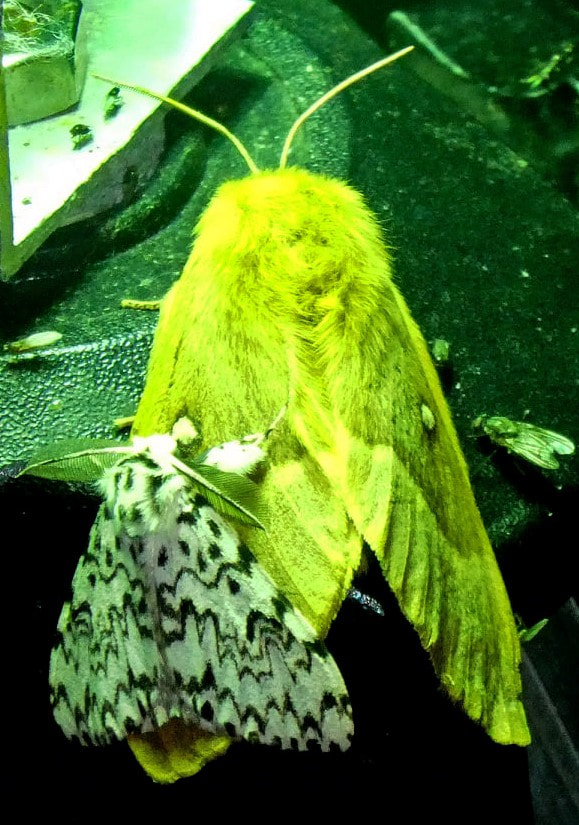
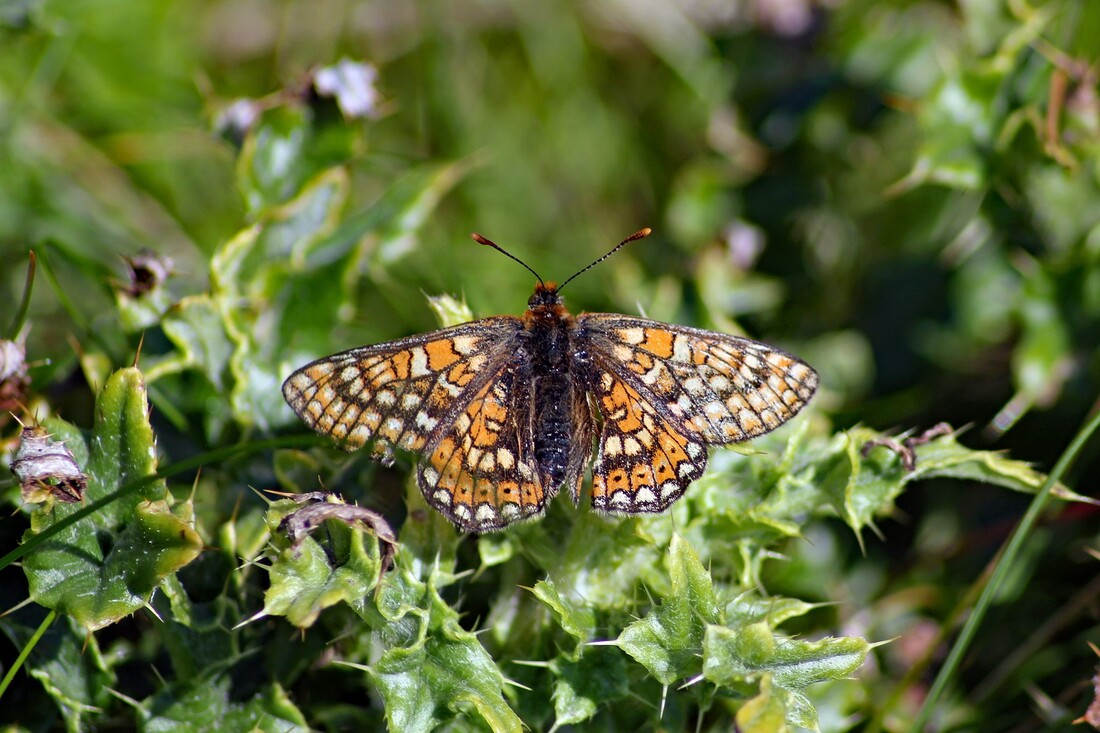


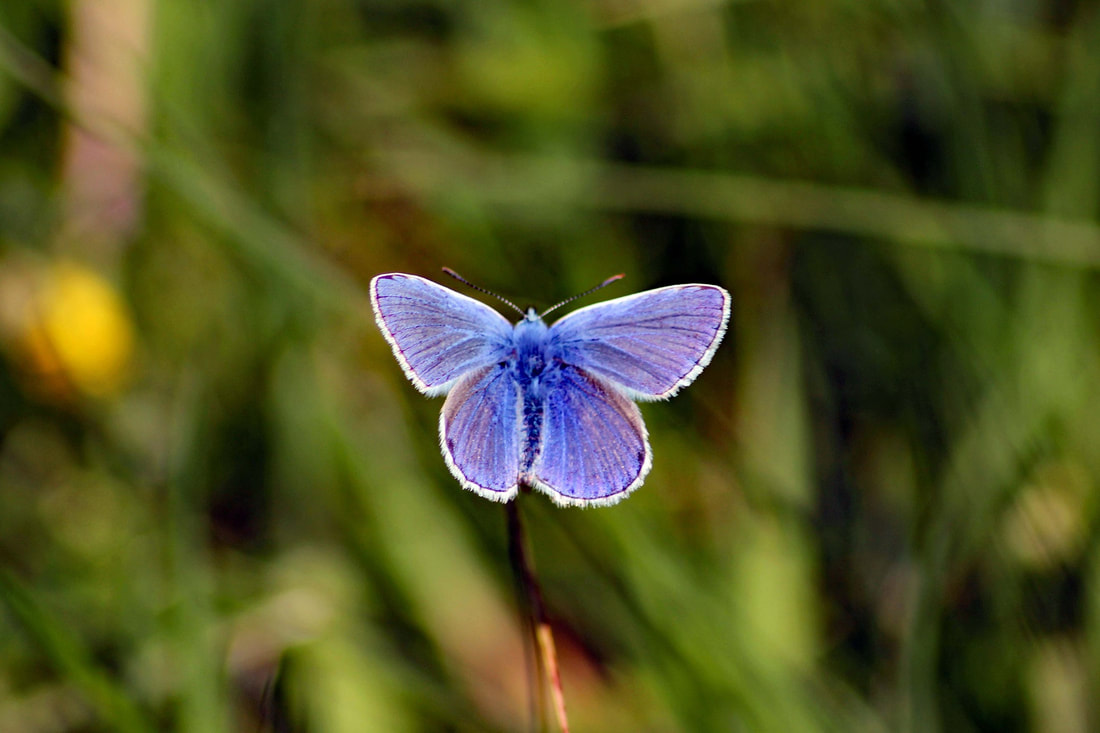

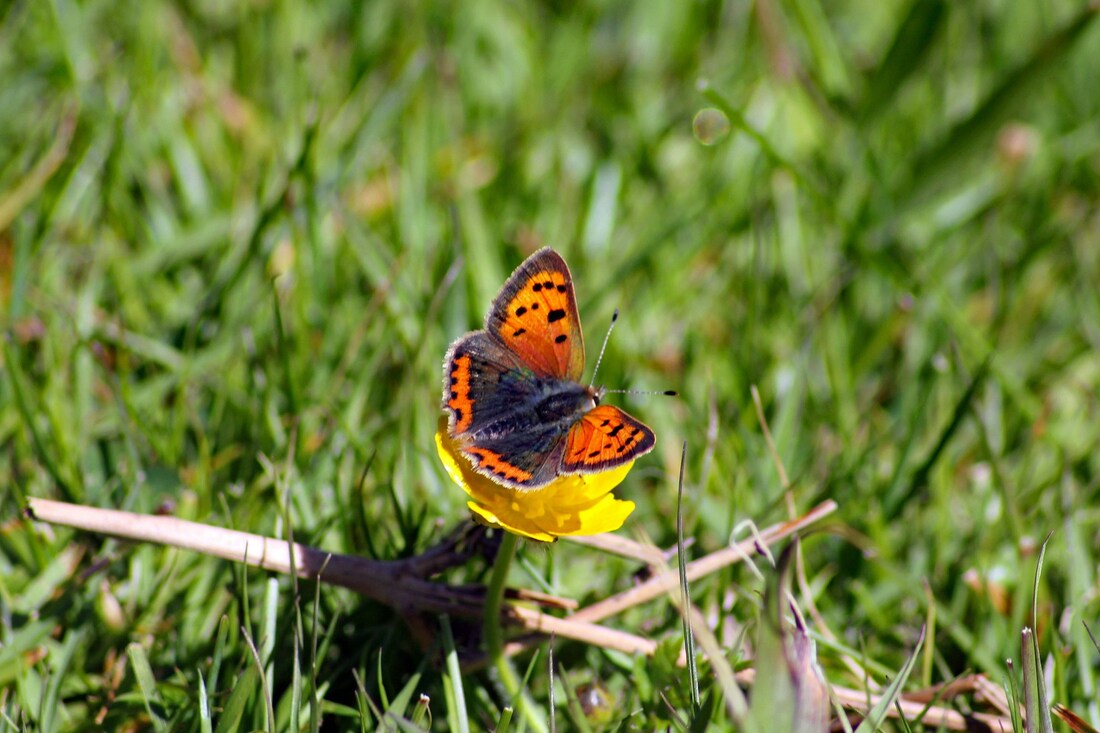
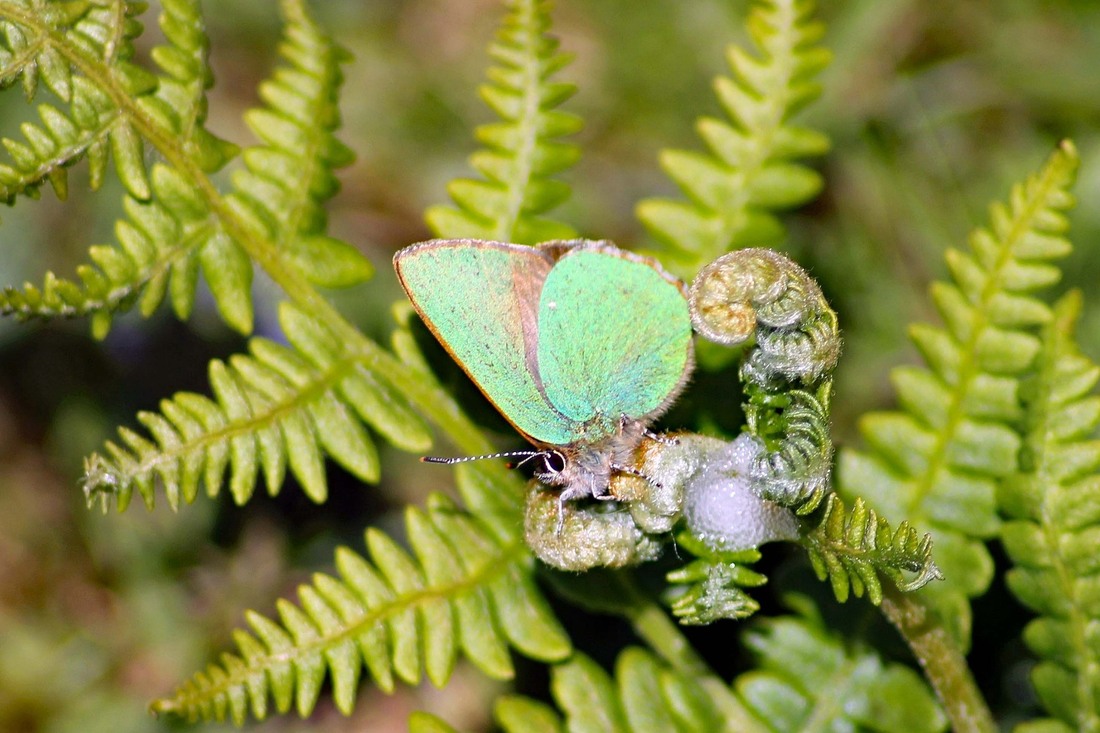
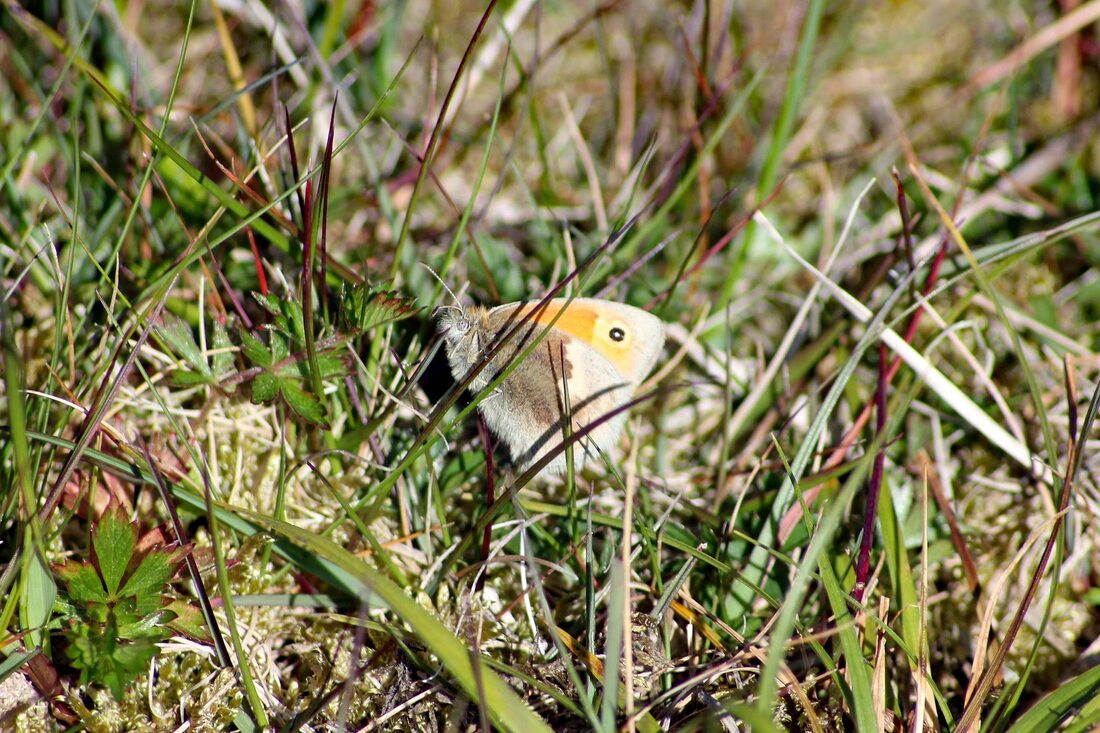





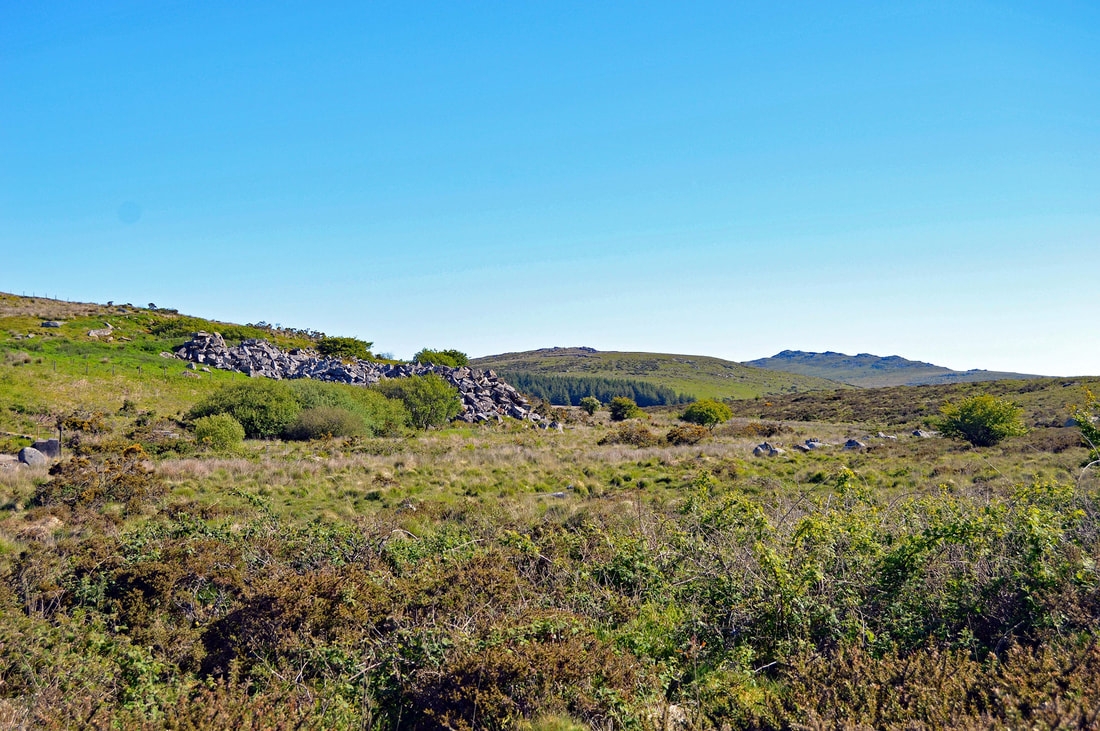
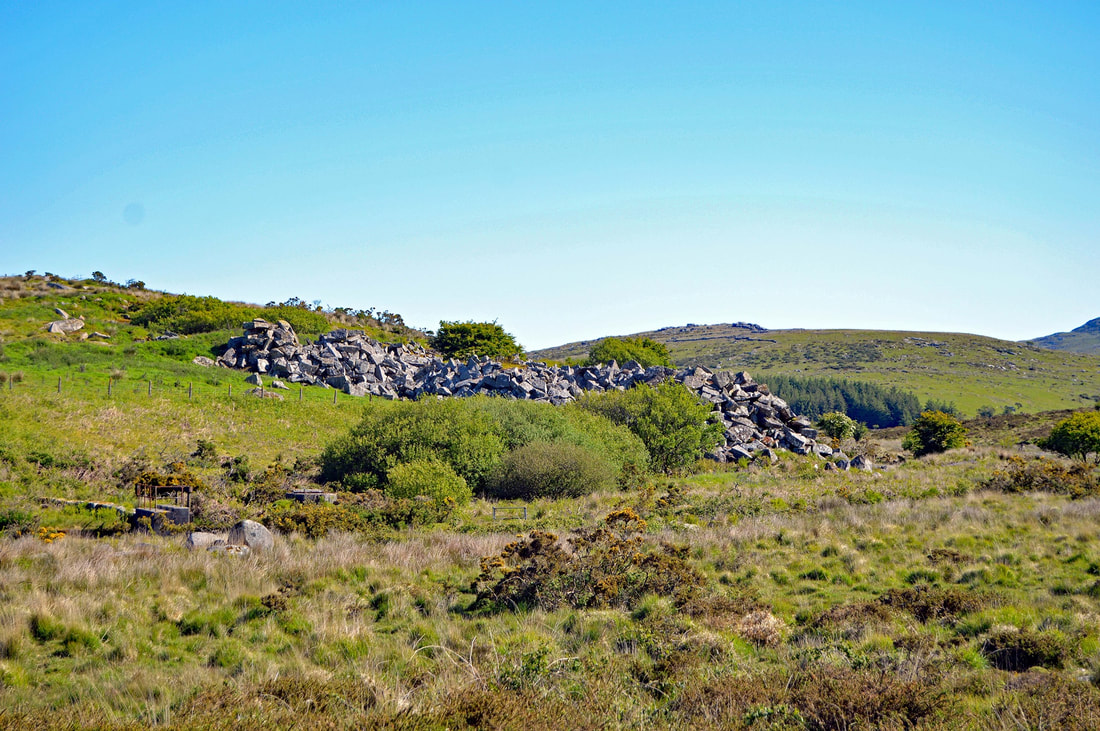
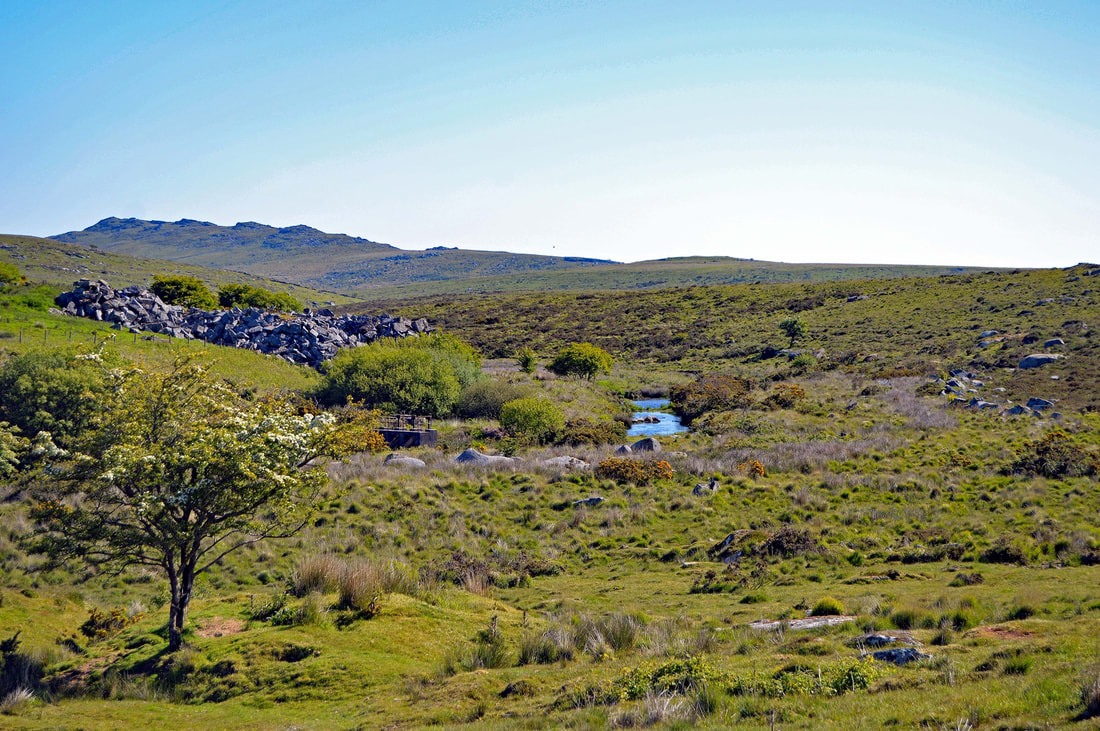
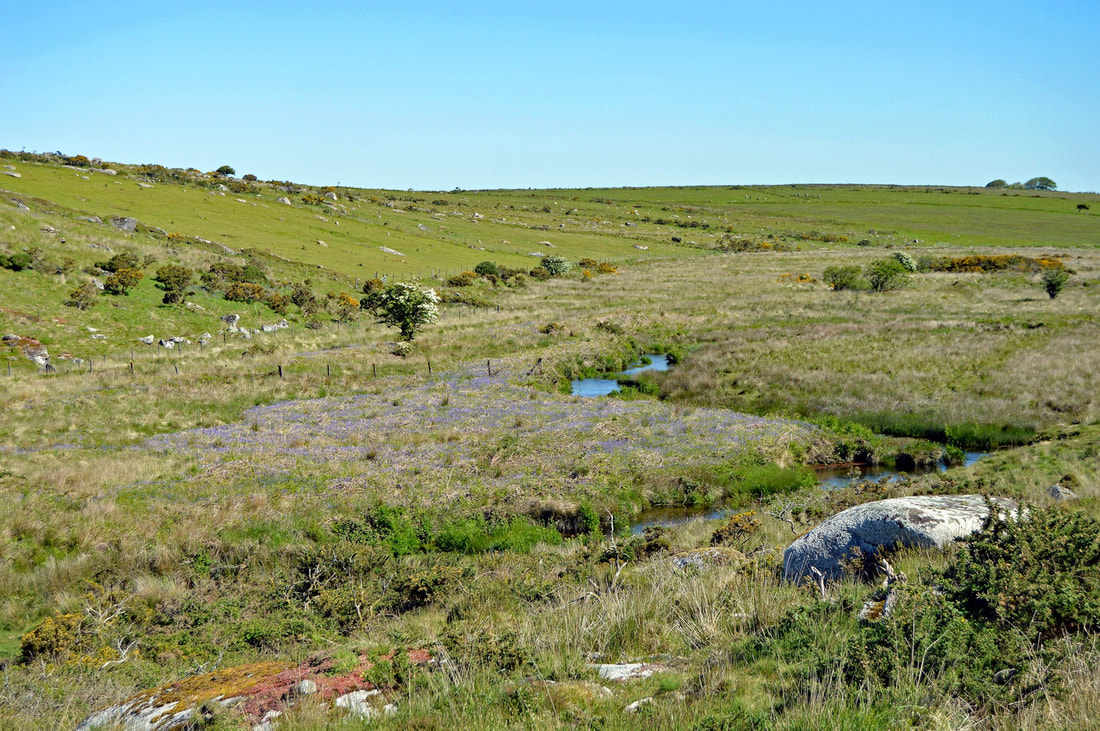

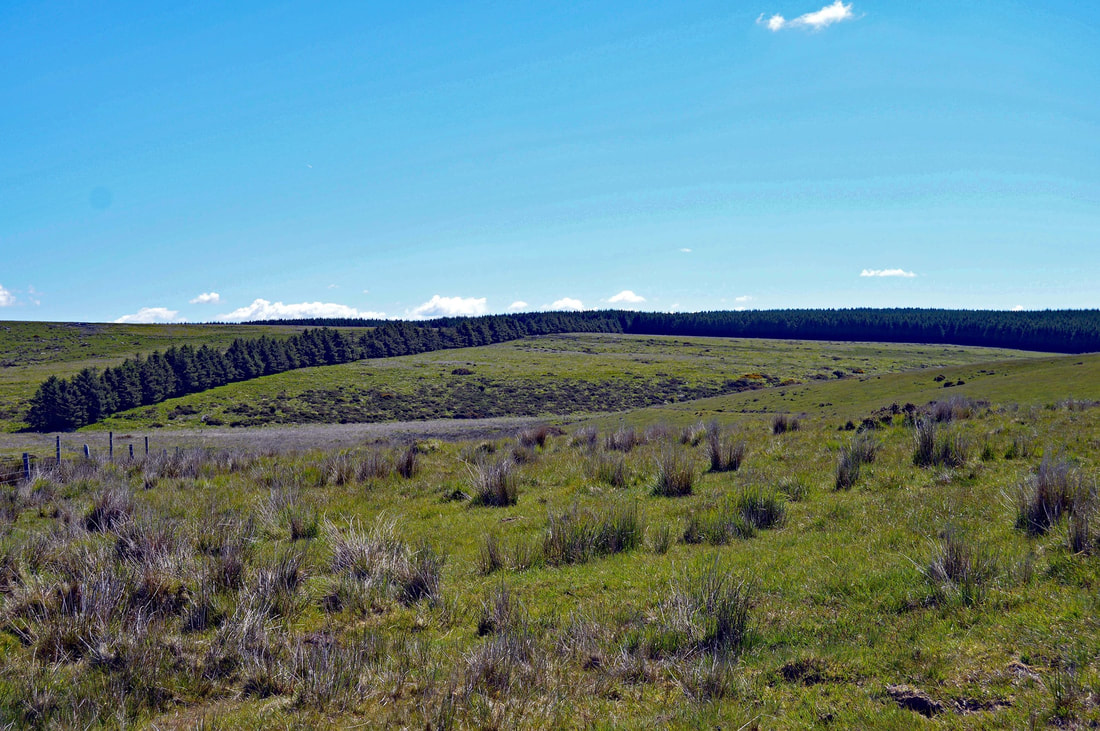
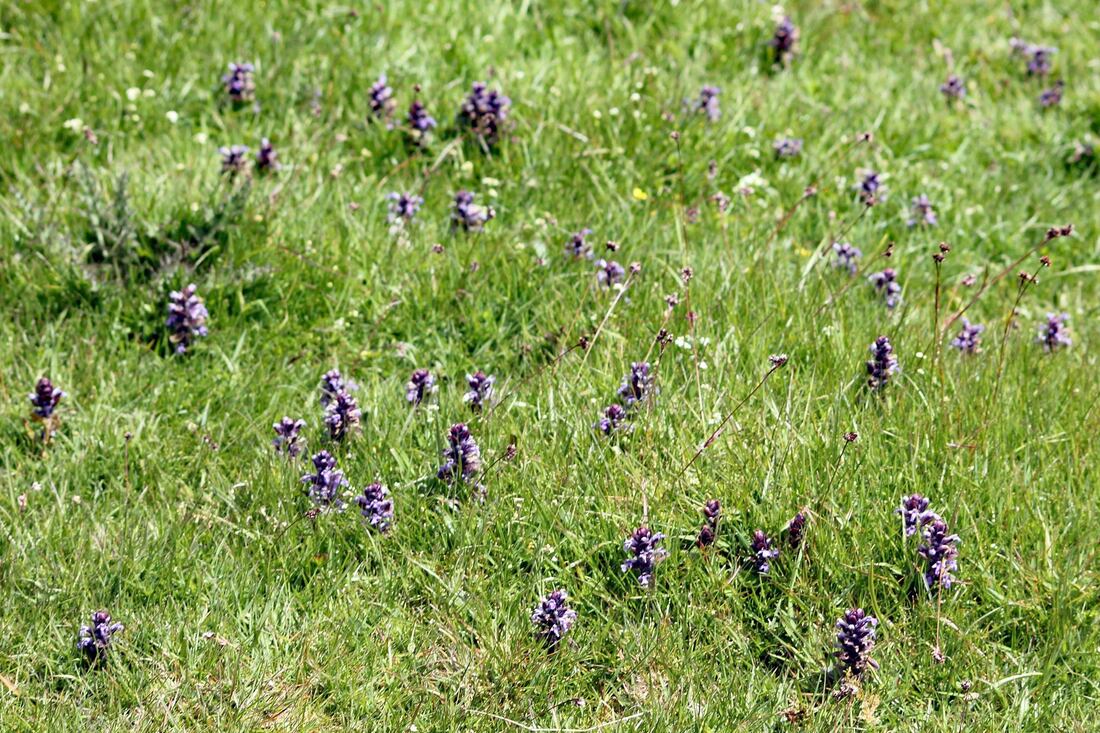
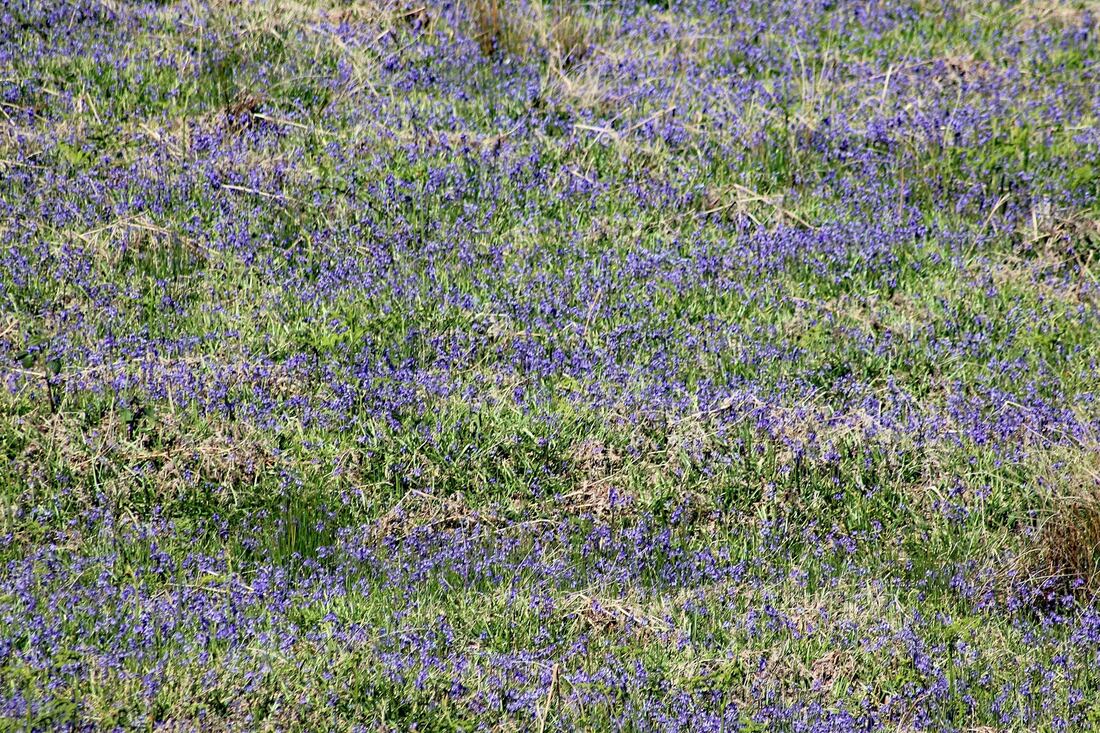
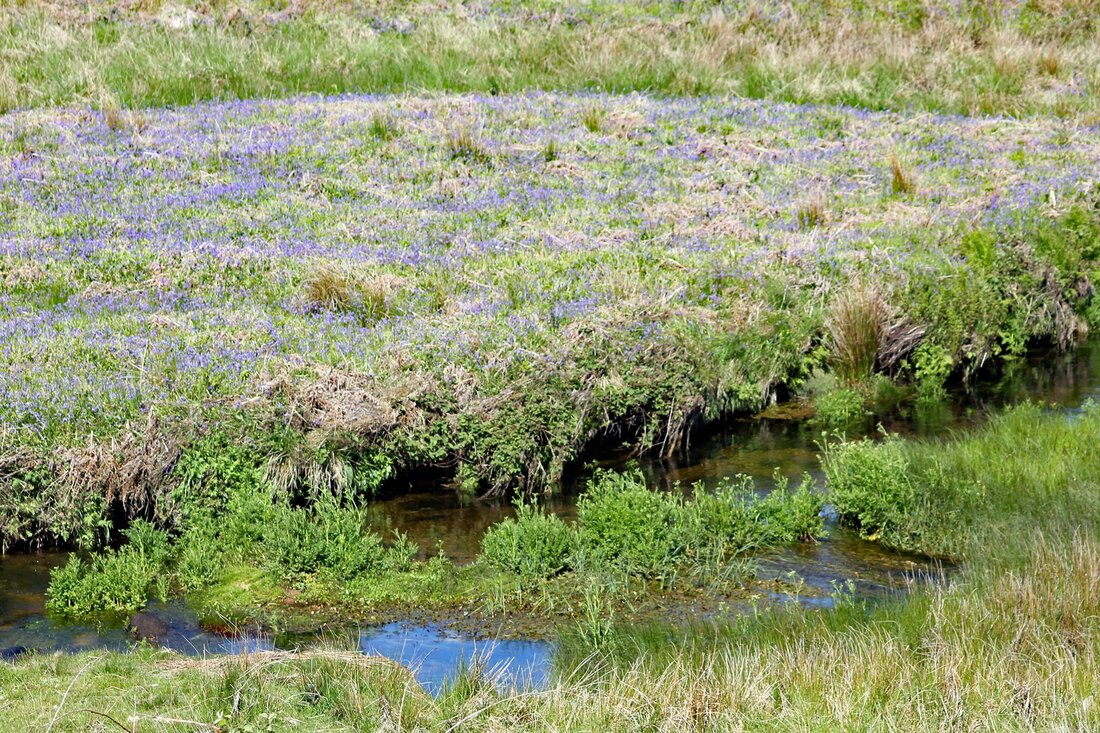
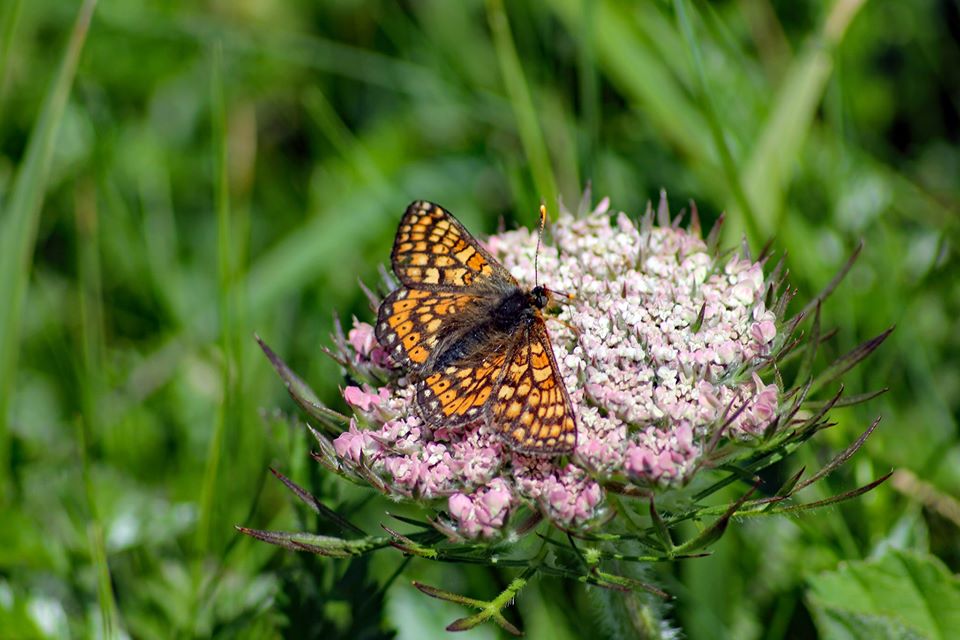
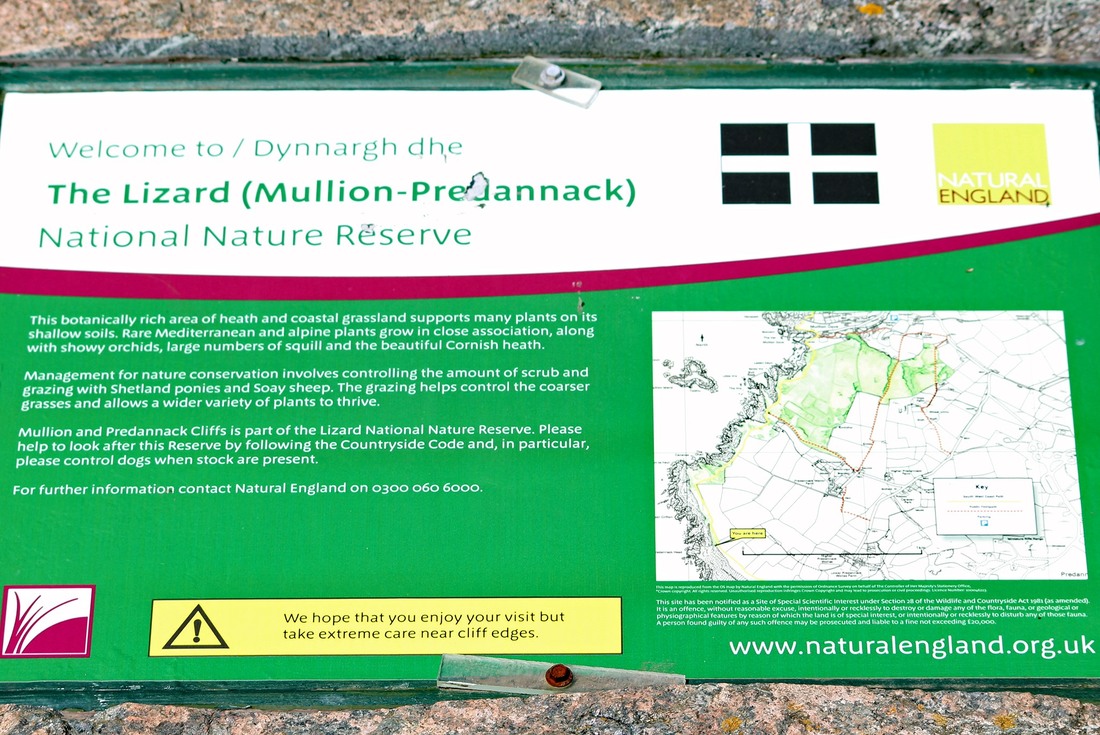
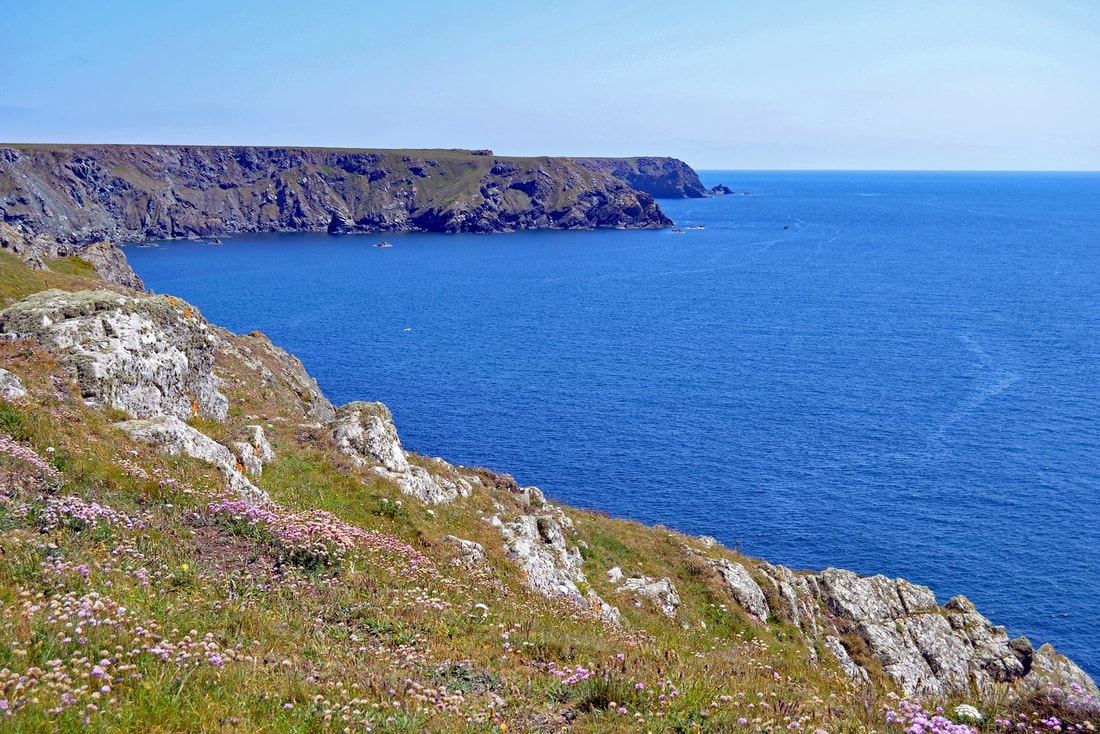
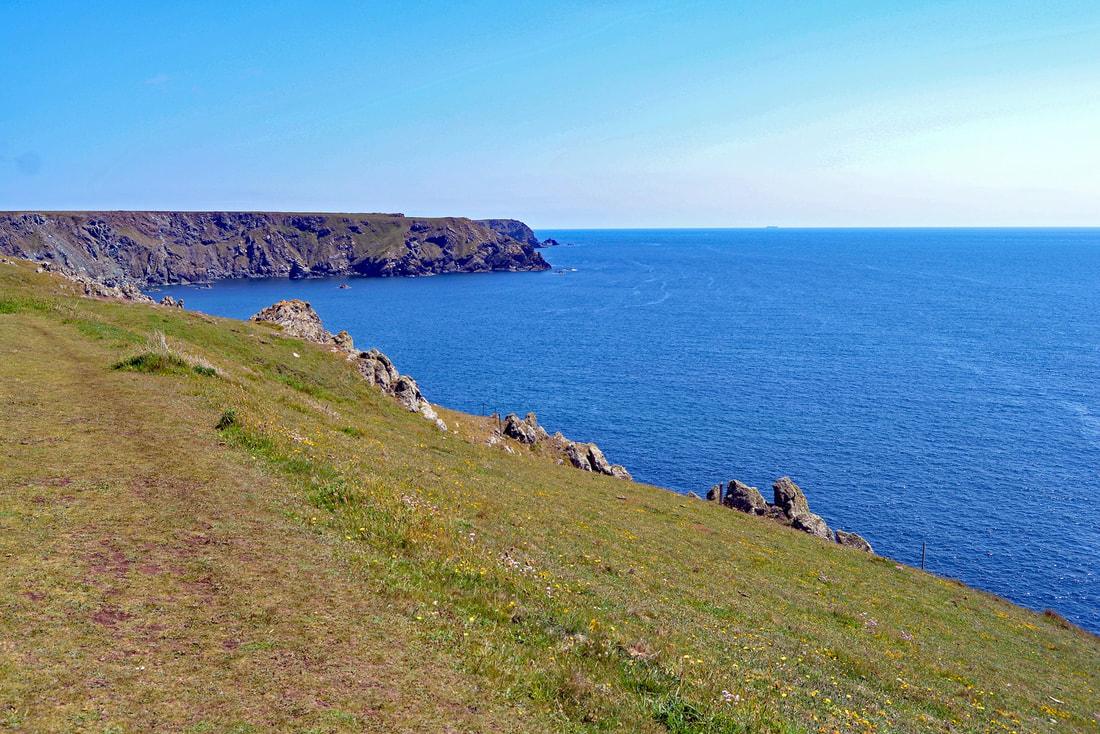
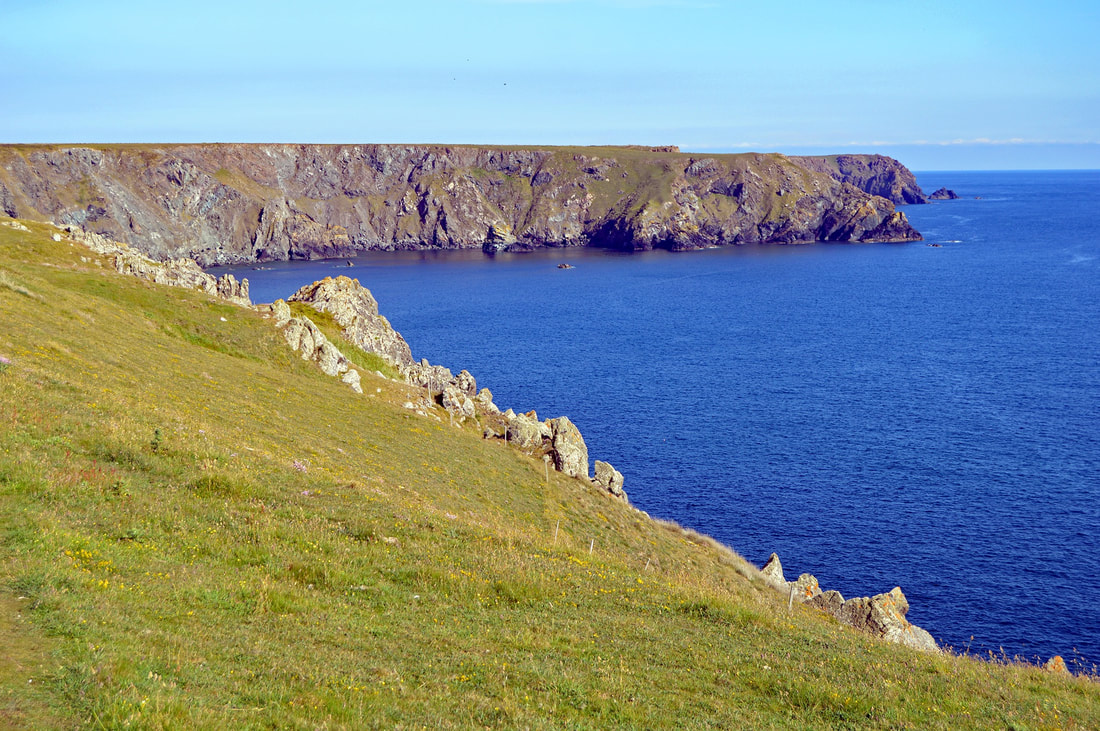
My 3rd "Virtual Butterfly-watching in Cornwall" is in Predannack at the Lizard Peninsula to see the rare Marsh Fritillary Euphydryas aurinia.
Predannack is own by the National Trust. The Lizard Peninsula is known for its geology and for its rare plants and lies within the Cornwall Area of Outstanding Natural Beauty (AONB).
The name "Lizard" is most probably a corruption of the Cornish name "Lys Ardh", meaning "high court"; it is purely coincidental that much of the peninsula is composed of serpentinite-bearing rock. The Lizard peninsula's original name may have been the Celtic name "Predannack" ("British one"); during the Iron Age (Pytheas c. 325 BC) and Roman period, Britain was known as Pretannike (in Greek) and as Albion (and Britons the "Pretani").
Long walk, steep hill, picturesque and scenic view.
Like me on Facebook: facebook.com/wildlifematters8
Follow me on Twitter: twitter.com/WildlifeMatter8
Follow me on Instagram: instagram.com/wildlifematter8
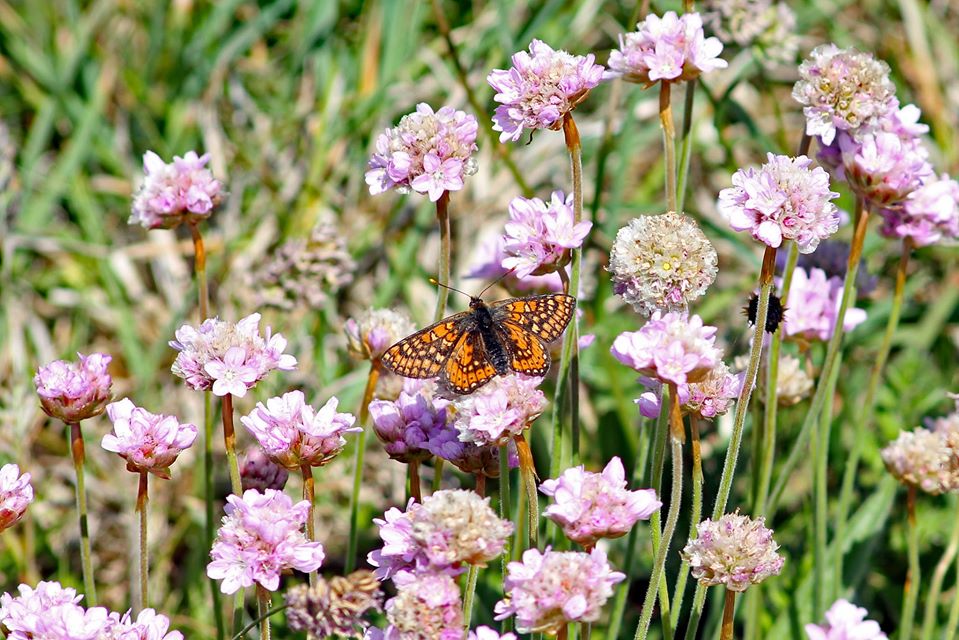
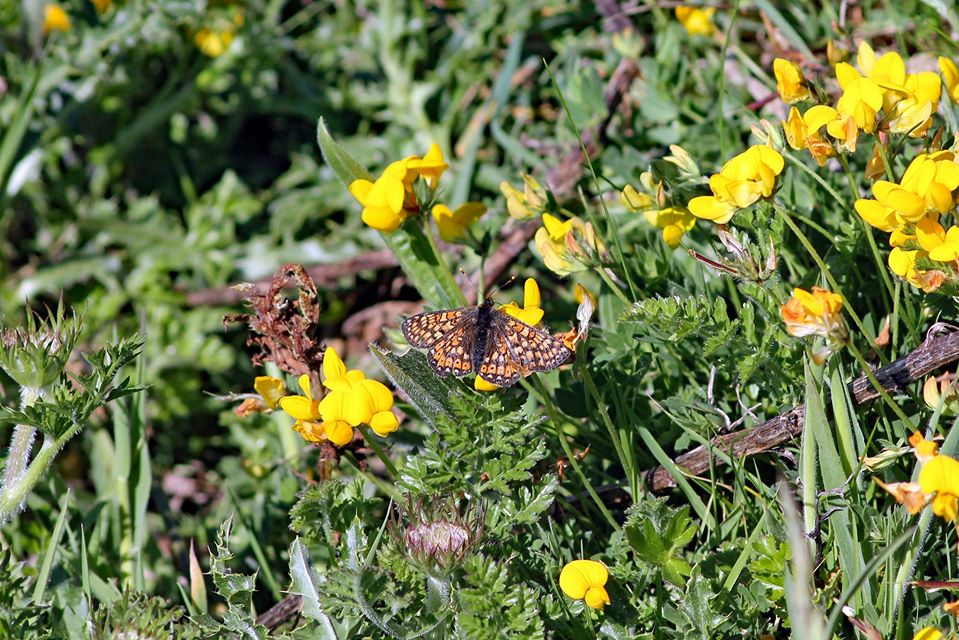
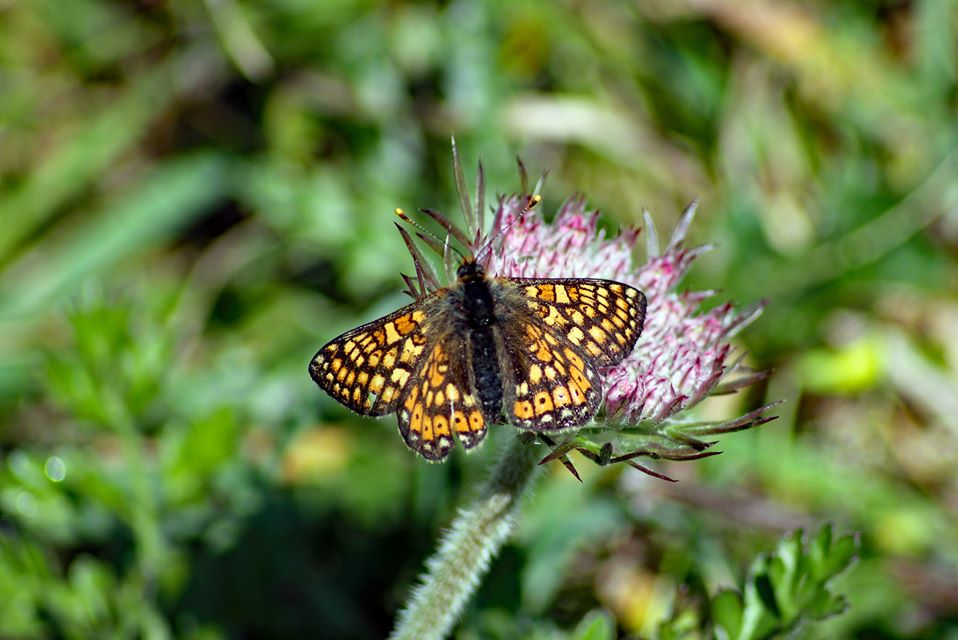
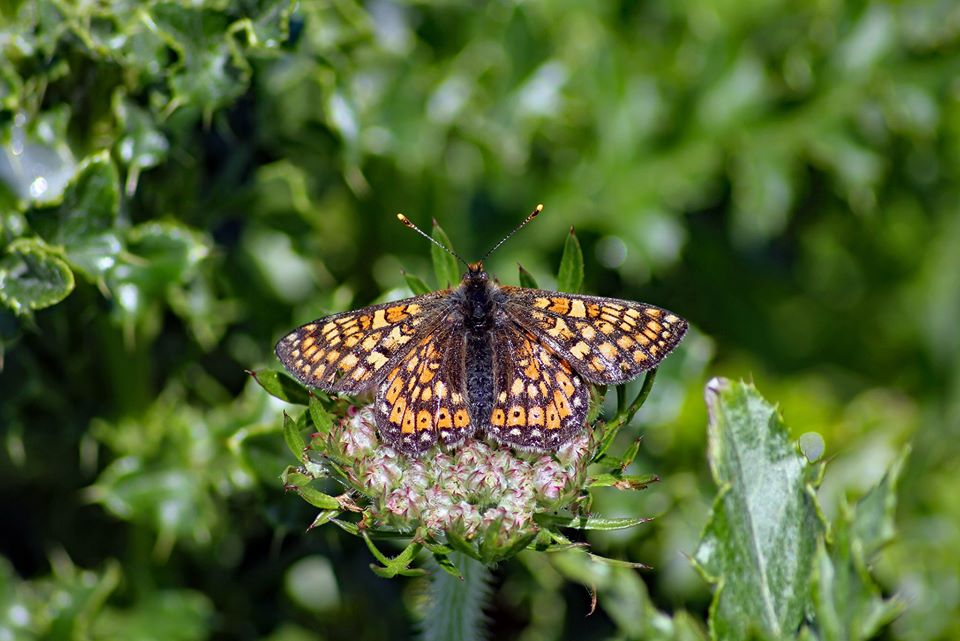
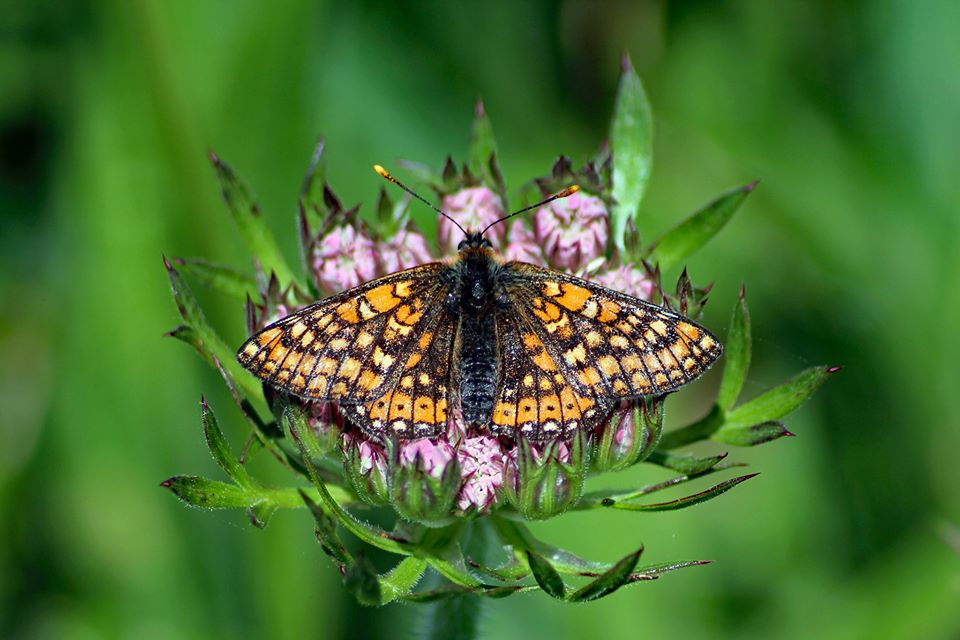
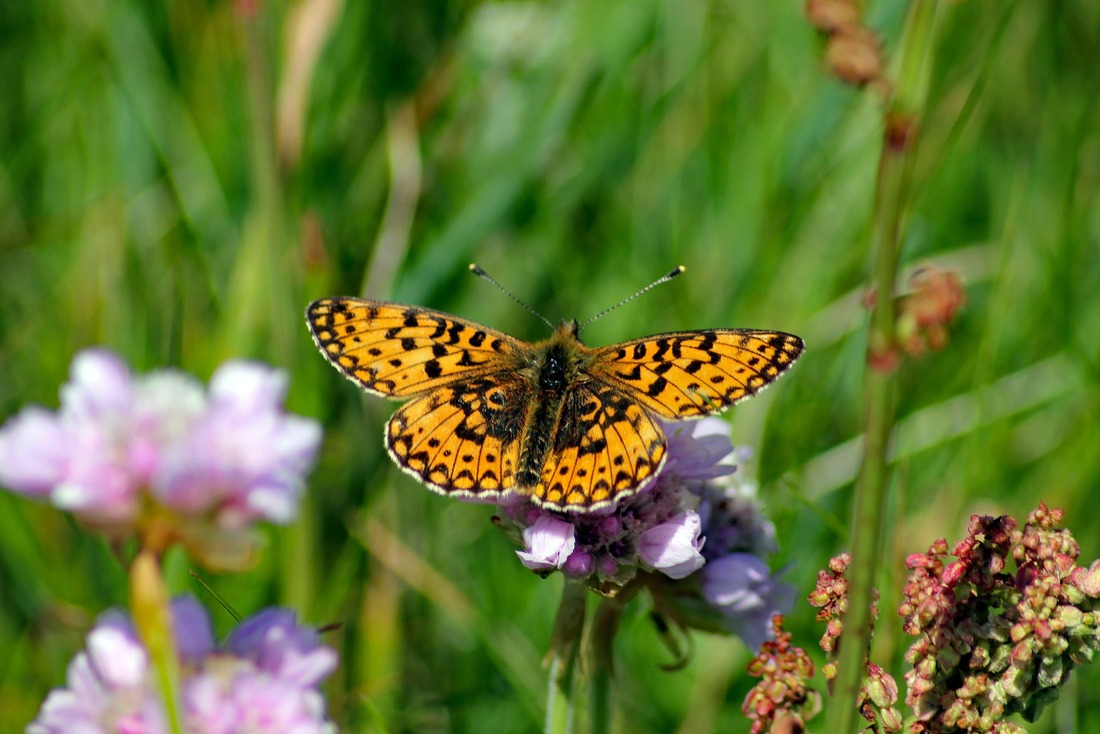
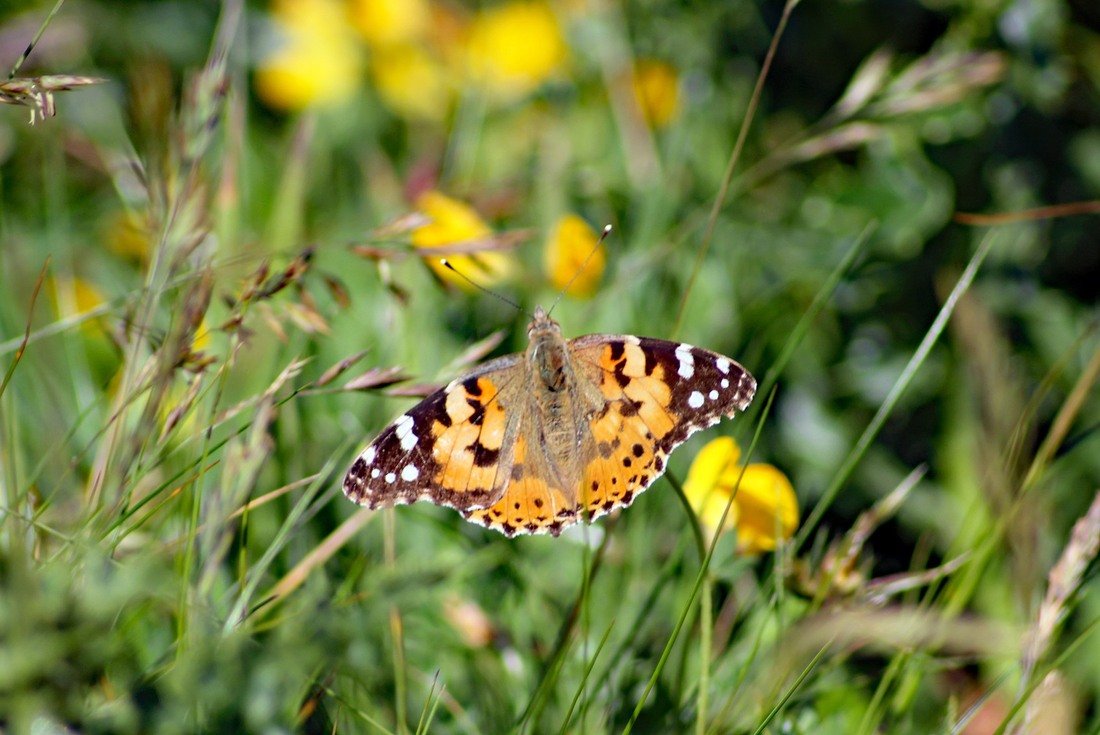
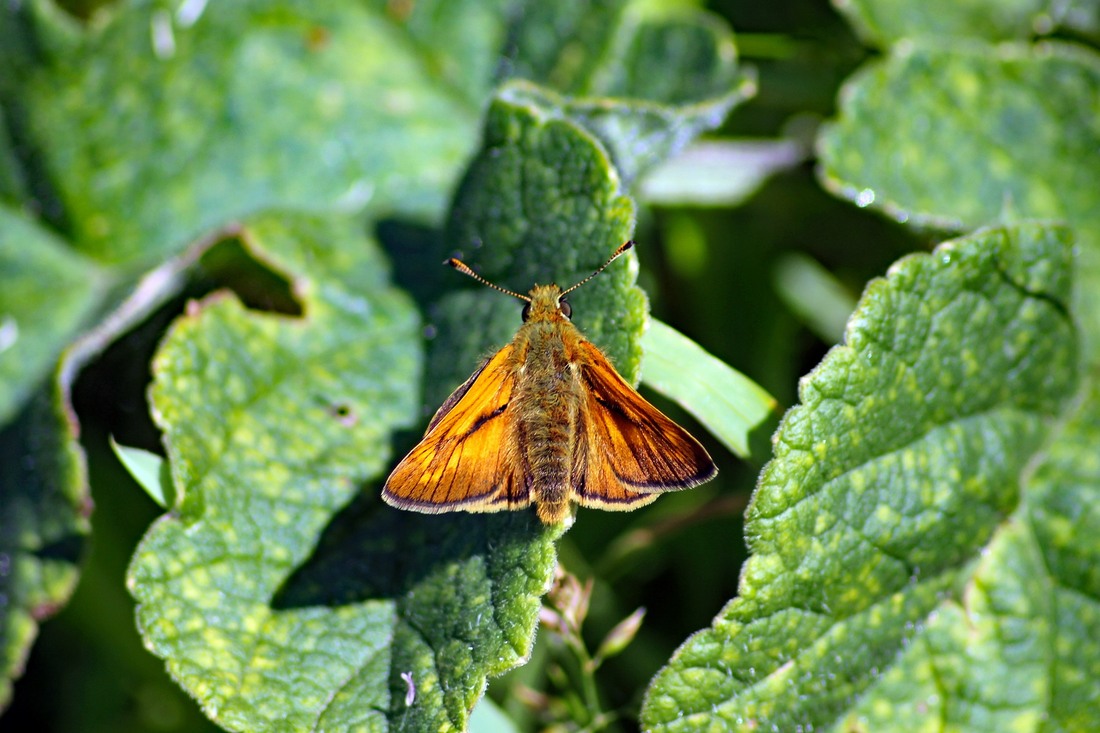
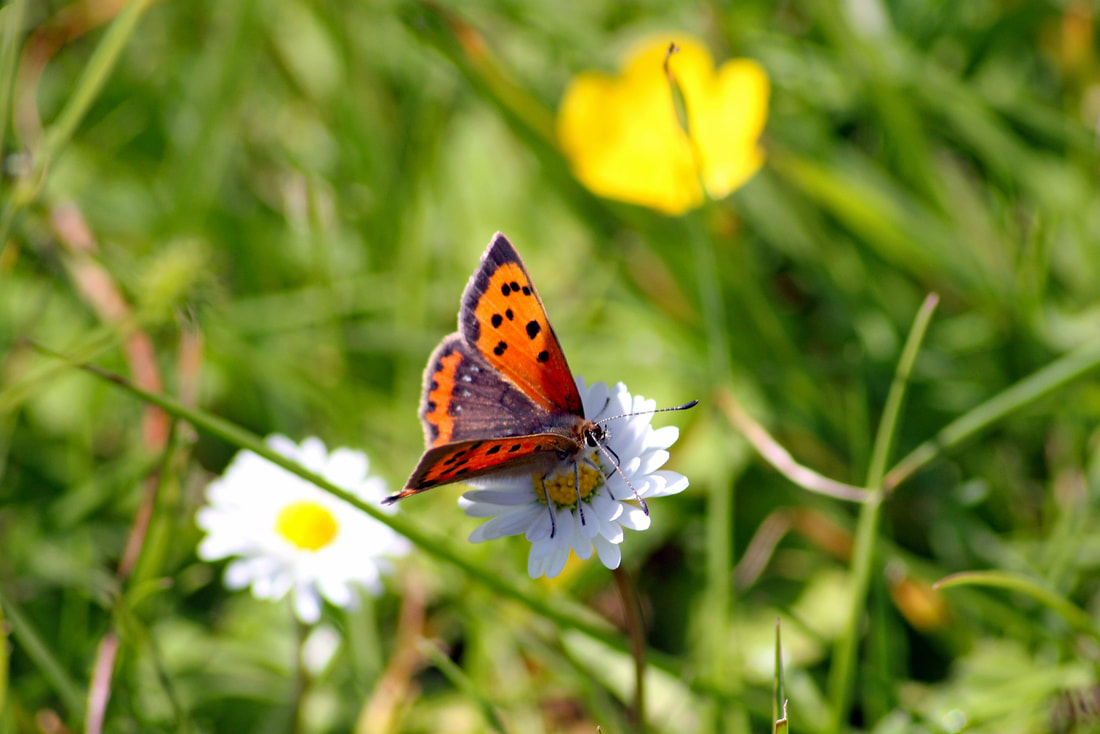
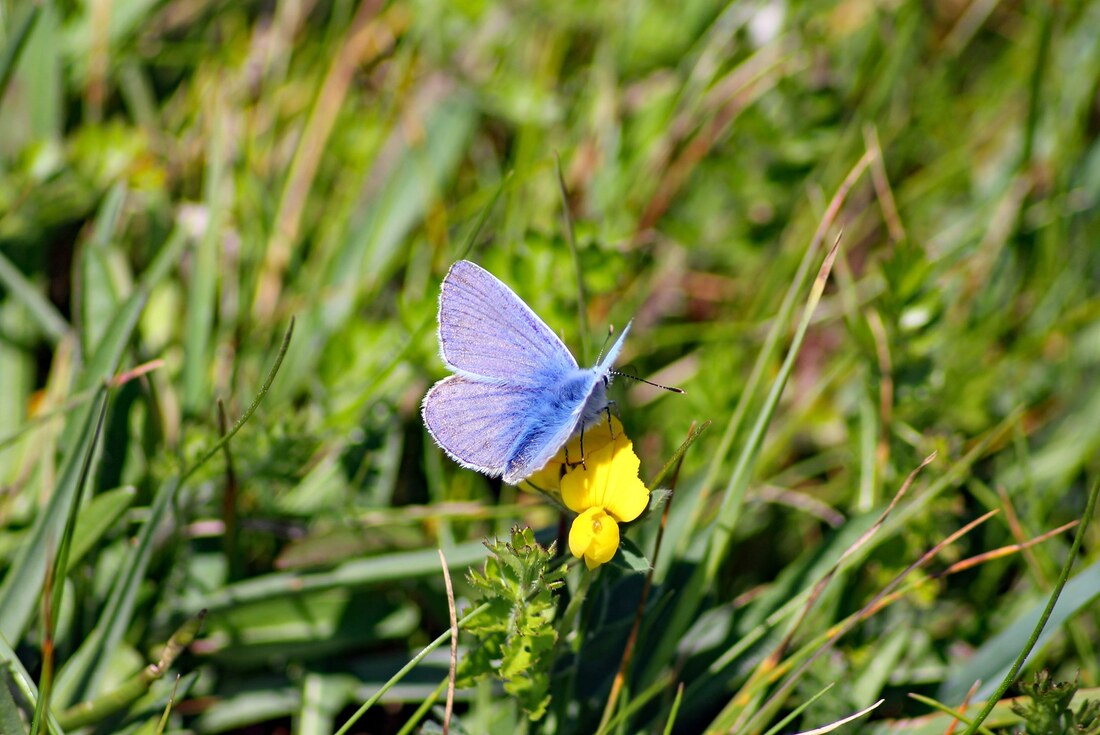

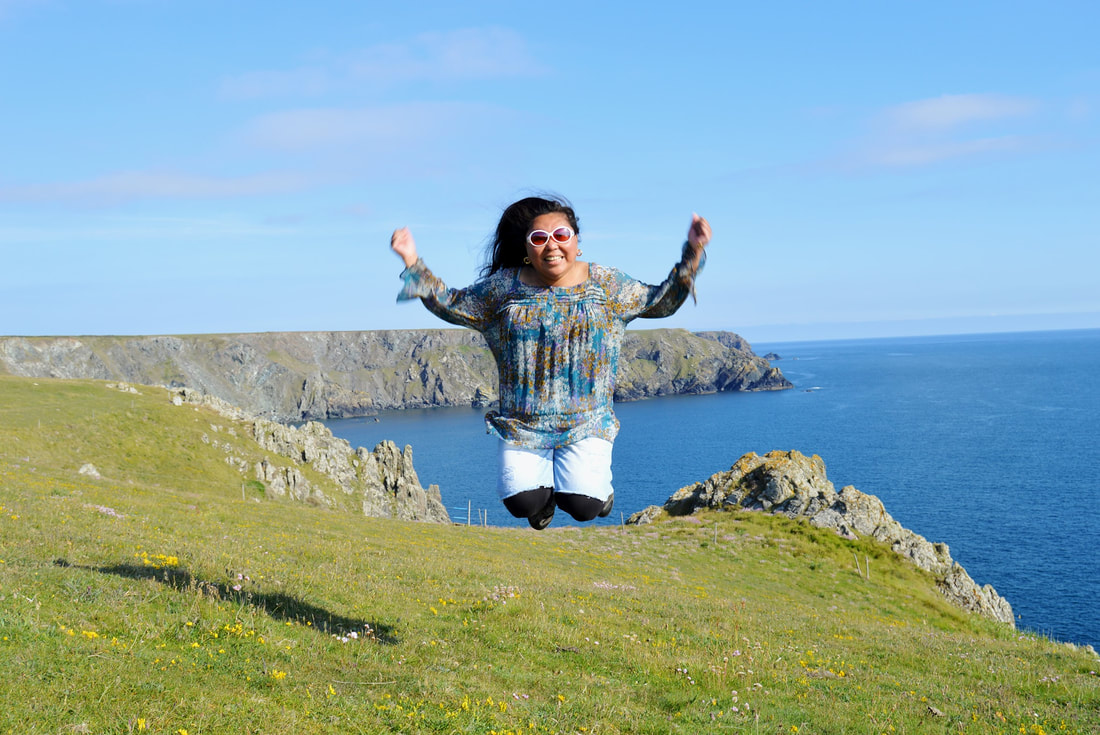
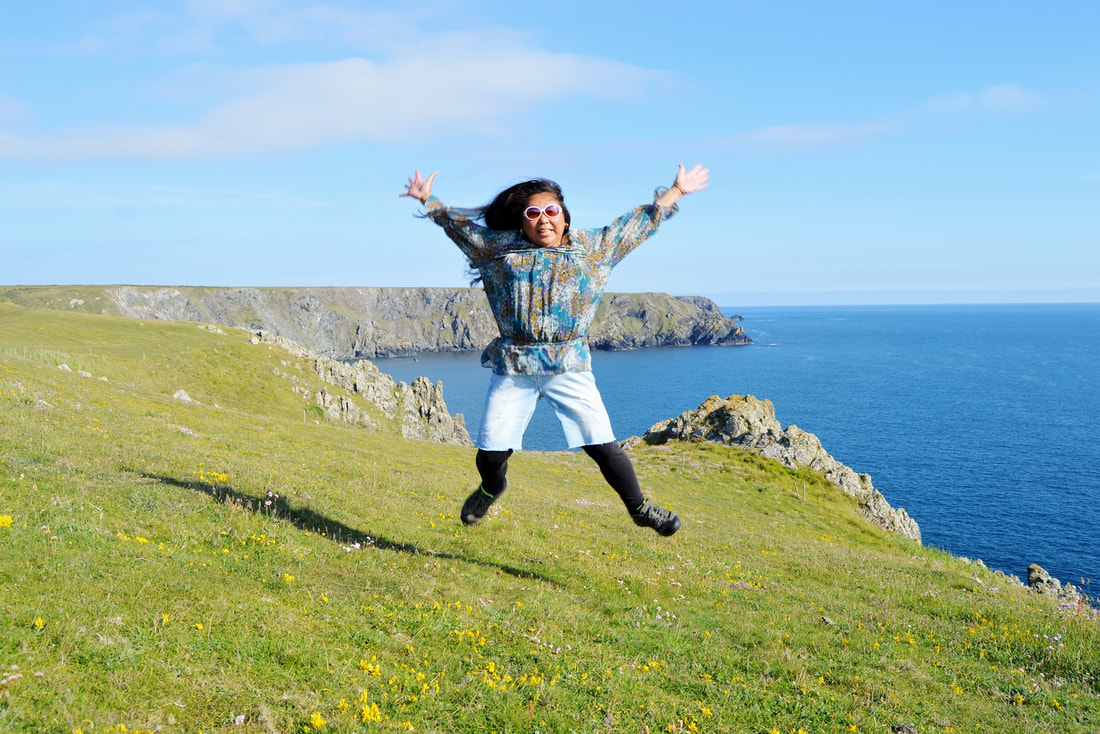
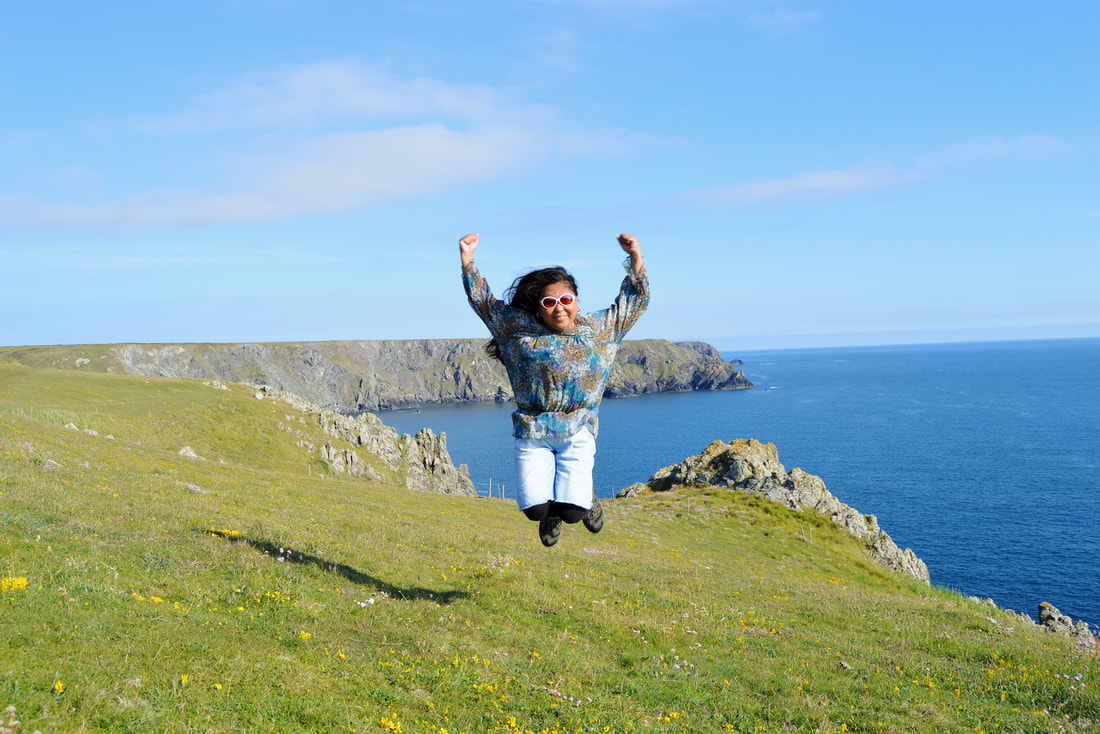
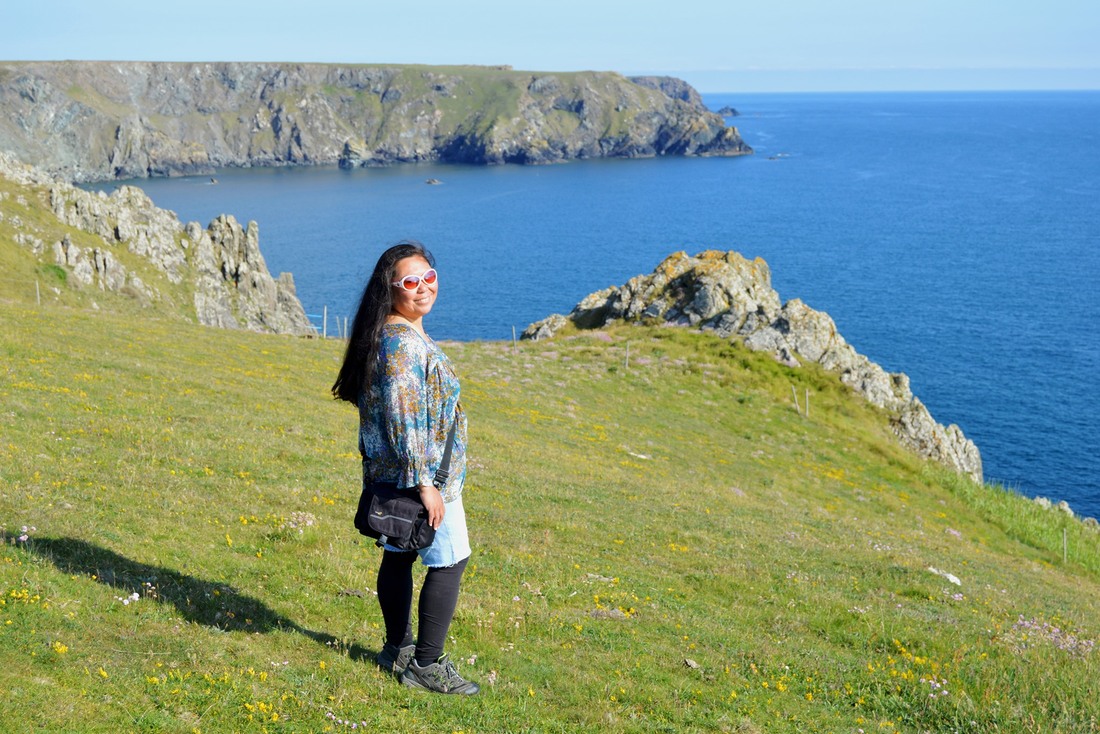
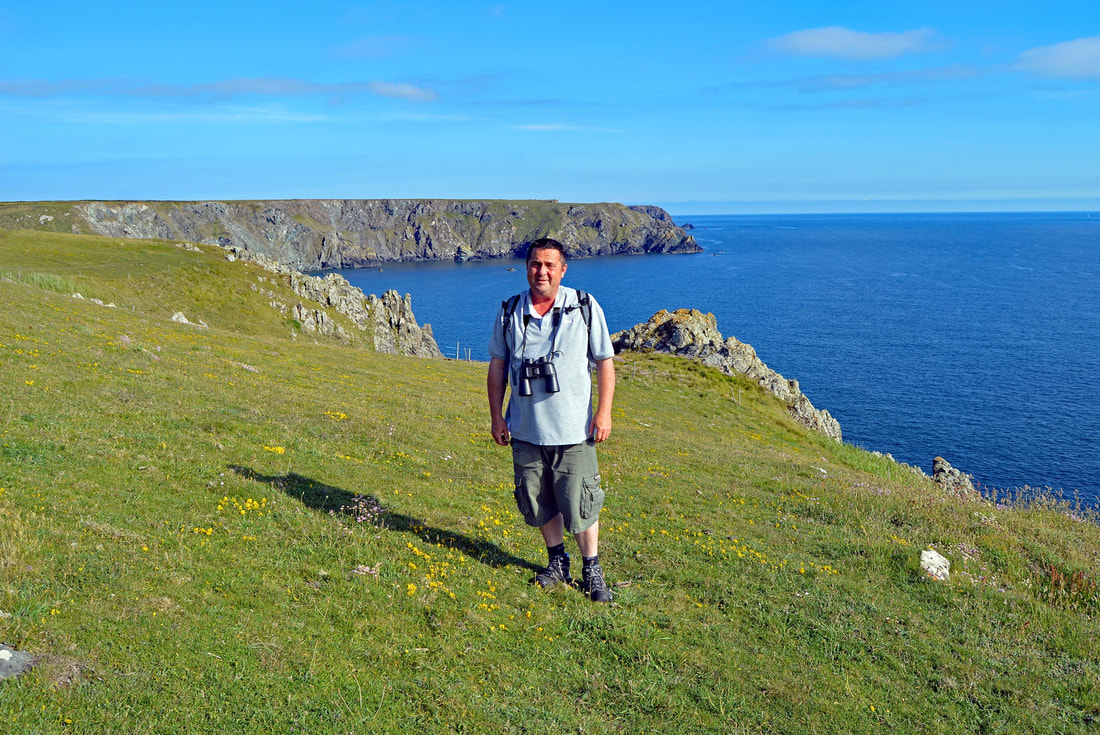
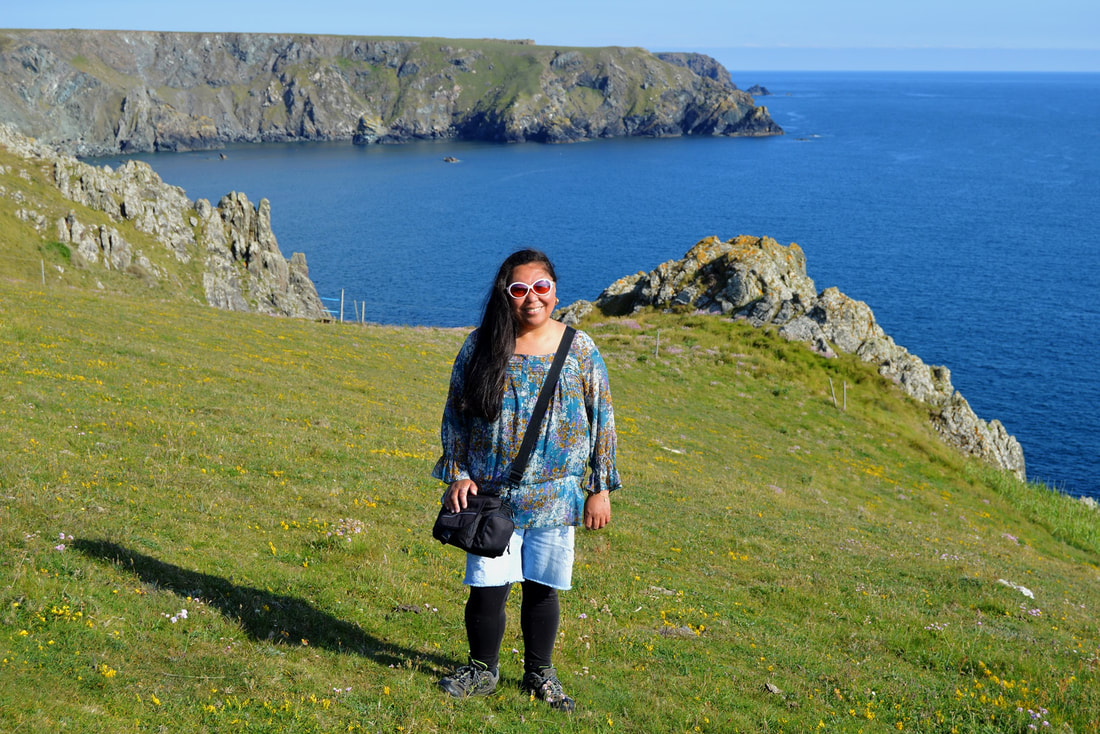
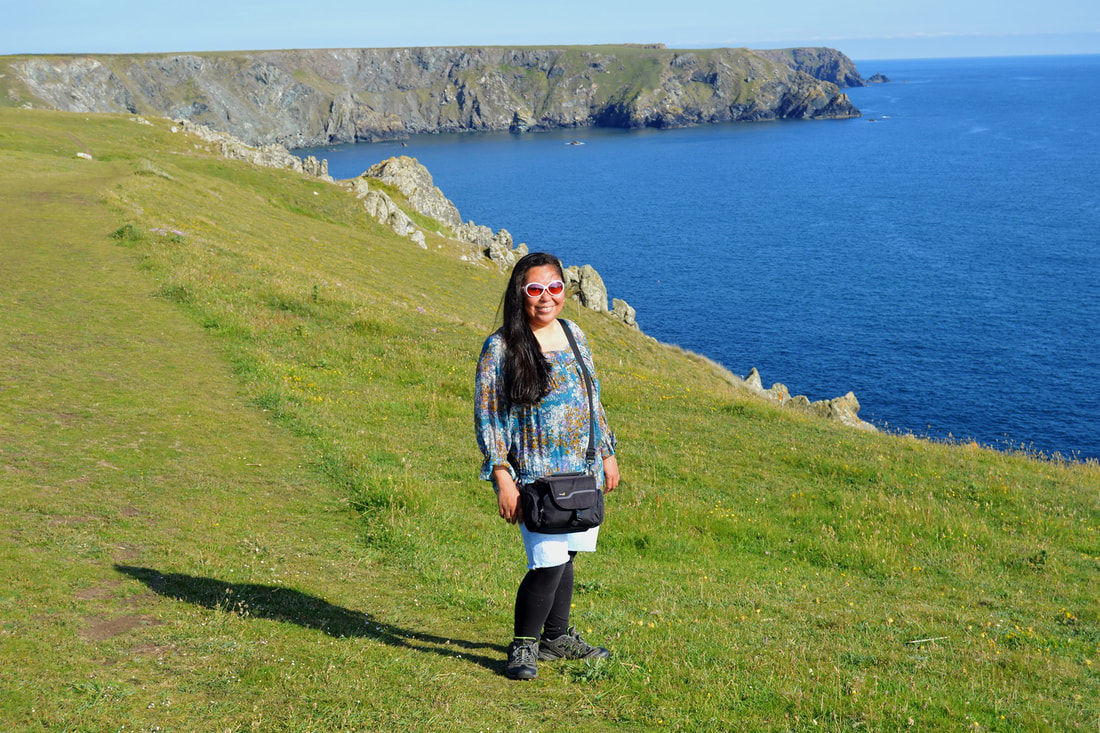

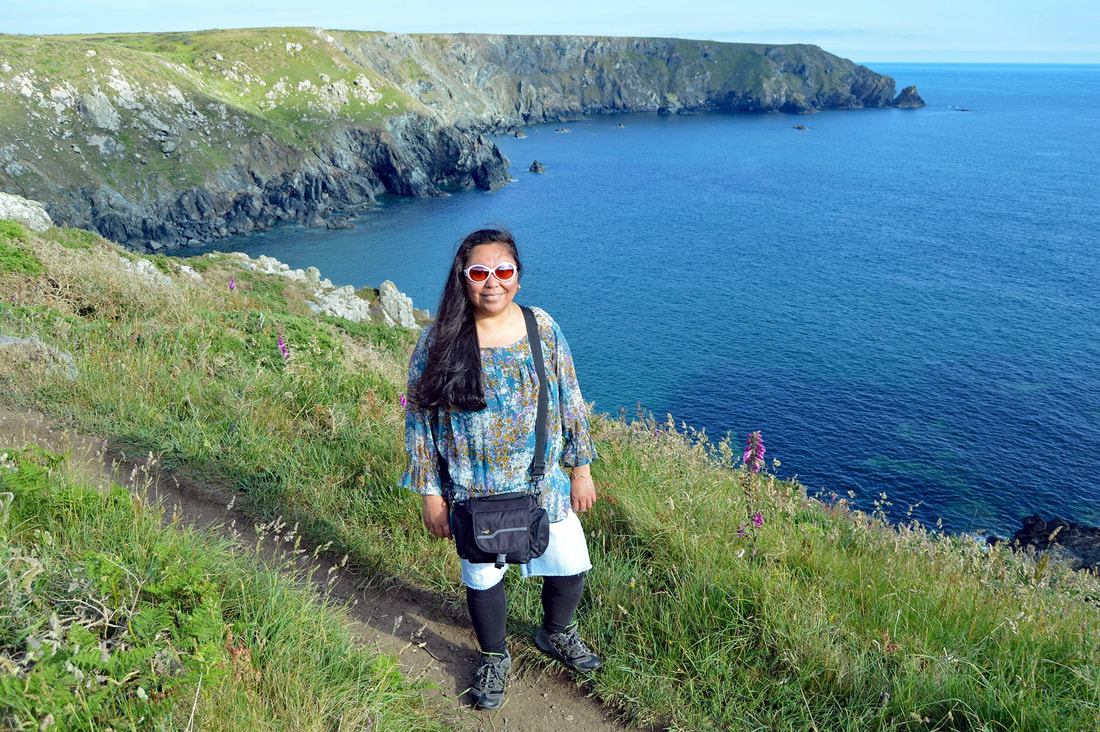

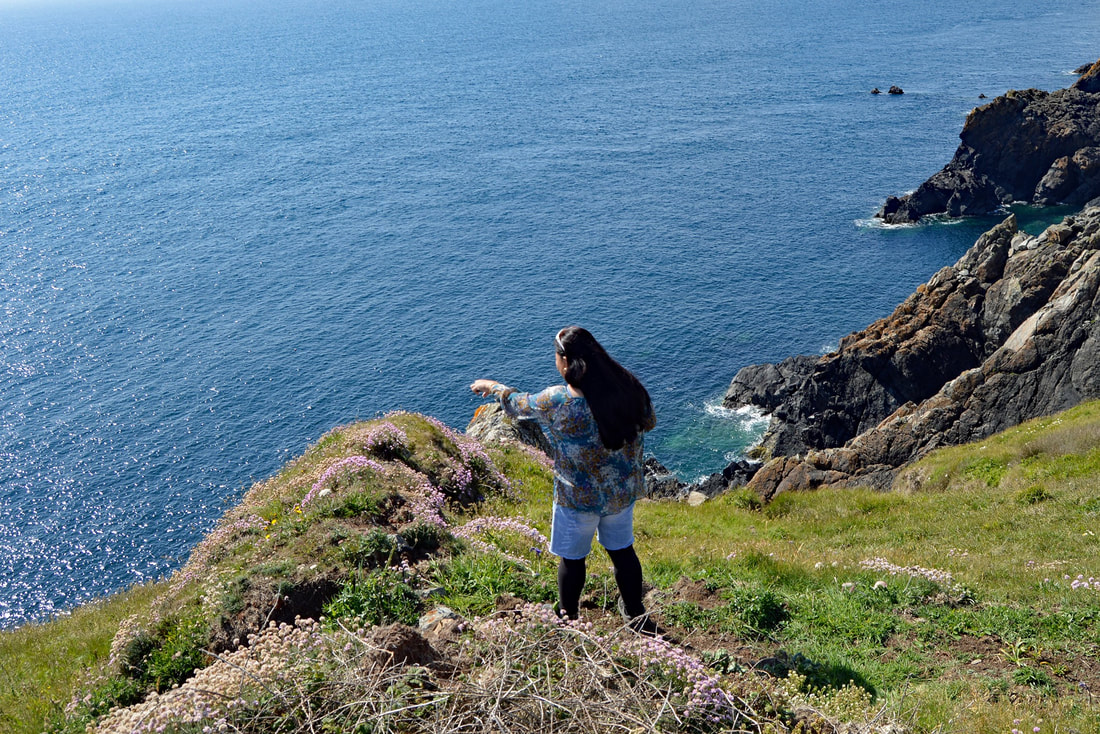
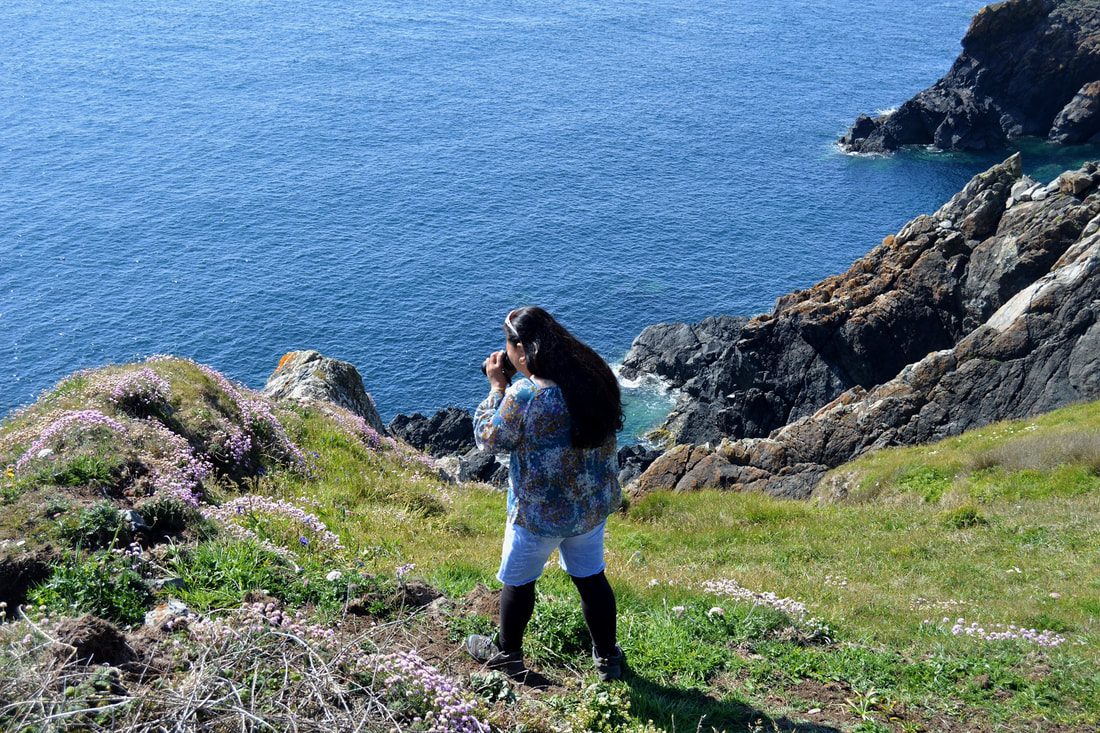
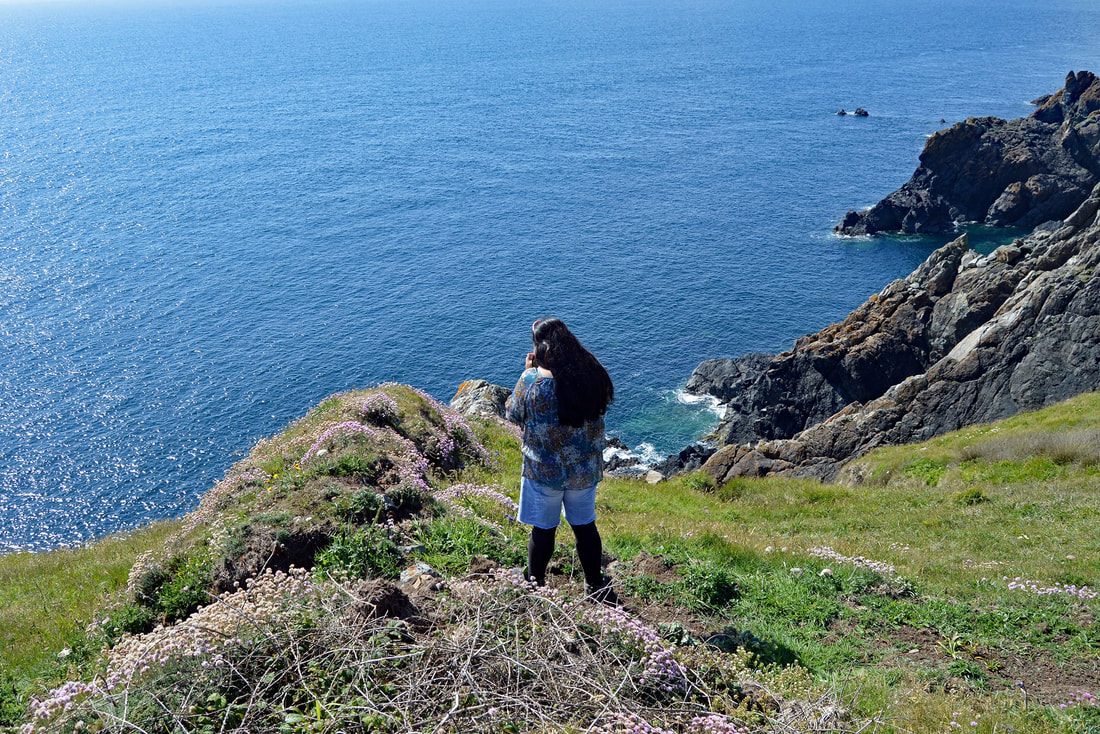
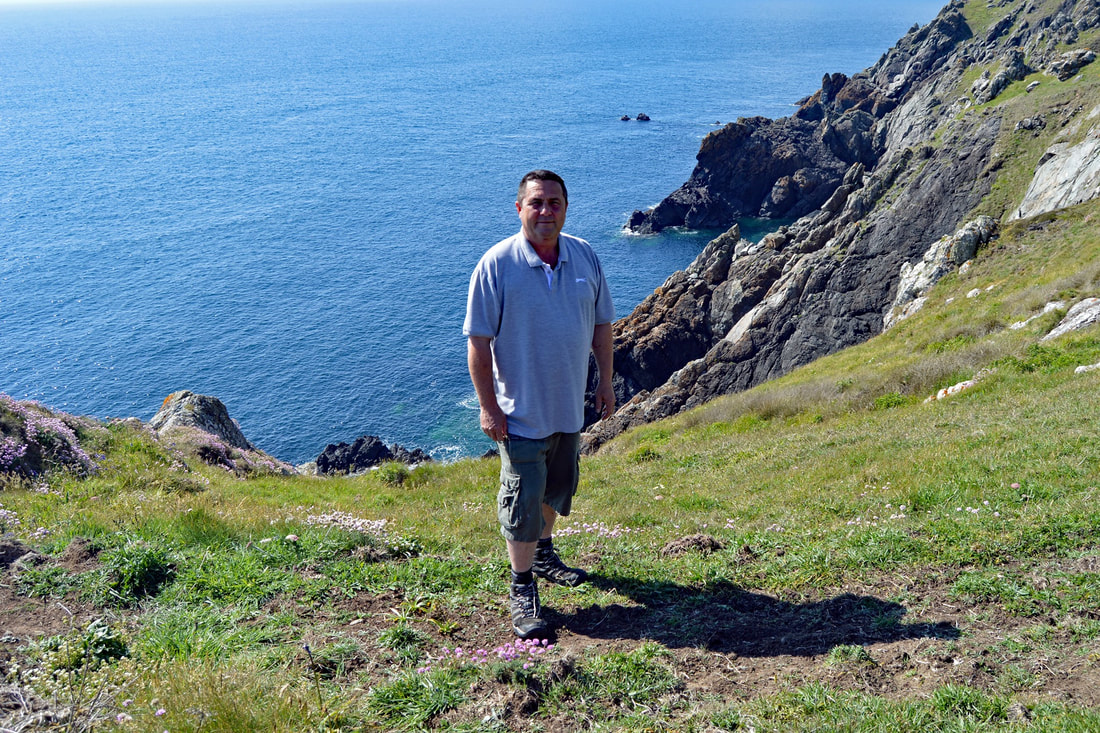
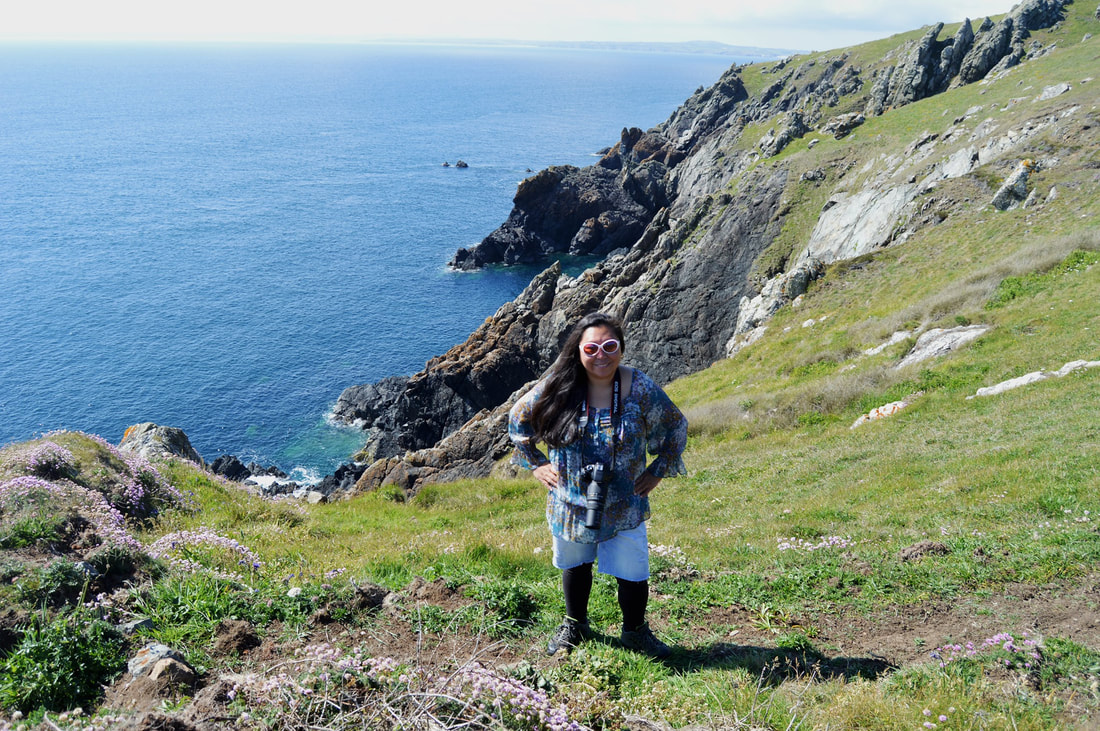

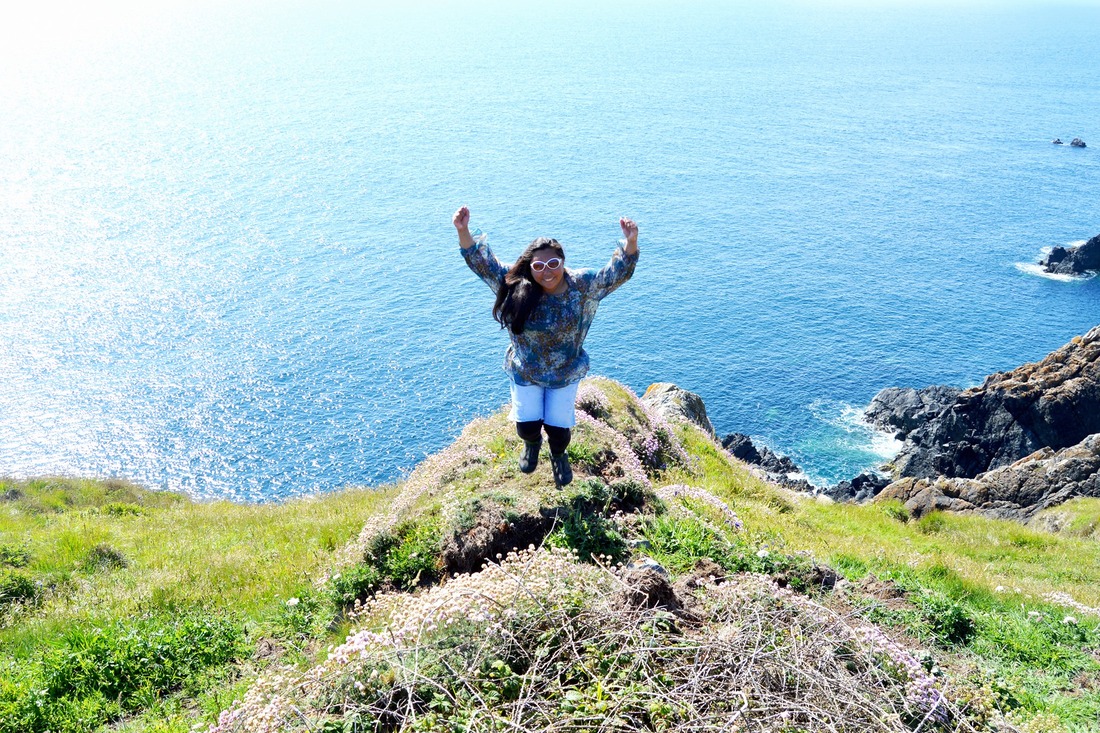
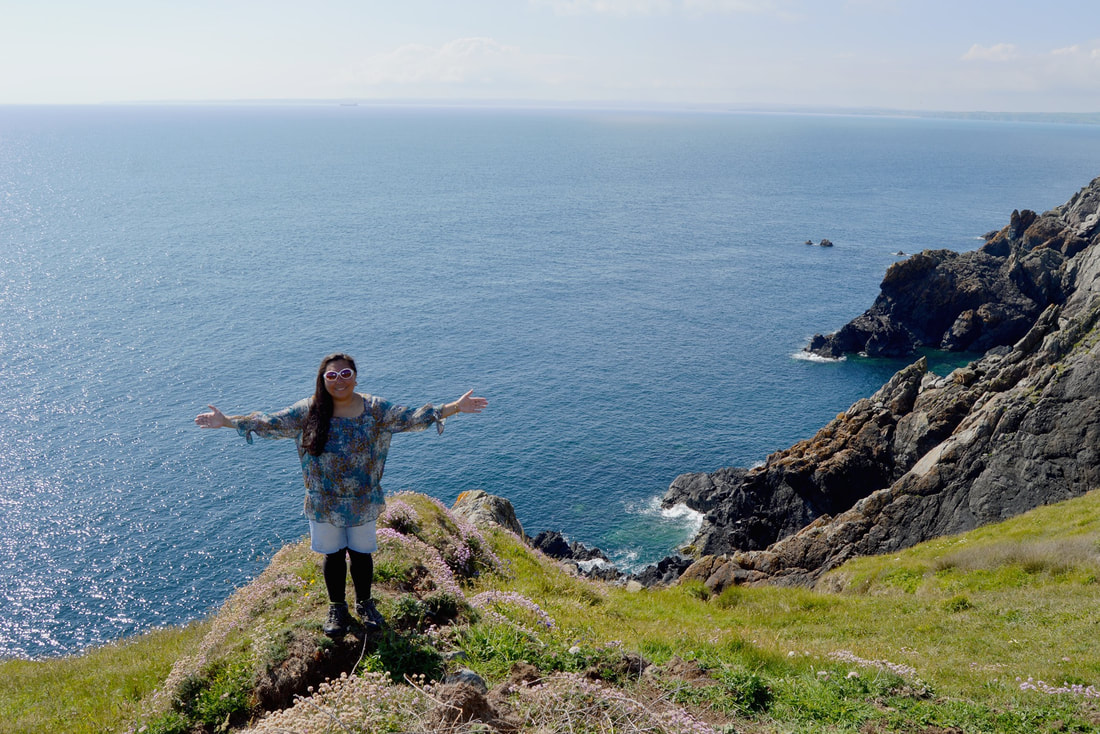
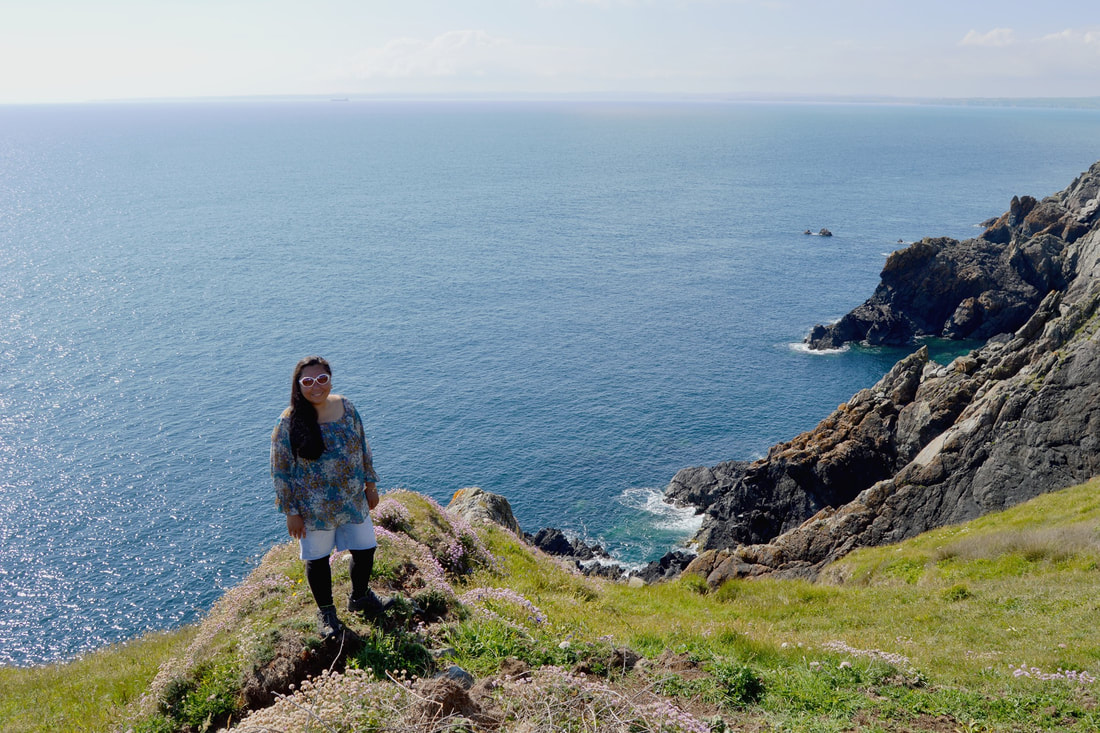
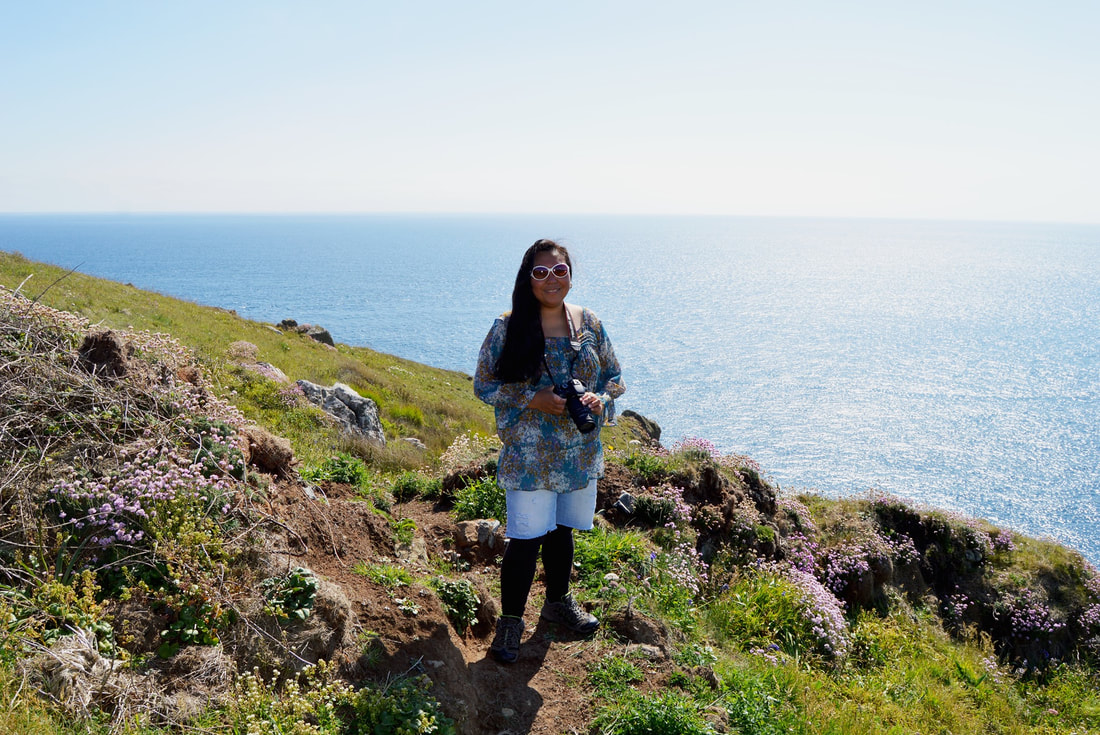
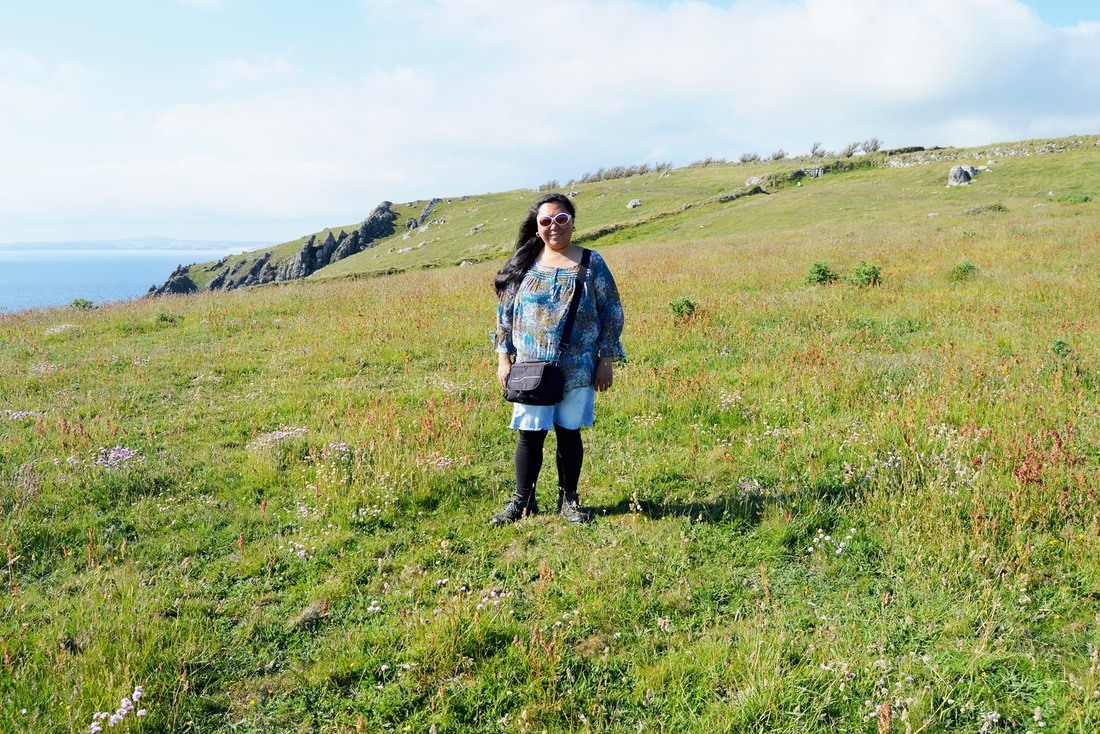
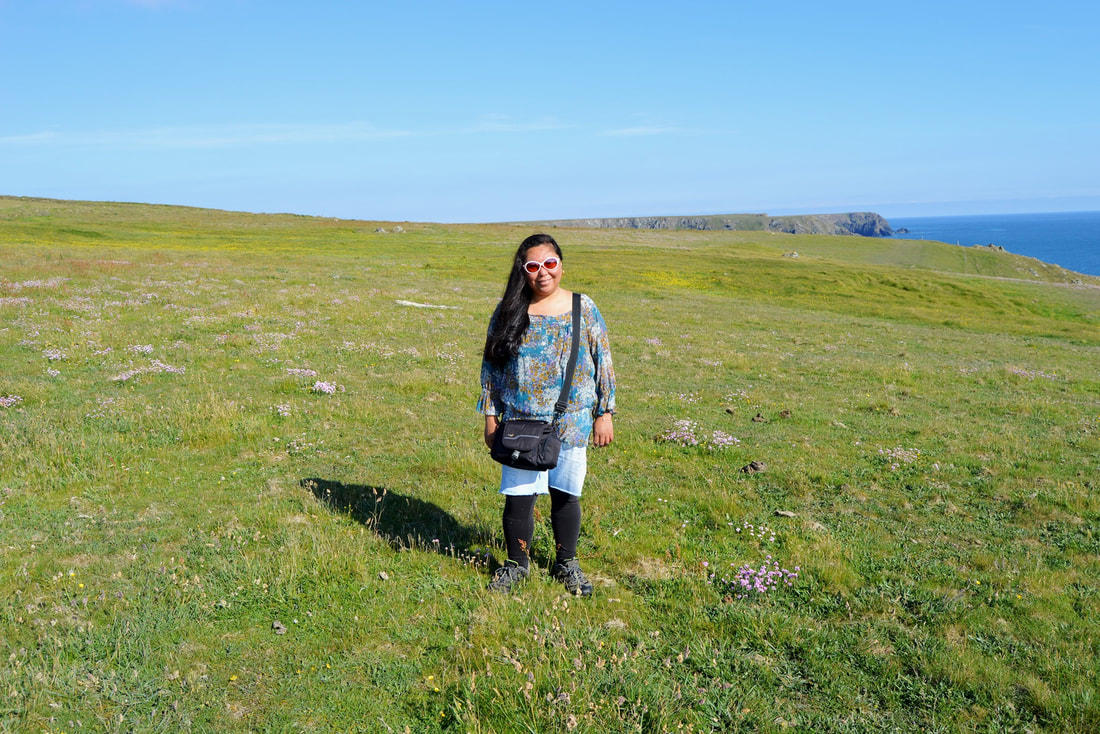
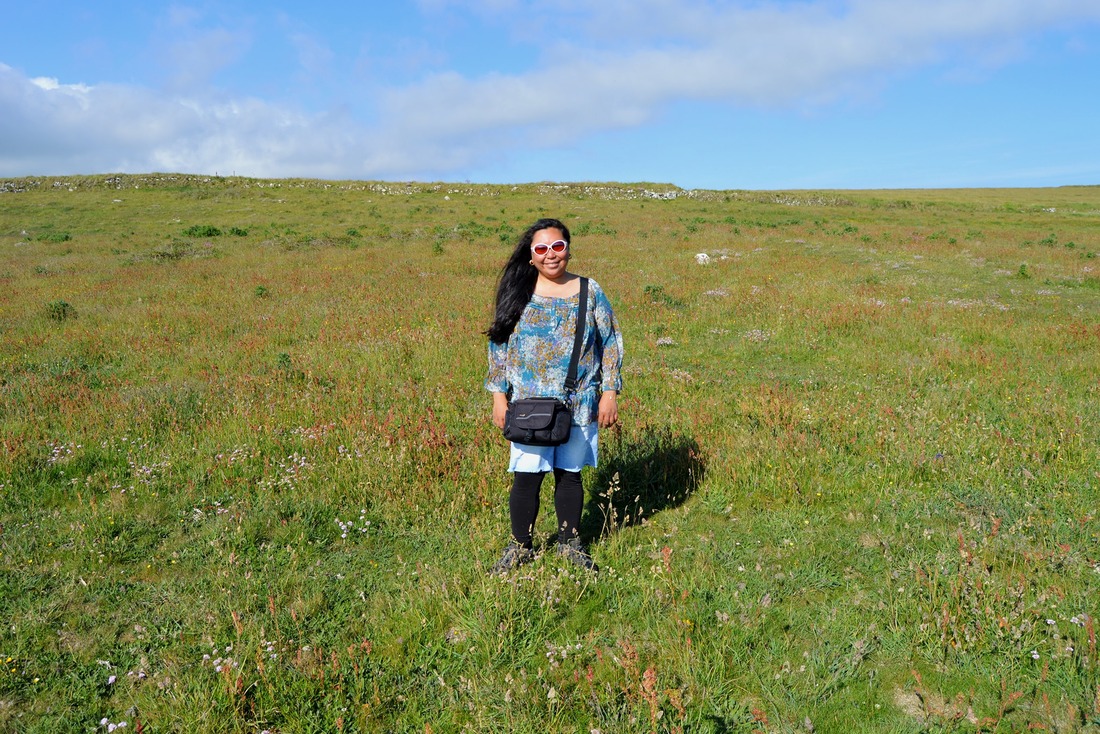
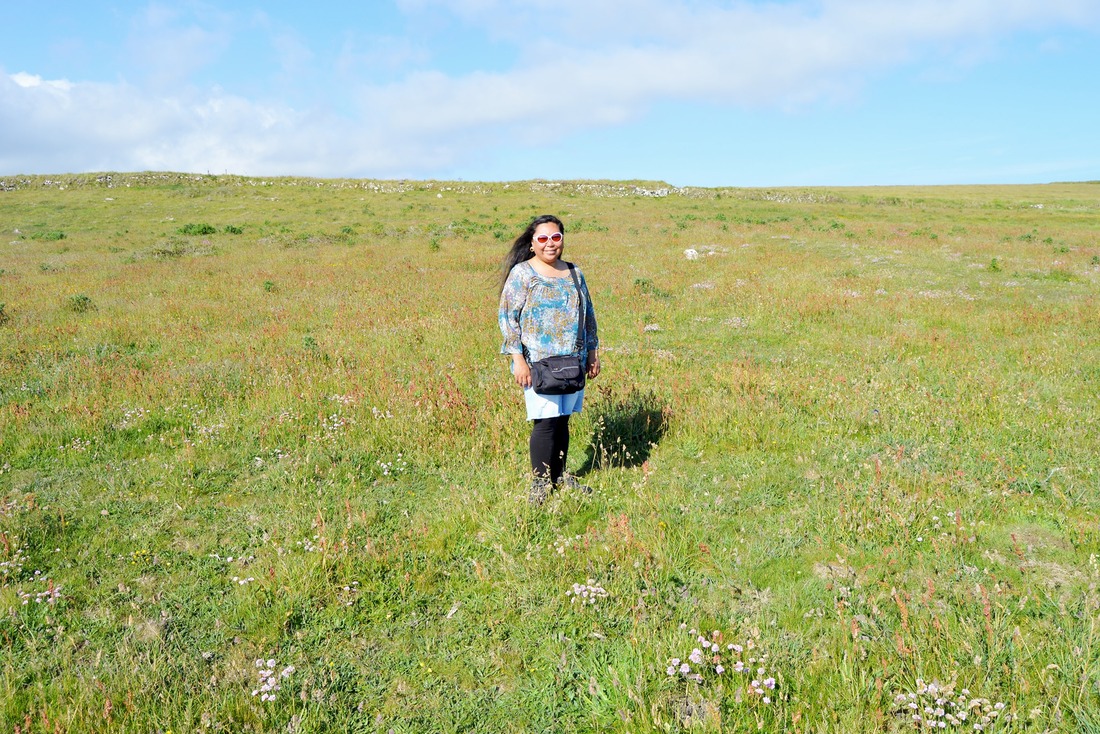


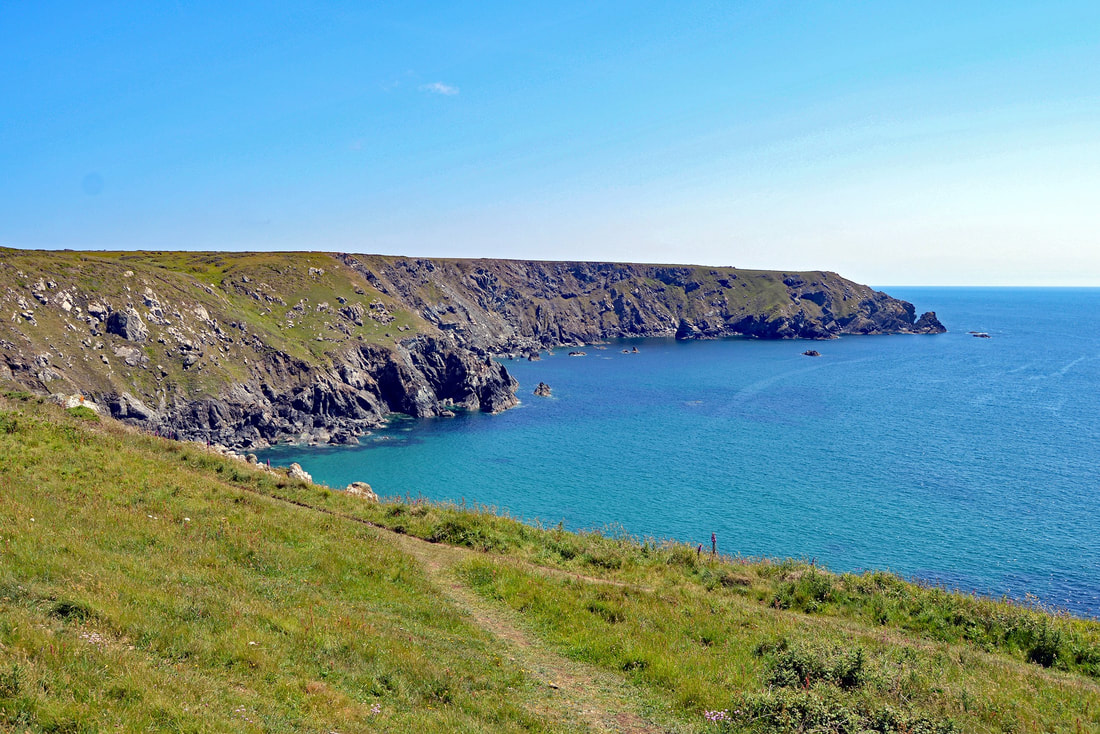

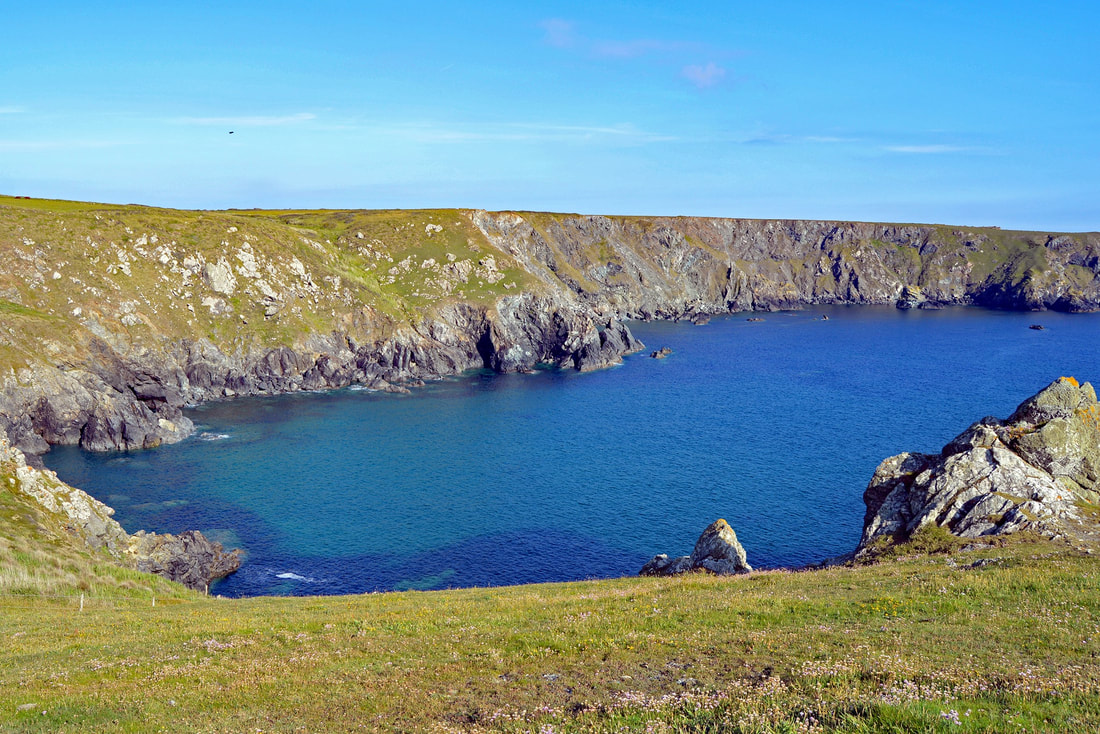
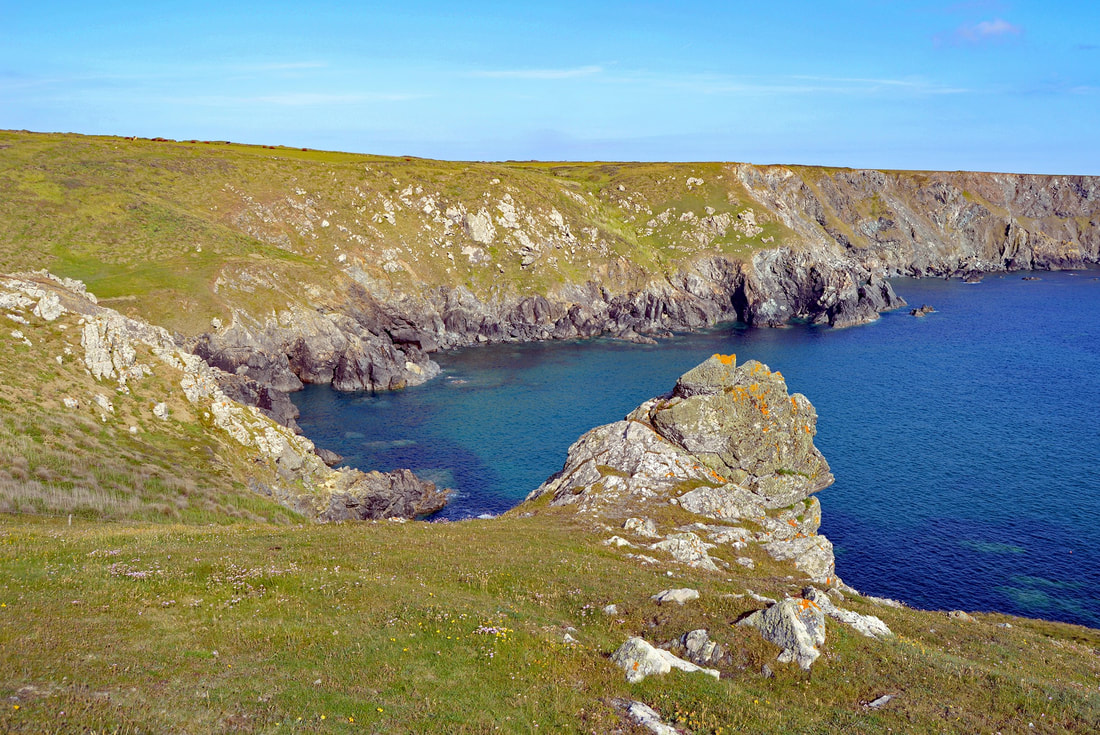
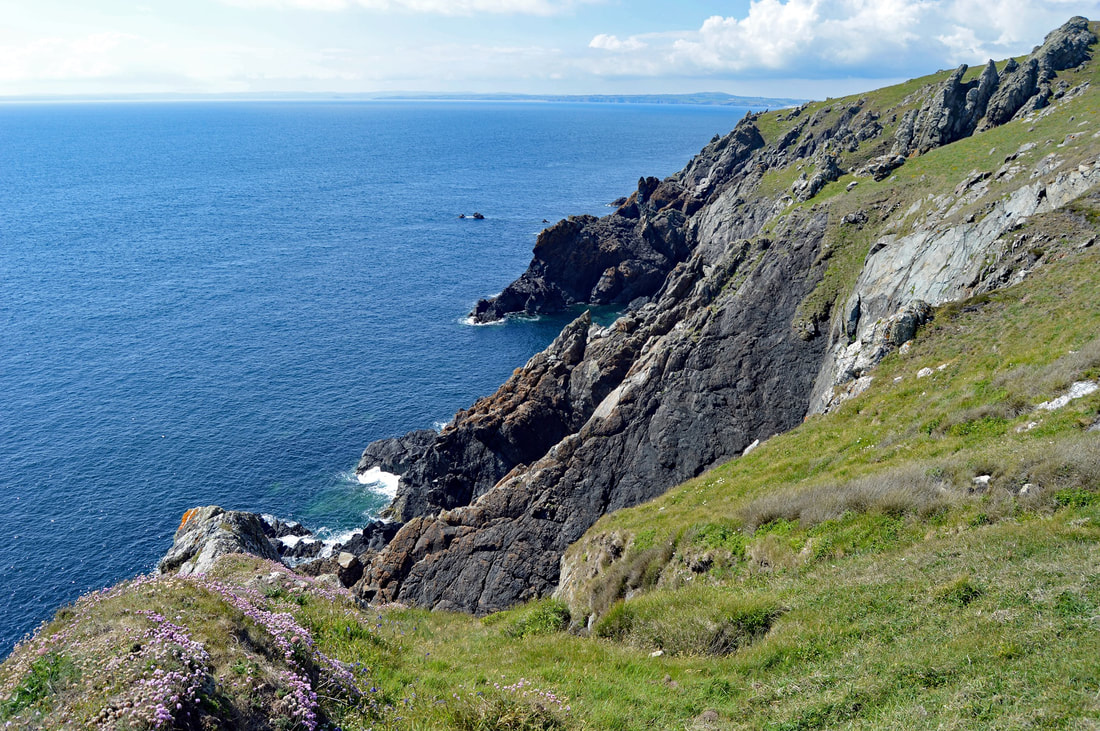
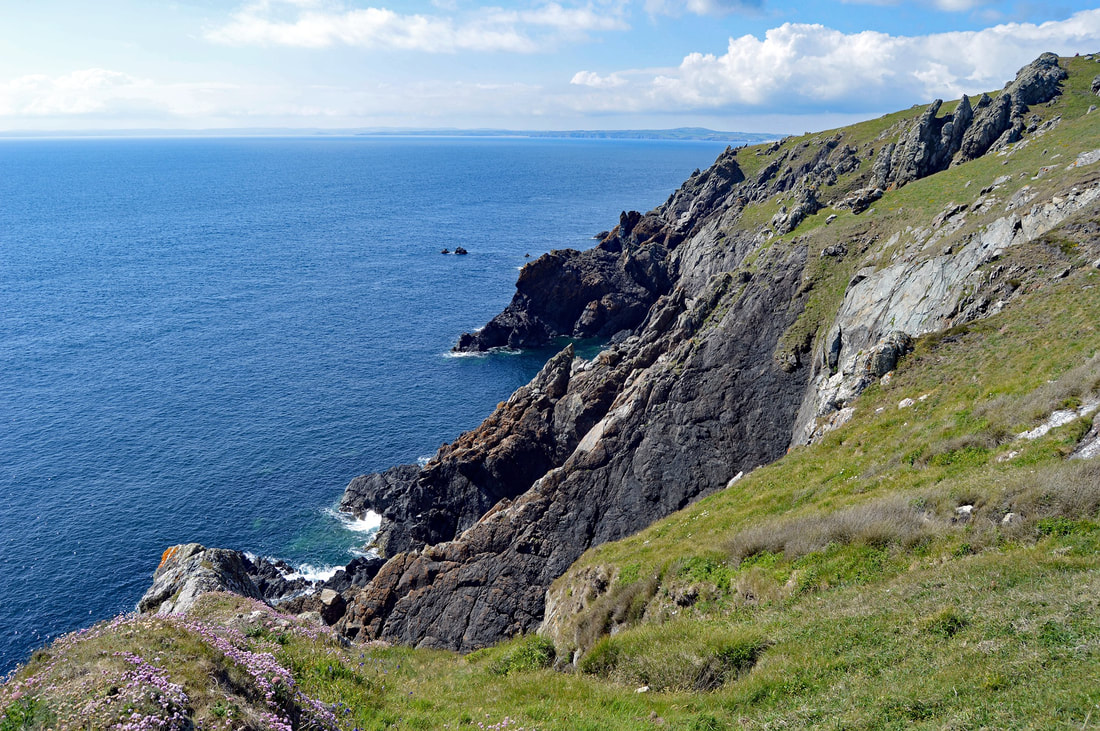
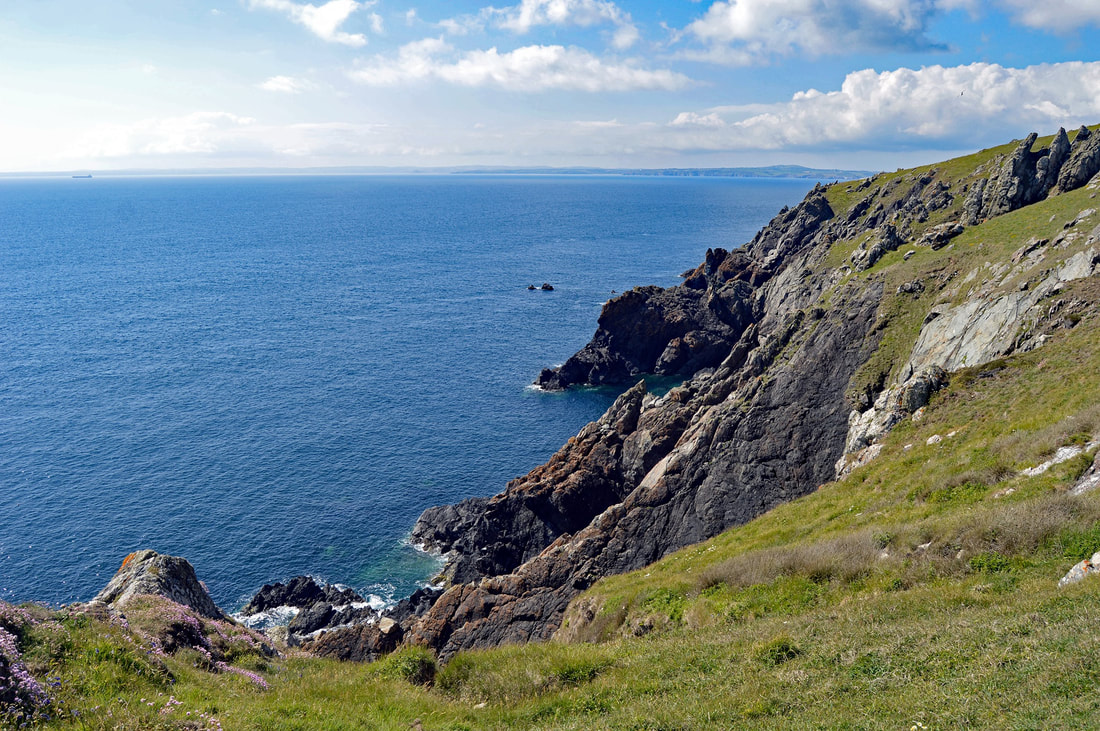
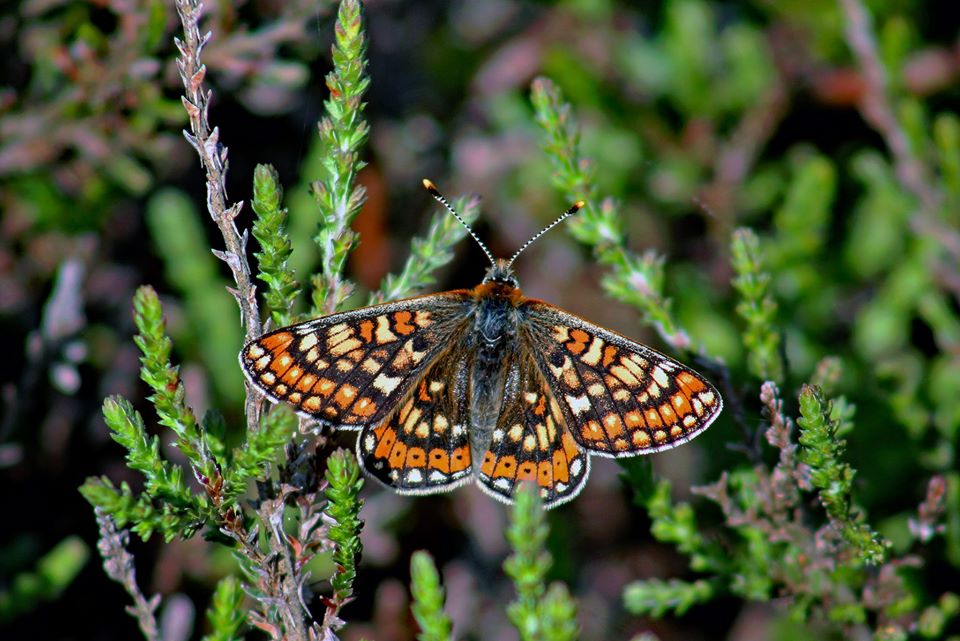
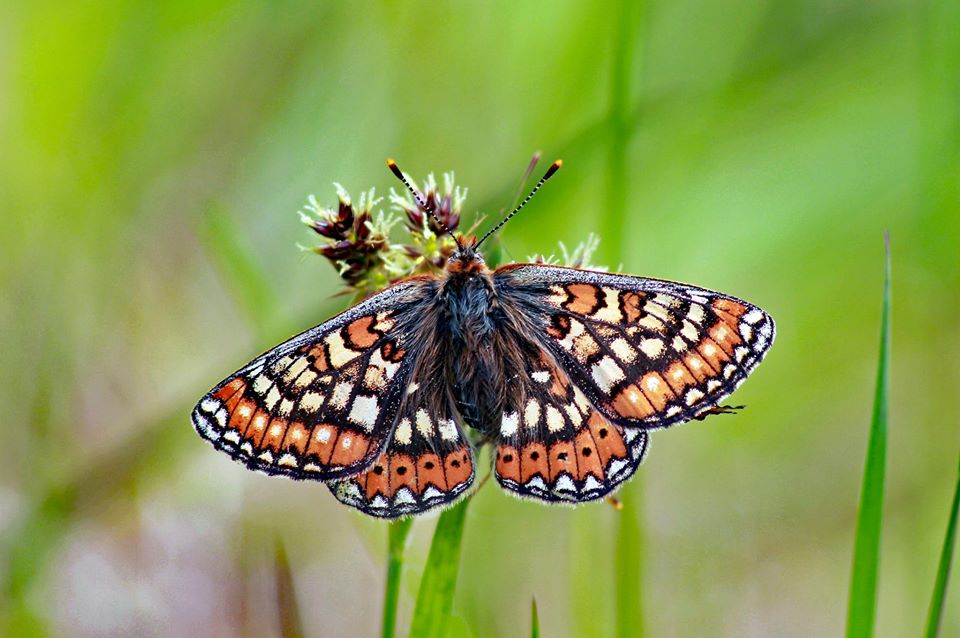
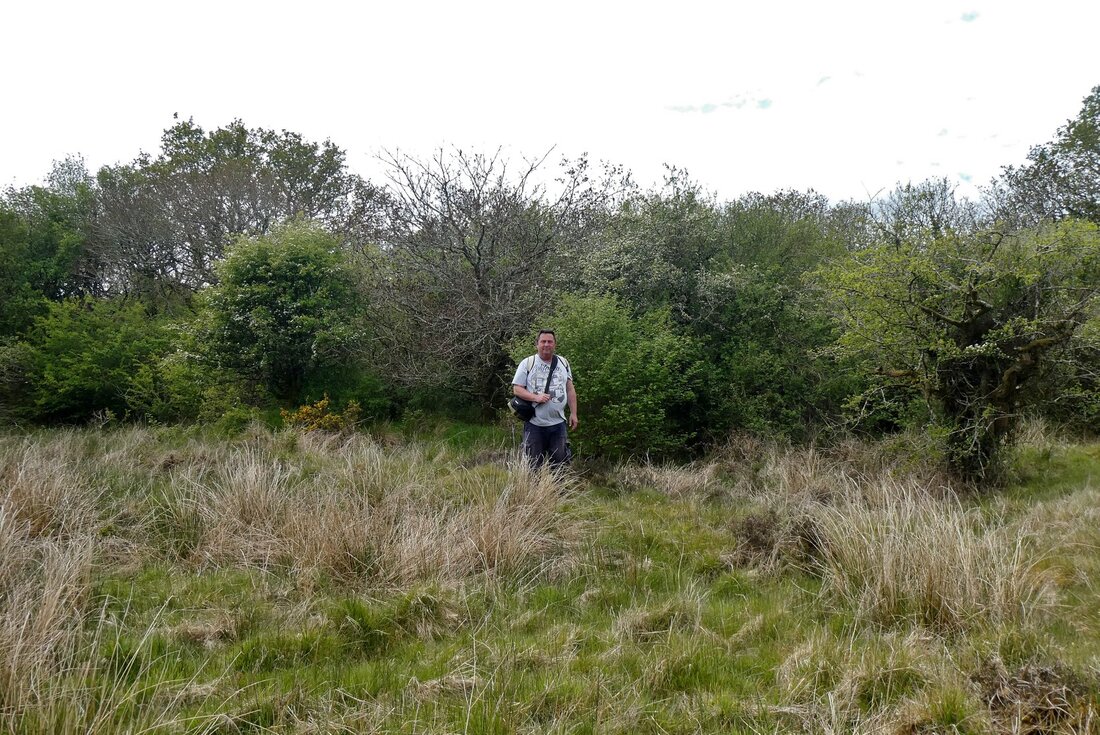
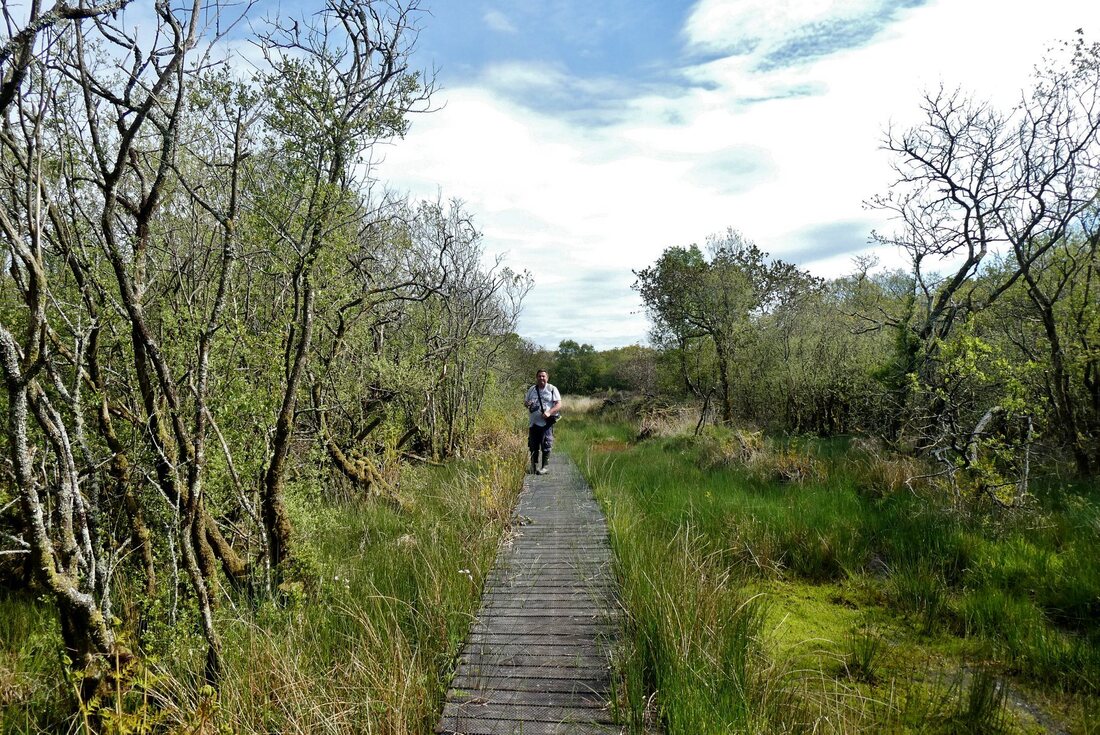
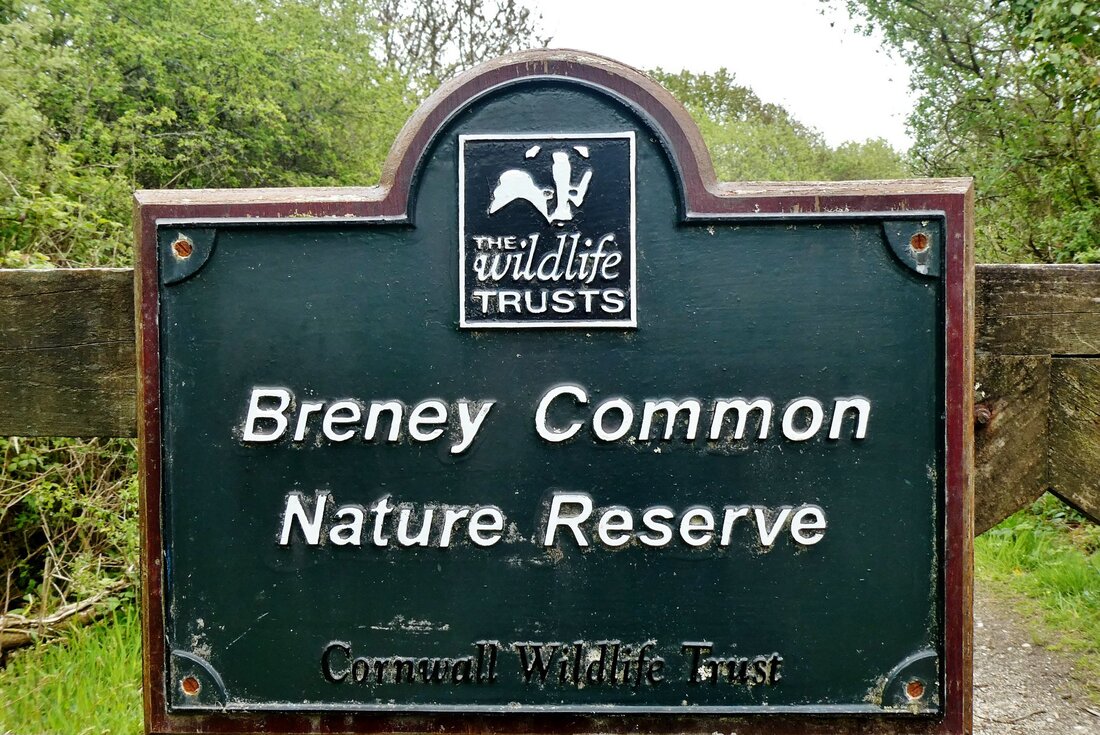
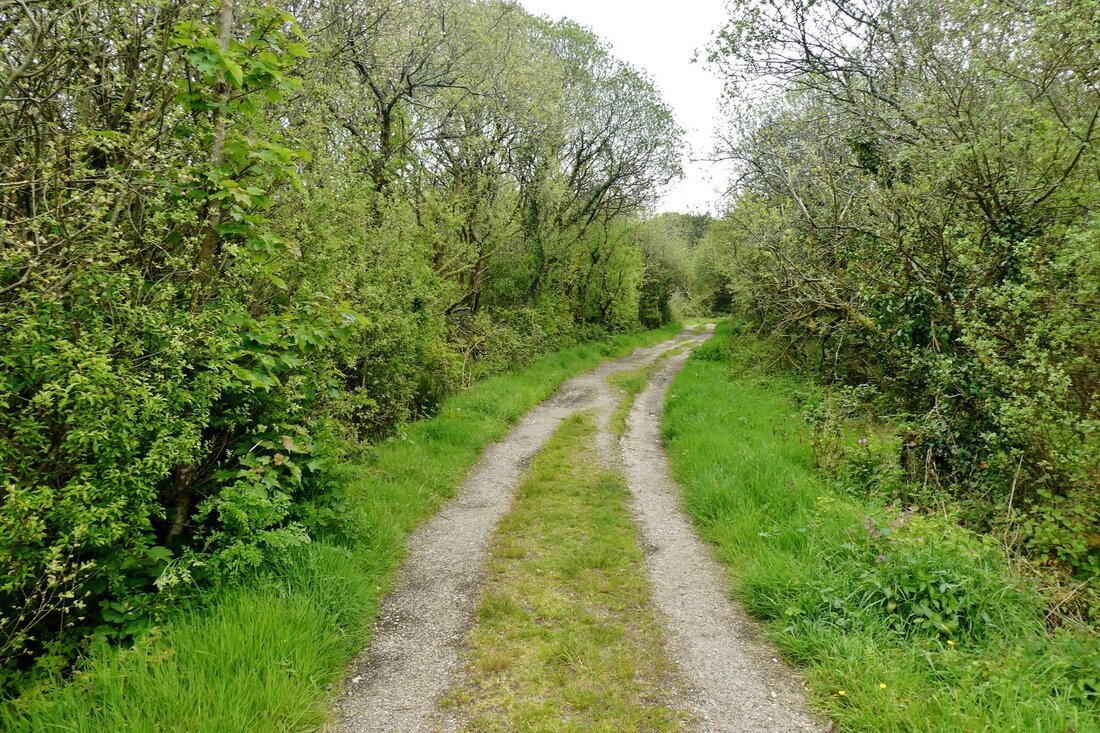
My 2nd "Virtual Butterfly-watching in Cornwall" is in Breney Common Nature Reserve to see the rare Marsh Fritillary Euphydryas aurinia.
Breney Common must be my most visited nature reserve. We go there every year in April, May, June and July. It has the most amazing flora and fauna, with a rich and diverse habitat.
And of course Breney Common has a special place in my heart as I've seen my greatest sighting of all time here - the Lammergeier, the bearded vulture in 23rd May 2016.
Easy walk, flat, picturesque and scenic view.
Like me on Facebook: facebook.com/wildlifematters8
Follow me on Twitter: twitter.com/WildlifeMatter8
Follow me on Instagram: instagram.com/wildlifematter8



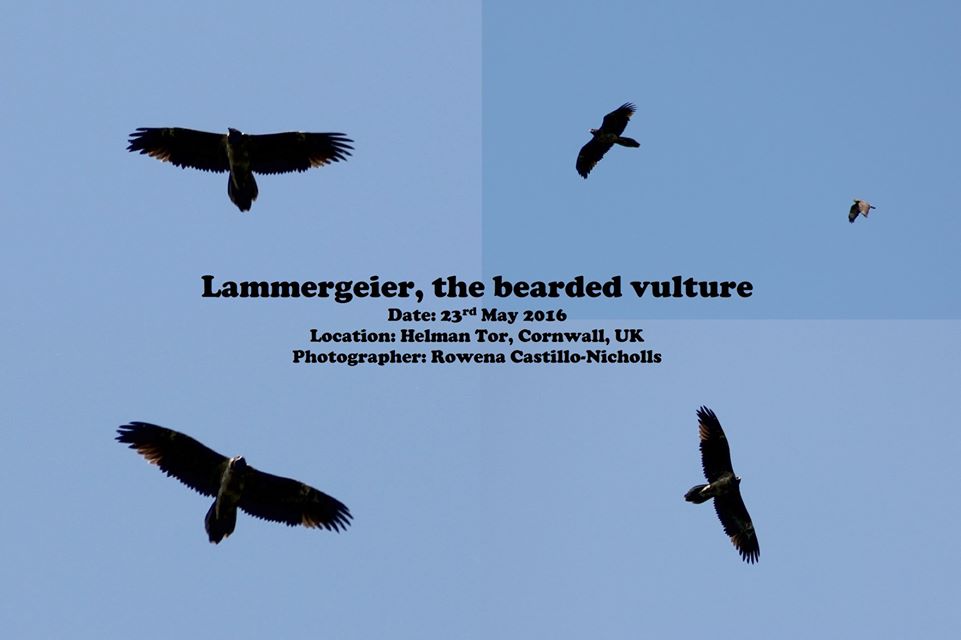
It was a sunny afternoon, about 2:30pm. We were looking up towards Helman Tor when a large bird, soaring high, came into sight over the ridgeline, heading in a south westerly direction. It’s just gliding gracefully in the sky. The wingspan was probably 9 feet or more, 3 metres.
It was very high, maybe up to 2,000 feet and had a small bird in tow - which was not getting too close. The small bird turned out to be a buzzard!
The Lammageier did not flap its wings. It was just gliding gracefully across the sky. It was huge and unlike anything usually seen in the skies over Cornwall.
Luckily, I was already prepared with my camera and was able to take some pictures. We were able to watch it for about 12 minutes, before it went out of sight.
Perhaps a once-in-a-lifetime sighting. It's nice to sometimes be in the right place, at the right time!
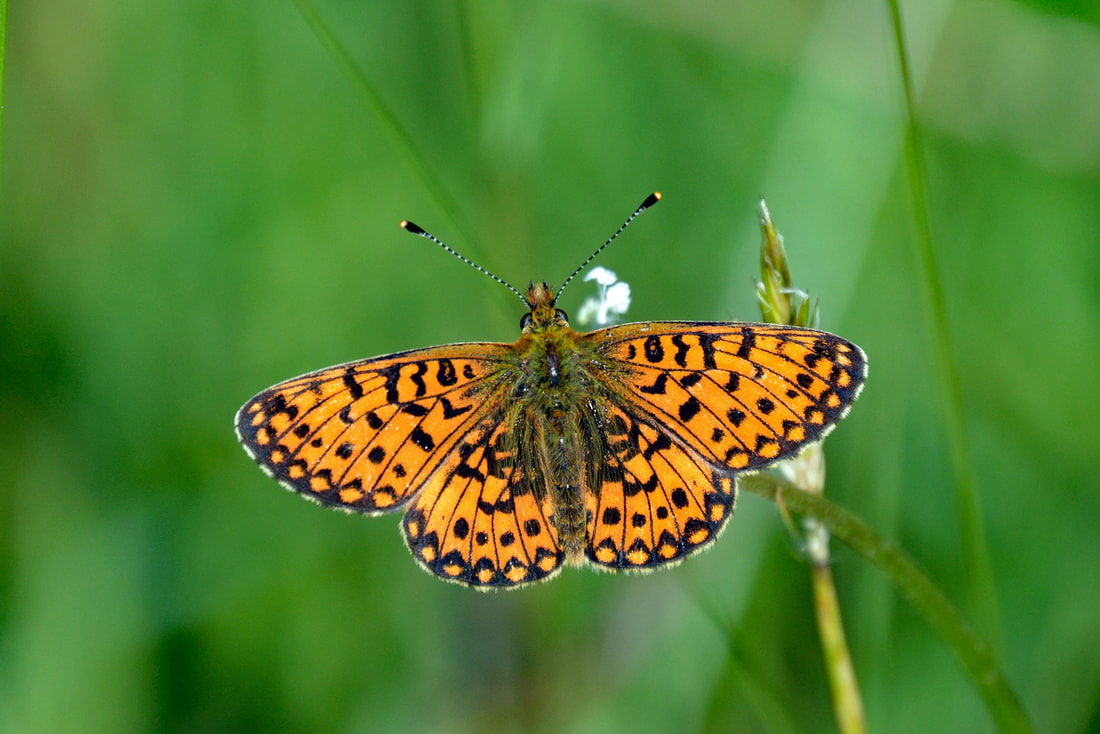
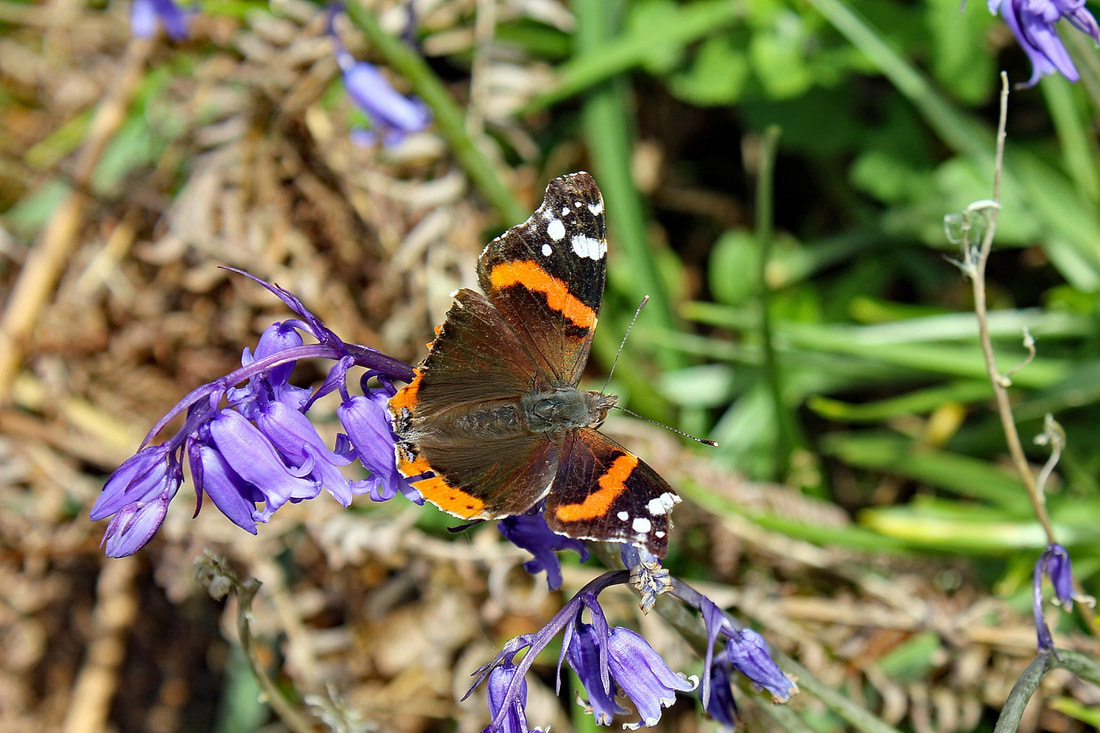

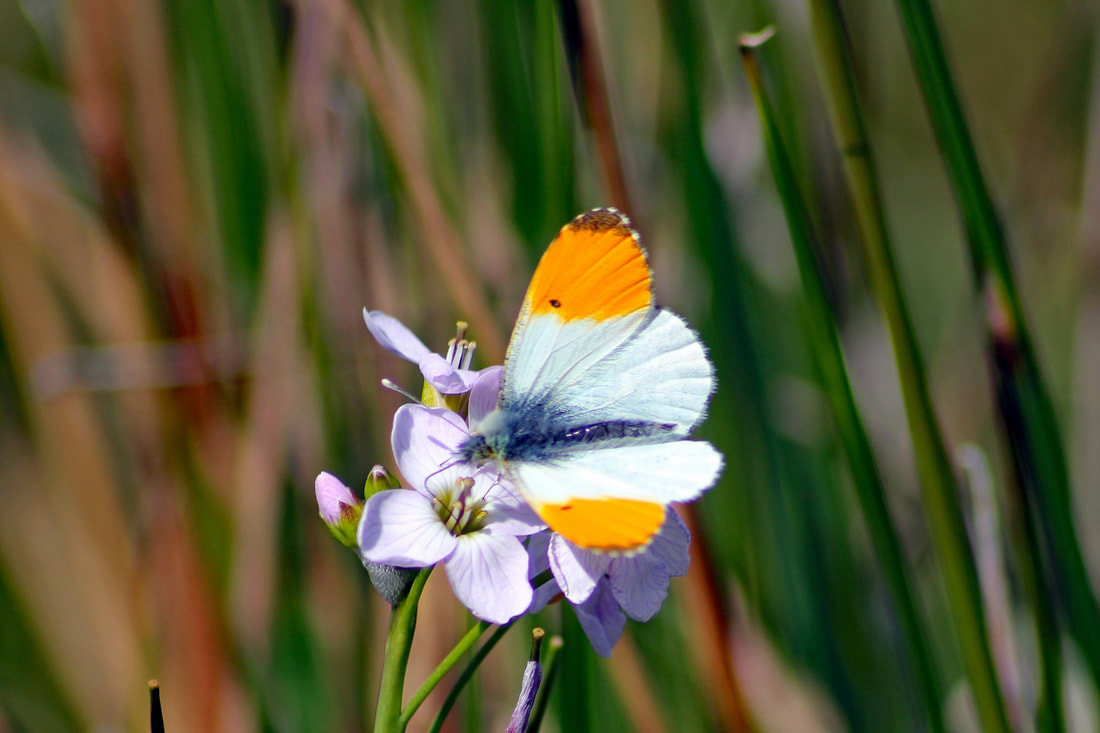
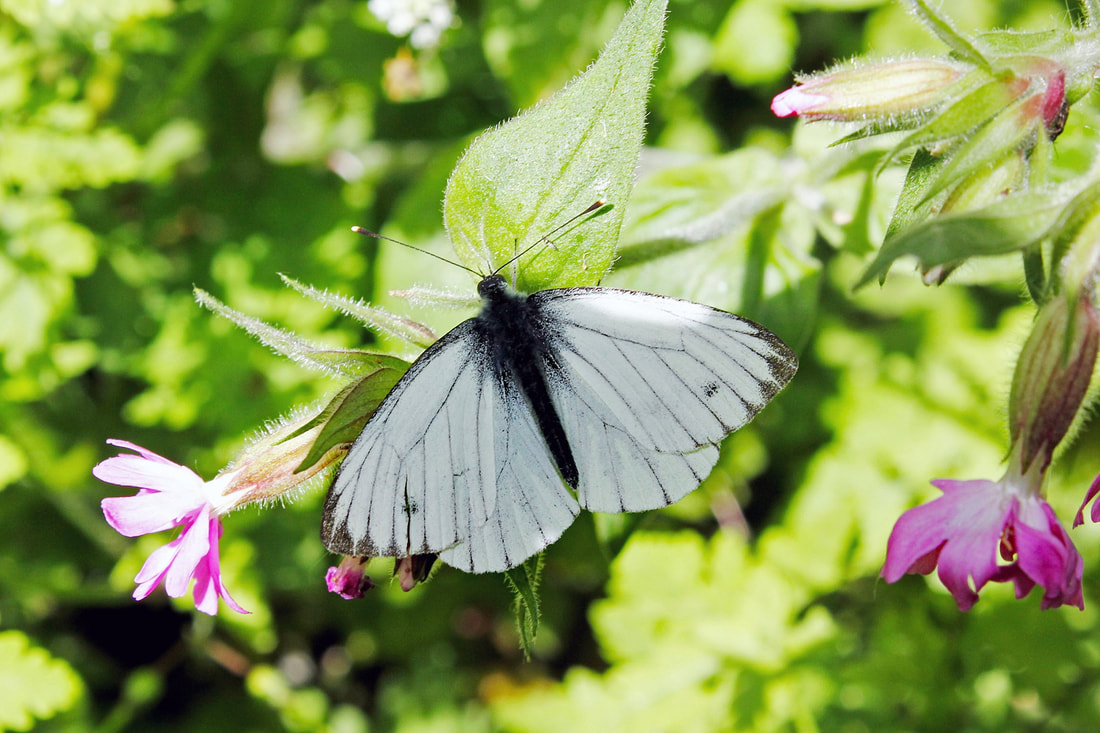

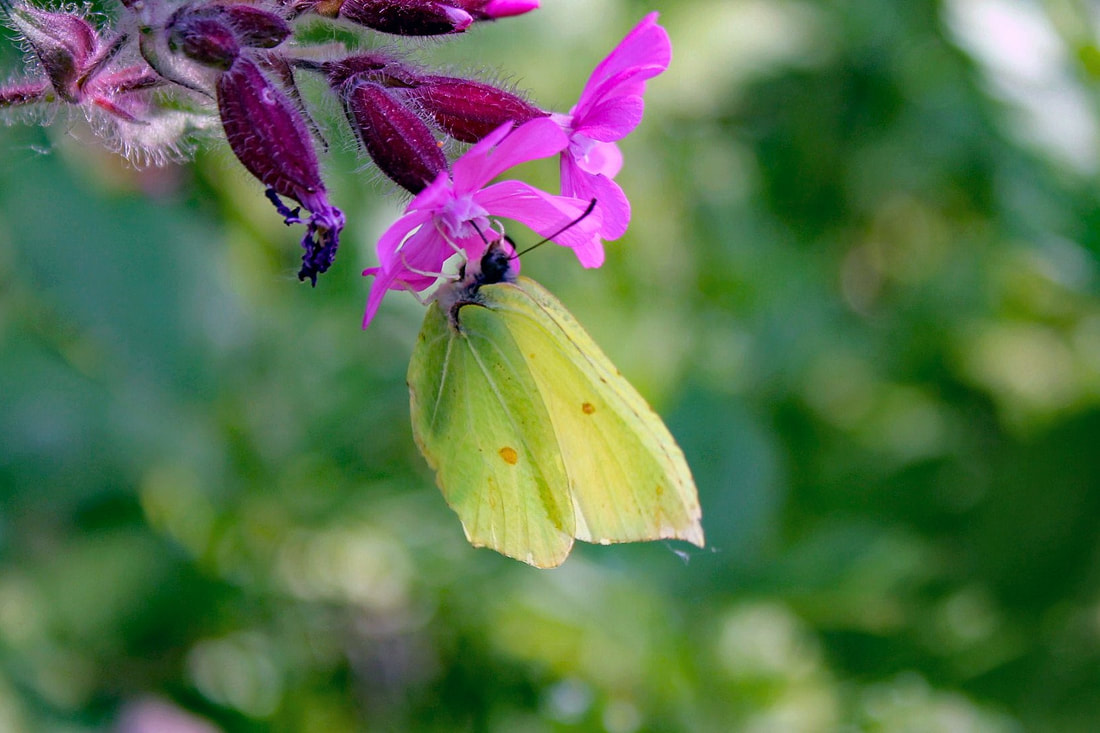
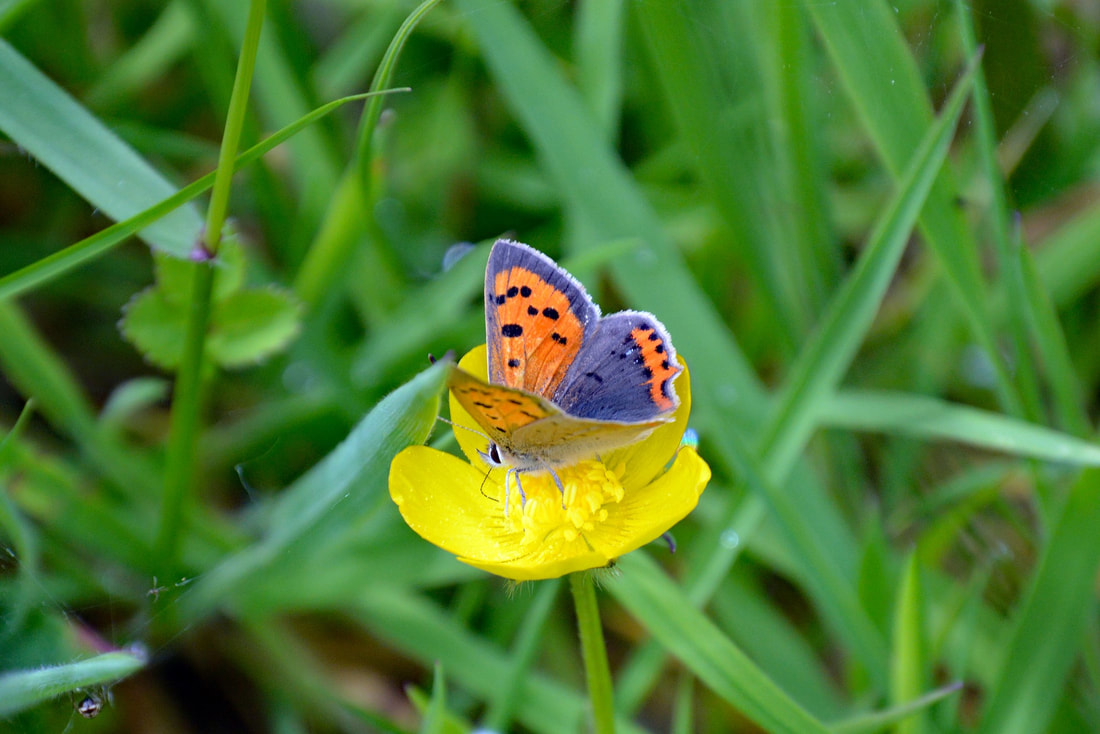
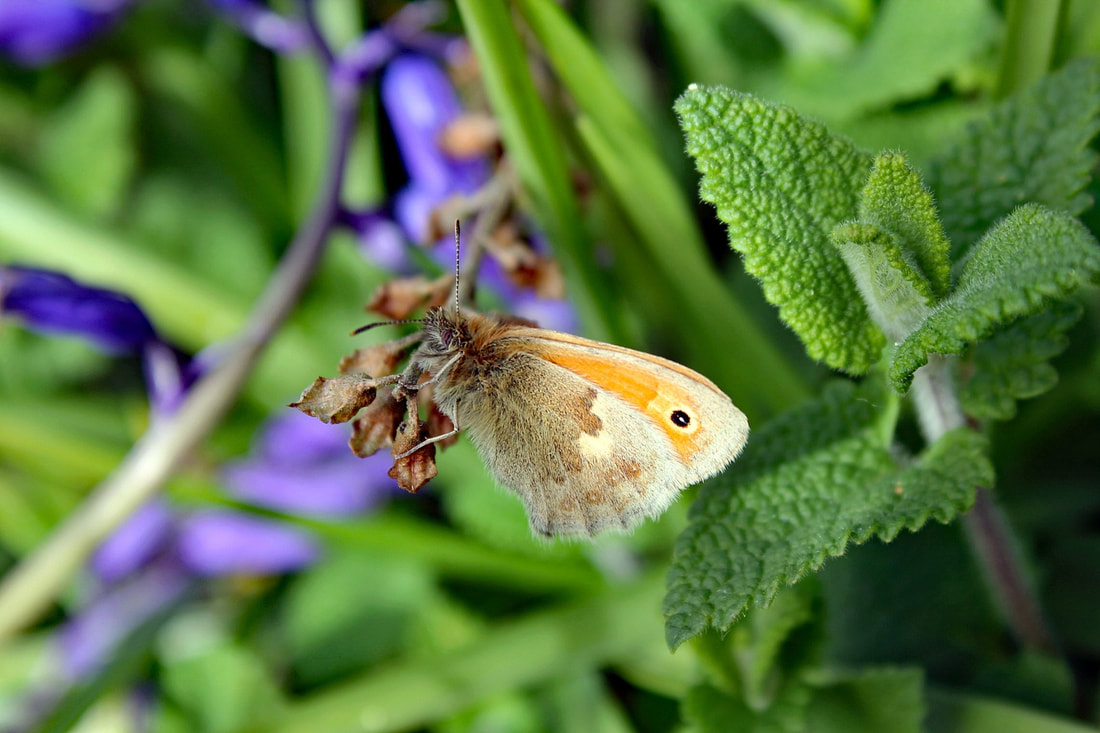


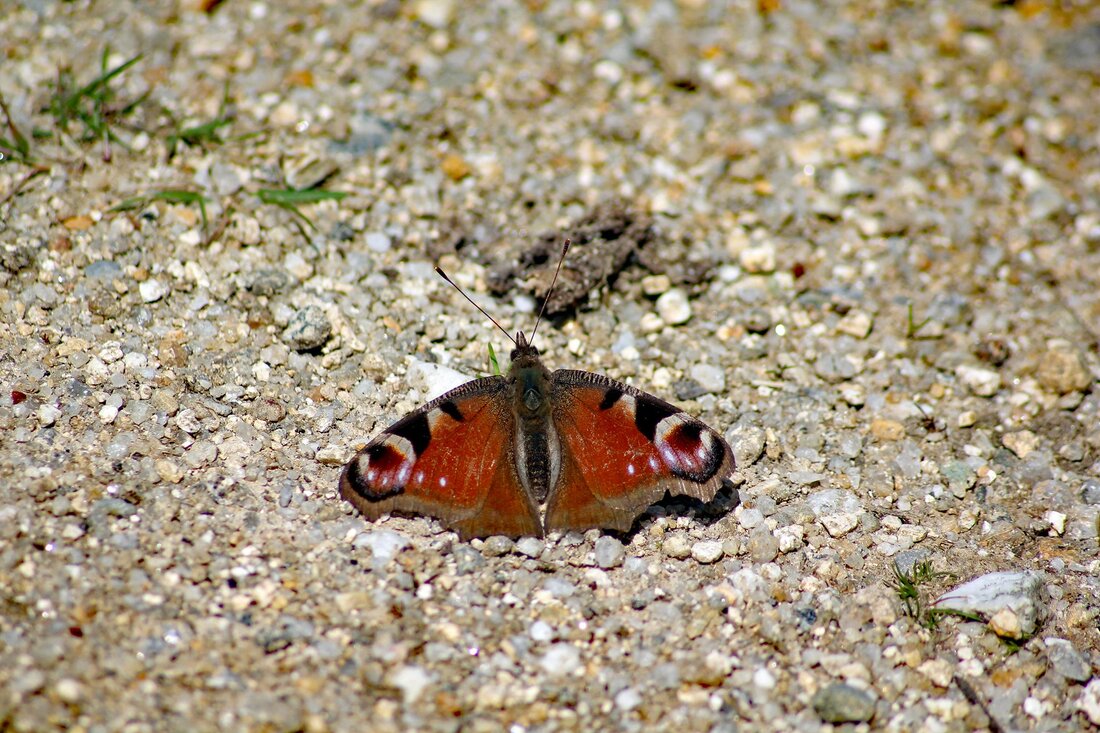
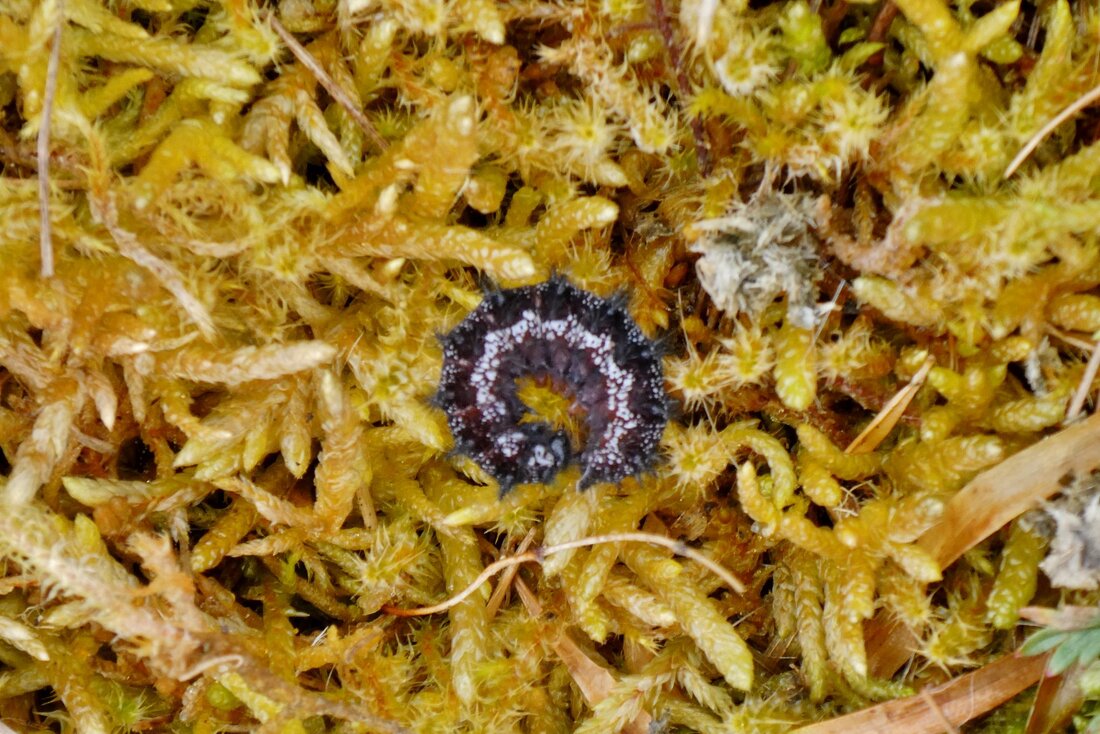
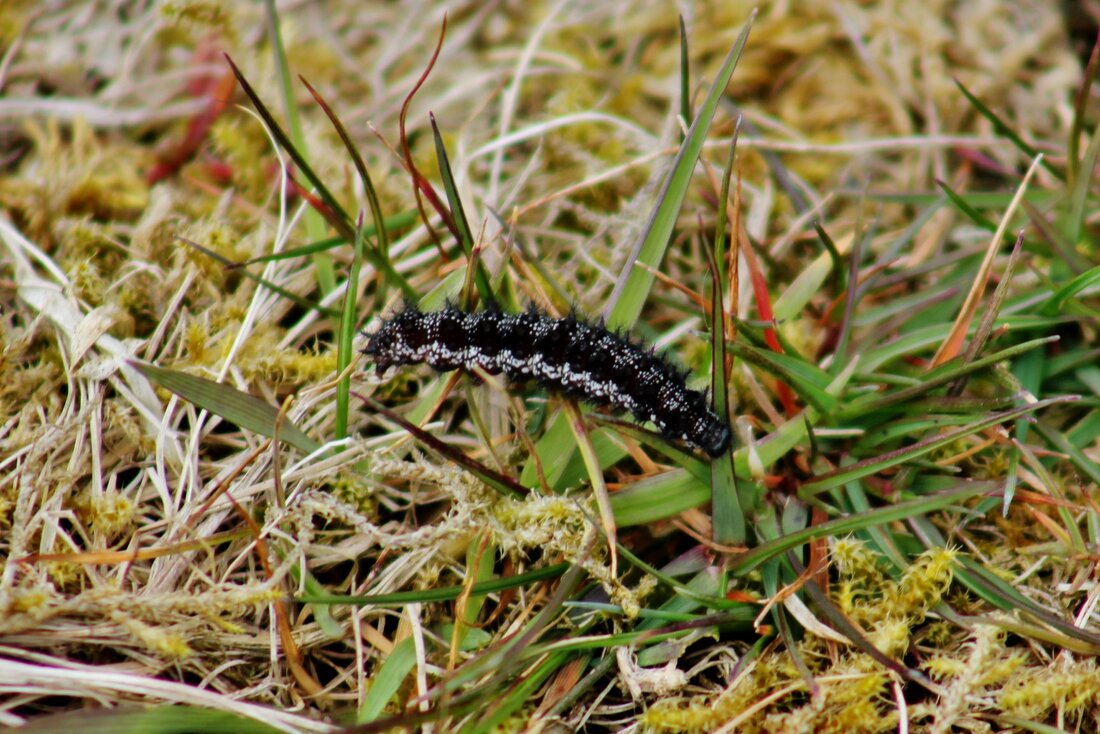
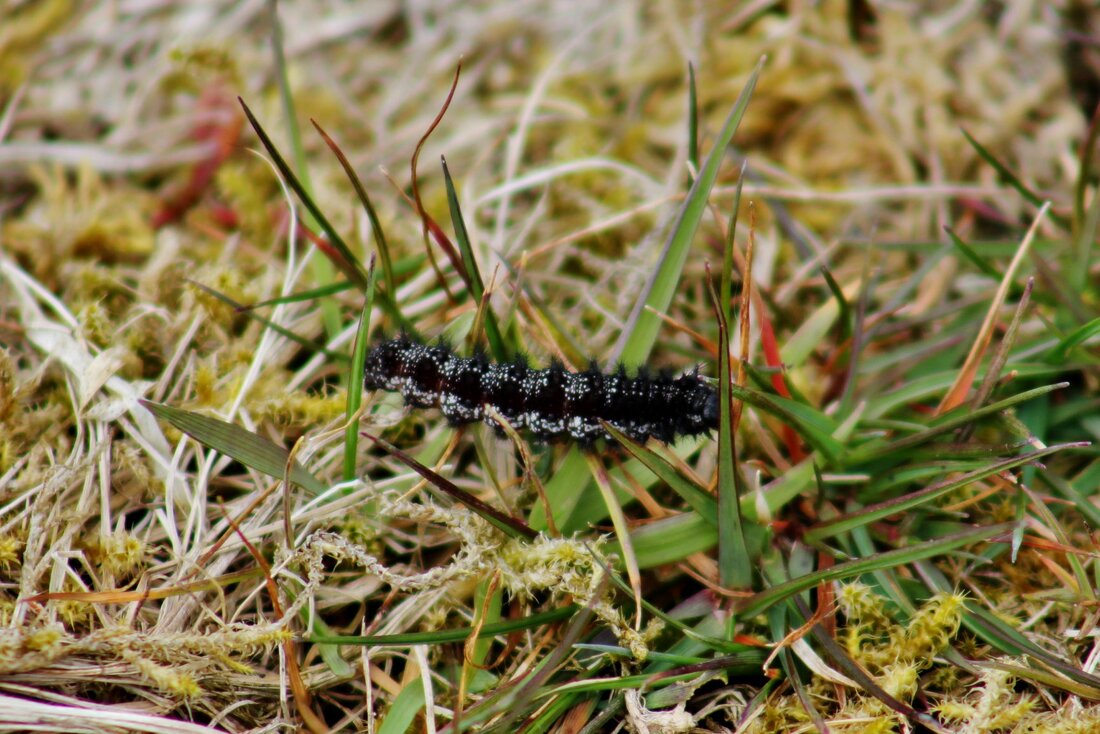


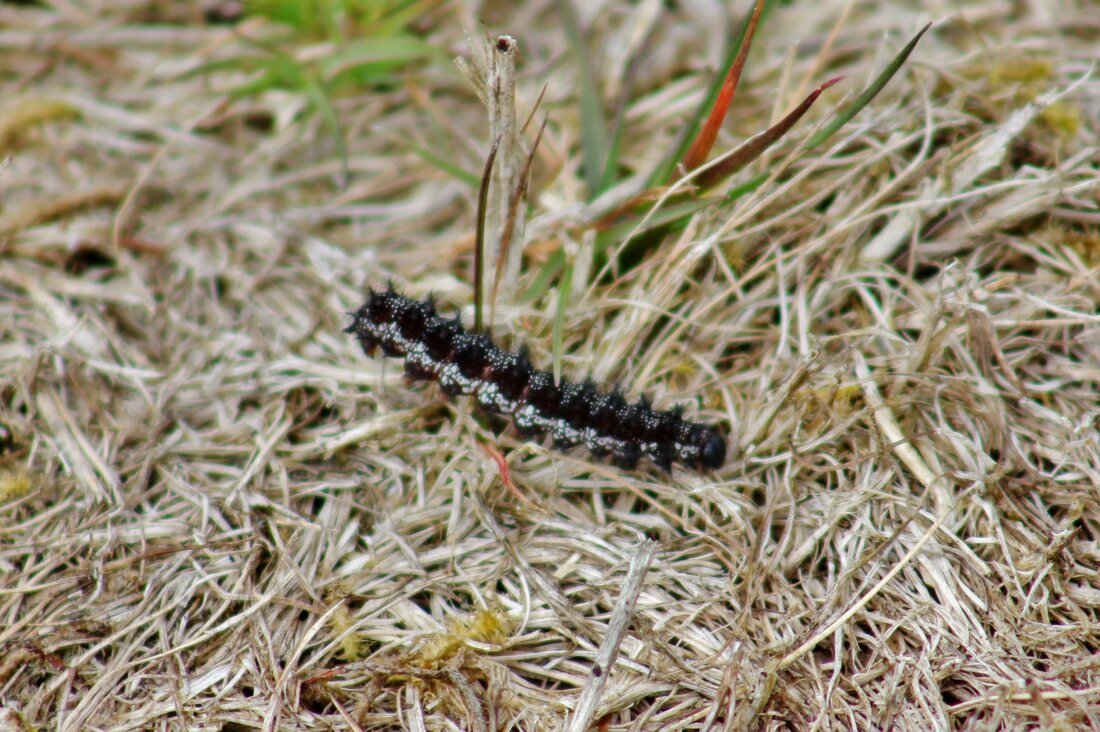
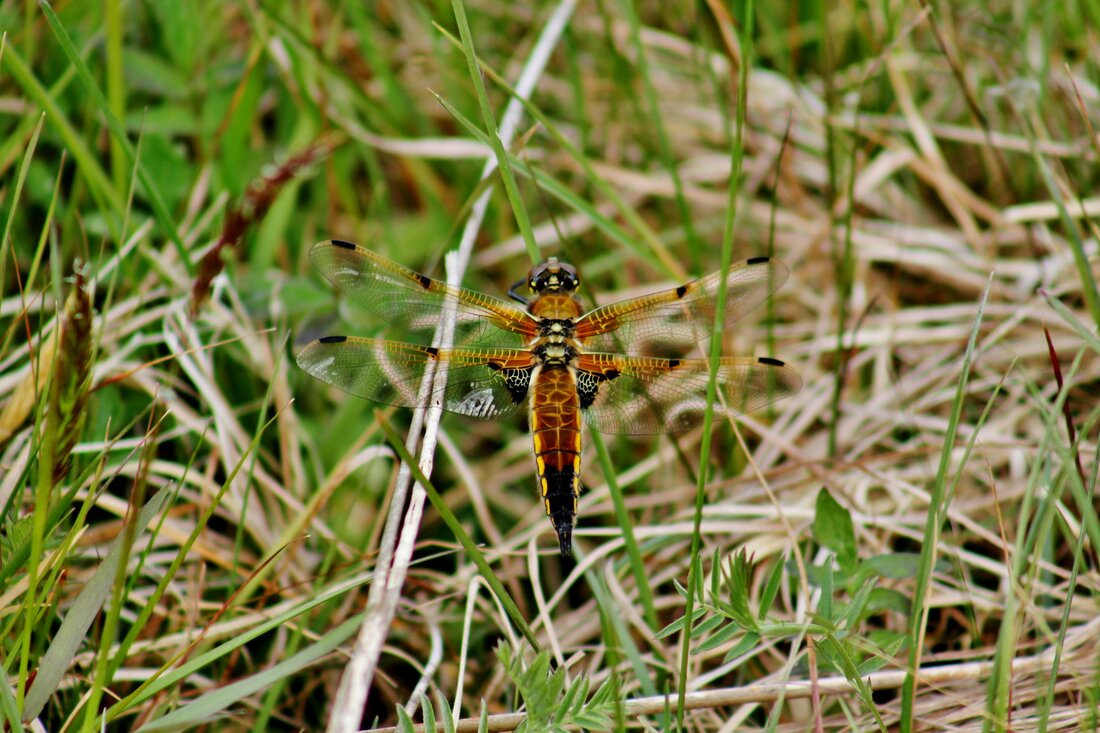
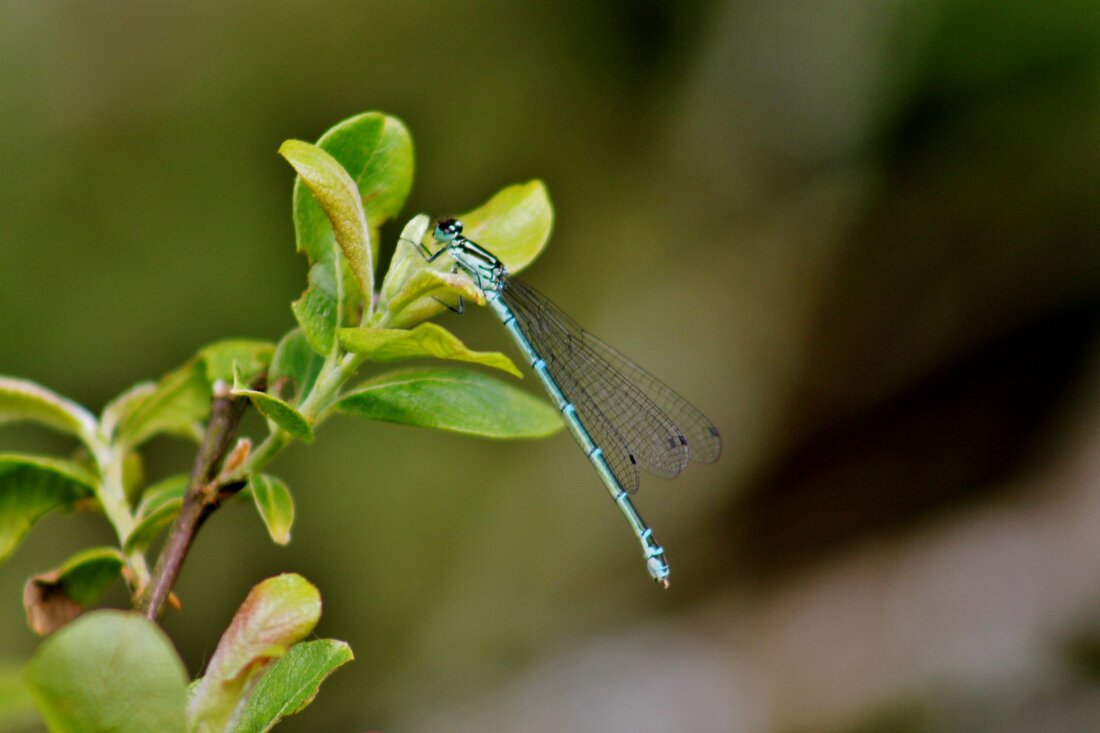
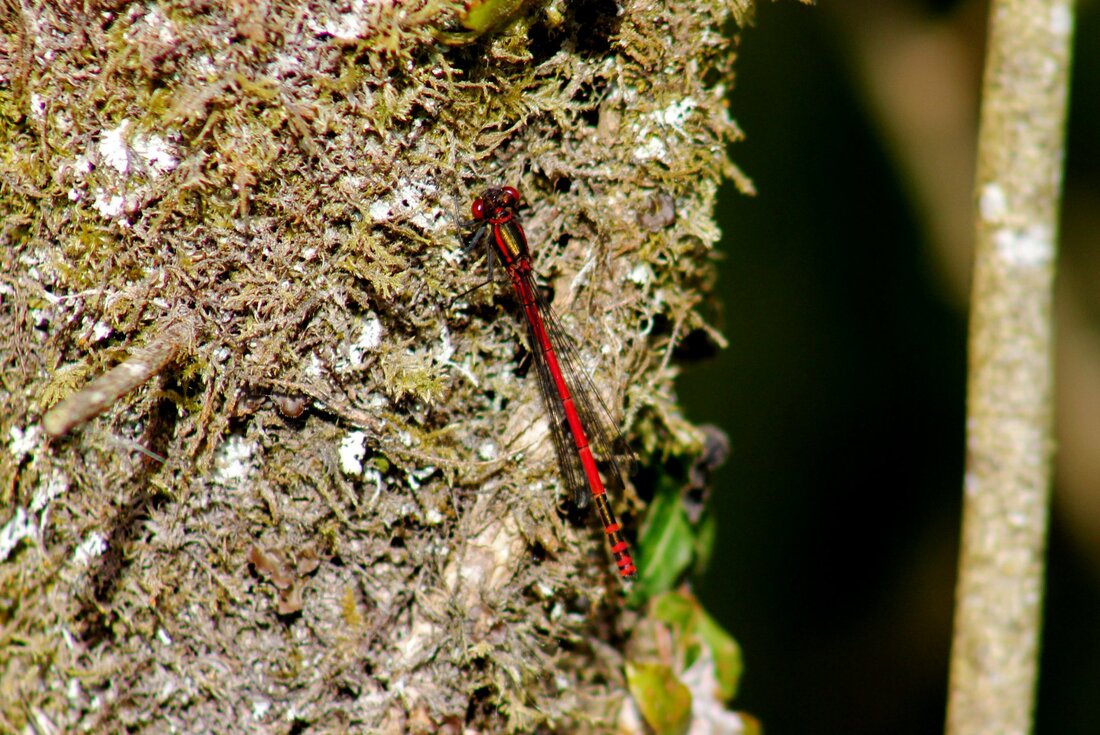

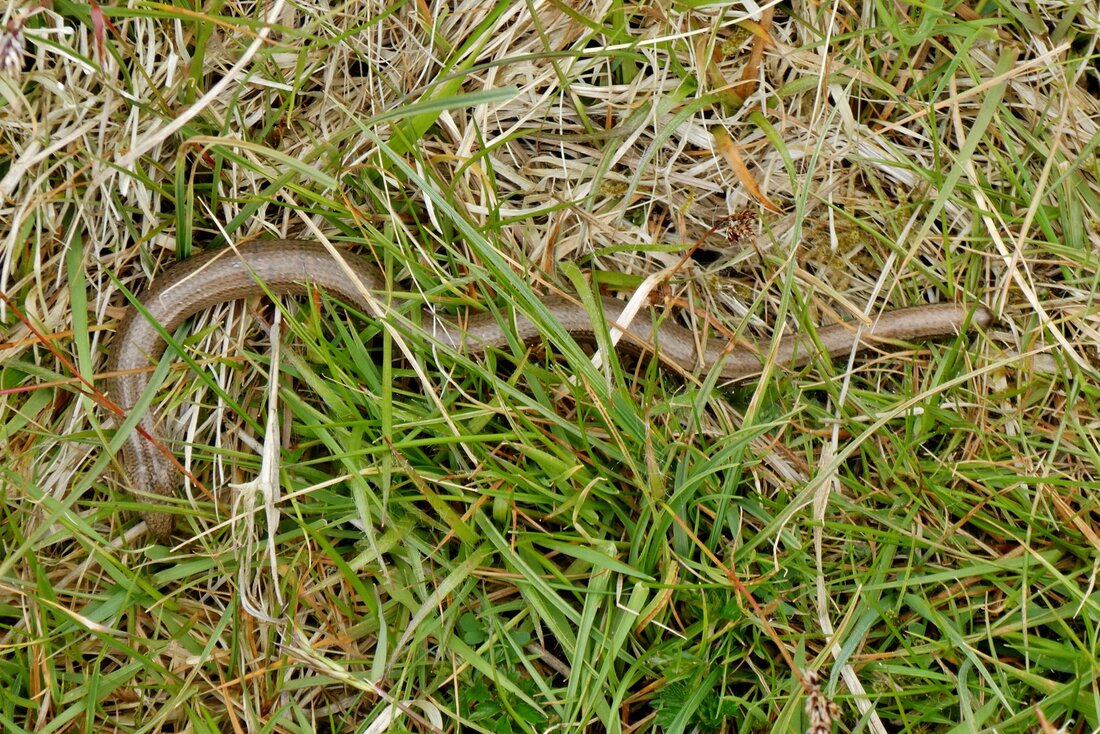
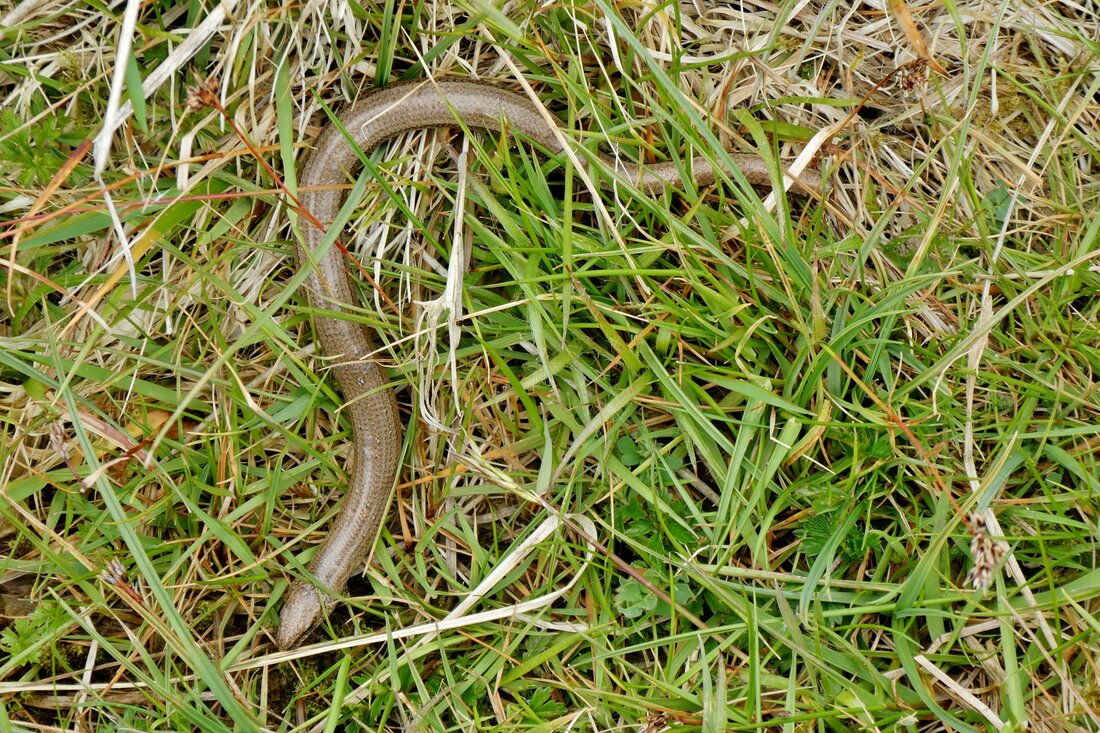






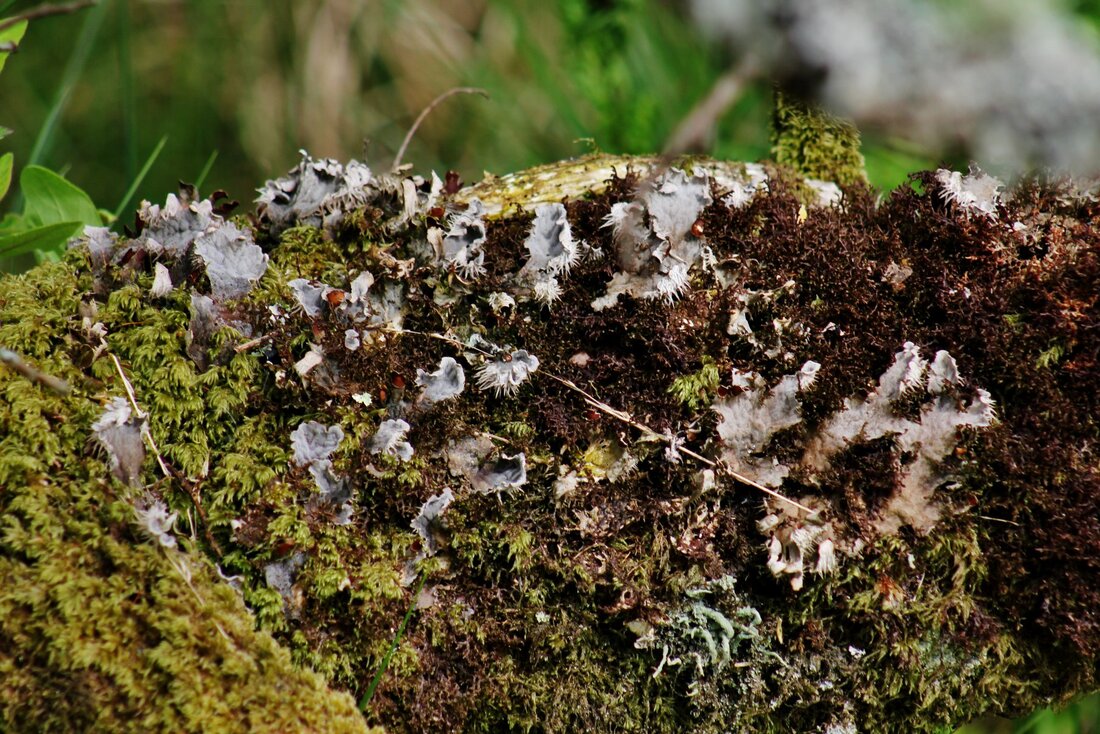
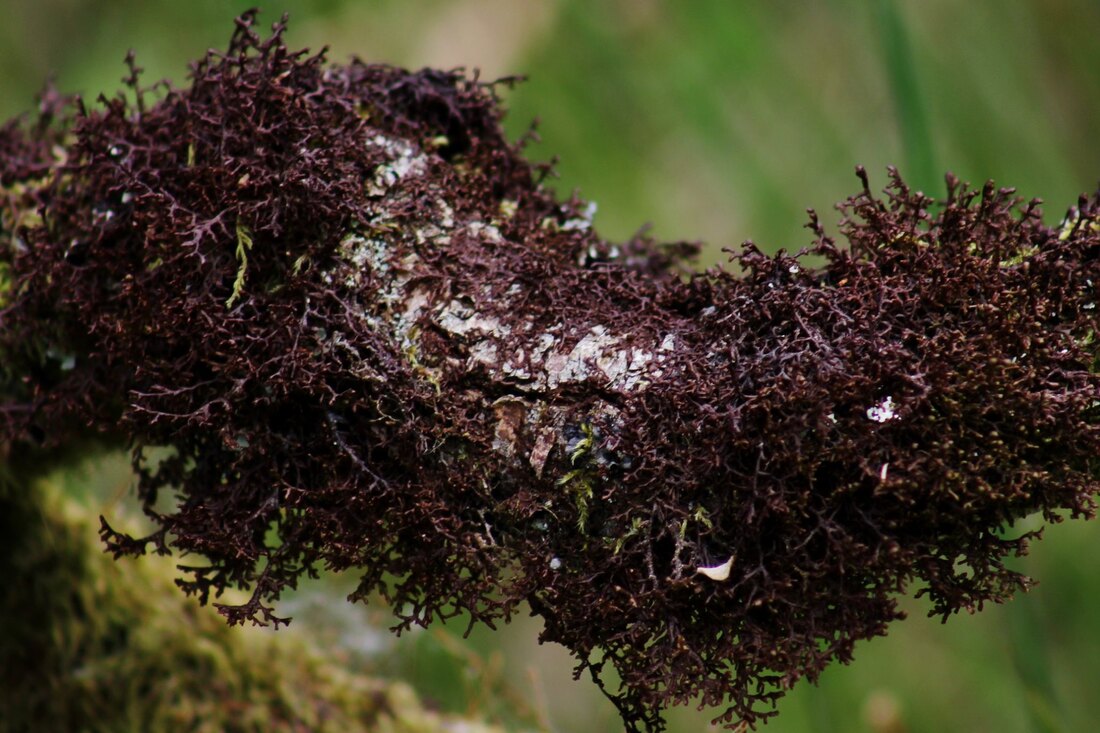
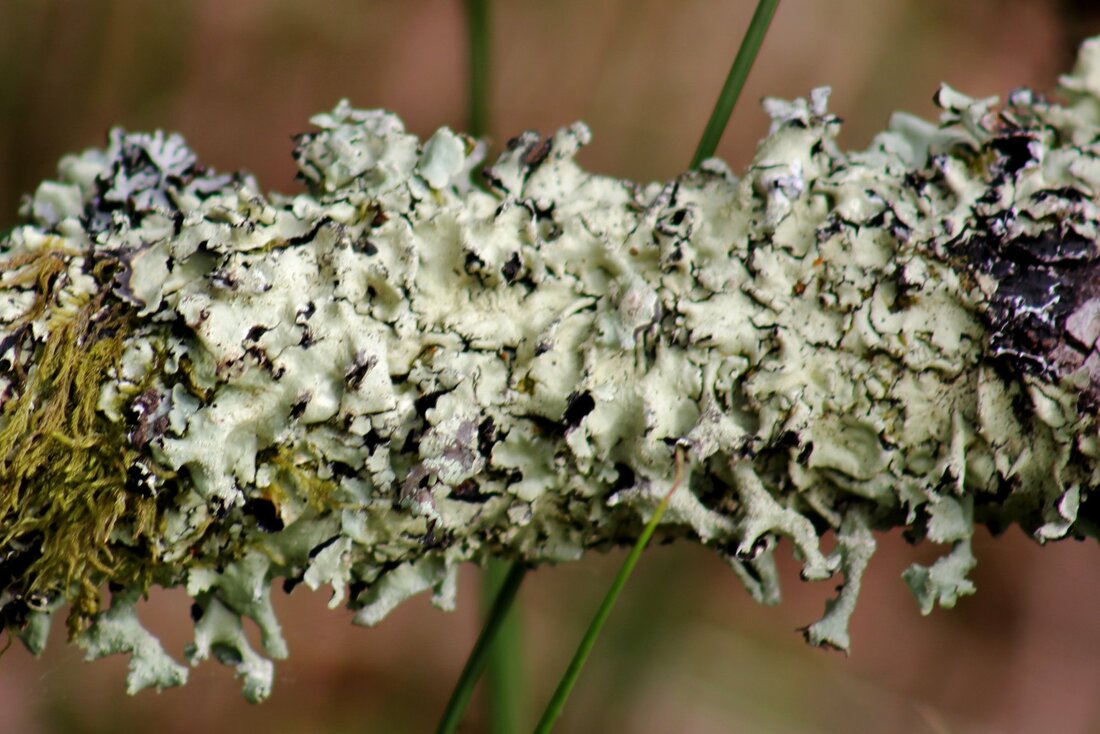


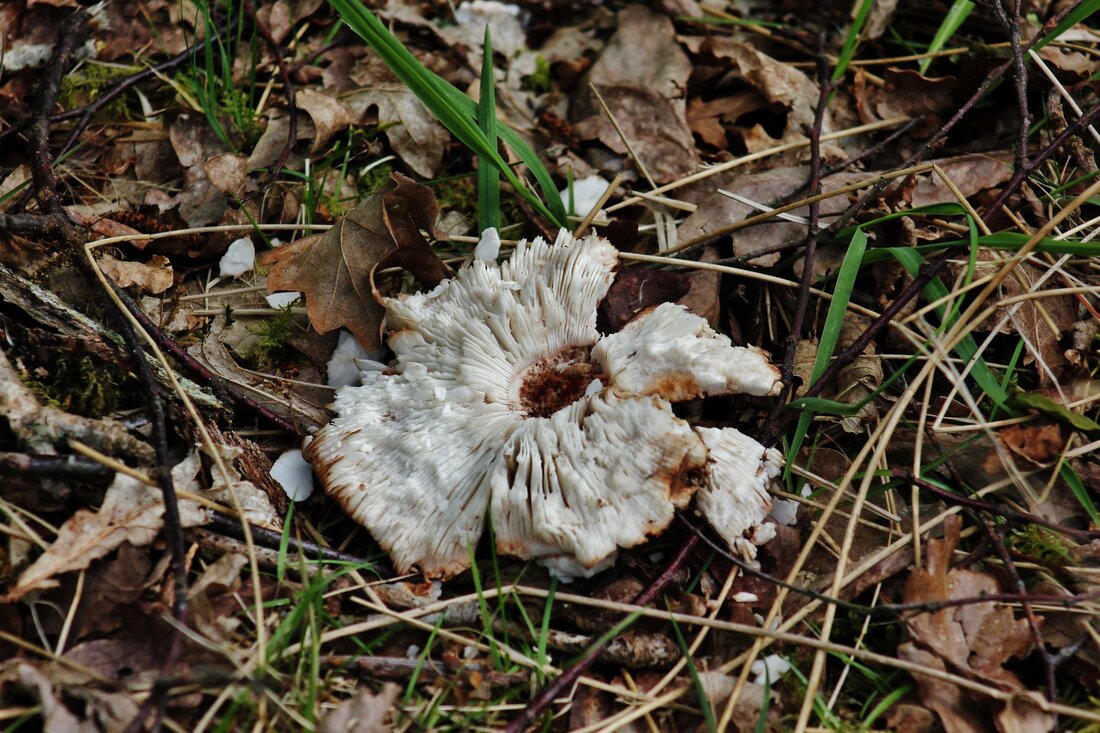
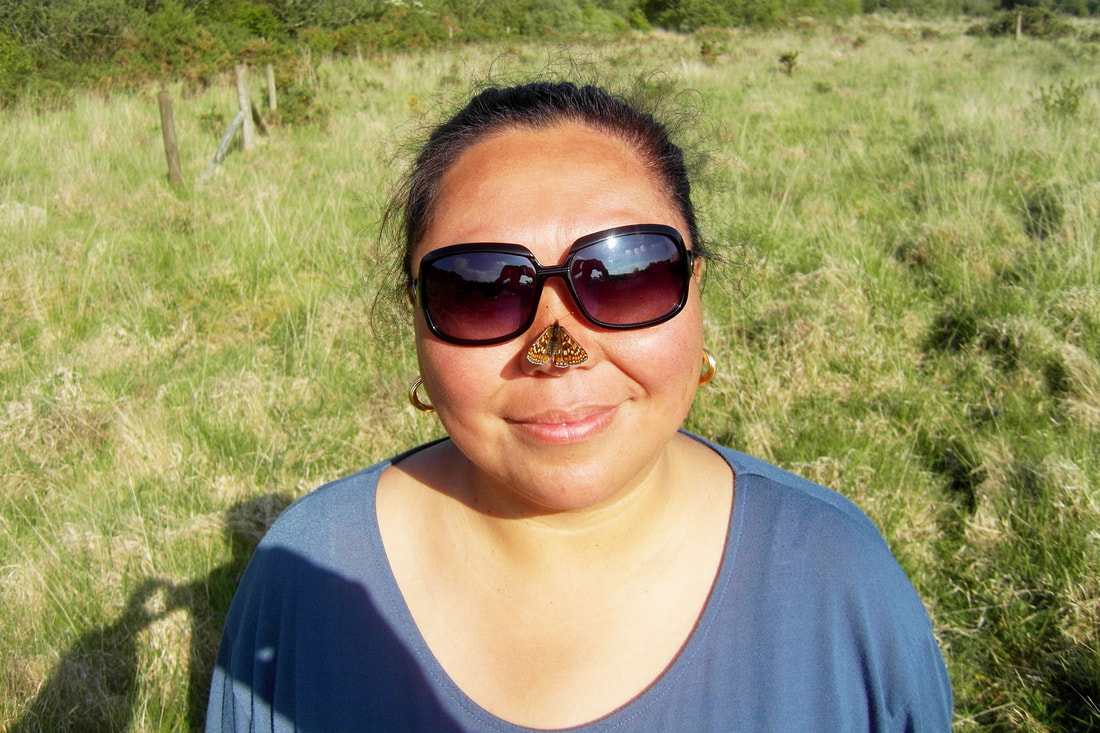
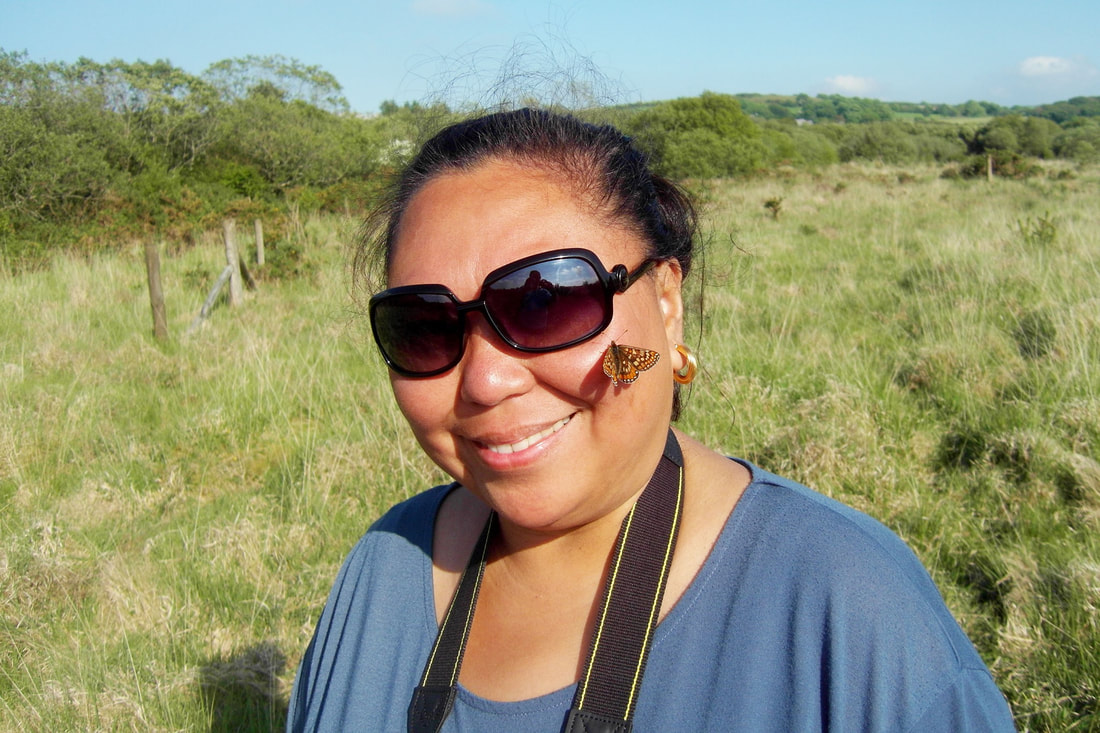
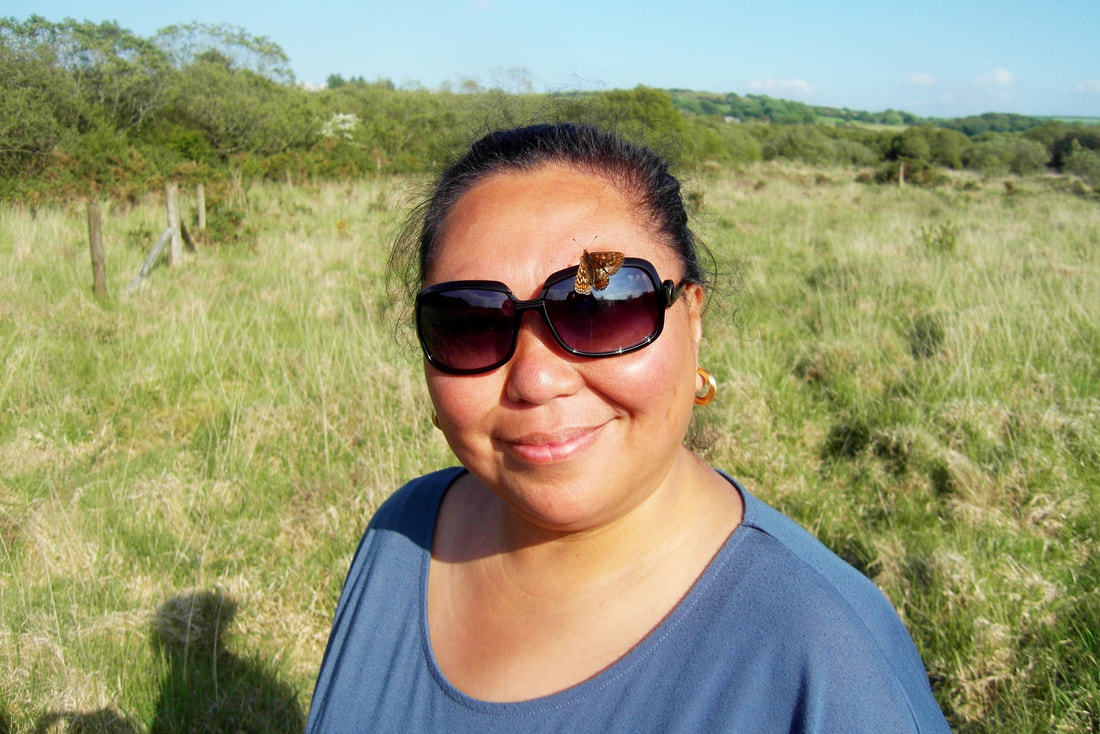
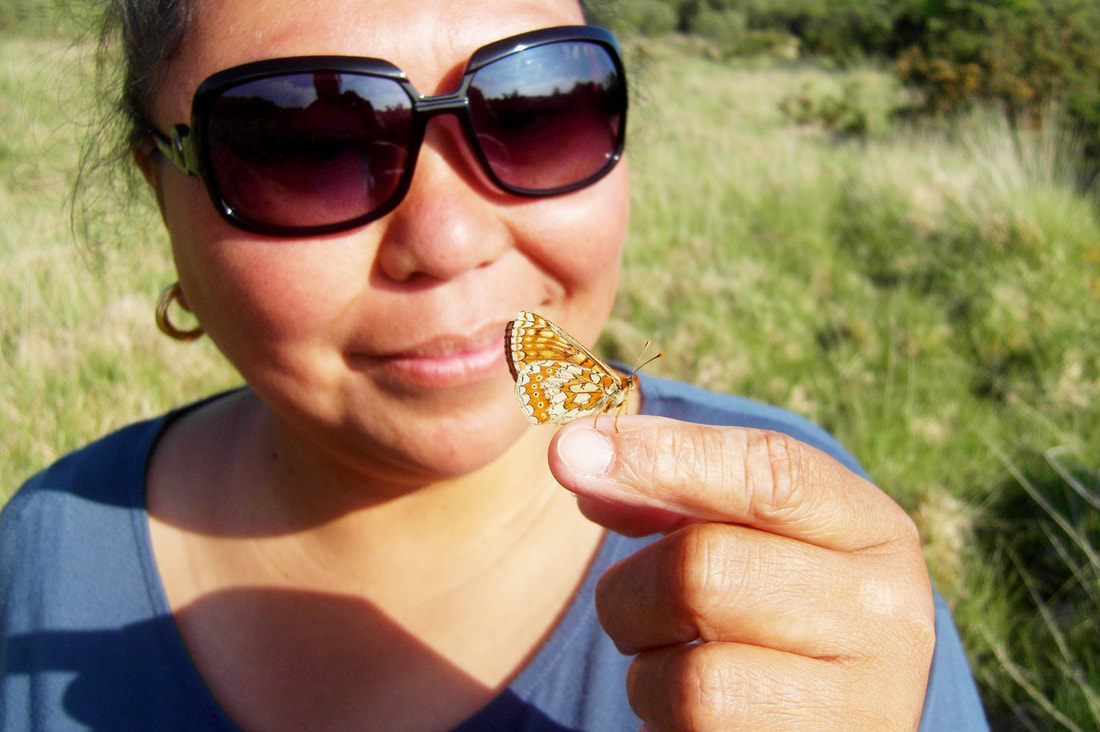



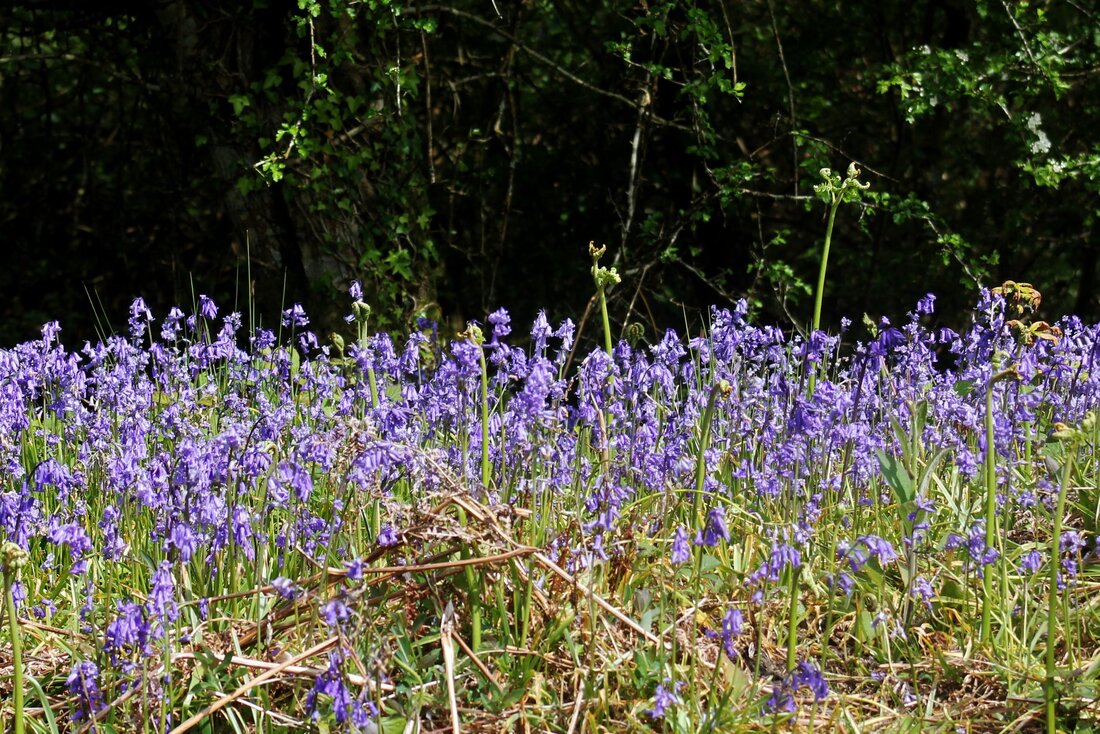

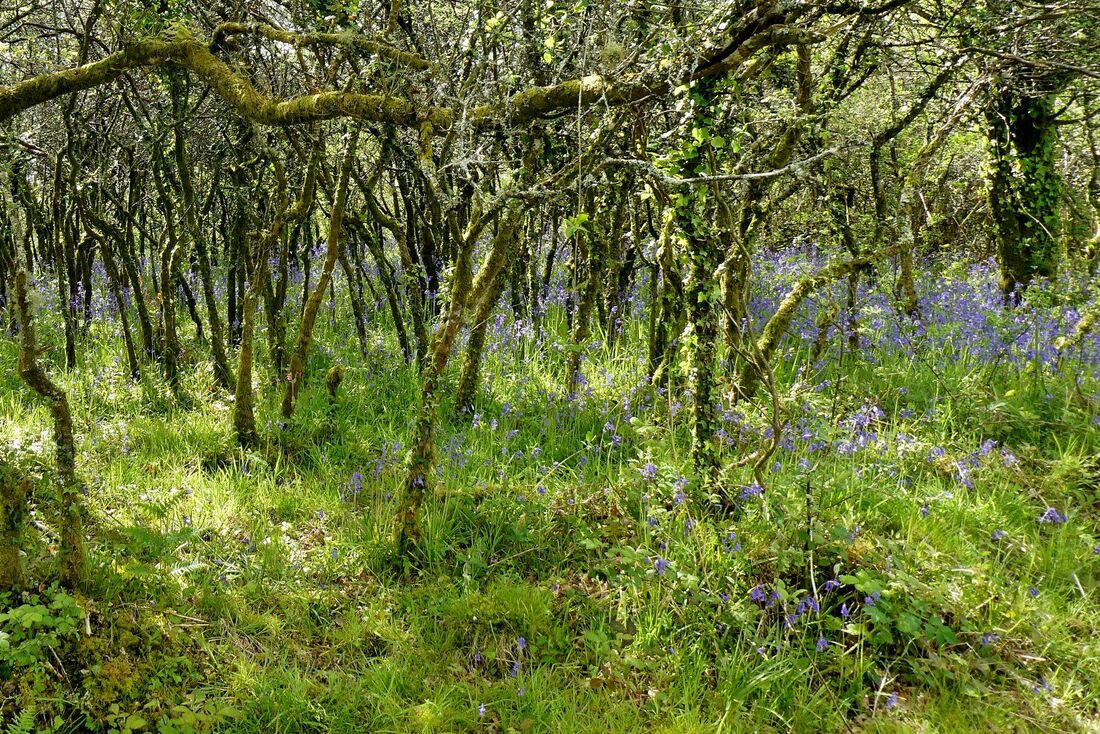
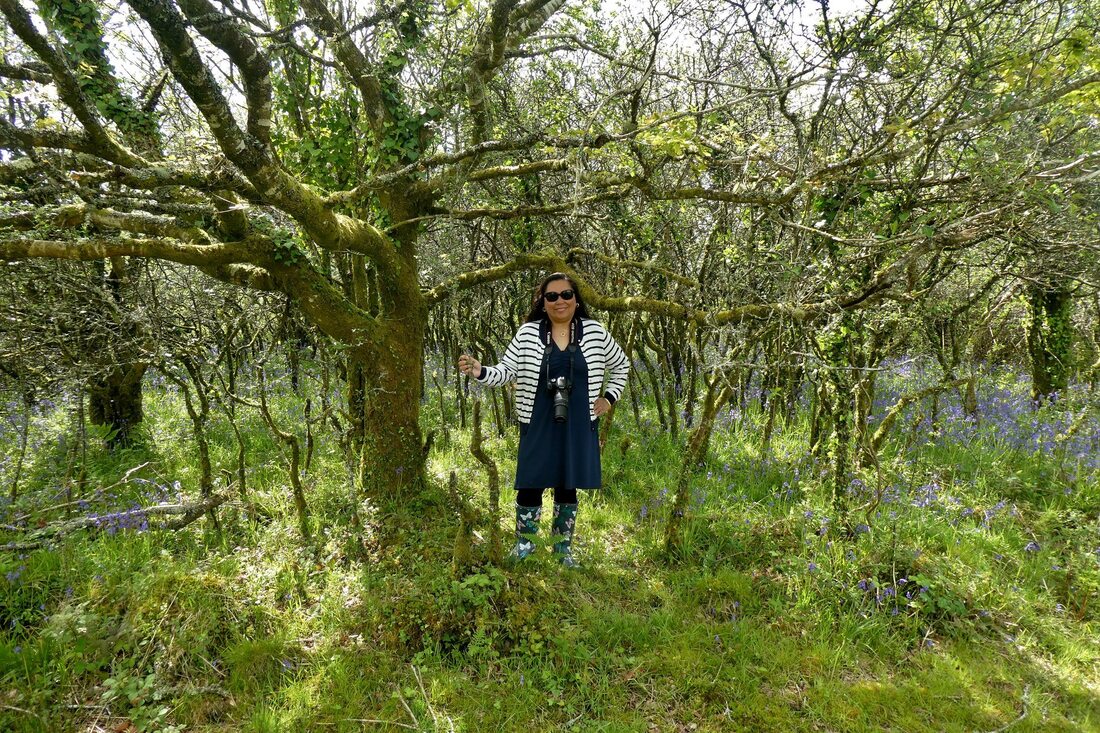
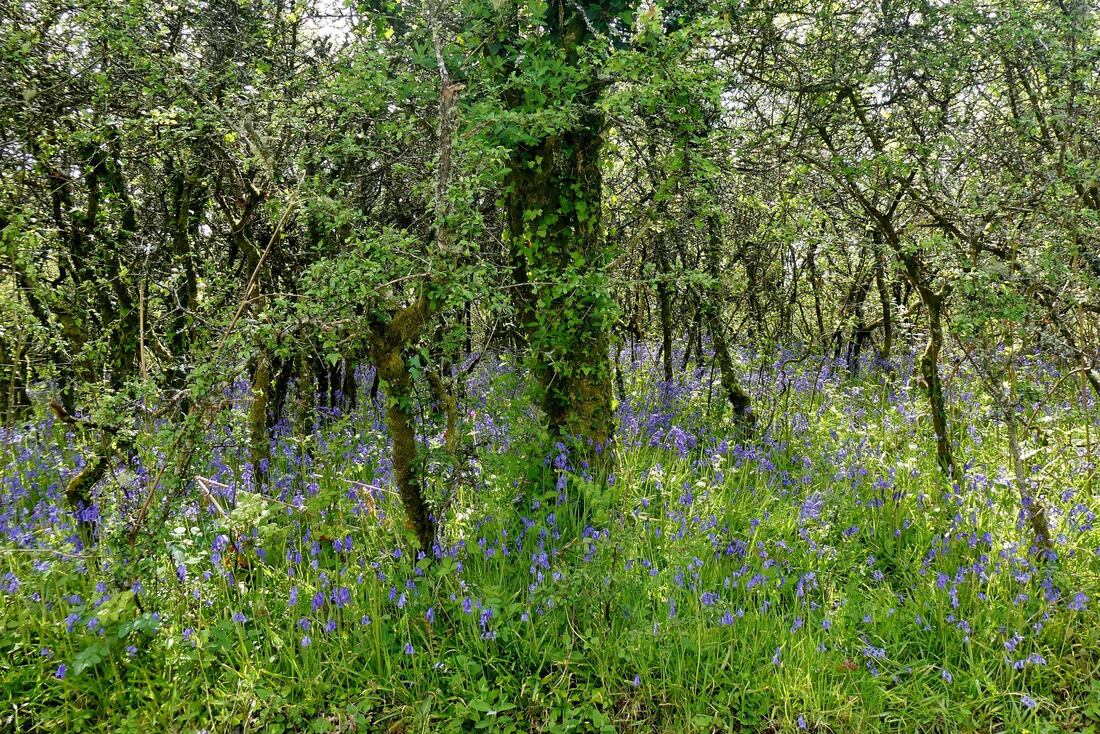

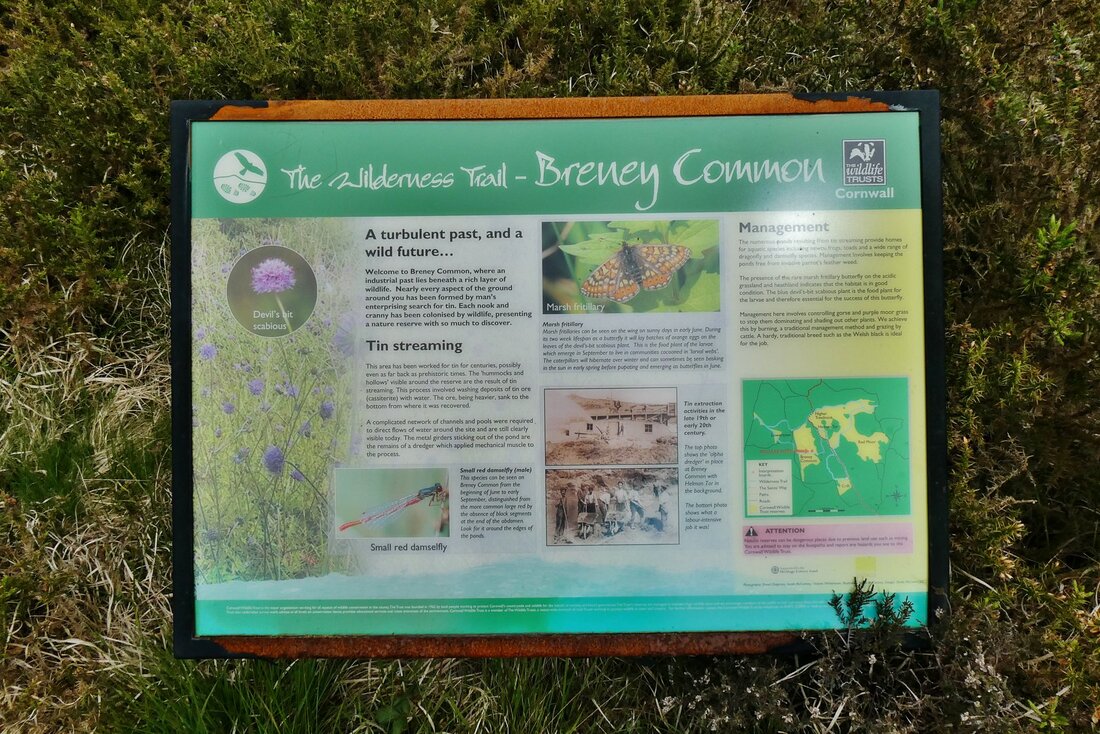
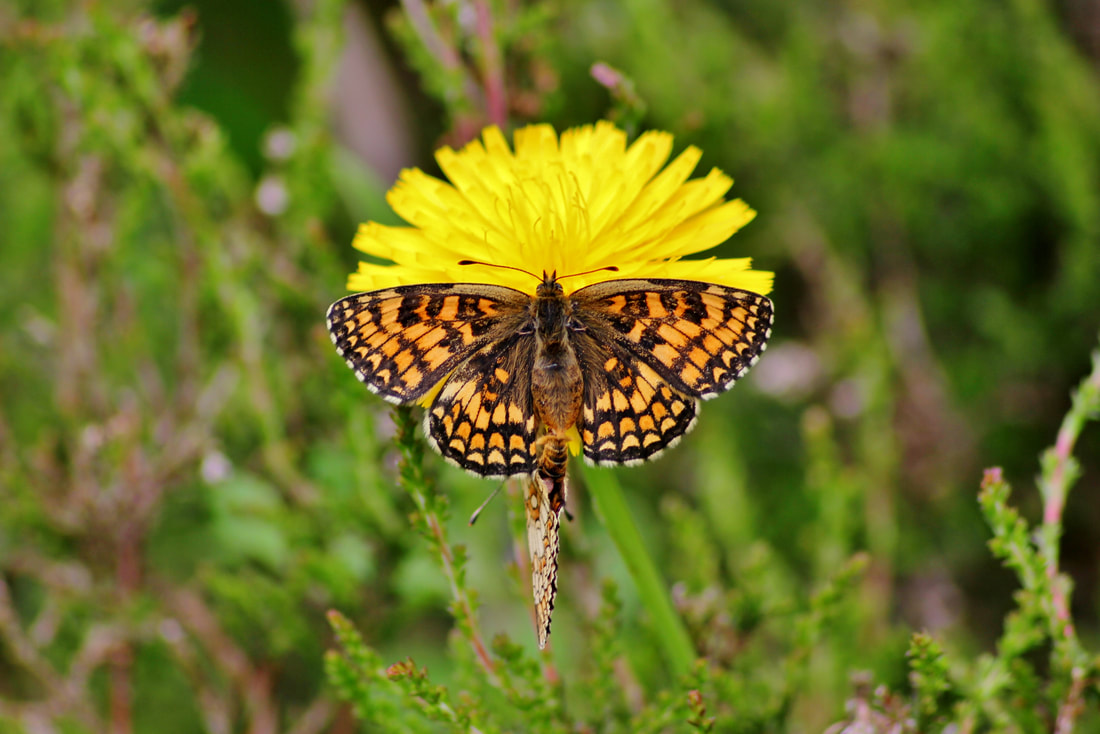
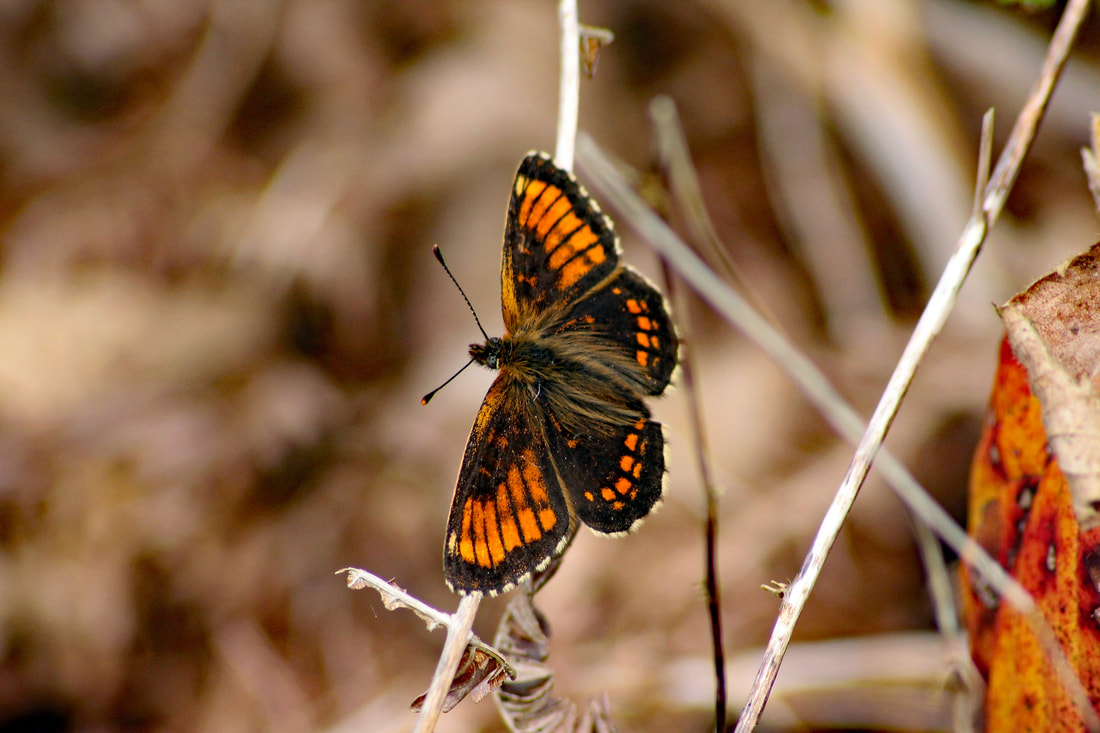
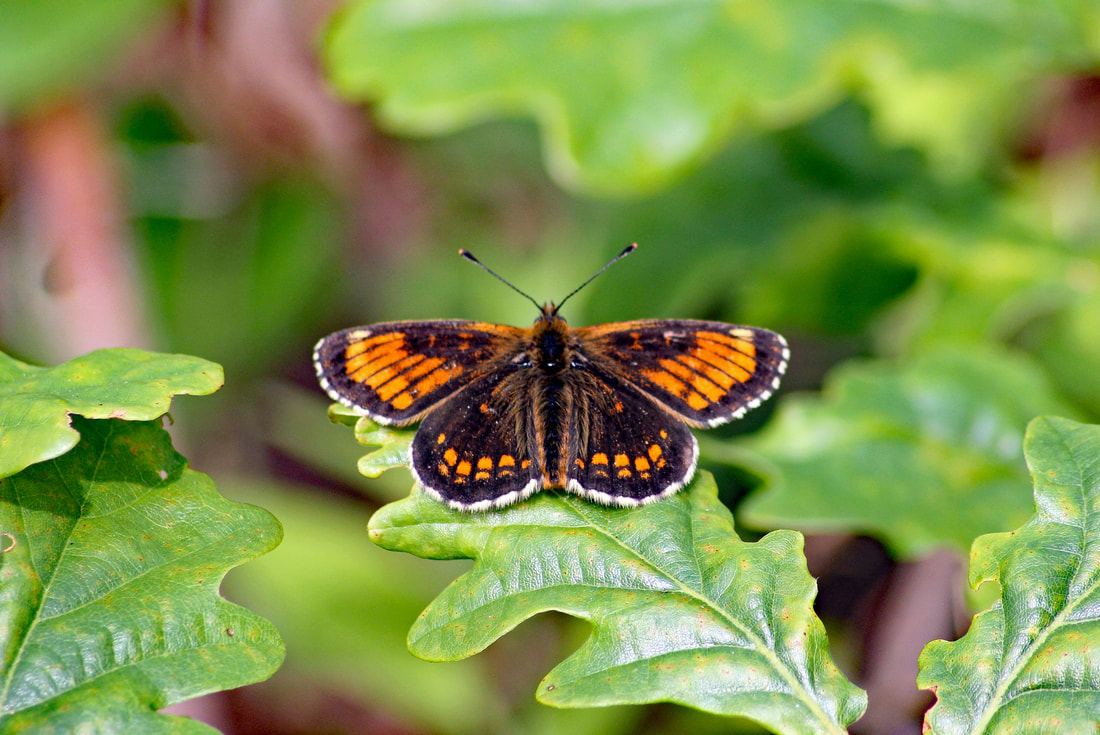
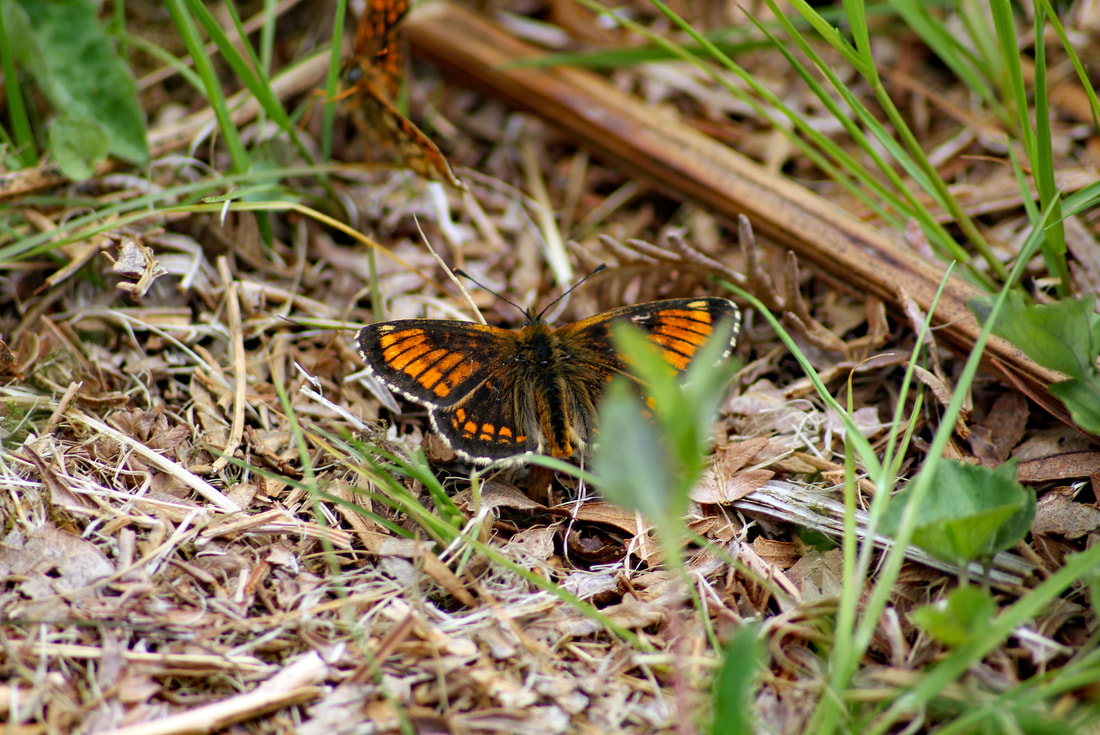
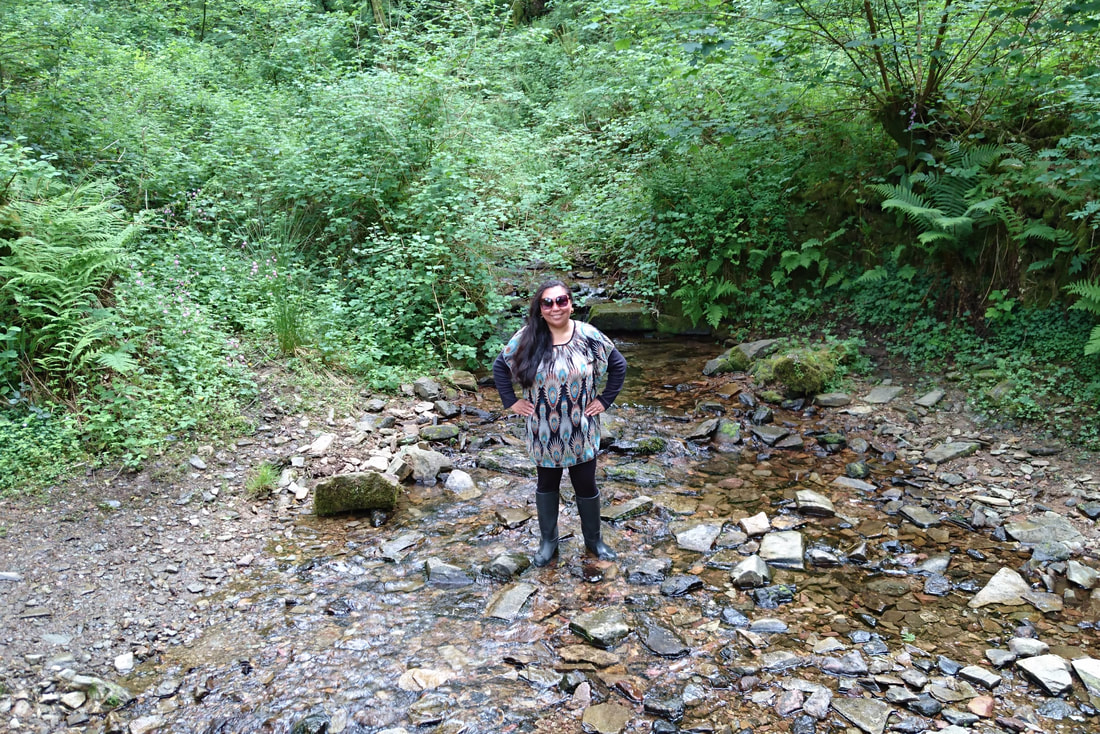
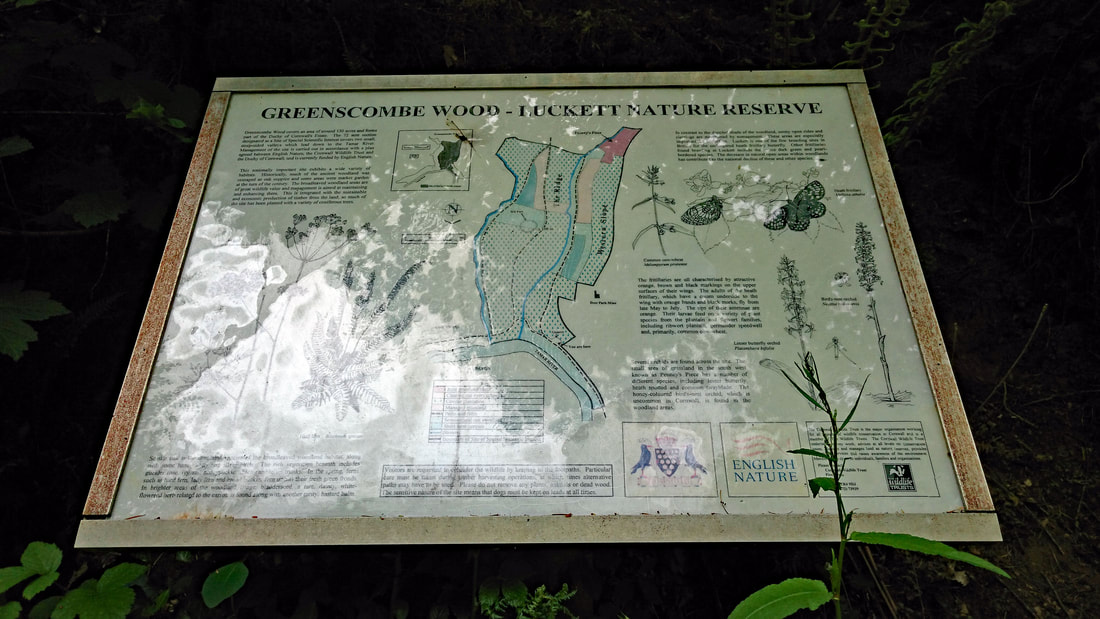
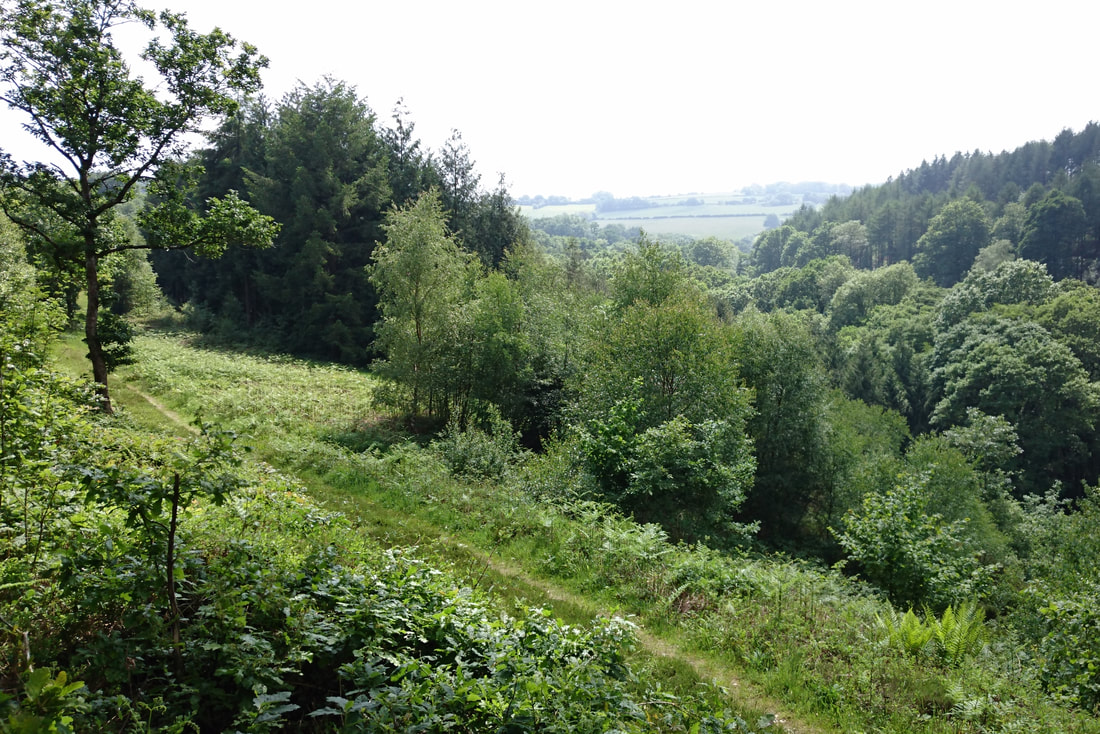
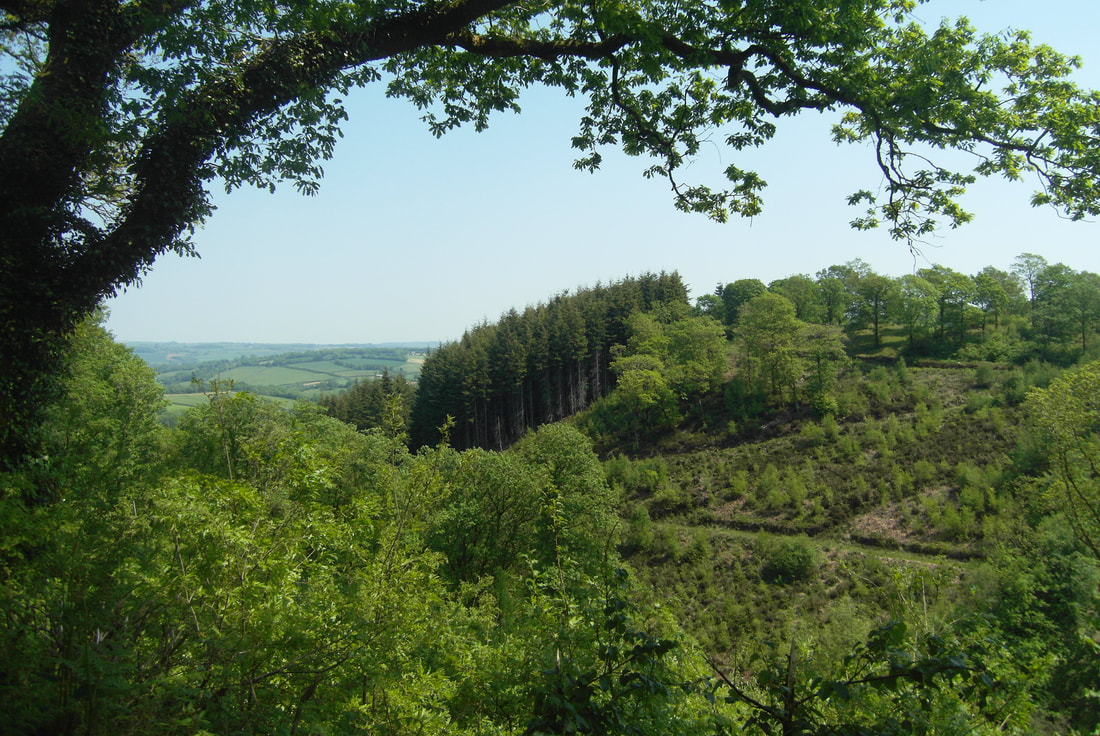
My first "Virtual Butterfly-watching in Cornwall" is in Greenscoombe Wood Luckett Nature Reserve to see the nationally rare Heath Fritillary Melicta athalia.
Would you believe, I celebrated 3 birthdays here. Even my 40th birthday. That's how special this place is. There's no place I would rather be on my special day than in the company of these gorgeous butterflies.
Long walk, steep hill, picturesque and scenic view.
Like me on Facebook: facebook.com/wildlifematters8
Follow me on Twitter: twitter.com/WildlifeMatter8
Follow me on Instagram: instagram.com/wildlifematter8

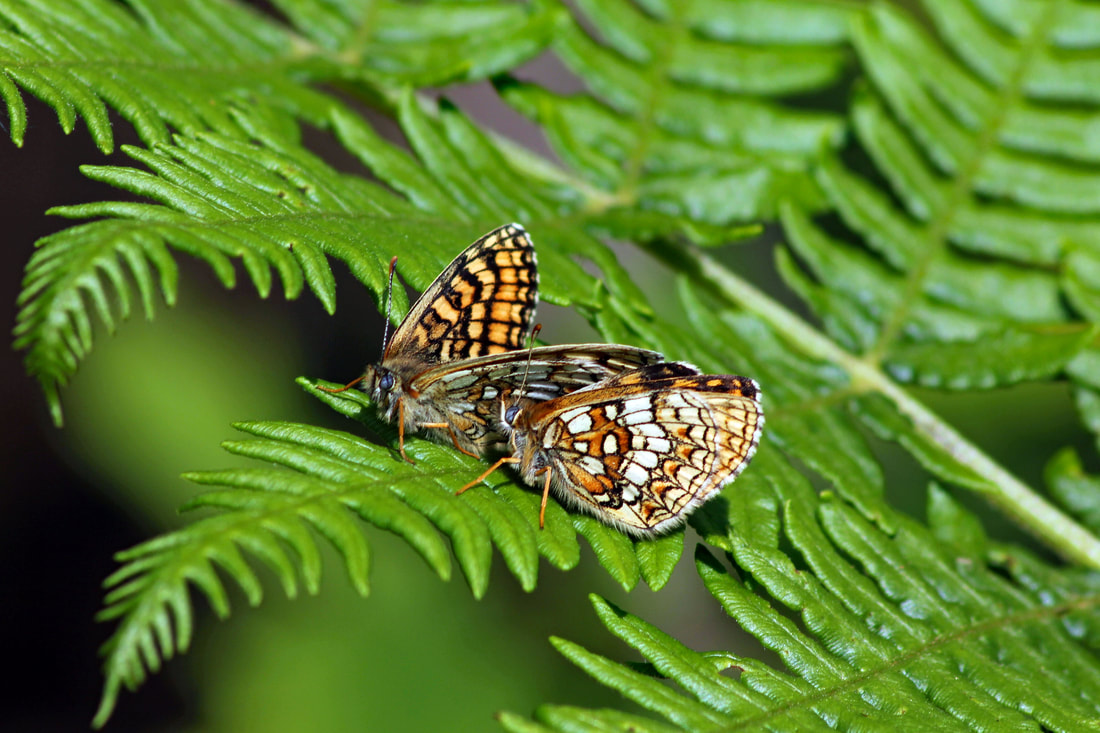
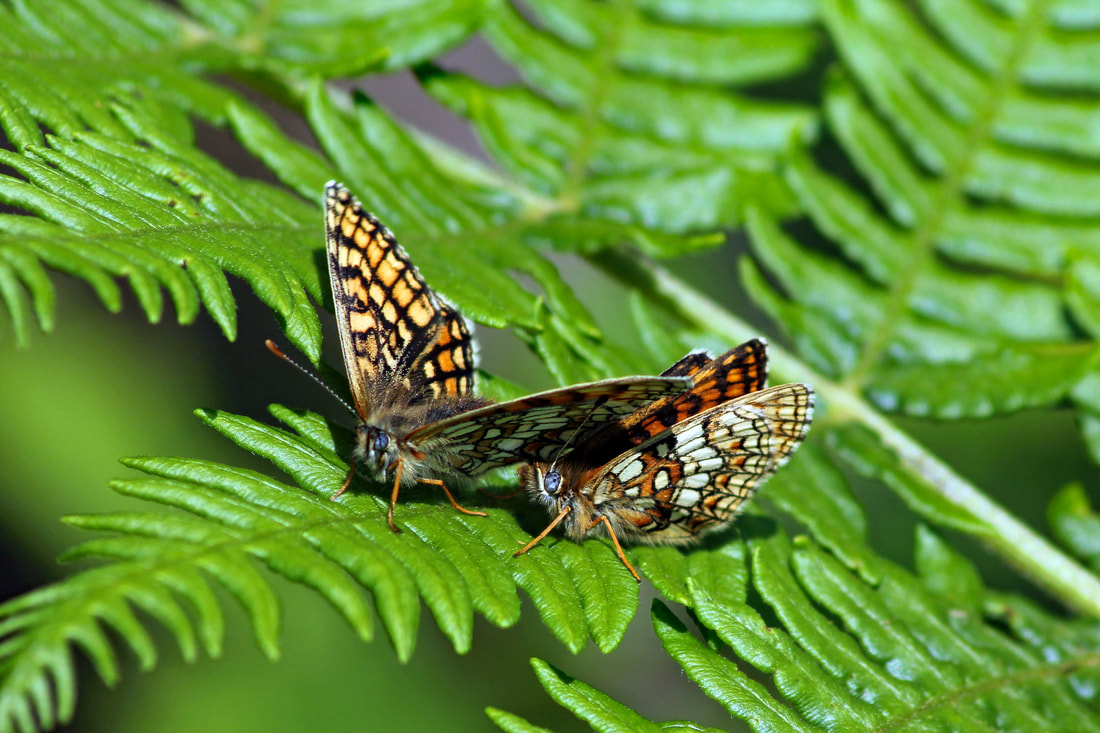
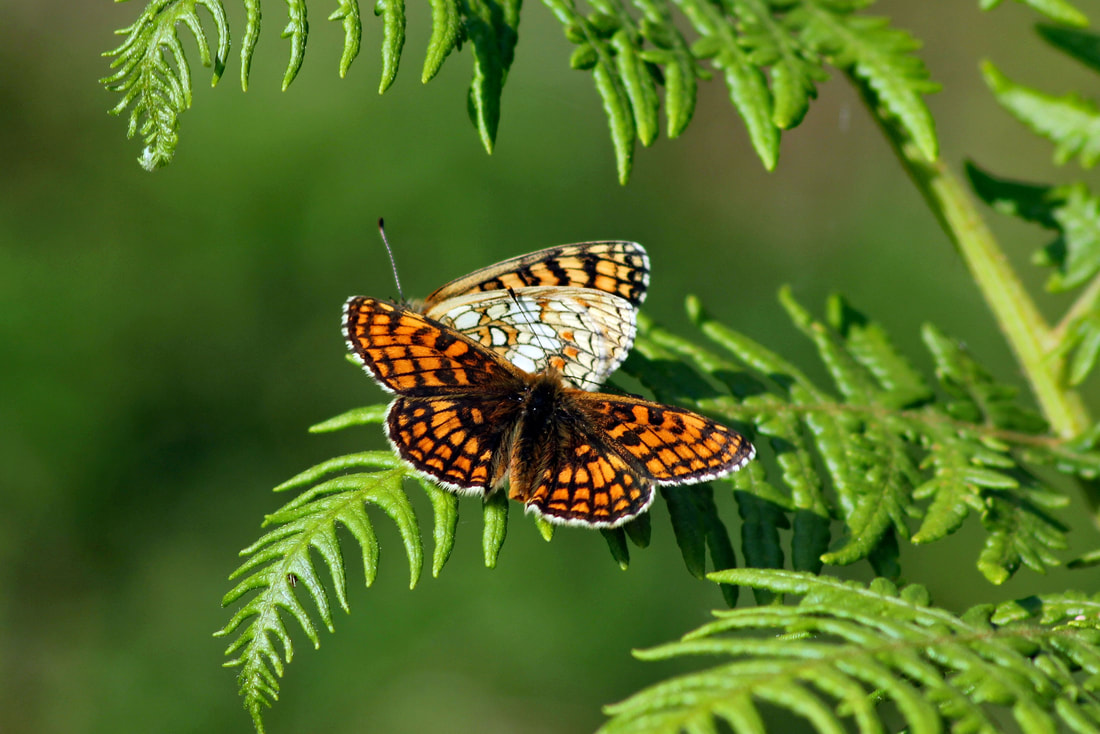

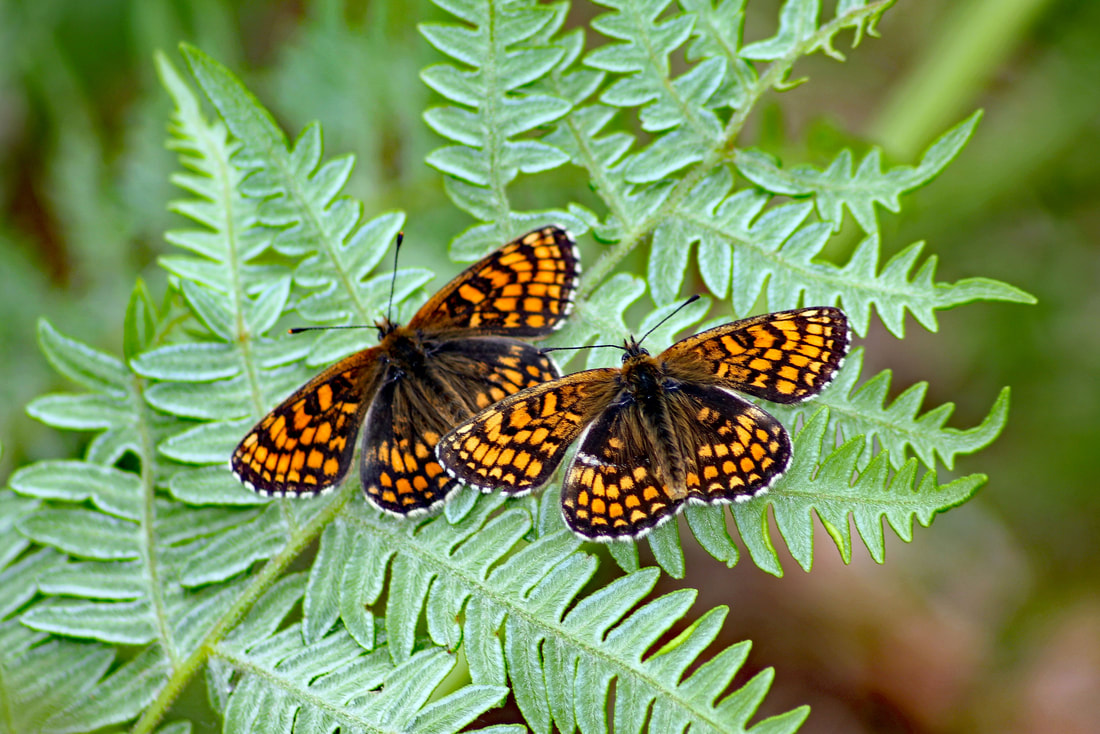
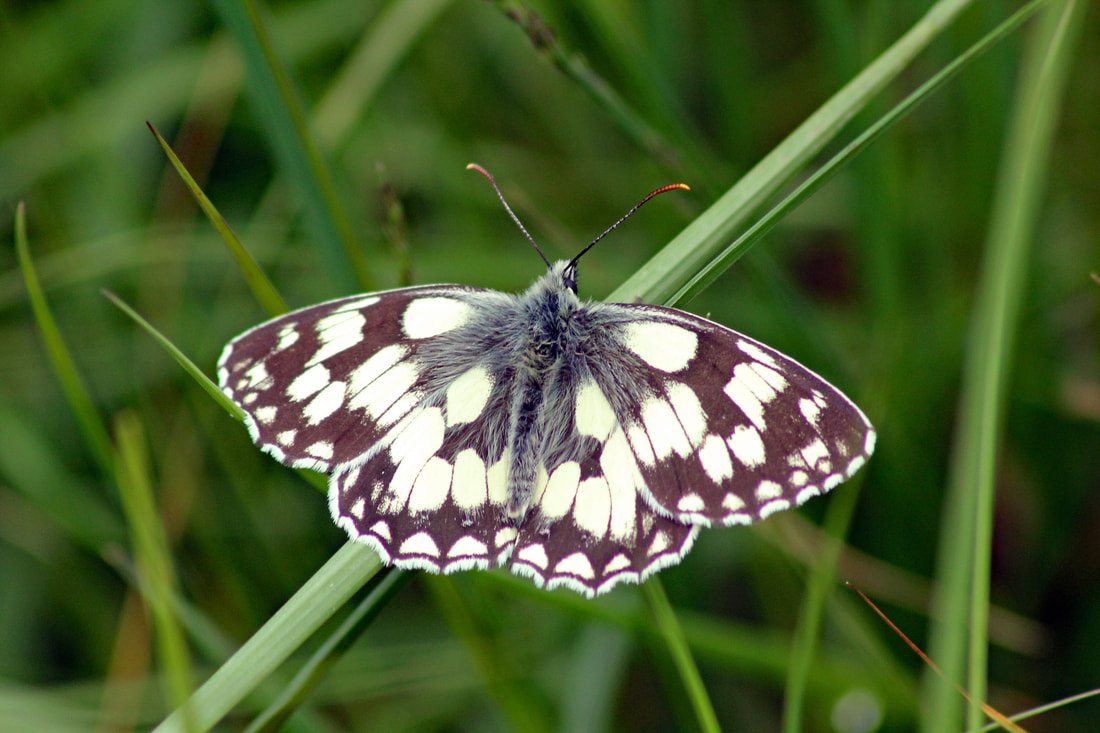
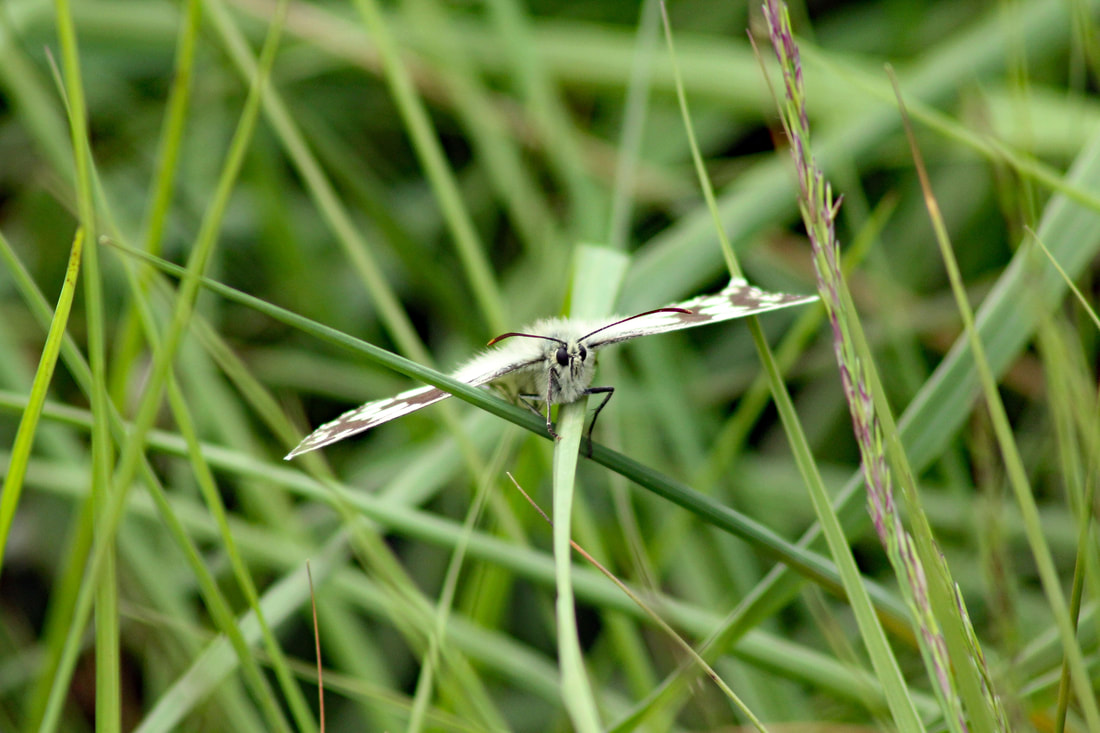
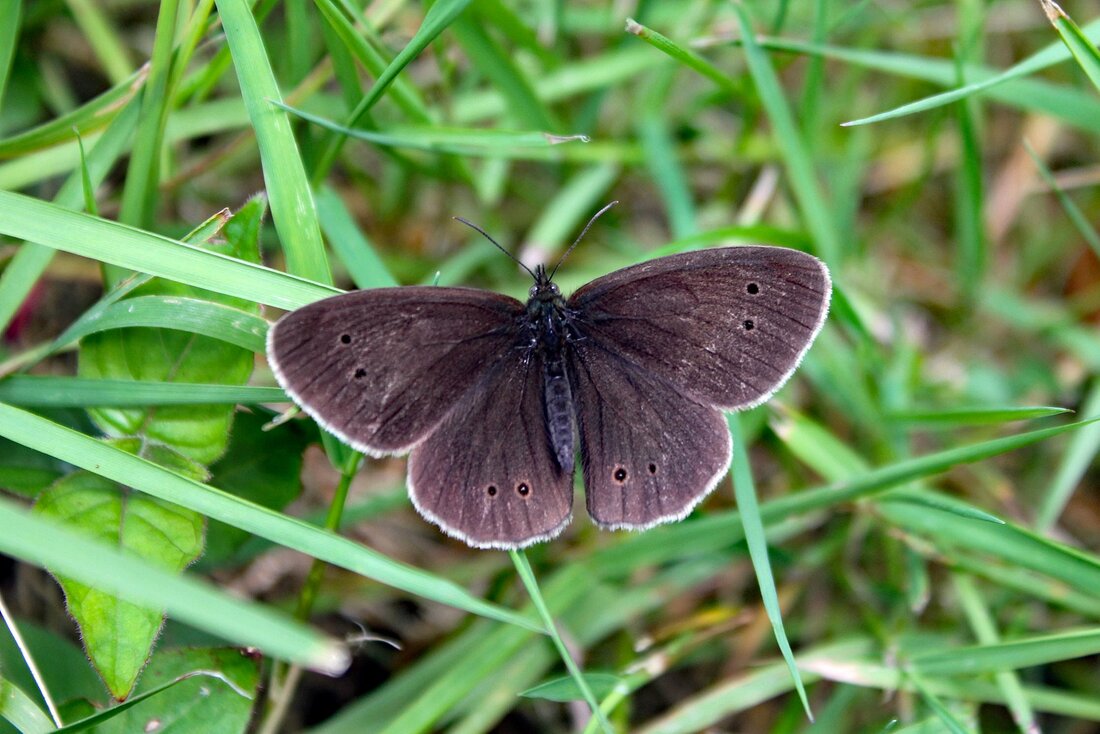

(2010 and 2011 too)



Barry’s involvement began in early 2007 when he was asked if he could take part in a programme, which would include his efforts in breeding for release, the Heath Fritillary Melicta athalia.
Barry and Tom Sleep has previously released in excess of 1500 imagines into Greenscoombe Wood where it had become extinct due to habitat deterioration over the pass 20 years. Barry’s part in 2006-2007 was to breed more adults for another release at Greenscoombe Wood and in Blanchdown Wood, which is on the Devon side of the Tamar River.
Filming started on 8 May 2007 and took two days to complete including the release at Blanchdown. The filming and interviews took place at Barry’s home in Pendoggett. The weather on the first day was fine. The second day of filming, it was pouring with rain. Not the ideal conditions for releasing butterflies.

I moved to live in Cornwall, UK in 2009. I have been living here for more than 10 years now. There's not a day that I don't miss my family and friends.
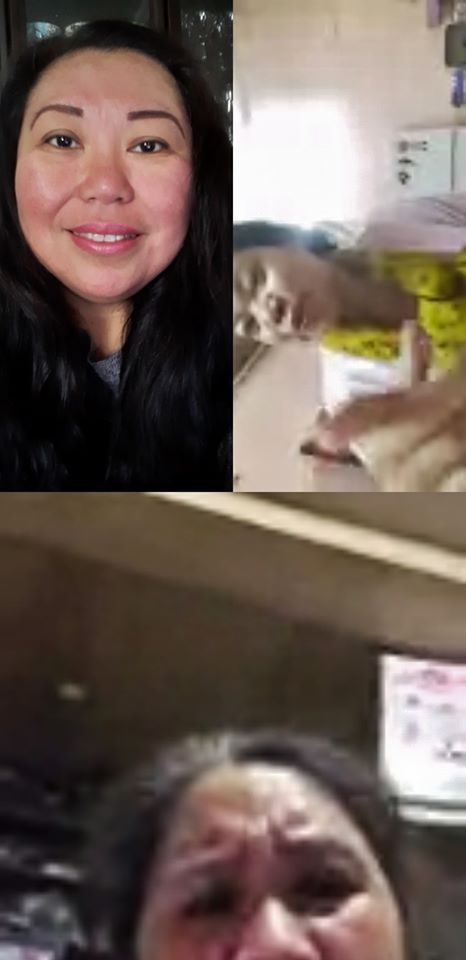
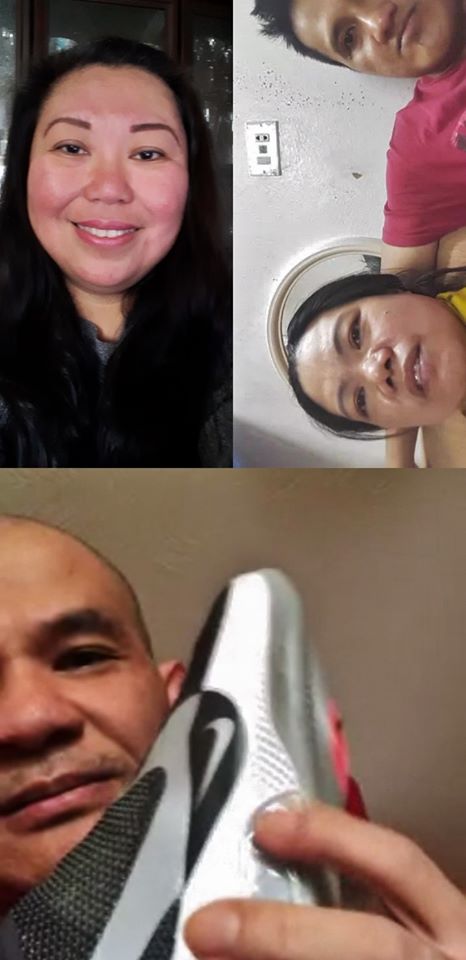
My parents lives in the Philippines. My brother Russel and his family lives in Dubai, UAE. My sister Rachel lives in Montreal, Canada. My family are scattered across the globe, in 3 continents.
My childhood bestfriends Catherine Reyes lives in Jeddah, KSA and Emerly Tiongsion in the Philippines.
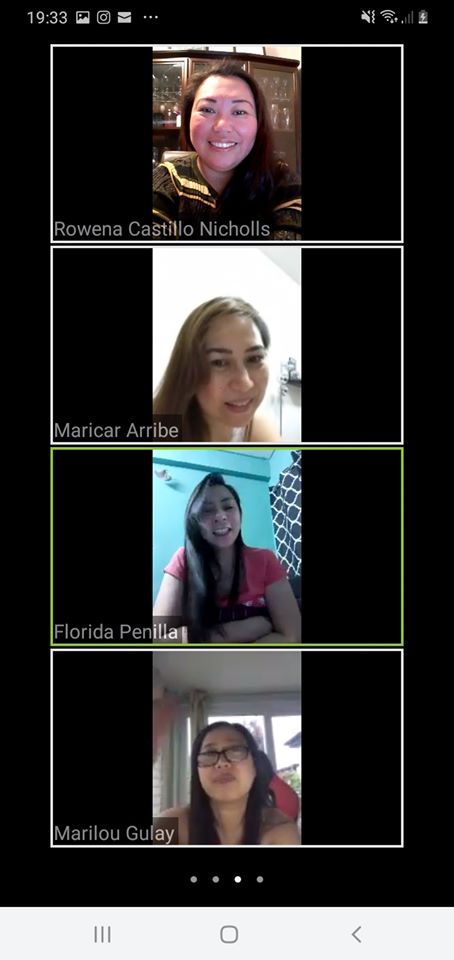
My university bestfriends Nelinda Cupino Buazon lives in USA and Liezl Manaloto Ceballos in the Philippines. Marilou Gulay Bostock lives in Walton on the Naze, Rachel Yumul in Italy, Ethel Dimayuga Roberto in USA, Maricar Arribe in UAE, Estelman Datu Mamadra in UAE, Florida Penilla in UAE, Myrna Samson Lazareto in the Philippines, Mylah Quintos in Australia and many more...
At the moment, I'm using Facebook Messenger and Google Hangouts Meet to communicate with my family; Facebook Messenger with my childhood friends; Facebook Messenger and Zoom with my university friends.
Since the coronavirus pandemic (COVID-19) outbreak, the importance of Virtual Communication and Social Media became more apparent. With the "lockdown" and "social distancing", we have been using virtual communication for chatting with family and friends, office and club meetings and others. Social Media is a great way to share important information, news and updates.
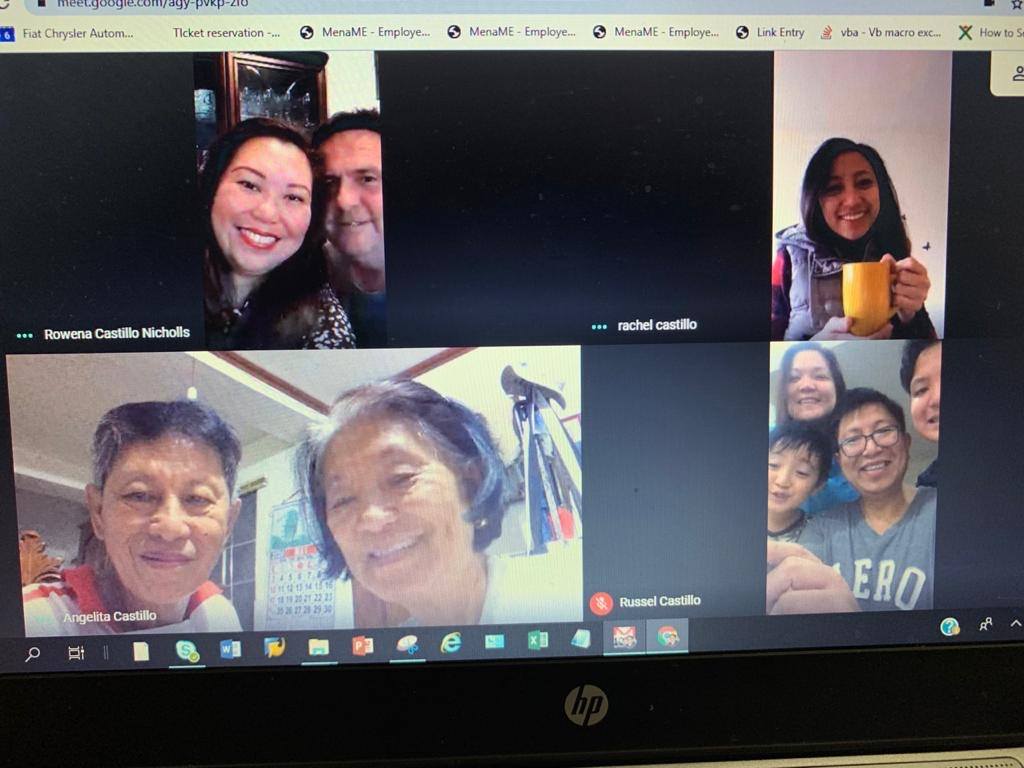
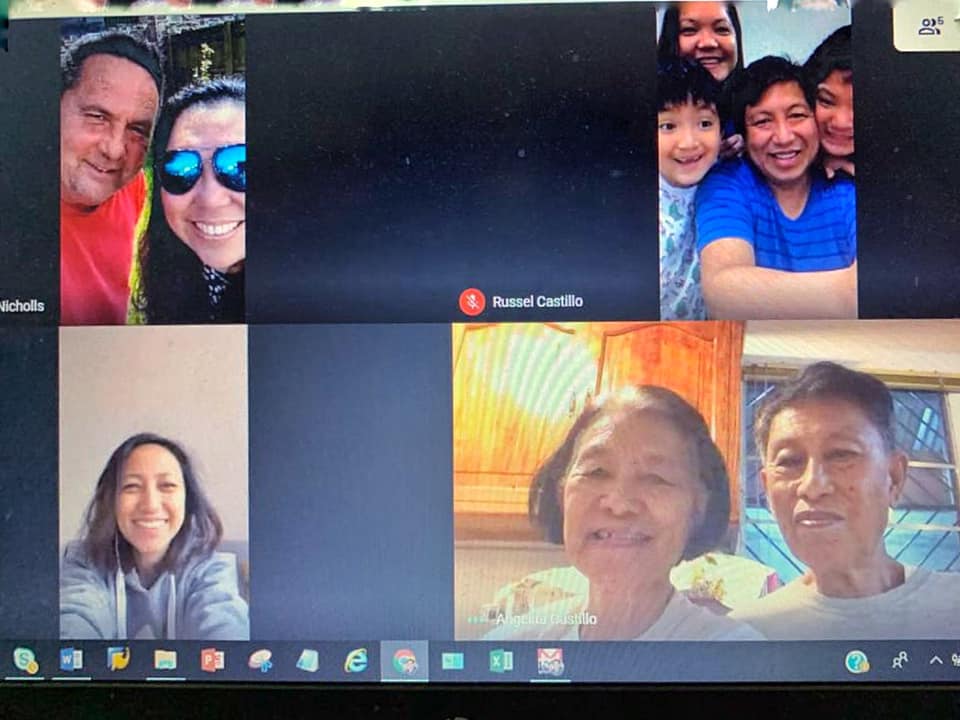
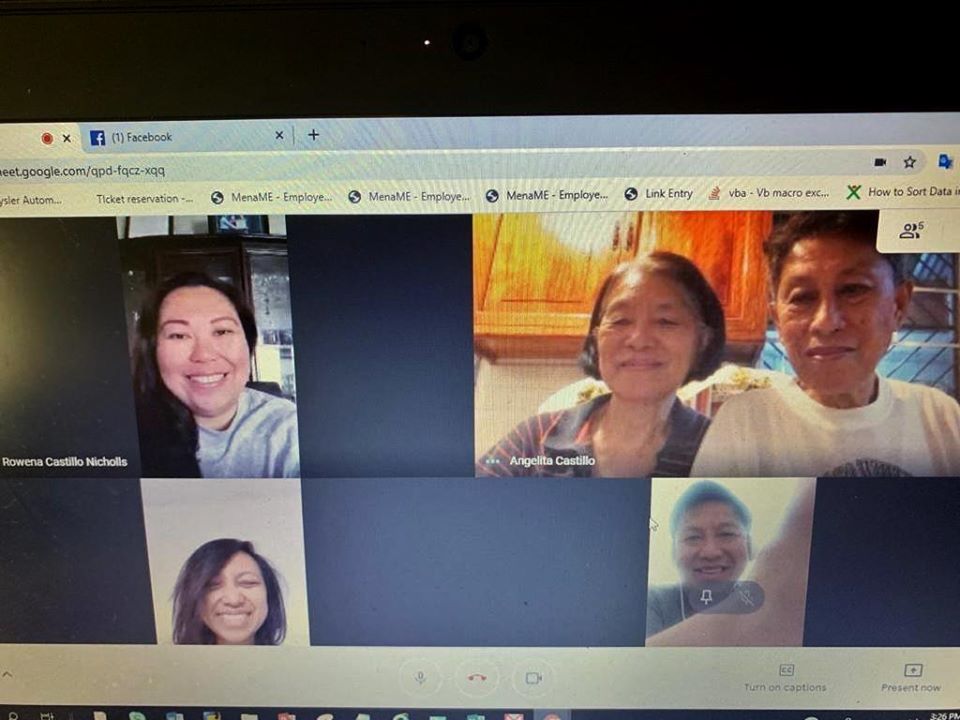
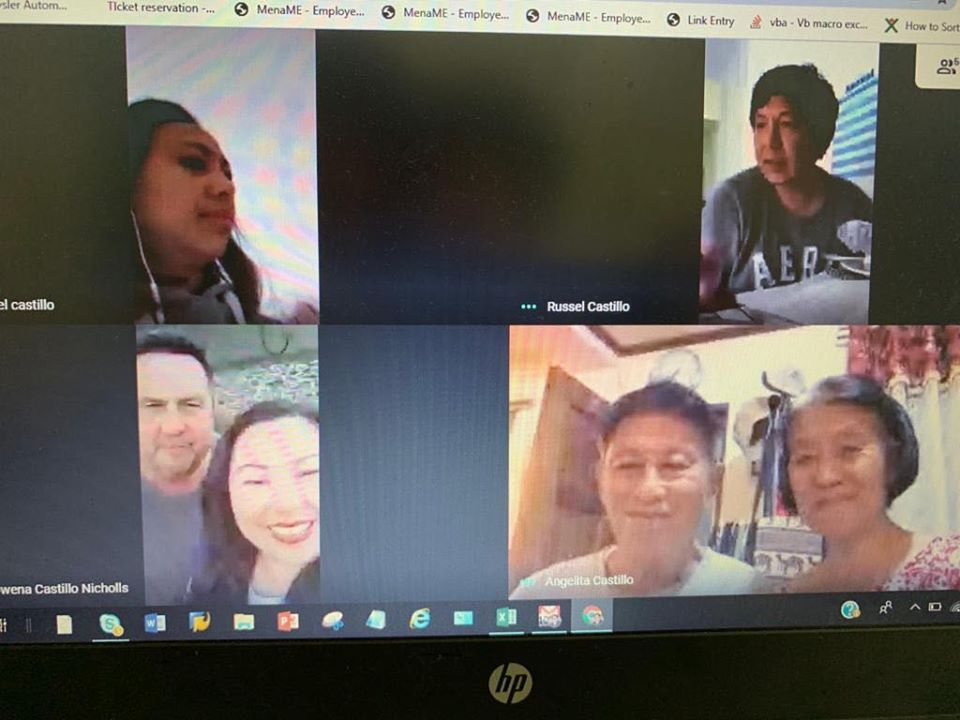
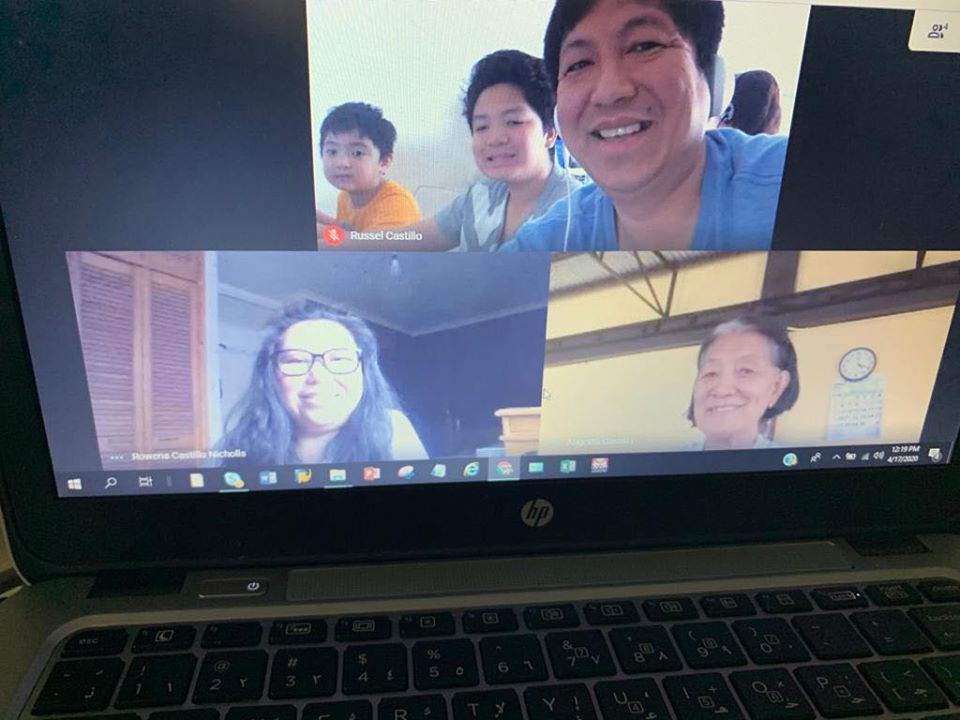
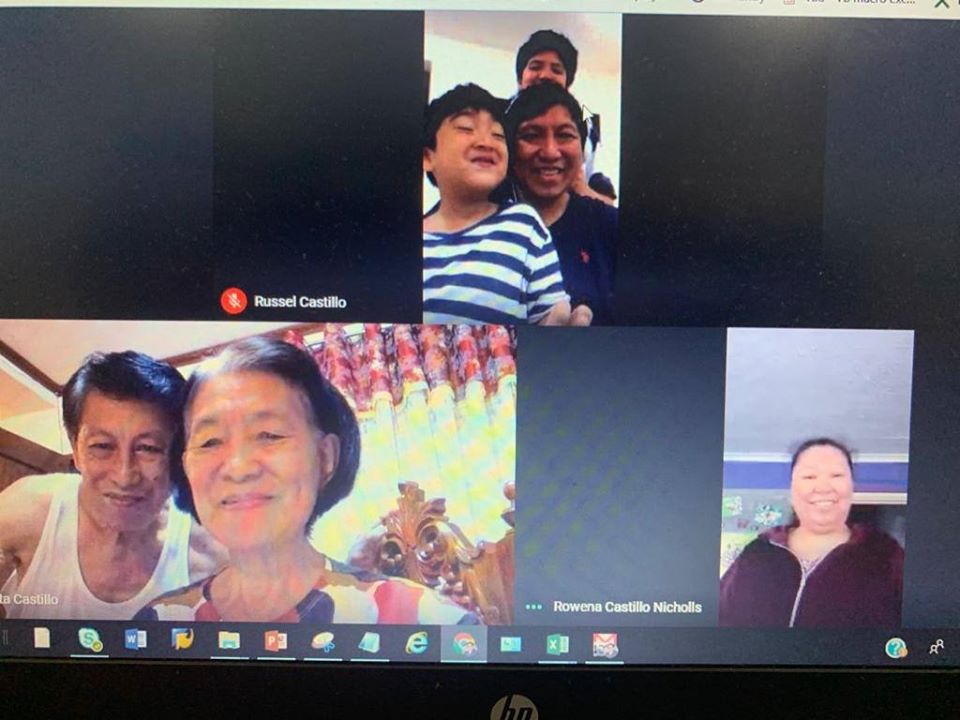
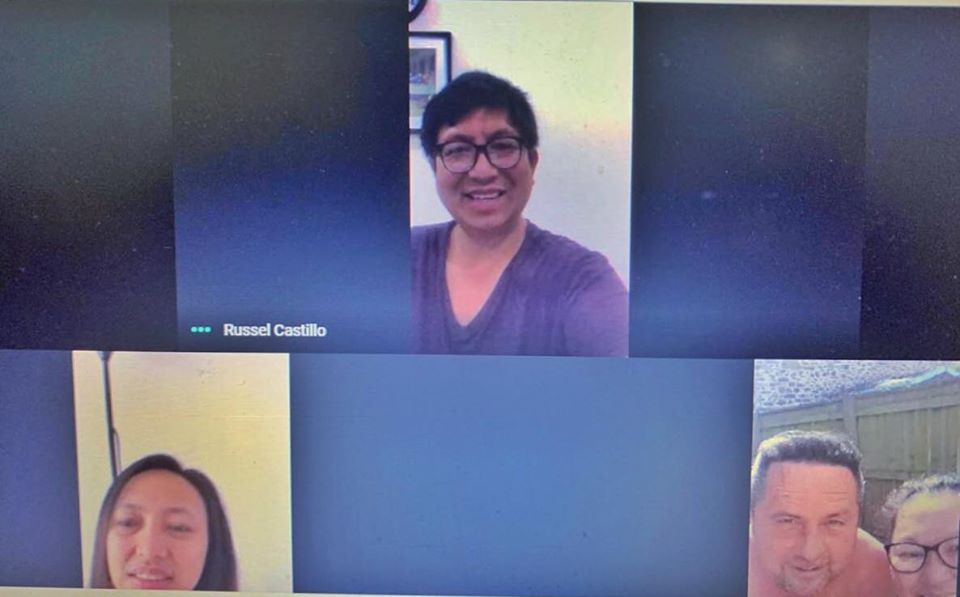
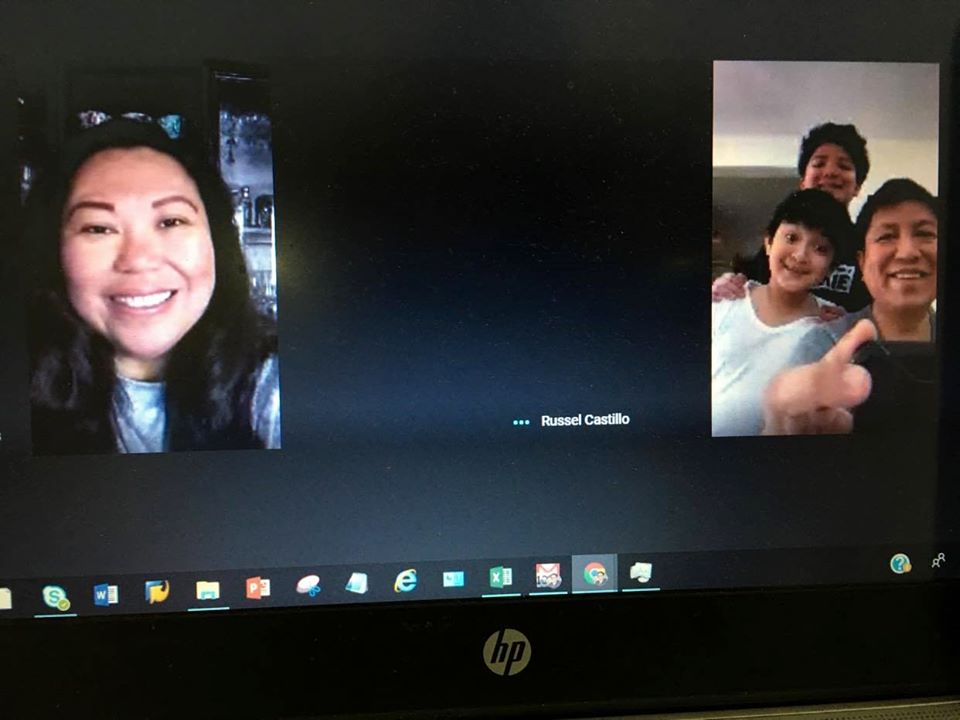
mommy Angie and daddy Leon (Philippines)
Me and Rob (UK)
brother Russel, sis-in-law Myla, nephew Gabriel Angelo and Miguel Angelo (UAE)
sistah Rachel (Canada)
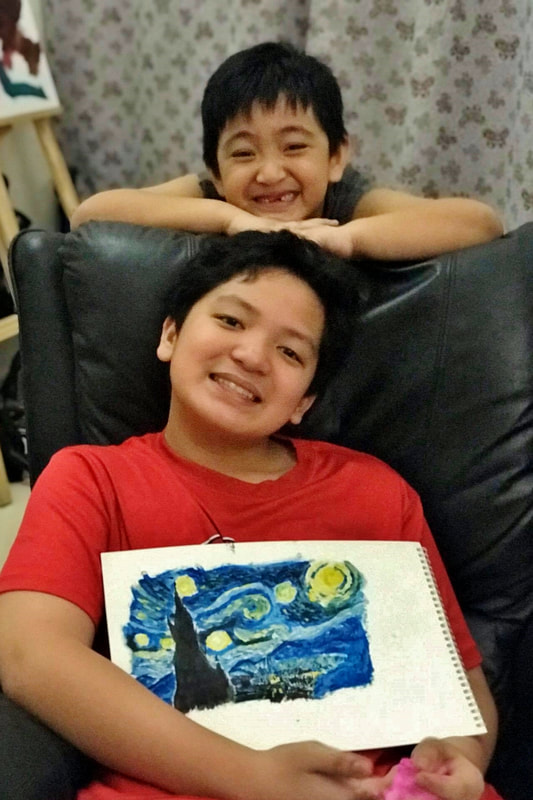 | 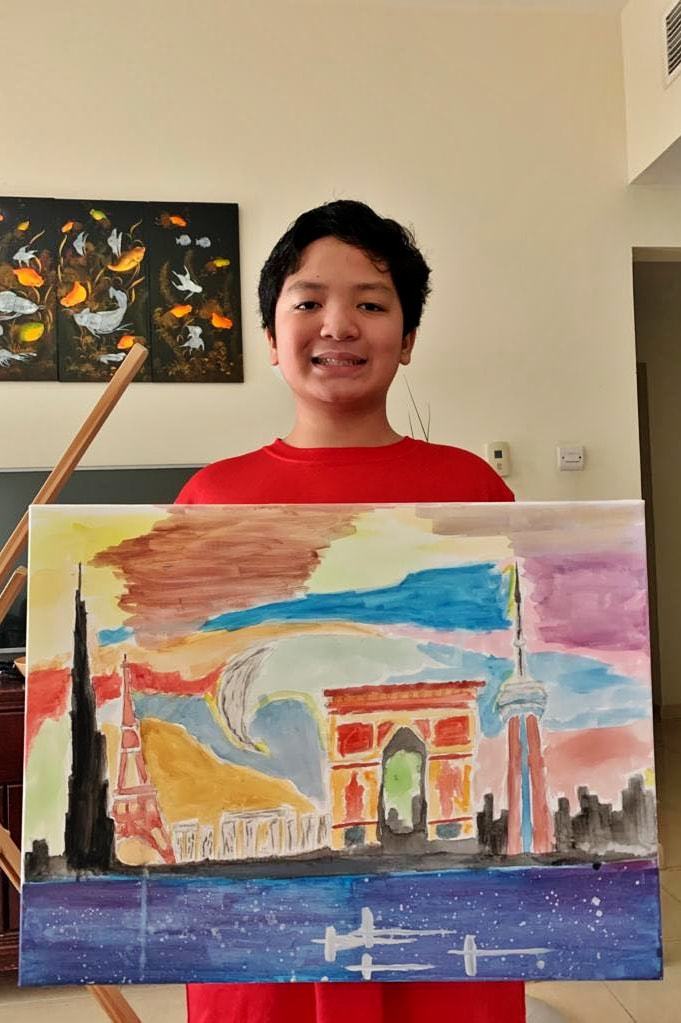 |
Whenever my brother send me photos and videos of my 2 smart and adorable nephew Gabriel Angelo and Miguel Angelo, my heart is very happy. I watched their videos a dozen times. Gabriel and Miguel are very creative and artistic. Their paintings and sketches are excellent. They are also a brilliant film maker and video editor. They are also a good dancer, singer and video player. Multi-lingual too. They speak English, Arabic and French. These 2 boys brings sooo much joy to our family.
 |  |
Catherine Reyes (KSA) and Emerly Tiongson de Jesus (Philippines)
 |  |
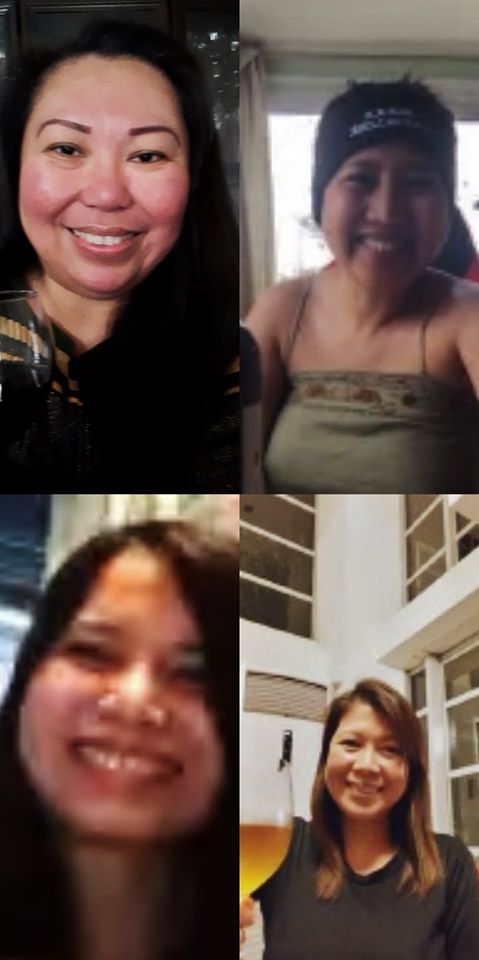 | 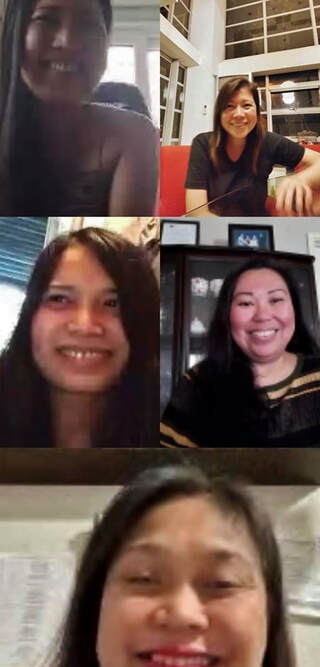 |
Nelinda Cupino Buazon (USA), Liezl Manaloto Ceballos (Philippines),
Malu Gulay Bostock (UK), Rachel Yumul (Italy),
Maricar Arribe (UAE), Florida Penilla (UAE),
Ethel Dimayuga Roberto (USA)
Not in Photo
Estermal Datu Mamadra (UAE), Mylah Quintos Masa (Australia),
Myrna Samson Lazareto (Philippines)
I love taking photos of beauty and wonder of nature and wildlife. I love going out for a walk around the spectacular and picturesque countryside of Cornwall.
I will keep on posting and sharing my photos with my family and friends. I enjoy doing it and I am happy. I really enjoy looking at the photos of my friend and family too.
I will continue using Social Media and I am really grateful to the founders of all these amazing companies because it keep us connected with our family and friends.
Follow me on Twitter: twitter.com/ilovecornwall8
Follow me on Instagram: instagram.com/ilovecornwall8
Like me on Facebook: facebook.com/wildlifematters8
Follow me on Twitter: twitter.com/WildlifeMatter8
Follow me on Instagram: instagram.com/wildlifematter8
Like me on Facebook: facebook.com/cornwallmatters8
Follow me on Twitter: twitter.com/CornwallMatter8
Follow me on Instagram: instagram.com/cornwallmatter8
A pasty is a baked pastry, a traditional variety of which is particularly associated with Cornwall. It is made by placing an uncooked filling, typically meat and vegetables, on one half of a flat shortcrust pastry circle, folding the pastry in half to wrap the filling in a semicircle and crimping the curved edge to form a seal before baking.
The traditional Cornish Pasty, which since 2011 has Protected Geographical Indication (PGI) status in Europe, is filled with beef, sliced or diced potato, swede (turnip) and onion, seasoned with salt and pepper, and baked. Today, the pasty is the food most associated with Cornwall. It is regarded as the national dish and accounts for 6% of the Cornish food economy. Pasties with many different fillings are made and some shops specialise in selling all sorts of pasties.
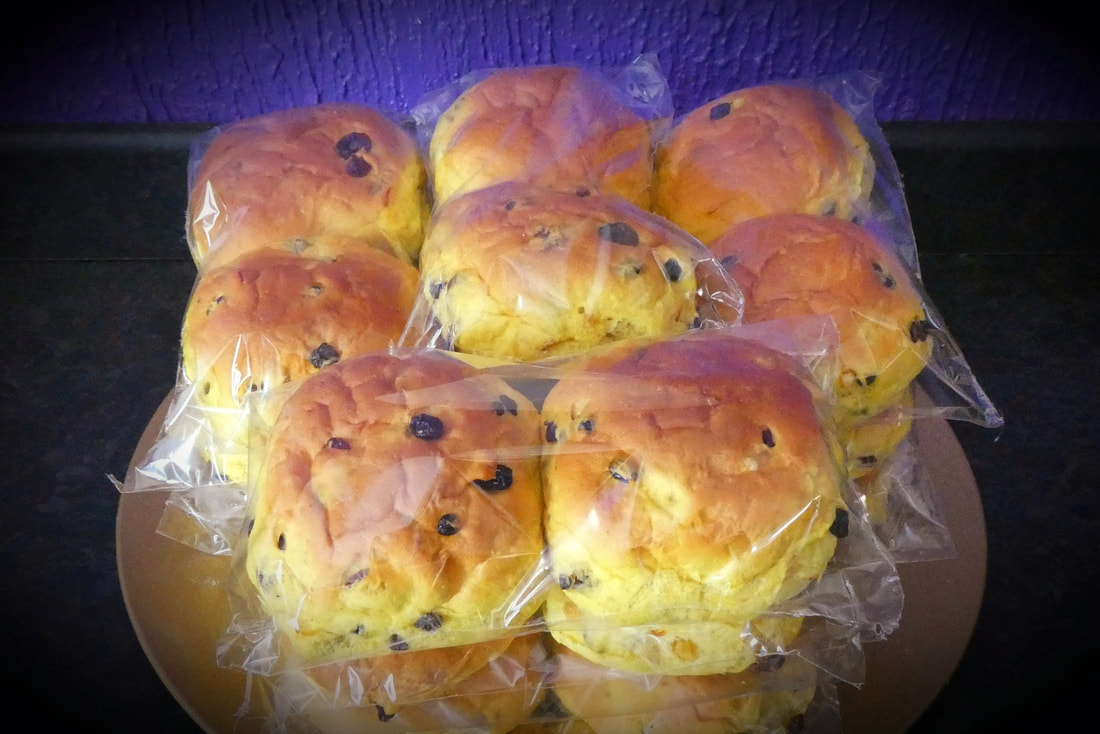
A Saffron Bun, Cornish tea treat bun or revel bun, is a rich, spiced yeast-leavened sweet bun that is flavoured with saffron and contains dried fruit including currants and raisins similar to a teacake. The main ingredients are plain flour, butter, yeast, caster sugar, currants and sultanas.
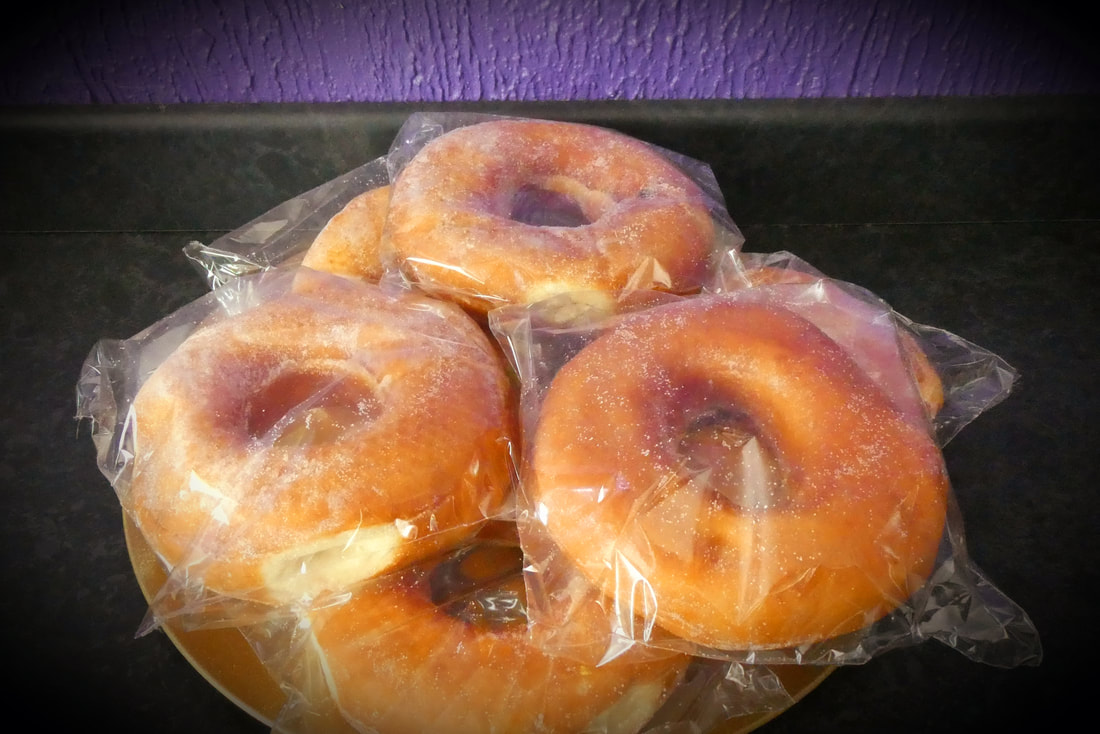
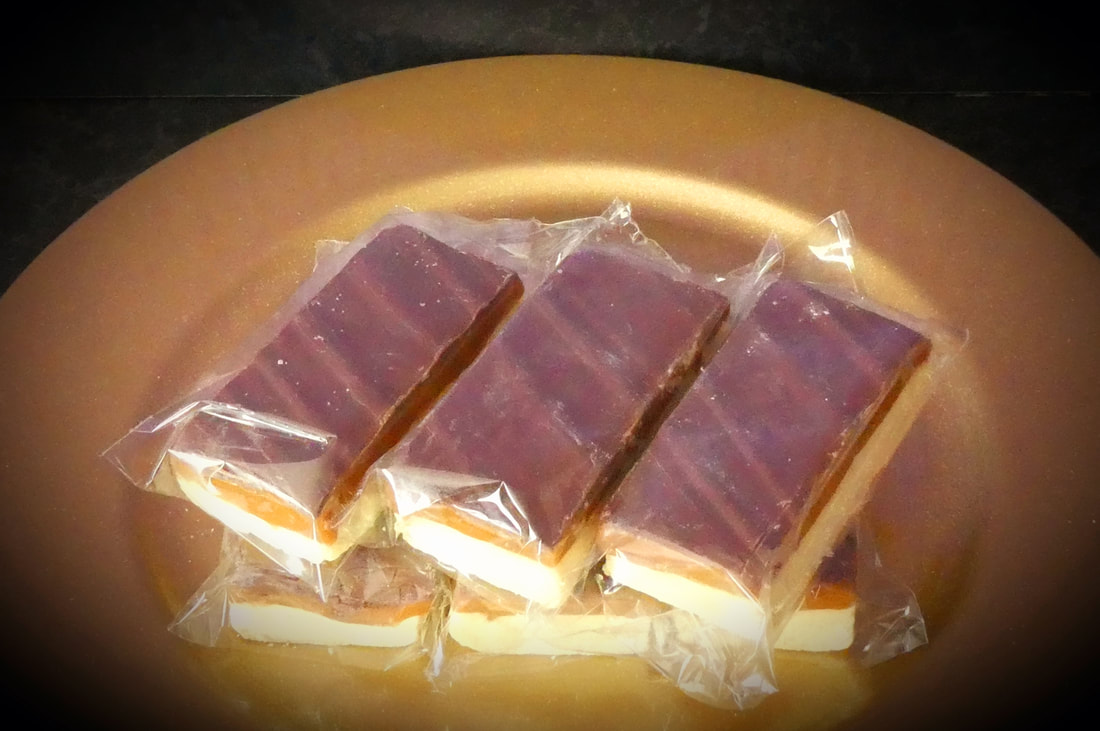
At times like this, especially when you're self-isolating coz you're high risk and working from home, you got to have a little bit of indulgence. I'm really grateful to Chloe and Nile's Bakery for delivering this treat.
What are you waiting for? Order yours now!
Nile's Bakery
Telephone No: 07432 264 537
Website: restaurantwebexperts.com/NilesBakery
Facebook Page: www.facebook.com/Niles-Bakery-1449564778684768
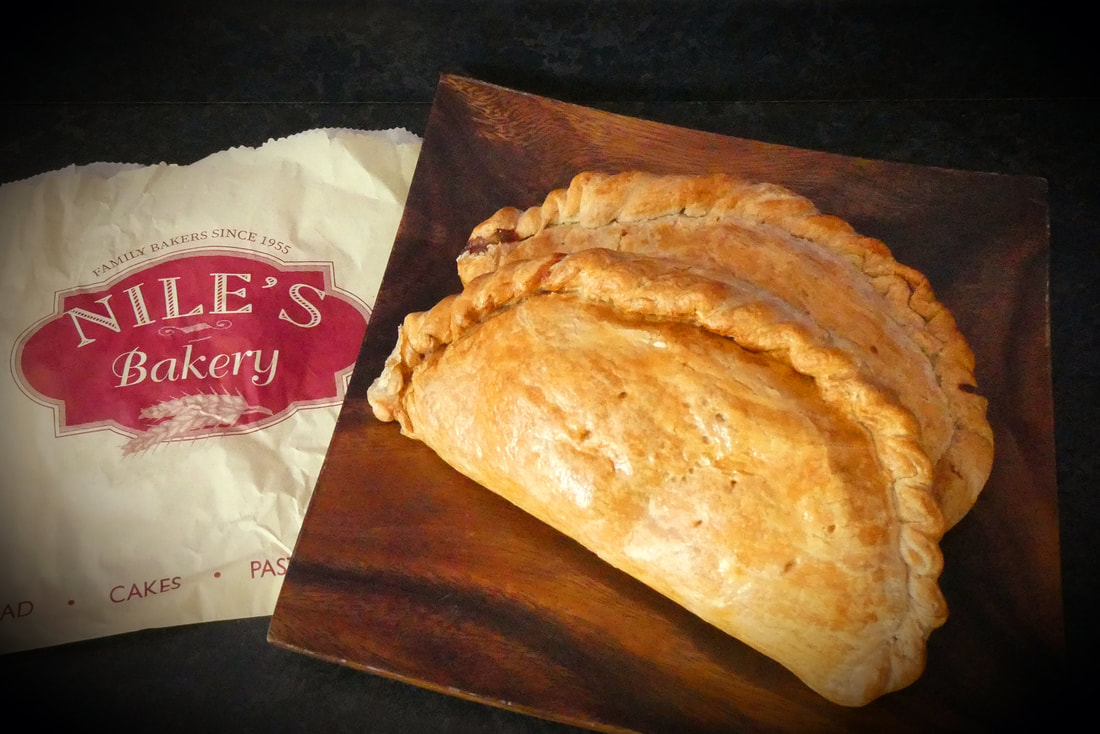
This pasty is simply the best. It's sooo delicious. Just cooked to perfection.
In 1992, she move to SA Genova to be with her mother. Rachel has an 18 year old son, handsome boy named Pierre.
Fast forward, it's now 2020 and we are all in lockdown due to the coronavirus pandemic. We have been chatting with our others friends in ZOOM and MESSENGER.
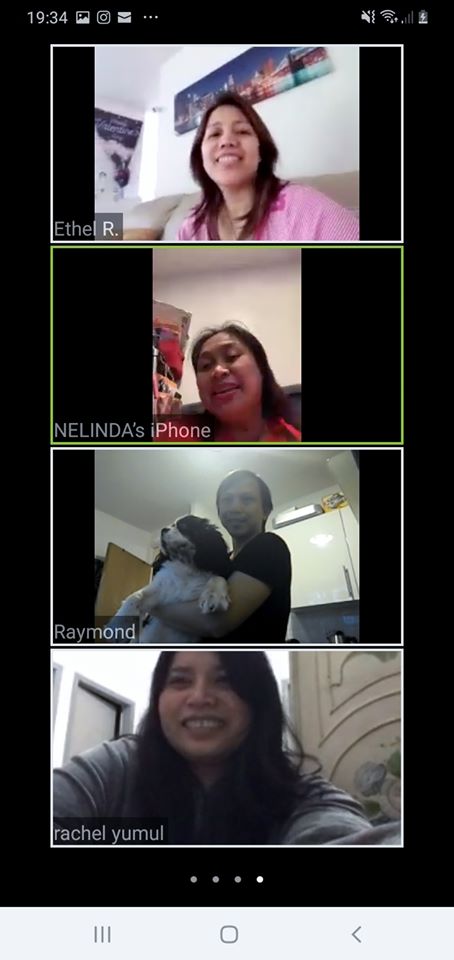
26 April 2020, we were in ZOOM with the following: Me (Cornwall), Rachel Yumul (Genova), Dr Florida Penilla (Dubai) and Dr Malu Bostock (Walton on the Naze).
27 April 2020, we were in MESSENGER with the following: Me (Cornwall), Rachel Yumul (Genova), Dr Nelinda Cupino Buazon (California) and Dr Malu Bostock (Walton on the Naze).
It's really great to reconnect and catch up with old friends.
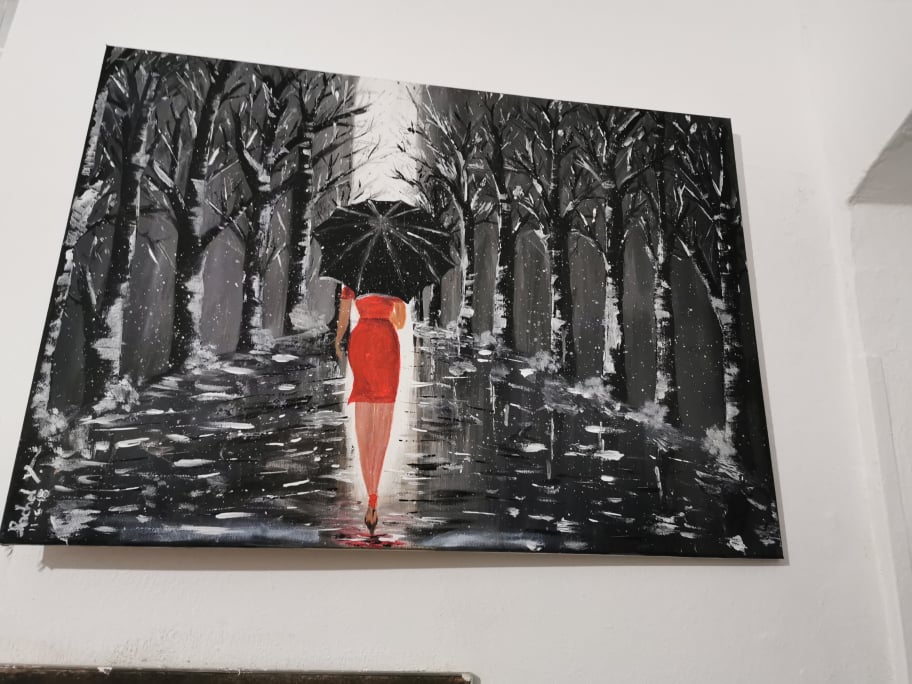
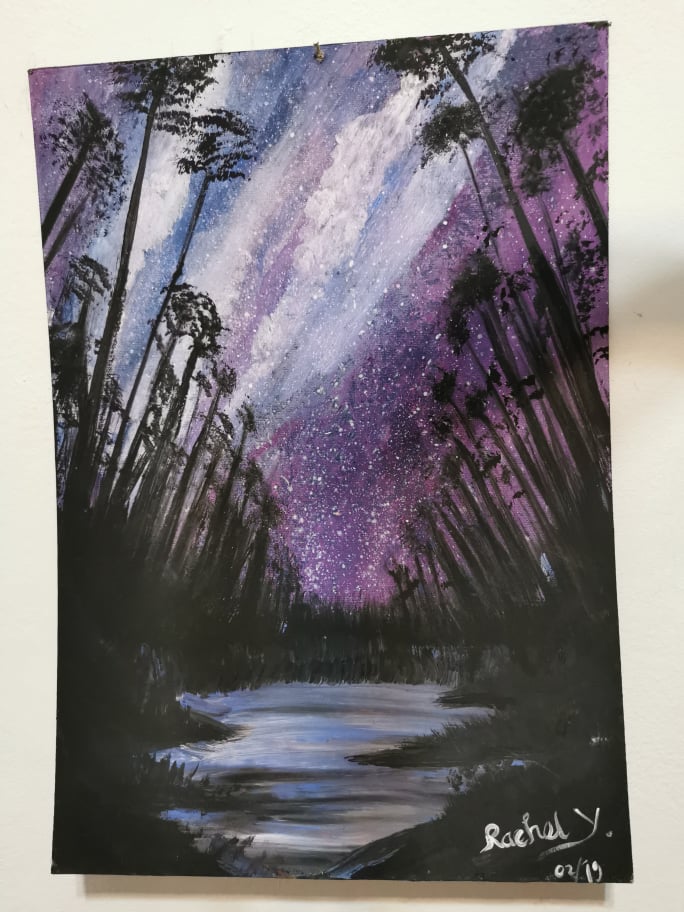
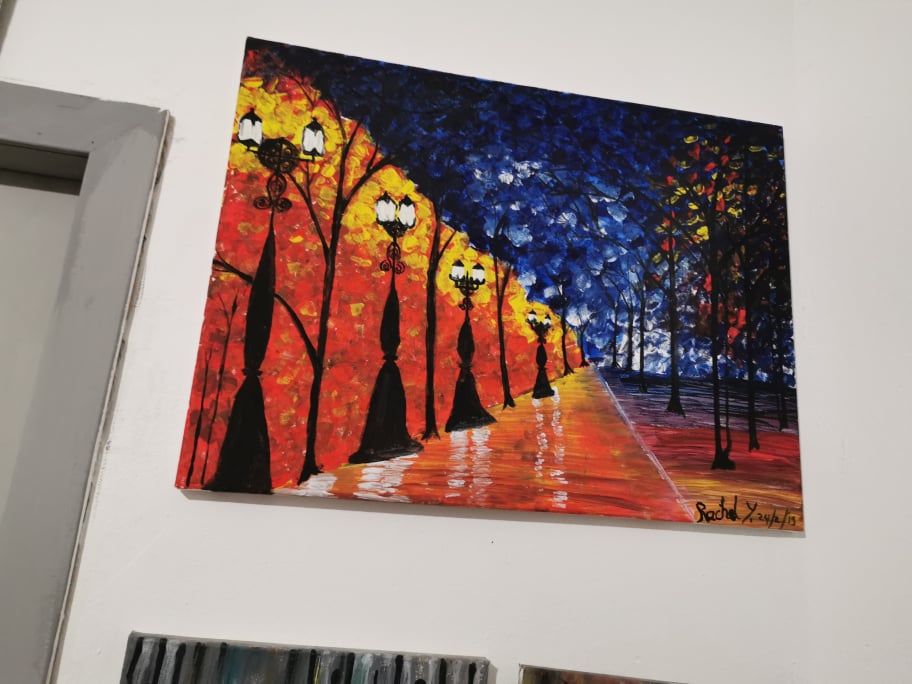
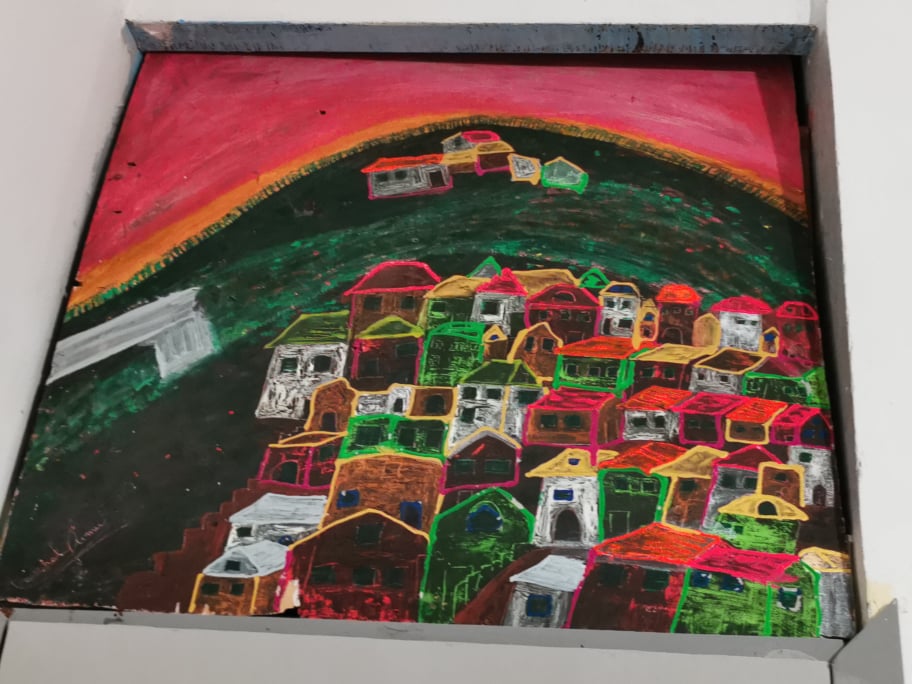
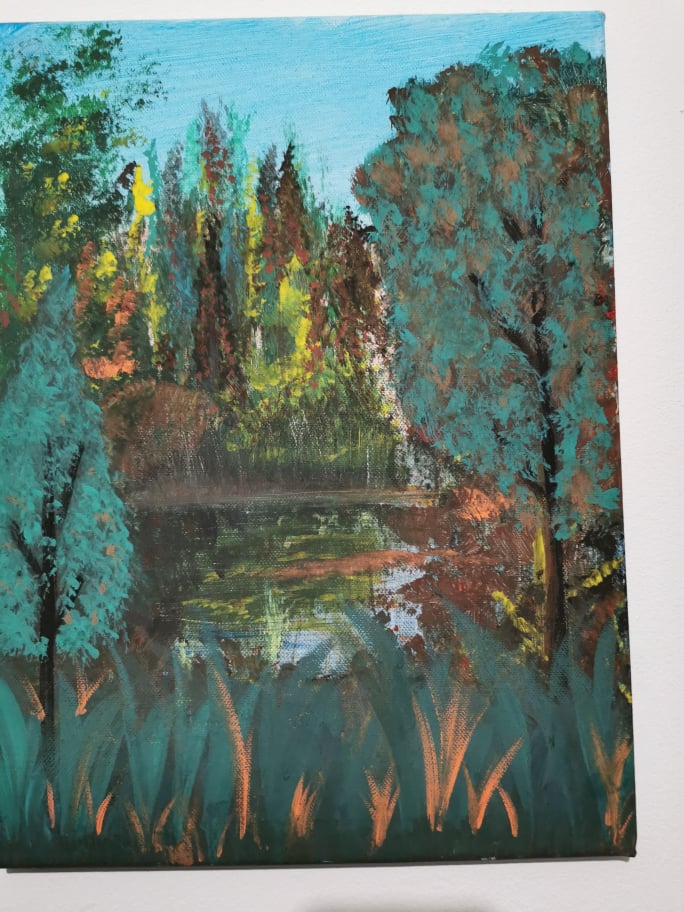
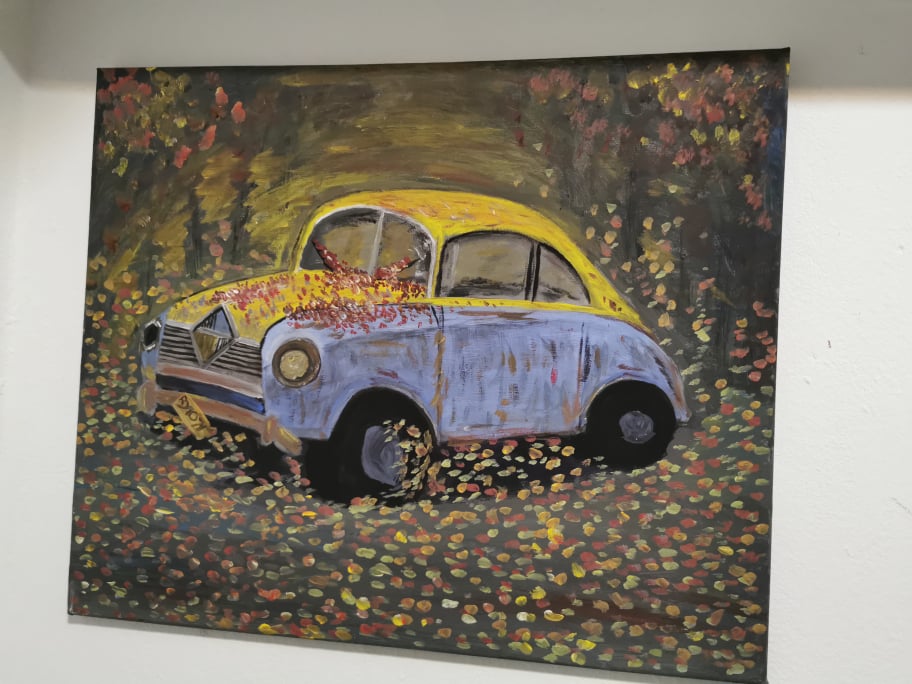
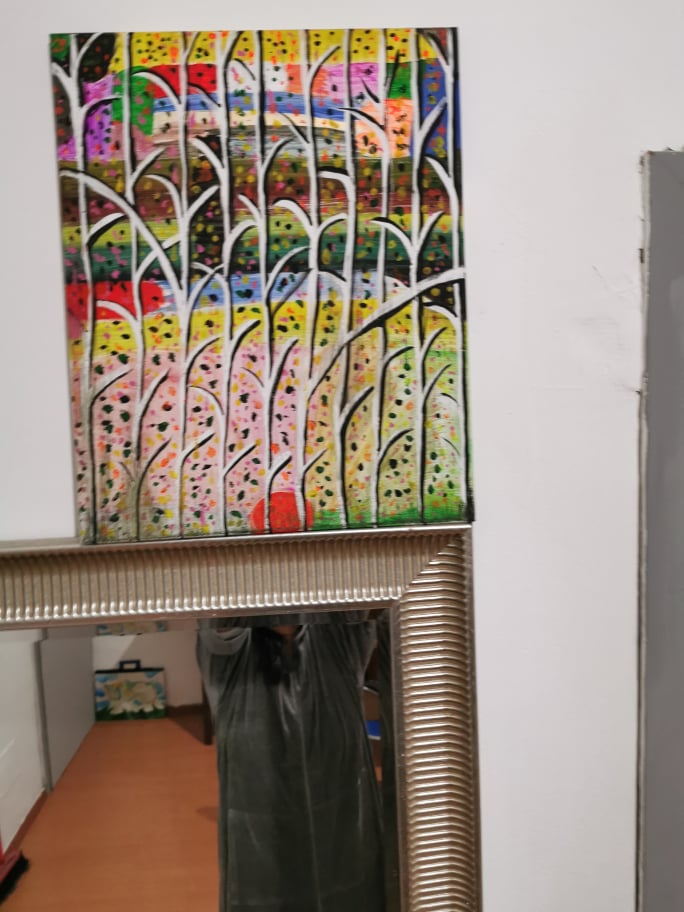
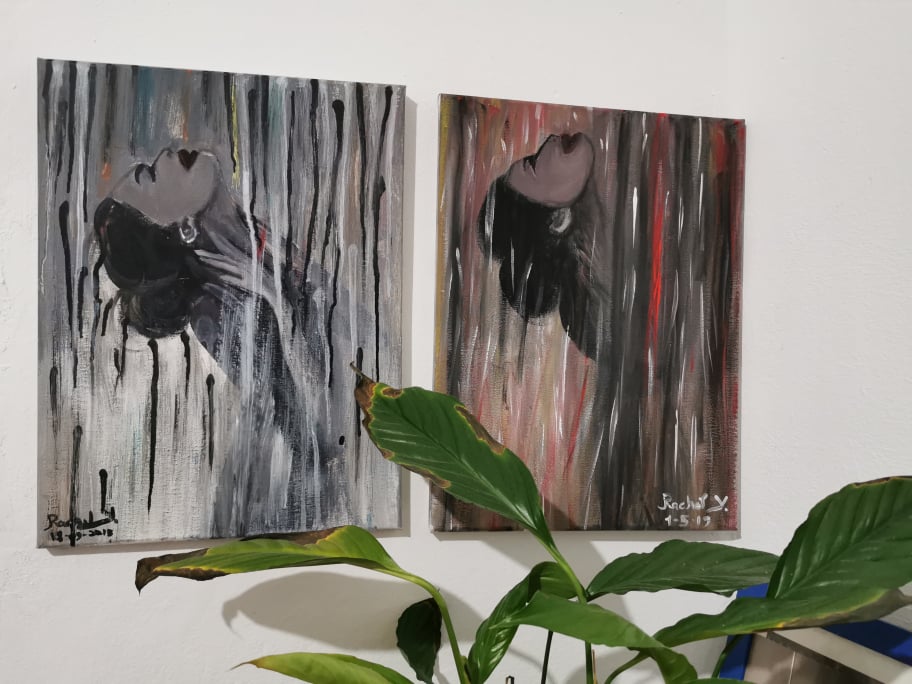
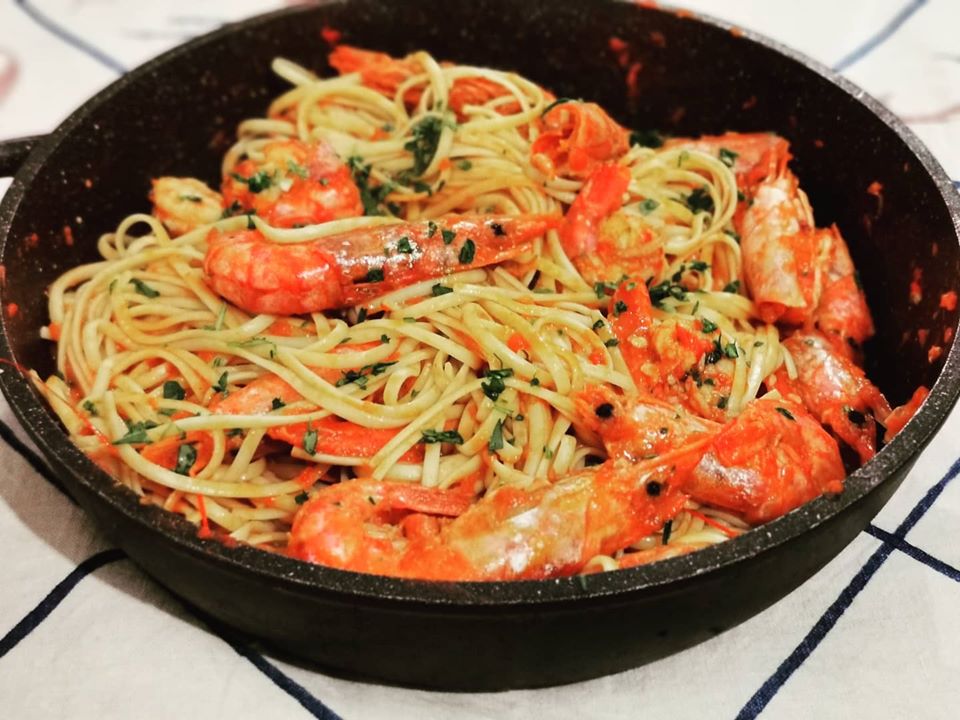
Rachel is lovely, sweet and kind friend. She is also a very talented artist. Her paintings are stunning. She is also good in cooking and preparing luscious and decadent meals. She has started her own YouTube channel to share her skills and talents. So please, watch and subscribe to Rachel's YouTube channel.




I launched “Lets Get Wild – connect with nature and wildlife” online on 25th March 2020. My aim is to encourage people to connect with nature and wildlife while at home because it benefits both the mental and physical well-being. More details below the page.
To help my community, I made this list for people who are self-isolating, high risk and vulnerable. This are List of Bakeries, Butchers, Restaurants, Local Organisations, Individuals, Shops and others who are offering "HOME DELIVERY and SERVICES" in Cornwall during the Coronavirus (COVID-19) outbreak. I update my website regularly so keep your eyes open.
It's really amazing how people and businesses come together to help out one another in times like this. The kindness and generosity of everyone is absolutely astounding.
If you know any businesses offering Home Delivery or any Organisation / Individuals offering their Services, please let me know so I can add it to the website. Here's my contact details:
Rowena Castillo Nicholls
Mobile No: 07711 105 485
Email Address: ilovecornwall8@yahoo.com
#ShopLocal #SupportLocal #BuyLocal #LoveLocal #SupportLocalBusinessesInCornwall
Email Address covid19@cornwall.gov.uk
Telephone No: 0300 1234 171
Bulk Buy Grocery Home Delivery
Telephone No: 01326 331 900
Email Address: hello@bulkbuygroceries.co.uk
Website: www.bulkbuygroceries.co.uk
Grocery Home Delivery available for next day delivery direct to your home.
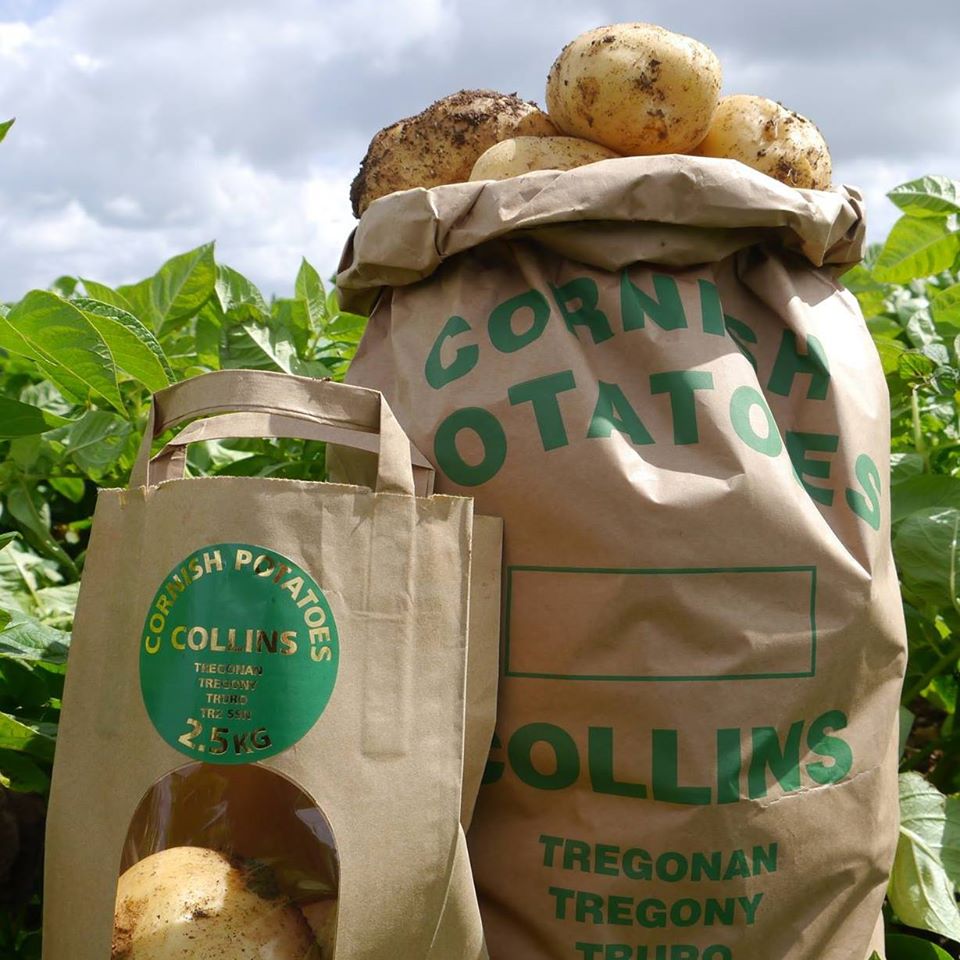
Collins Cornish Potatoes
Telephone No: 07971 874 798
Facebook Page: www.facebook.com/Collins-Cornish-Potatoes-342787522542863
Home delivery service to customers living in TR1, TR2 and PL26 postcodes for 12.5kg and 25kg bags of potatoes. Deliveries will be carried out on Tuesdays and Wednesdays afternoon and cost £3 per household. 12.5kg bags are £6 and 25kg bags are £9.
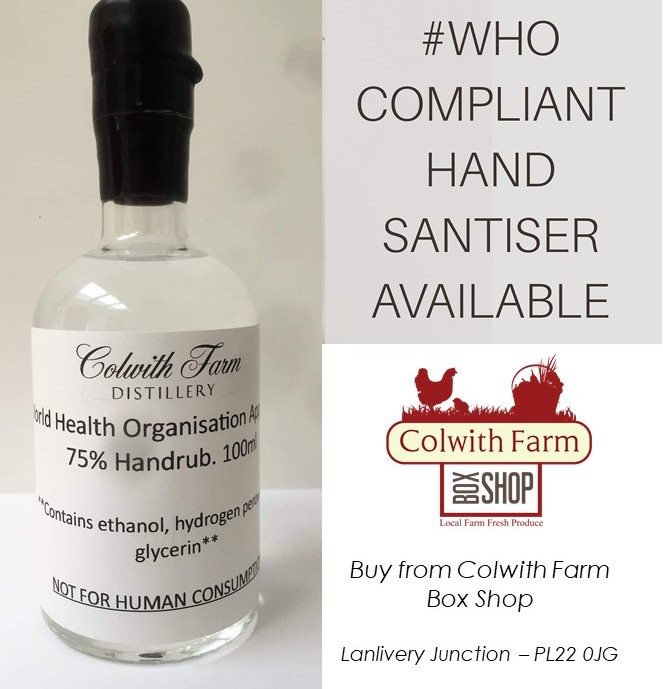
Colwith Farm Distillery
Telephone No: 01208 873 967
Email Address: clare@colwithfarmdistillery.co.uk
Website: www.colwithfarmdistillery.co.uk
Facebook Page: www.facebook.com/colwithfarmdistillery
If you would like to order online, the sanitiser is available in quantities of 5 or 10 bottles, including express courier delivery. For larger orders please email steve@colwithfarmdistillery.co.uk.
Coppergon Produce
Telephone No: 01726 814 562
Email Address: coppergon@hotmail.co.uk
Facebook Page: www.facebook.com/coppergonproduce
Offering delivery service to Par, Tywadreath, St Blazey, Fowey and Lostwithiel.
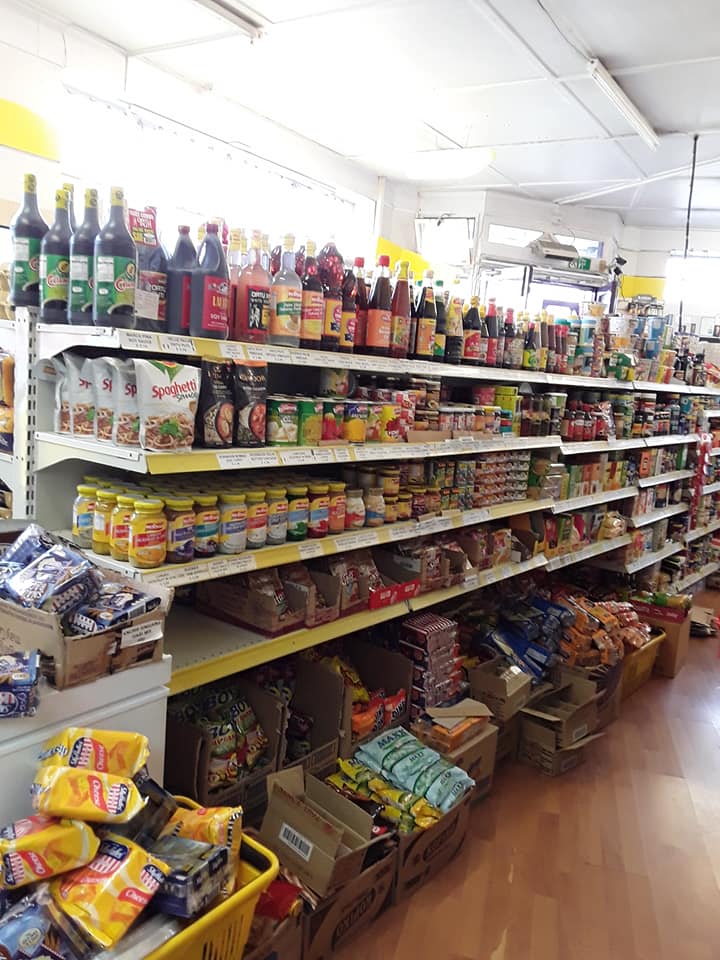
Cornershop Falmouth
Telephone No: 07496 791 896
Facebook Page: https://www.facebook.com/Cornershop-Falmouth-386314121907275
Offering delivery service of Asian and English products.
Cows and Sows
Telephone No: 07866 178 556
Email Address: higherlamertonfarm@yahoo.co.uk
Facebook Page: www.facebook.com/cowsandsows
Monday to Friday - orders and delivery only.
Fowey Farm Shop
Telephone No: 07984 205 379
Email Address: kelleynangle@icloud.com
Website: www.foweyfarmshop.com
Facebook Page: www.facebook.com/foweyfarmshop
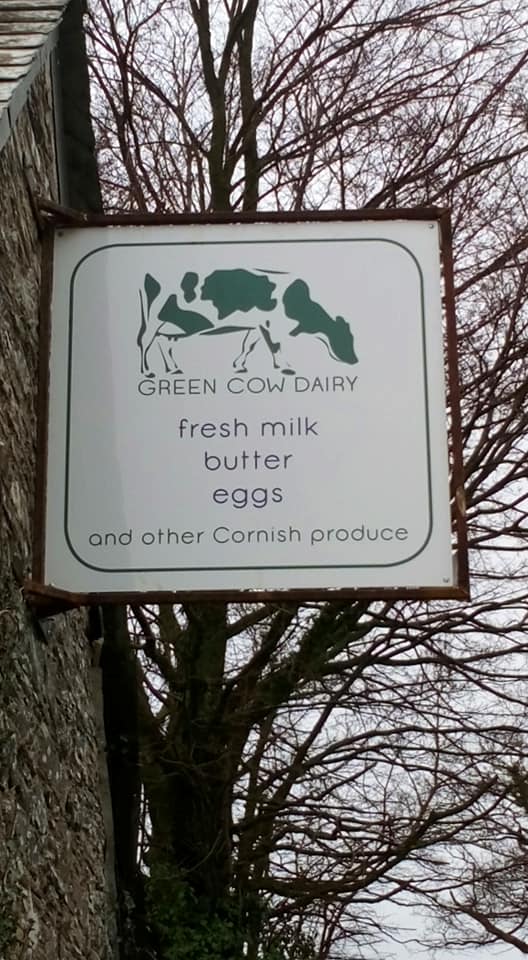
Green Cow Dairy Ltd - UK
Telephone No: 07876 208 609
Email Address: greencowdairy@outlook.com
Website: greencowdairy.co.uk
Facebook Page: www.facebook.com/GreenCowDairy
Offering delivery service to Grampound, Tresilian, St Stephens, Sticker and Polgooth. They also cover the Polruan and Lanteglos area, all the way to Callington and Saltash
Hanson Fine Foods
Telephone No: 01726 883 113 / 0779 970 223
Email Address: info@hansonfinefoods.co.uk
Website: www.hansonfinefoods.co.uk
Facebook Page: facebook.com/Hanson-Fine-Foods-Wedding-Cheese-Cakes-313113456285640
Offering delivery service.
Harvey & Brockless
Telephone No: 01392 908 108
Email Address: southwest@harveyandbrockless.co.uk
Website: www.harveyandbrockless.co.uk
Facebook Page: www.facebook.com/HarveyandBrockless
Offering delivery service.
Pengelly Garden Centre
Telephone No: 01726 883 757
Email Address: sdanielppc@gmail.com
Website: www.pengellygardencentre.co.uk
Facebook Page: www.facebook.com/pengellygardencentre1
Offering delivery service.
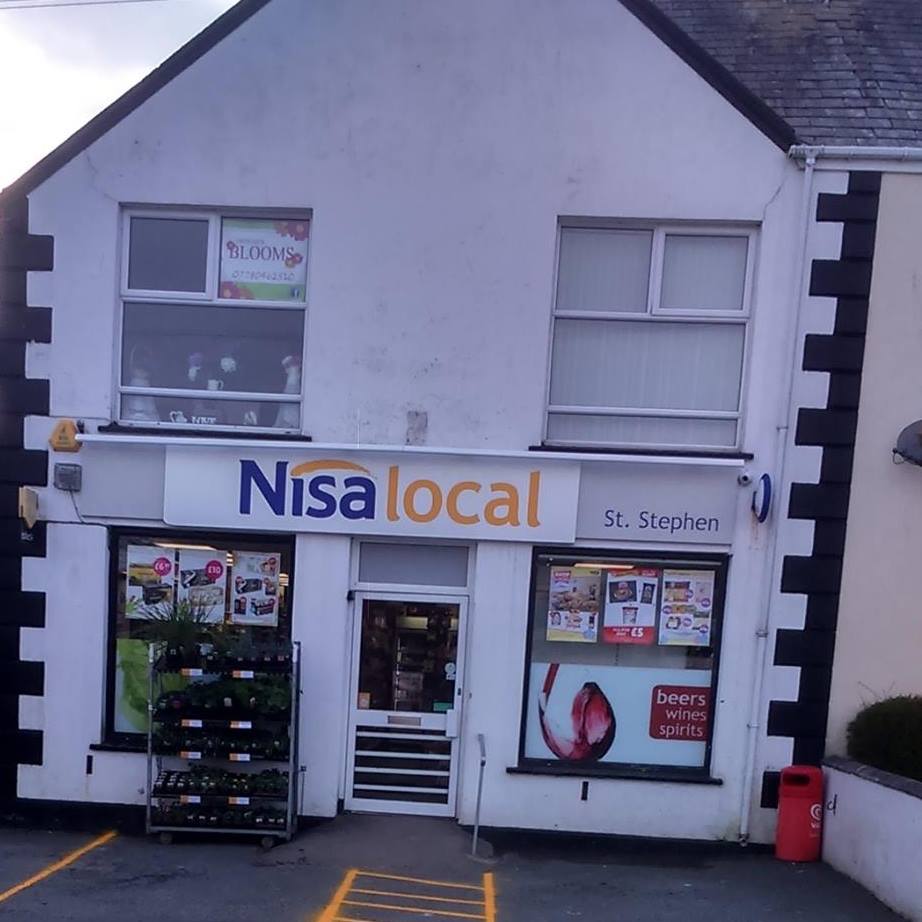
Phoenix Stores, St Stephen
Telephone No: 01726 822 000 St Stephen / 01726 823 111 Napean
Email Address: phoenixstores@outlook.com
Website: www.phoenixstores.co.uk
Facebook Page: www.facebook.com/nisaststephen
Home delivery for £1.
Coombe, St Stephen and Treviscoe - delivery time 10:00am to 1:00pm
St Dennis, Whitemoor, Nanpean and Foxhole - delivery time 1:00pm to 4:00pm
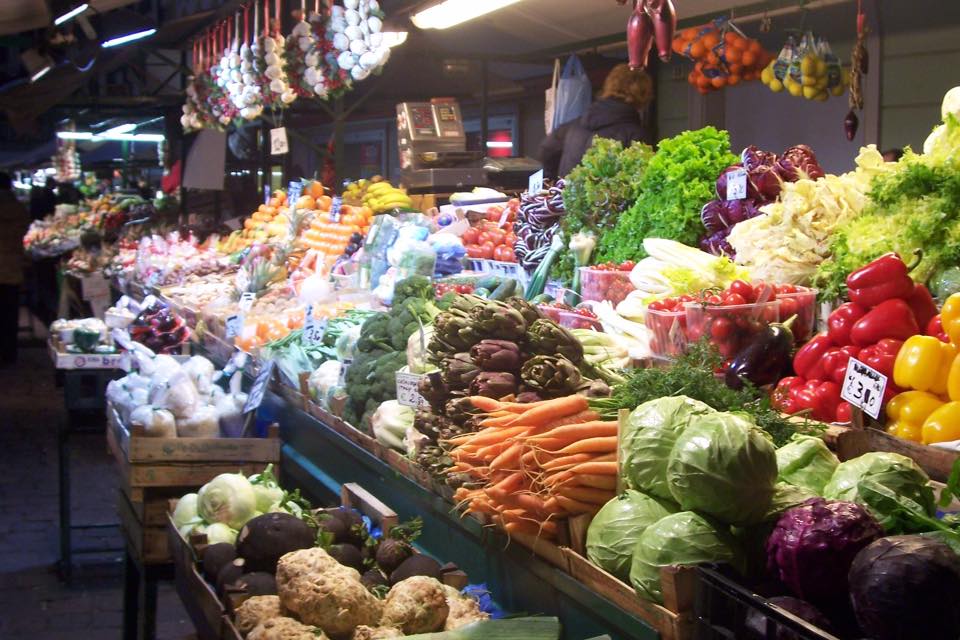
Purnell's Fruit & Veg
Telephone No: 07831 559 168
Facebook Page: www.facebook.com/Purnellsgreengrocers
Offering delivery service in St Austell area.
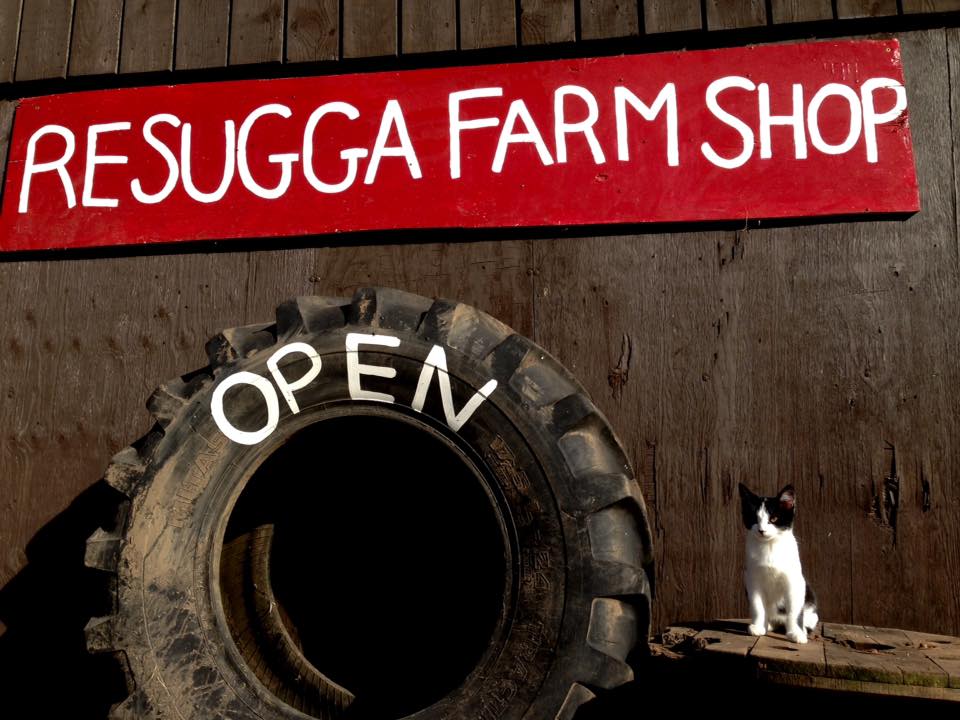
Ressuga Farm
Telephone No: 07976974978 / 07752351292
Facebook Page: https://www.facebook.com/resuggafarm
Offering delivery service.
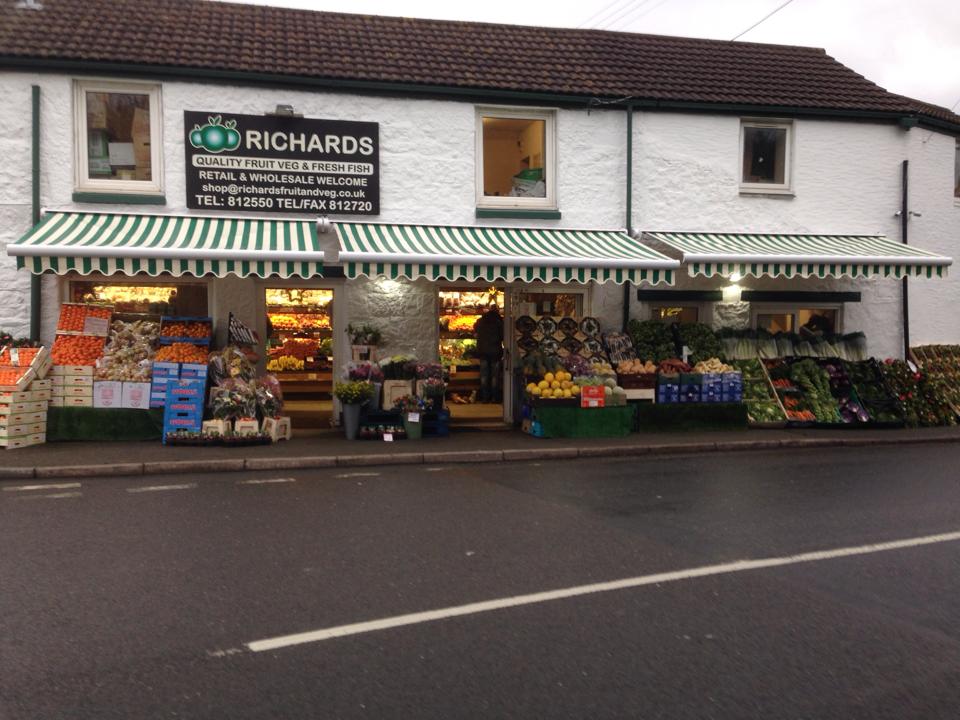
Richards Fruit & Veg
Telephone No: 01726 812 550
Email Address: shop@richardsfruitandveg.co.uk
Facebook Page: www.facebook.com/RichardsFruitandVegPar
Offering delivery service in St Austell area.
St Mawes Hens
Telephone No: 01326 369 201
Email Address: feedback@stmaweshens.co.uk
Website: www.stmaweshens.co.uk
Facebook Page: www.facebook.com/stmaweshens
Delivery in TR1 & TR2 postcodes. These will be delivered in trays of 30 of mixed sizes @£6 per tray. Minimum order of 2 trays.
The Shop, Trevone Farm
Telephone No: 01841 529 176
Email Address: theshoptrevonefarm@gmail.com
Facebook Page: www.facebook.com/The-Shop-Trevone-Farm-159892977495682
Offering delivery service in Trevone area.





Cornwall Family Butchers
Telephone No: 07884 155317
Email Address: andycornwall70@gmail.com
L George Butchers
Telephone No: 01872 510 219
Email Address: info@lgeorgebutchers.co.uk
Website: www.lgeorgebutchers.co.uk
Facebook Page: www.facebook.com/L-George-Butchers-177628345619960
Lobbs Farm Shop
Telephone No: 01726 844 411
Email Address: sales@lobbsfarmshop.com
Website: www.lobbsfarmshop.com
Facebook Page: www.facebook.com/lobbsfarmshop
Minimum orders over £30 to qualify for home delivery at the reduced price of £3.00. Free delivery for orders over £100. Deliveries made to PL24, PL25, PL26, & TR2
James Kittow Butcher and Grazier
Telephone No: 01726 814 926
Email Address: info@jameskittow.co.uk
Website: www.kittowsbutchers.co.uk
Facebook Page: www.facebook.com/jameskittowbutcher
Offering free home delivery service within 15 miles of Kilhallon Farm. Courier deliveries are free for orders over £100 or if under, there's a £12.95 delivery fee.
Kittows Quality Meats
Telephone No: 01726 73005
Email Address: shop@kittowsqualitymeats.co.uk
Website: www.kittowsqualitymeats.co.uk
Facebook Page: www.facebook.com/Kittows
Free meat delivery to PL24 or PL25, (PL26 with a 5 mile radius from Store) and orders are still available to be collected in store.
Primrose Herd
Telephone No: 01209 821 408
Email Address: enquiries@primroseherd.co.uk
Website: www.primroseherd.co.uk
Facebook Page: www.facebook.com/PrimroseHerdPork



Celtic Fish & Game
Telephone No: 01736 797470
Email Address: info@celticfishandgame.co.uk
Website: www.celticfishandgame.co.uk
Facebook Page: www.facebook.com/CelticFishGameLtd
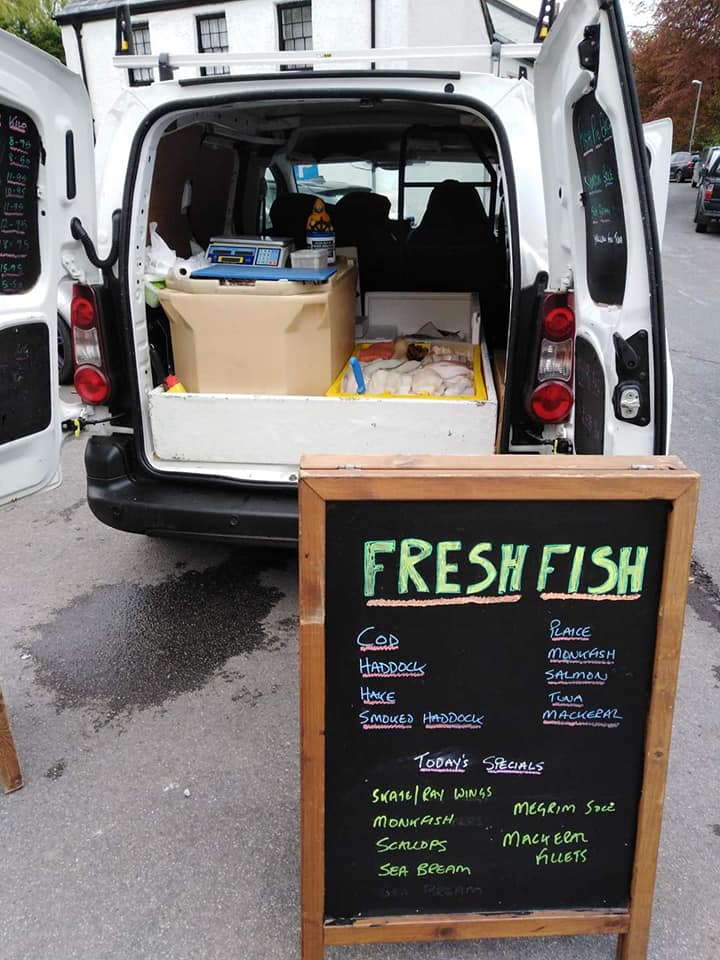
Mevagissey Bay Fish
Telephone No: 07564 122 384
People can contact John on 07564122384 during office hours for location details etc. Delivering locally caught fish on the following schedule:
Monday
Lostwithiel 9:00am t0 12:00pm
Tuesday
Tregoney 9:00am t0 11:00am
Wednesday
Portscatho 9:00am to 11:00am
St Mawes 11:15 to 1:00pm
Friday
Fowey 9:00am to 11:00am
Carlyon Bay 11:15am to 1:00pm
Saturday
Polgooth 9:00am to 10:20am
Mevagissey by the Fountain 10:30 to 12:00

Baker Tom's
Telephone No: 01209 218 989
Email Address: info@bakertom.co.uk
Website: www.bakertom.co.uk
Facebook Page: https://www.facebook.com/bakertoms
Check their facebook page for the schedule of Baker Tom's Bread Van in your area.
Da Bara Bakery
Telephone No: 01726 247764
Email Address: office@dabara.co.uk
Website: www.dabara.co.uk
Facebook Page: www.facebook.com/Da-Bara-Bakery-HQ-106995076042475
Martins Bakery (Cornwall) Ltd
Telephone No: 01726 70888
Website: www.martinsbakerycornwall.com
Facebook Page: www.facebook.com/Martinsbakerycornwall
Offering delivery service in St Austell area.
Niles Bakery
Telephone No: 01726 72798 / 07432 264 537
Website: restaurantwebexperts.com/NilesBakery
Facebook Page: www.facebook.com/Niles-Bakery-1449564778684768
Offering delivery service.
Portreath Bakery
Telephone No: 01209 311 611
Website: www.portreathbakery.co.uk
Facebook Page: www.facebook.com/portreathbakery
Order your Cornish Pasties by post. Offering delivery service throughout the UK.
Proper Cornish
Telephone No: 01208 265 838
Email Address: info@propercornish.co.uk
Website: www.propercornish.co.uk
Facebook Page: www.facebook.com/ProperCornishLimited
Check their facebook page for the schedule of their Pasty Van in your area.
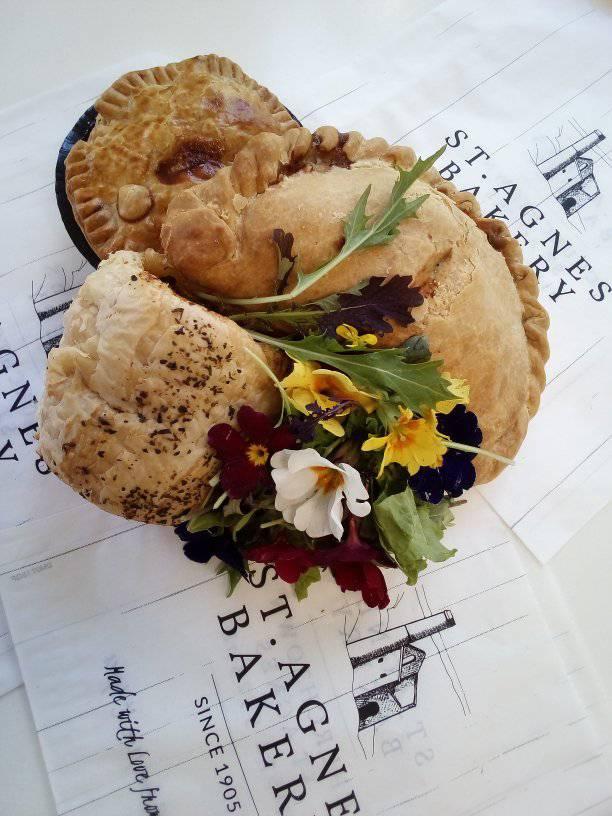
St Agnes Bakery
Telephone No: 01872 552 308 / 07775 449 633
Email Address: stagnes.bakery@icloud.com
Facebook Page: www.facebook.com/St-Agnes-Bakery-118411764903316
Offering delivery service in St Agnes area.
St Mawes Bakery
Telephone No: 01326 270 292
Facebook Page: https://www.facebook.com/groups/282469308617956
Offering delivery service in Roseland area. 01726 72798






Edie's Kitchen
Telephone No: 01726 813 888
Email Address: contact@edieskitchen.co.uk
Website: www.edieskitchen.co.uk
Facebook Page: www.facebook.com/EdiesKitchenCarlyon
Offering take away and delivery service.
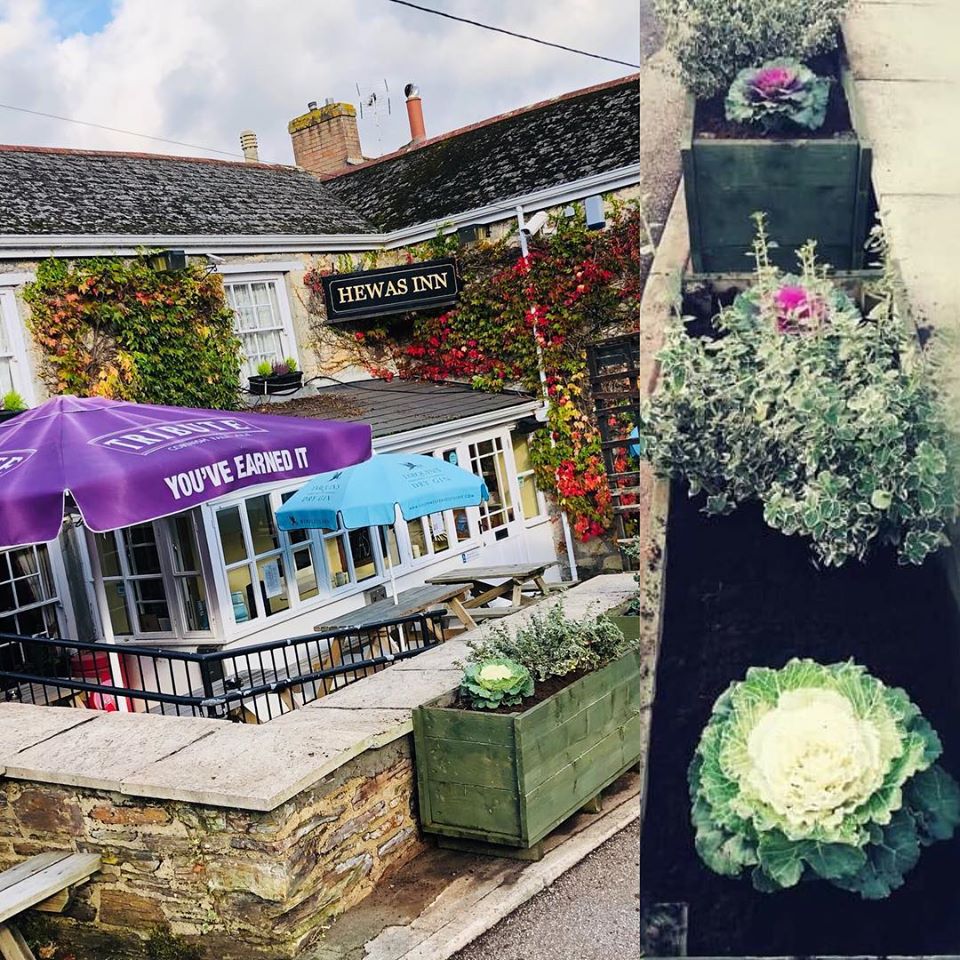
Hewas Inn
Telephone No: 01726 73497
Email Address: contact@hewasinn.co.uk
Website: www.hewasinn.co.uk
Facebook Page: www.facebook.com/HewasInn2018
Offering take away service.
Kingswood Bar and Restaurant
Telephone No: 07850 550 433
Email Address: info@kingswoodbarandrestaurant.co.uk
Website: www.kingswoodbarandrestaurant.co.uk
Facebook Page: www.facebook.com/Kingswoodbarandrestaurant
* Free meals for the vulnerable and elderly *
The amazing Kingswood kitchen team had prepared, packed and freezed ready meals to be available to those in need at this difficult time. They can also arrange door drop deliveries to those that are already house bound in the local area. This Sunday the 22 March, they have the following pre-packed frozen meals available:
*Roast Beef, Roast Turkey, Roast Lamb
*Meat & Vegetable stew with rice
*Beef Pie with mash
*Vegetable soup
*Bread & butter pudding
Posta Pizza Fraddon
Telephone Number: 01726 337 377
Facebook Page: www.facebook.com/postapizza
Offering delivery service.
Slice Pizza Cornwall
Telephone No: 01726 74741 / 07788 535 853
Email Address: slicepizza@btinternet.com
Website: www.slicepizzacornwall.com
Facebook Page: www.facebook.com/SlicePizzaCornwall
Offering delivery service in St Austell area.
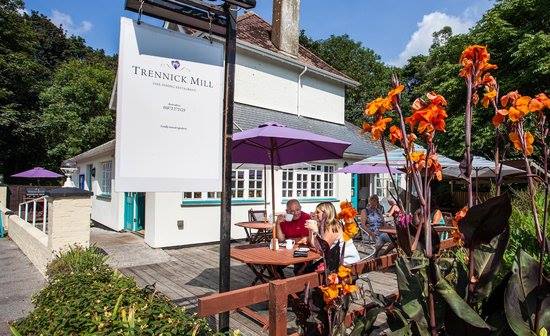
Trennick Mill
Telephone No: 01872 272 121
Facebook Page: www.facebook.com/trennickmill
Offering delivery service.




AJ’s Shop Coffee Bar
Telephone No: 01726 817 441
Facebook Page: www.facebook.com/AJs-Shop-Coffee-Bar-892373311161268
Free hot drink for any NHS or emergency service staff.
Costa Coffee (all stores)
Telephone No: 0333 003 5883
Website: www.costa.co.uk
Facebook Page: www.facebook.com/CostaCoffee
Free tea, coffee and hot chocolate to NHS workers. Just show your NHS badge in any Costa store for your free drink.


Ladock and Grampound Road Support Group
Facebook Group Page: www.facebook.com/groups/LadockAndGrampoundRoadSupportGroup
Roseland Corona Support
Facebook Group Page: www.facebook.com/groups/645300886281313
Mevagissey Community Support Group
Facebook Group Page: www.facebook.com/groups/mevagisseycommunitysupport
St Stephen community Help Group
Facebook Group Page: www.facebook.com/groups/2560644464215486
St Austell Self Isolation Community Support
Facebook Group Page: https://www.facebook.com/groups/222433502235440
Tywardreath, Par and St Blazey Isolation Support
Facebook Group Page: www.facebook.com/groups/265687181121788
Gover Community
Facebook Group Page: www.facebook.com/groups/2845667165523473
Shortlanesend Covid 19 Support Group
Facebook Group Page: www.facebook.com/groups/SLECovid
Delabole Coronavirus Support Group
Facebook Group Page: www.facebook.com/groups/2625153294396483
Veterans in Cornwall - Corona Virus Support
Facebook Page: www.facebook.com/VeteransInCornwall
Volunteer Cornwall
Telephone No: 01872 265 305
Email Address: enquiries@volunteercornwall.org.uk
Website: www.volunteercornwall.org.uk
Facebook Page: www.facebook.com/VolunteerCornwall
The Hive Charity Cornwall
Email Address: thehivecornwall@gmail.com
Facebook Page: www.facebook.com/The-Hive-charity-Cornwall-105052830916305
Truro Foodbank
Telephone No: 07721 711 669
Email Address: trurofoodbank@gmail.com
Website: truro.foodbank.org.uk
Facebook Page: www.facebook.com/Truro.Foodbank.Cornwall
St Austell Foodbank
Telephone No: 01726 65313
Email Address: info@staustell.foodbank.org.uk
Website: staustell.foodbank.org.uk
Facebook Page: www.facebook.com/foodbankstaustell
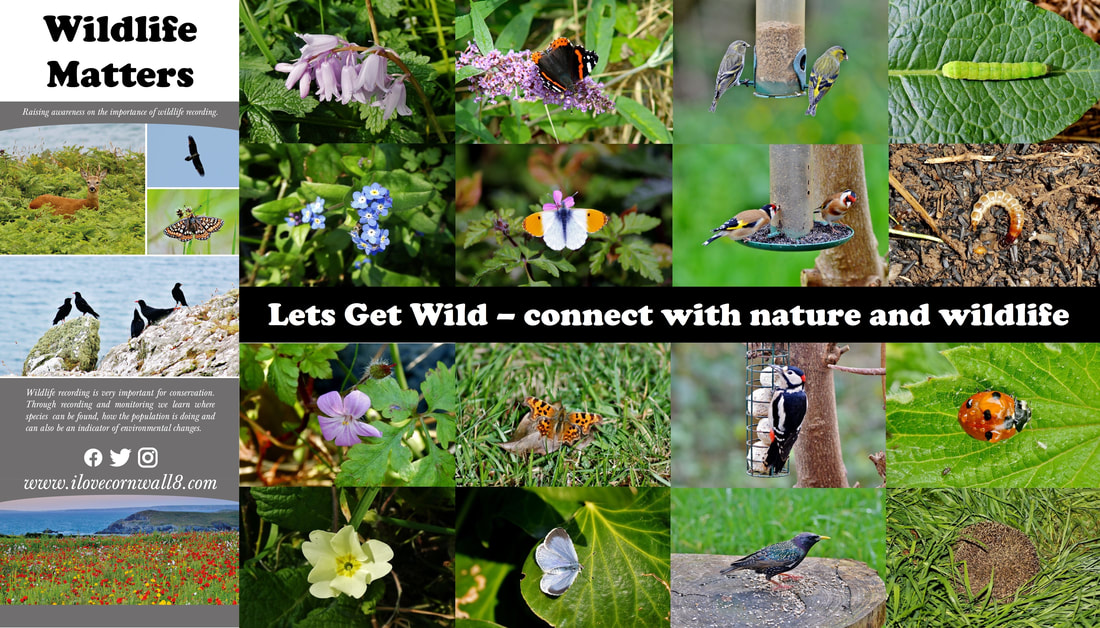
Please share your stories and photos to Wildlife Matters in Facebook, Twitter and Instagram with the hashtag:
#WildlifeMatters
#LetsGetWild
#ConnectWithNatureAndWildlife
#StayAtHome
#ProtectTheNHS
#SaveLives
Like me on Facebook: facebook.com/wildlifematters8
Follow me on Twitter: twitter.com/WildlifeMatter8
Follow me on Instagram: instagram.com/wildlifematter8
Facebook Event Page:
March to April: www.facebook.com/events/1097270603940213
May: www.facebook.com/events/1065539580487652
June: www.facebook.com/events/224302595557312
July: www.facebook.com/events/1319965611522690
Here are things you can do at Home and in your Garden:
1) Bird-watching
2) Butterfly-watching
3) Recording and Counting the Wildlife Species
4) Taking photos of the Flora and Fauna
5) Taking videos of the Flora and Fauna
6) Painting or Drawing an Animal or Flower
7) Reading a book or magazine or anything you fancy
8) Writing a Short Story or a Book
9) Writing a Poem
10) Writing a Song
11) Listening to Music
12) Making Vlog
13) Making an Insect Hotel
14) Building a Bird House
15) Making Homemade Fat Balls for the Birds
16) Gardening
17) Planting Vegetables
18) Pruning your Trees
19) Re-potting your Plants
20) Cutting the Grass
21) Weeding
22) Exercise like Walking, Yoga or Dancing
23) Sewing
24) Knitting
25) Just looking and admiring the beauty of nature and wildlife
26) Others
All information below is from the NHS UK website:
www.nhs.uk/conditions/coronavirus-covid-19
Everyone must stay at home to help stop the spread of coronavirus.
This includes people of all ages – even if you do not have any symptoms or other health conditions.
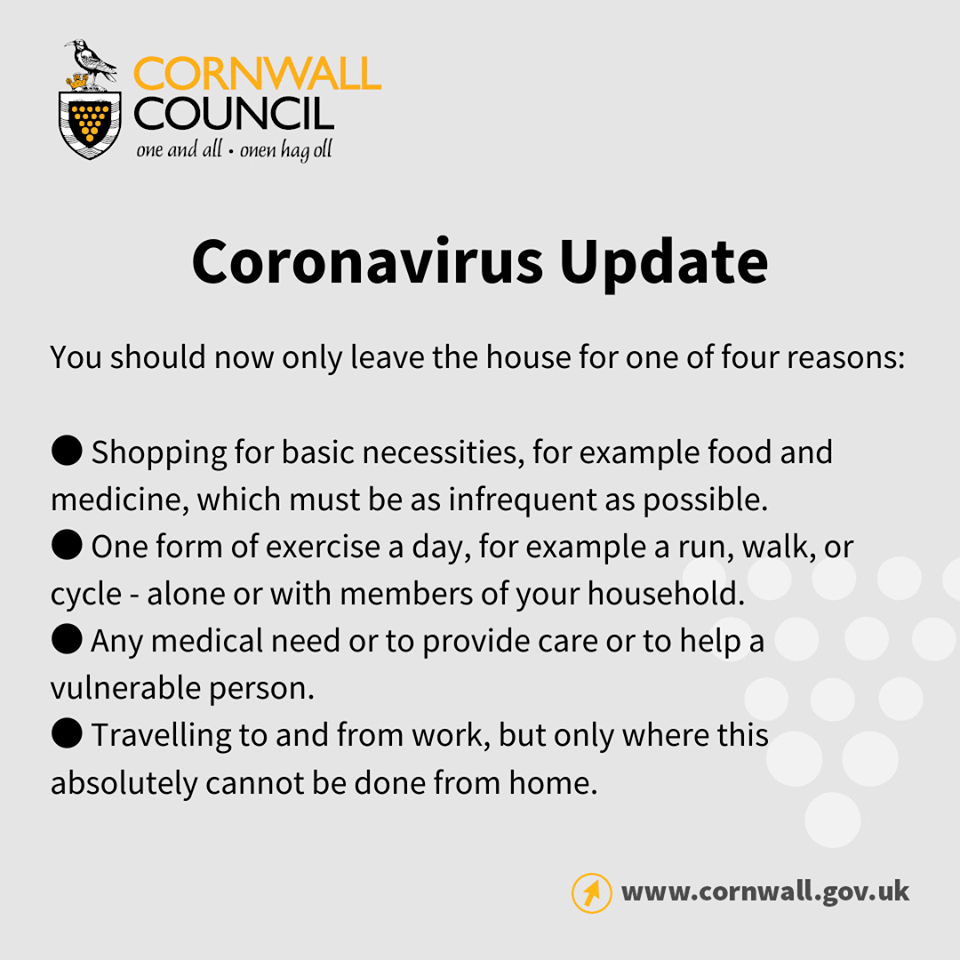
You can only leave your home:
- to shop for basic essentials – only when you really need to`
- to do one form of exercise a day – such as a run, walk or cycle, alone or with other people you live with
- for any medical need – for example, to visit a pharmacy or deliver essential supplies to a vulnerable person
- to travel to and from work – but only where this is absolutely necessary
Continue to stay at home if you have either:
- a high temperature – this means you feel hot to touch on your chest or back (you do not need to measure your temperature)
- a new, continuous cough – this means coughing a lot for more than an hour, or 3 or more coughing episodes in 24 hours (if you usually have a cough, it may be worse than usual)
To protect others, do not go to places like a GP surgery, pharmacy or hospital. Stay at home.
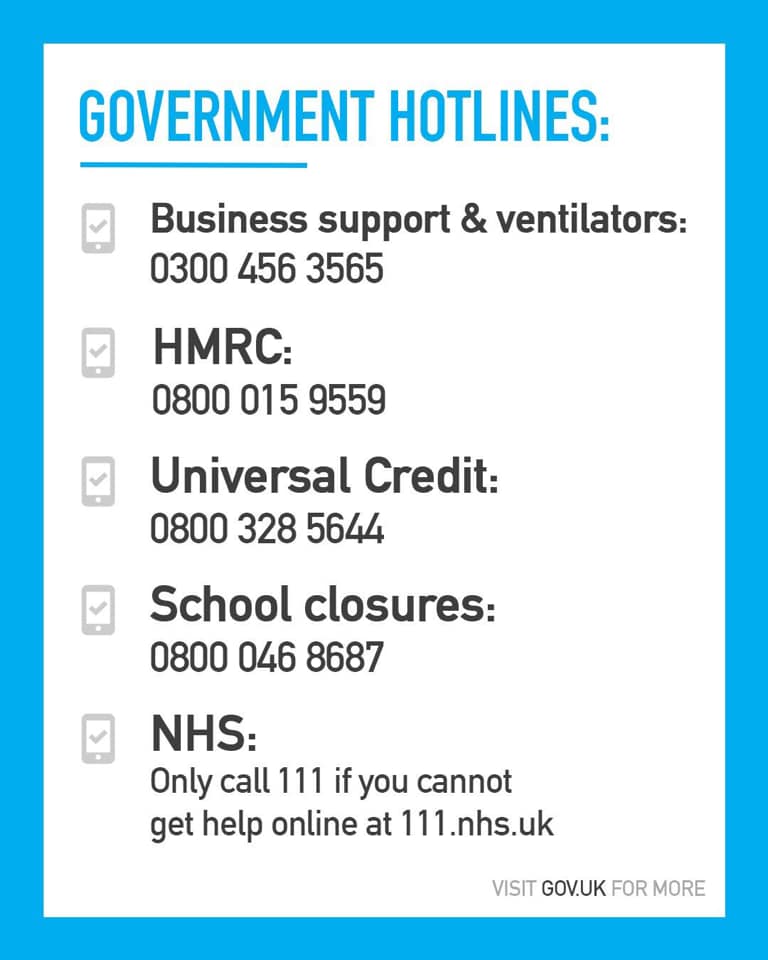
Use the 111 online coronavirus service to find out what to do. Only call 111 if you cannot get help online.
If you need medical help not related to coronavirus, do not go to places like a GP surgery, pharmacy or hospital.
- For health information and advice, use the NHS website or check your GP surgery website.
- For urgent medical help, use the NHS 111 online service. Only call 111 if you're unable to get help online.
- For life-threatening emergencies, call 999 for an ambulance.
If you're at high risk of getting seriously ill from coronavirus, there are extra things you should do to avoid catching it.
These include:
- not leaving your home – you should not go out to do shopping, visit friends or family, or attend any gatherings
- avoiding close contact with other people in your home as much as possible
You may be at high risk from coronavirus if you:
- have had an organ transplant
- are having certain types of cancer treatment
- have blood or bone marrow cancer, such as leukaemia
- have a severe lung condition, such as cystic fibrosis or severe asthma
- have a condition that makes you much more likely to get infections
- are taking medicine that weakens your immune system
- are pregnant and have a serious heart condition
- wash your hands with soap and water often – do this for at least 20 seconds
- use hand sanitiser gel if soap and water are not available
- cover your mouth and nose with a tissue or your sleeve (not your hands) when you cough or sneeze
- put used tissues in the bin immediately and wash your hands afterwards
- stay 2 metres (3 steps) away from other people, if you need to go outside
- do not touch your eyes, nose or mouth if your hands are not clean
* Because it's a new illness, we do not know exactly how coronavirus spreads from person to person.
* Similar viruses are spread in cough droplets.
* It's very unlikely it can be spread through things like packages or food.
* There is currently no specific treatment for coronavirus.
* Antibiotics do not help, as they do not work against viruses.
* Treatment aims to relieve the symptoms while your body fights the illness.
* You'll need to stay in isolation, away from other people, until you have recovered.
If you live with someone who has symptoms of coronavirus, you can get an isolation note to send to your employer as proof you need to stay off work.
All information below is from the Government UK website:
https://www.gov.uk/government/publications/guidance-to-employers-and-businesses-about-covid-19/covid-19-guidance-for-employees
If you have symptoms of coronavirus infection (COVID-19), however mild, stay at home and do not leave your house for 7 days from when your symptoms started.
If you live with others and you are the first in the household to have symptoms of coronavirus, then you must stay at home for 7 days, but all other household members who remain well must stay at home and not leave the house for 14 days. The 14-day period starts from the day when the first person in the house became ill.
See the stay at home guidance for more information.
Sick Pay
You can get £94.25 per week Statutory Sick Pay (SSP) if you’re too ill to work. It’s paid by your employer for up to 28 weeks.
If you are staying at home because of COVID-19 you can now claim SSP. This includes individuals who are caring for people in the same household and therefore have been advised to do a household quarantine.
To check your sick pay entitlement, you should talk to your employer, and visit the Statutory Sick Pay (SSP) page for more information.
SSP Start Date
We are legislating for SSP to be paid from day 1, rather than day 4, of your absence from work if you are absent from work due to sickness or need to stay at home due to COVID-19. Once the legislation has been passed, this will apply retrospectively from 13 March. You should talk to your employer if you are eligible for SSP and need to claim.
Proof of Sickness
If you have COVID-19 or are advised to stay at home, you can get an ‘isolation note’ by visiting NHS 111 online, rather than visiting a doctor. For COVID-19 cases this replaces the usual need to provide a ‘fit note’ (sometimes called a ‘sick note’) after 7 days of sickness absence.
Isolation notes will also be accepted by Jobcentre Plus as evidence of your inability to attend.
If you’re self-employed or not eligible for SSP
If you are not eligible for SSP – for example if you are self-employed or earning below the Lower Earnings Limit of £118 per week – and you have COVID-19 or are advised to stay at home, you can now more easily make a claim for Universal Credit or new style Employment and Support Allowance.
If you are eligible for new style Employment and Support Allowance, it will now be payable from day 1 of sickness, rather than day 8, if you have COVID-19 or are advised to stay at home.
Furloughed Workers
If your employer cannot cover staff costs due to COVID-19, they may be able to access support to continue paying part of your wage, to avoid redundancies.
If your employer intends to access the Coronavirus Job Retention Scheme, they will discuss with you becoming classified as a furloughed worker. This would mean that you are kept on your employer’s payroll, rather than being laid off.
To qualify for this scheme, you should not undertake work for them while you are furloughed. This will allow your employer to claim a grant of up to 80% of your wage for all employment costs, up to a cap of £2,500 per month.
You will remain employed while furloughed. Your employer could choose to fund the differences between this payment and your salary, but does not have to.
If your salary is reduced as a result of these changes, you may be eligible for support through the welfare system, including Universal Credit.
We intend for the Coronavirus Job Retention Scheme to run for at least 3 months from 1 March 2020, but will extend if necessary.
Claiming Benefits
Whether you are currently in or out of work, if you are on a low income and affected by the economic impacts of COVID-19, you will be able to access the full range of the welfare system, including Universal Credit.
From 6 April we are increasing the standard allowance in Universal Credit and the basic element in Working Tax Credit for 1 year. Both will increase by £20 per week on top of planned annual uprating. This will apply to all new and existing Universal Credit claimants and to existing Working Tax Credit claimants.
If you have COVID-19 or are staying at home
You are now able to claim Universal Credit, and if required can access advance payments upfront without needing to attend a jobcentre.
If you are self-employed
You are able to claim Universal Credit, providing you meet the usual eligibility criteria.
To support you with the economic impact of the outbreak, and allow you to follow government guidance on self-isolation and social distancing, from 6 April the requirements of the Minimum Income Floor will be temporarily relaxed. This change will apply to all Universal Credit claimants and will last for the duration of the outbreak.
New claimants will not need to attend the jobcentre to demonstrate gainful self-employment.
Support for rent costs
You should check your eligibility for Universal Credit, which is available for people in and out of work. Support for rental costs will be paid through Universal Credit.
From April, we are increasing Local Housing Allowance rates to the 30th percentile of market rents. This applies to all private renters who are new or existing Universal Credit housing element claimants and to existing Housing Benefit claimants.
Prime Minister Boris Johnson addressed the nation on coronavirus.
All information below is from the Government UK website:
www.gov.uk/government/speeches/pm-address-to-the-nation-on-coronavirus-23-march-2020
The coronavirus is the biggest threat this country has faced for decades – and this country is not alone.
All over the world we are seeing the devastating impact of this invisible killer.
And so tonight I want to update you on the latest steps we are taking to fight the disease and what you can do to help.
And I want to begin by reminding you why the UK has been taking the approach that we have.
Without a huge national effort to halt the growth of this virus, there will come a moment when no health service in the world could possibly cope; because there won’t be enough ventilators, enough intensive care beds, enough doctors and nurses.
And as we have seen elsewhere, in other countries that also have fantastic health care systems, that is the moment of real danger.
To put it simply, if too many people become seriously unwell at one time, the NHS will be unable to handle it - meaning more people are likely to die, not just from Coronavirus but from other illnesses as well.
So it’s vital to slow the spread of the disease.
Because that is the way we reduce the number of people needing hospital treatment at any one time, so we can protect the NHS’s ability to cope - and save more lives.
And that’s why we have been asking people to stay at home during this pandemic.
And though huge numbers are complying - and I thank you all - the time has now come for us all to do more.
From this evening I must give the British people a very simple instruction - you must stay at home.
Because the critical thing we must do is stop the disease spreading between households.
That is why people will only be allowed to leave their home for the following very limited purposes:
- shopping for basic necessities, as infrequently as possible
- one form of exercise a day - for example a run, walk, or cycle - alone or with members of your household;
- any medical need, to provide care or to help a vulnerable person; and
- travelling to and from work, but only where this is absolutely necessary and cannot be done from home.
That’s all - these are the only reasons you should leave your home.
You should not be meeting friends. If your friends ask you to meet, you should say No.
You should not be meeting family members who do not live in your home.
You should not be going shopping except for essentials like food and medicine - and you should do this as little as you can. And use food delivery services where you can.
If you don’t follow the rules the police will have the powers to enforce them, including through fines and dispersing gatherings.
To ensure compliance with the Government’s instruction to stay at home, we will immediately:
- close all shops selling non-essential goods, including clothing and electronic stores and other premises including libraries, playgrounds and outdoor gyms, and places of worship;
- we will stop all gatherings of more than two people in public – excluding people you live with;
- and we’ll stop all social events, including weddings, baptisms and other ceremonies, but excluding funerals.
Parks will remain open for exercise but gatherings will be dispersed.
No Prime Minister wants to enact measures like this.
I know the damage that this disruption is doing and will do to people’s lives, to their businesses and to their jobs.
And that’s why we have produced a huge and unprecedented programme of support both for workers and for business.
And I can assure you that we will keep these restrictions under constant review. We will look again in three weeks, and relax them if the evidence shows we are able to.
But at present there are just no easy options. The way ahead is hard, and it is still true that many lives will sadly be lost.
And yet it is also true that there is a clear way through.
Day by day we are strengthening our amazing NHS with 7500 former clinicians now coming back to the service.
With the time you buy - by simply staying at home - we are increasing our stocks of equipment.
We are accelerating our search for treatments.
We are pioneering work on a vaccine.
And we are buying millions of testing kits that will enable us to turn the tide on this invisible killer.
I want to thank everyone who is working flat out to beat the virus.
Everyone from the supermarket staff to the transport workers to the carers to the nurses and doctors on the frontline.
But in this fight we can be in no doubt that each and every one of us is directly enlisted.
Each and every one of us is now obliged to join together.
To halt the spread of this disease.
To protect our NHS and to save many many thousands of lives.
And I know that as they have in the past so many times.
The people of this country will rise to that challenge.
And we will come through it stronger than ever.
We will beat the coronavirus and we will beat it together.
And therefore I urge you at this moment of national emergency to stay at home, protect our NHS and save lives.
Thank you.
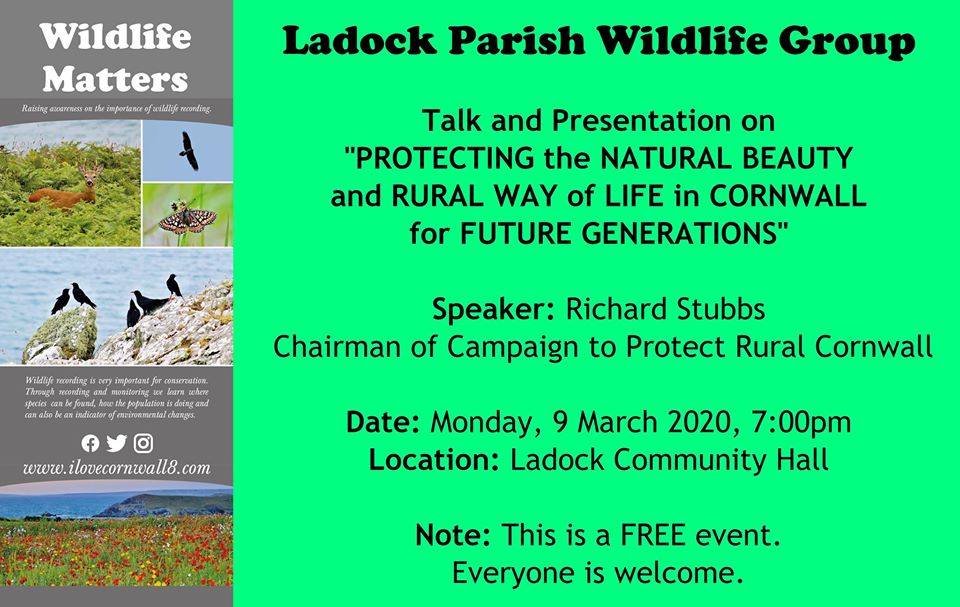
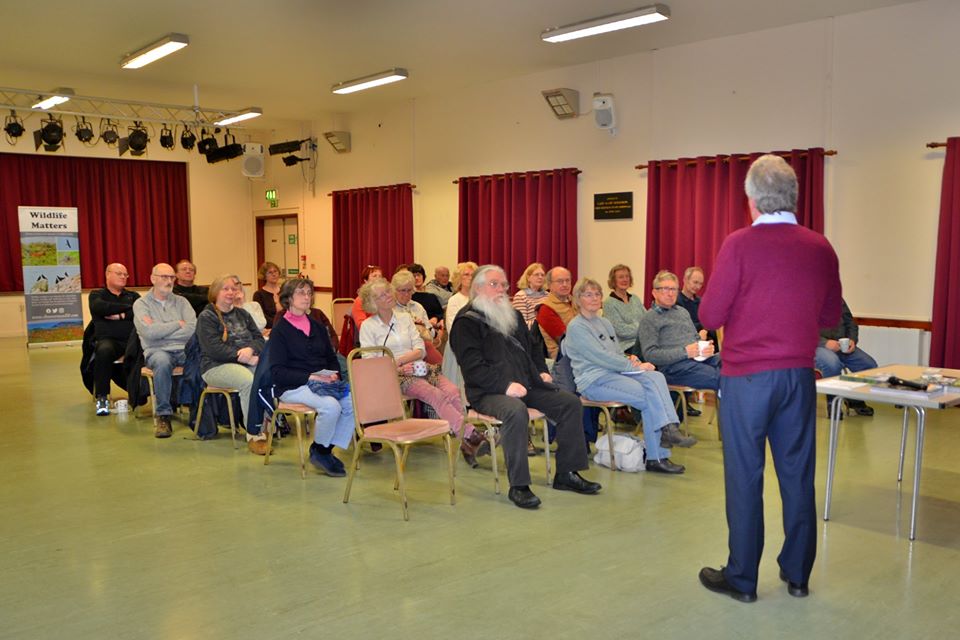
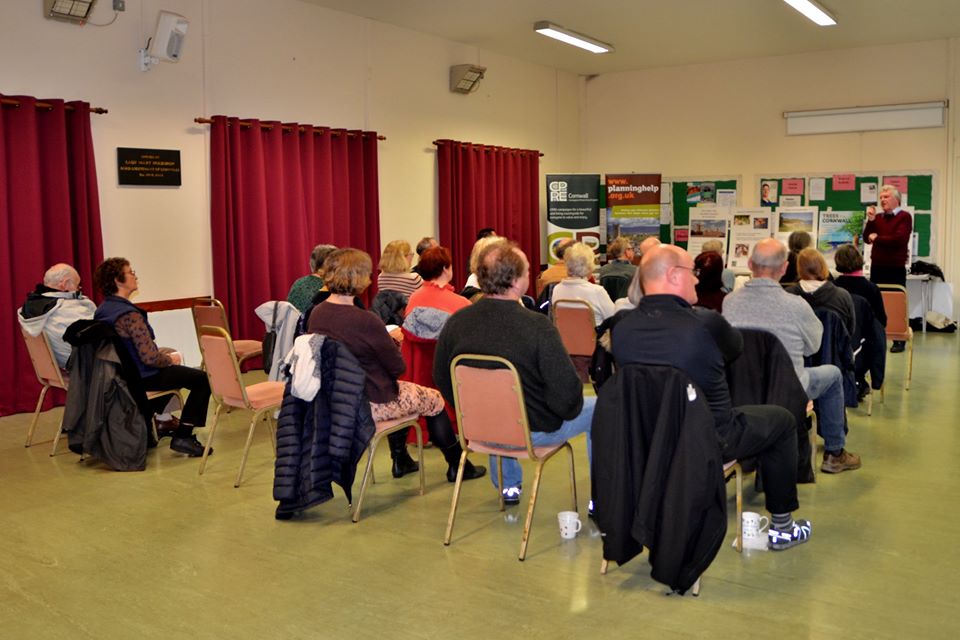
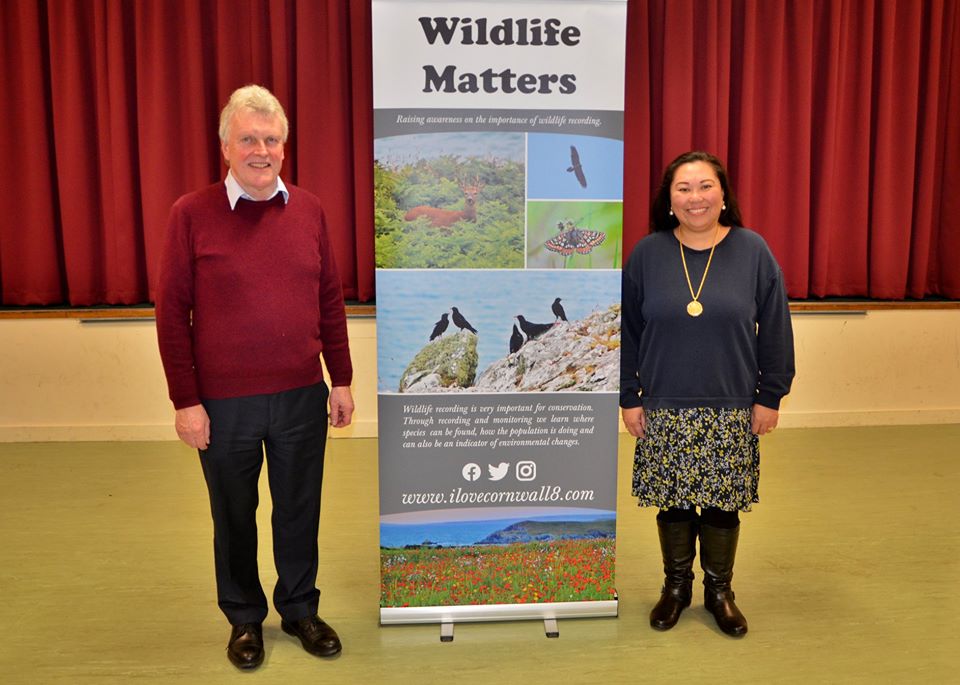
Thank you Vivien Stals and Carol Clarke for helping out. It's much appreciated. Thank you Ted Simpson and Paul for coming to give support to Richard.
Congratulations to all the raffle winners.
CPRE Cornwall is an environmental charity, with over 200 local groups, a branch in every county and 55,000 members, and supporters – including more than 2,000 affiliated parish councils.
Their local knowledge and national profile means CPRE is effective in tackling both the specific issues that really matter to their members and the public, as well as the wider challenges the countryside faces.
The members are united in their love for Cornwall’s landscapes and rural communities, and stand up for the countryside, so it can continue to sustain, enchant and inspire, future generations.
Aims of Ladock Parish Wildlife Group:
• To record wildlife species seen in our parish.
• Invite speakers to give talks and presentation to improve our knowledge on various area of interest.
• Nature and Wildlife Walks and Trips to improve our knowledge of the flora and fauna in our parish.
(Bird-watching, Butterfly-watching, Moth Trapping Evening, Fungi Walk and others)
• Encourage people to connect with nature and wildlife because it benefits both the mental and physical well-being.
• Create a community group to meet like-minded people with the same interest and passion for nature and wildlife.
• To foster community spirit and encourage civic pride in our parish.

Rowena
Castillo
Nicholls
● Dentist
● Author & Photographer
● Wildlife Advocate
● Well-being Advocate
● Education Advocate
● Sustainability Champion
● Race Ambassador
Copyright ©
For image use enquiries, please email Rowena Castillo-Nicholls at ilovecornwall8@yahoo.com.
Categories
All
Bird Watching
Butterfly Watching
Events
Home Sweet Home
Moth Night
Nature And Wildlife Walk
Others
Rock Pooling
Sea Watching
Wildflowers
Archives
January 2024
October 2023
September 2023
August 2023
May 2023
April 2023
March 2023
September 2022
July 2022
June 2022
May 2022
April 2022
January 2022
August 2021
July 2021
June 2021
May 2021
March 2021
February 2021
November 2020
October 2020
July 2020
June 2020
May 2020
April 2020
March 2020
February 2020
January 2020
December 2019
November 2019
October 2019
September 2019
August 2019
July 2019
June 2019
May 2019
April 2019
March 2019
April 2018
March 2018
February 2018
January 2018
December 2017
October 2017
September 2017
June 2017
May 2017
April 2017
March 2017
February 2017
January 2017
December 2016
October 2016
May 2016
 RSS Feed